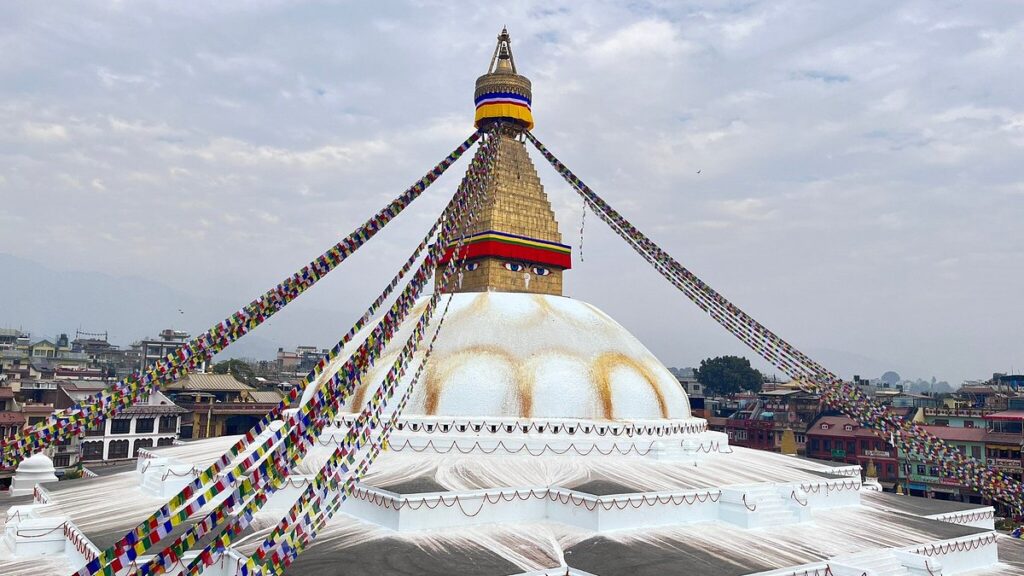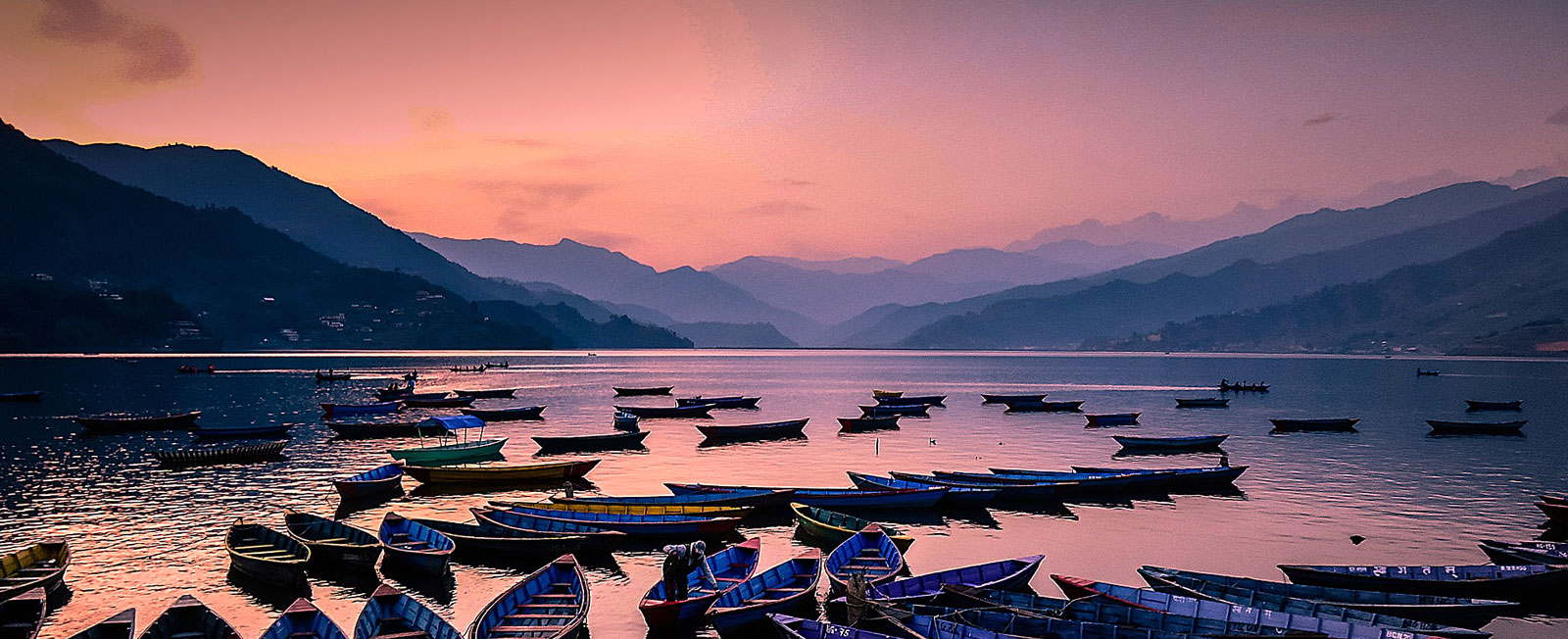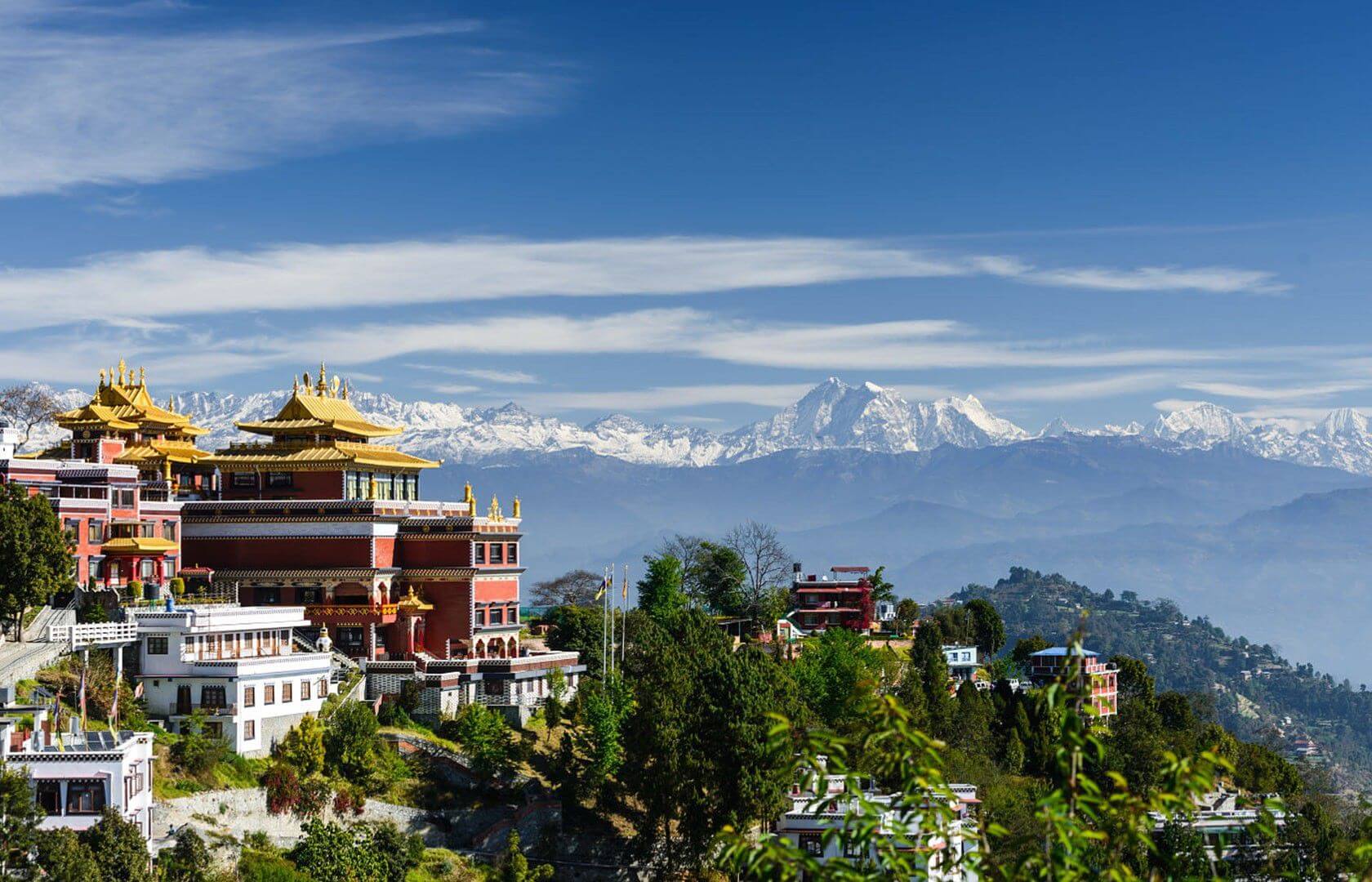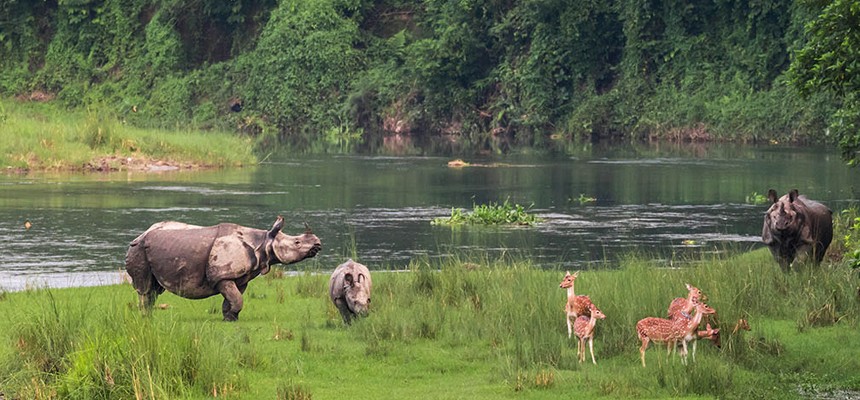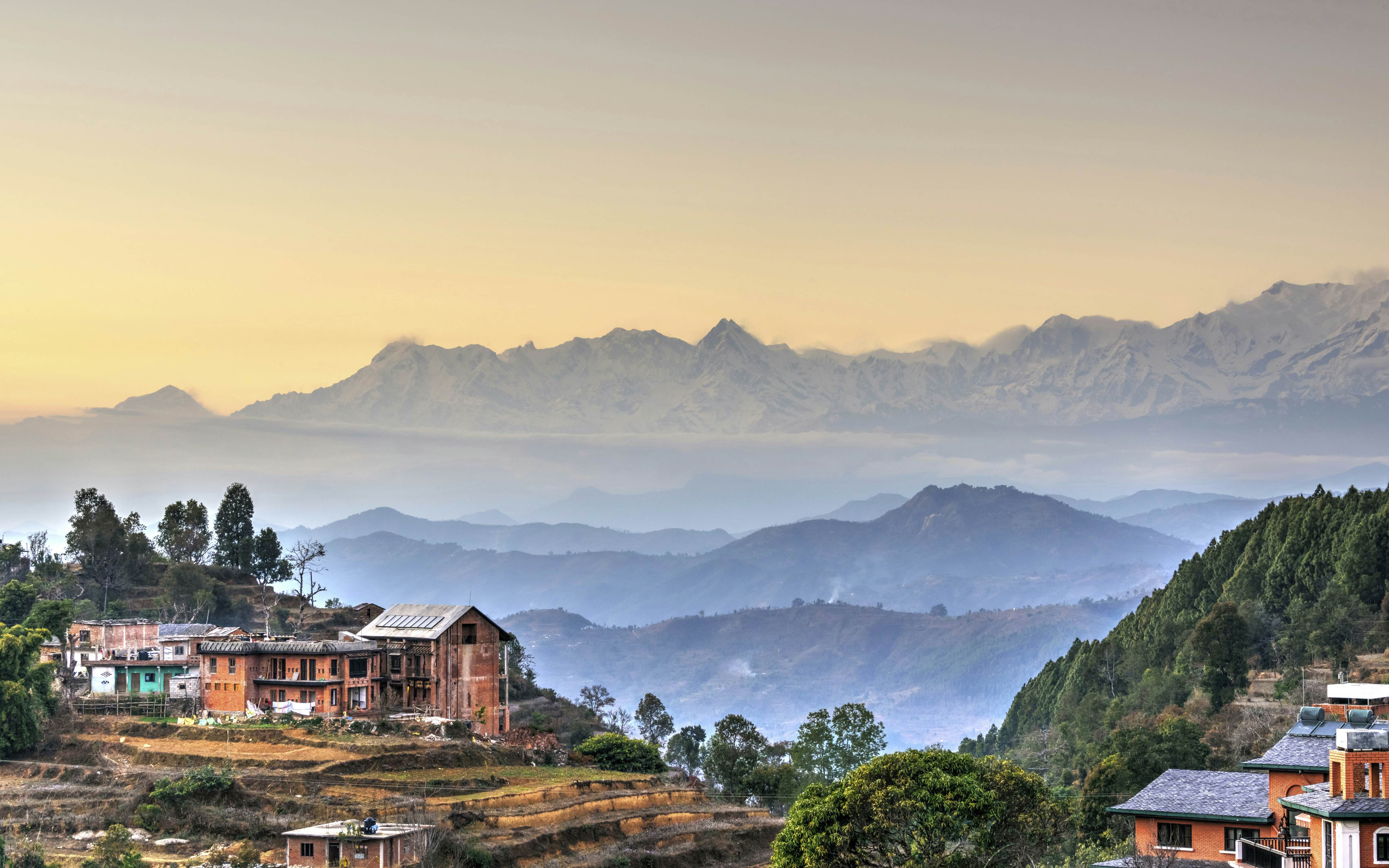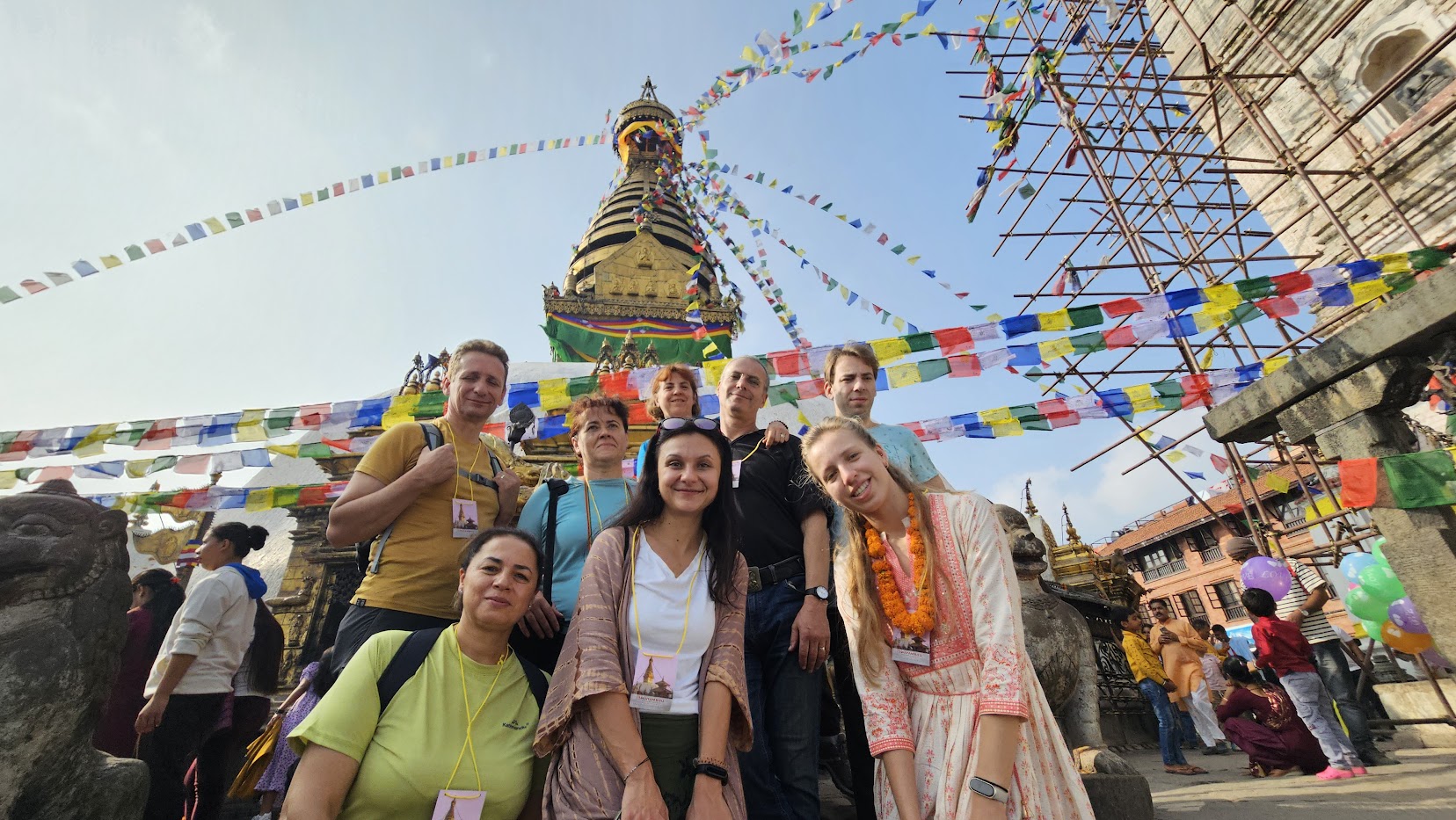
Nepal, a country well-known for the Himalayas, adventure activities, and mountaineering success, is not just paradise for an adrenaline seeker. The raw charm of the country, towering mountains, robust cultural identity, and vibrant festivals attract individuals from around the globe. Whether it’s the thrill of rafting down white-water rivers, the adrenalin rush of jumping off a bridge bungee style, the thrill of ziplining in high heights, or the ecstasy of an ultralight flight, Nepal has a treasure trove of adventure activities to offer. Its diverse landscape has something for the high-octane thrill-seeker and for those seeking peace in nature’s womb as well. Nepal is an adventure-tourist’s dream land, yet it is also a culturally rich, historically significant, and traditionally so nation.
Hidden beneath the globally recognized trekking trails and mountaineering ascents lies an undervalued yet equally enriching experience of Nepal: Agro-Tourism. Where the high mountains and adventure sports hog the limelight, the country’s agricultural heritage lies deep within the fabric of day-to-day life. Nepal’s farm sector is not just a source of subsistence—it’s the very lifeblood of the nation. Over 62% of the nation’s population continues to be committed to agriculture, the majority of whom live off it. To the majority of Nepali farmers, the land they cultivate is not just a source of sustenance or a cash earner; it’s an integral part of their being, something inherited from generation to generation. The seasons’ cycle, the cycles of planting and harvesting, and the pride in one’s own produce are all basic to the Nepali way of life.
From the rice fields of the Tarai valleys to the fertile plains to the Himilayan Foot hills, agriculture is a way of life which not only powers the economy but also the people’s own culture. Agriculture is done here in these rural towns with ancient techniques that have been mastered over several centuries. Farmers plow fields using oxen, practice manual seed conservation, and harvest their produce manually. These traditional methods of agriculture give the human being and nature a particular relation that modern machinery cannot supply. However, the relation has absolutely nothing to do with the past alone. As Nepal goes green with sustainable agriculture, organic farming, and crop cycling, a greener philosophy of farming is gradually taking root. This transformation is creating a new window for tourism: agro-tourism.
Nepalese agro-tourism provides tourists a rare chance to experience the soil and the farmers who till it. It’s an opportunity to not just learn about agriculture in its most conservative forms but to participate in farming practices as well. Travelers can participate in planting rice, cutting vegetables, or even making organic fertilizer with Nepalese farmers. In Pokhara’s lush valleys or the beautiful terraces of the Annapurna Region, travelers can witness the hard work but beautiful craft of farming which is so much a part of Nepal’s culture. By staying with farming communities, visitors are welcomed into houses where nutritious food, freshly plucked from the ground, is carefully prepared and served in the Nepali tradition of hospitality.
Nepal’s agro-tourism is not just about agriculture, however—about cultural exchange. When visitors go to rural villages, they do not just learn about farming practices, but get a glimpse of people’s everyday lives. They can participate in festivals in their region, where harvest festivals such as Maghe Sankranti are held. These festivals highlight the importance of the harvest period in Nepali society with color-filled rituals, music, dance, and communal food feasts. The exchange is reciprocal: while the guests get to learn about indigenous food systems and agriculture, they also take away something worthwhile—the learning, experience, and new knowledge of what is beyond themselves. This cultural kinship of the tourists with the rural people makes possible mutual respect and greater appreciation for the farming customs of Nepal.
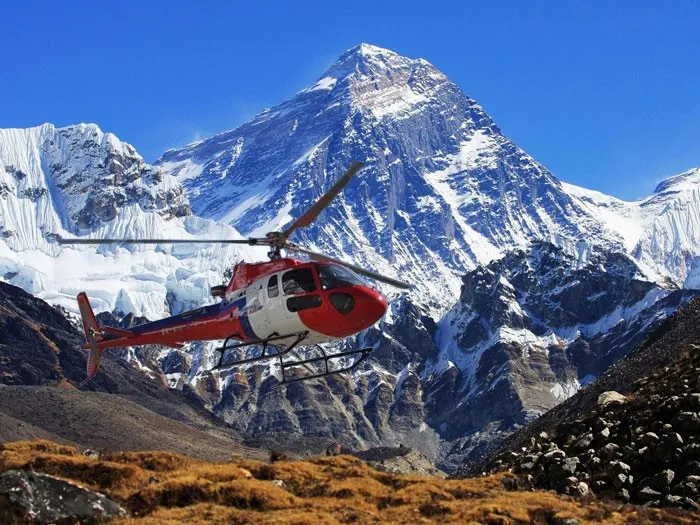
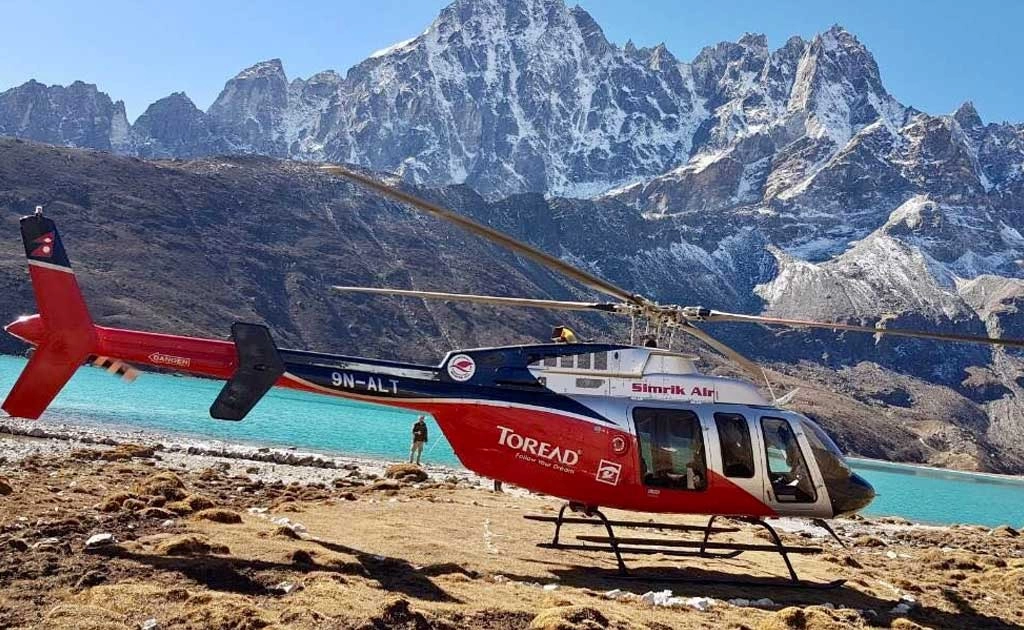
In addition to experiencing Nepal’s farming culture, agro-tourism in Nepal may be combined well with Nepal’s internationally renowned adventure tourism. Travelers can climb to the base camps of the world’s tallest mountains, like Everest or Annapurna, and have a side excursion to visit nearby villages in which farming life exists. The Himalayas offer some of the most lovely hikes in the world, and the very same ranges have villages where farming traditions remain largely unchanged. For travelers seeking an immersive experience, it’s the perfect combination of nature and culture.
With Nepal becoming more sustainable in agriculture, agro-tourism is an alternative and eco-friendly way of tourism that earns revenue for the local economy and promotes ethical travel. Through farm stays, purchasing local fruits and vegetables, and learning farming techniques, travelers guarantee the sustenance of rural Nepalis’ livelihood. Besides this, with more and more tourists coming to Nepal, agro-tourism is an extremely crucial means of reducing mass tourism reliance and upholding the country’s indigenous way of life. Agro-tourism can provide economic returns to rural society without altering the nature environment or culture methods for generations.
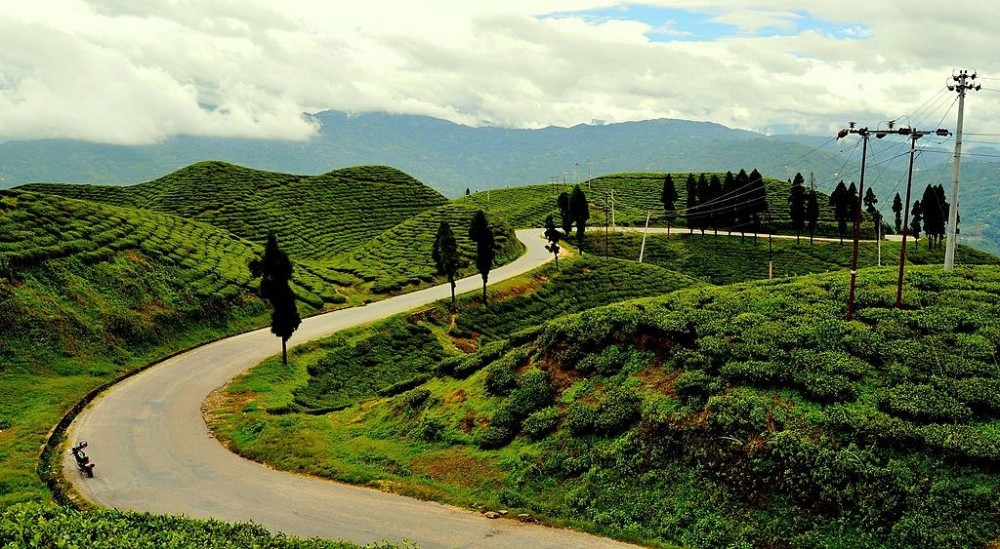
Nepal’s commitment to sustainable agriculture and eco-tourism is finally beginning to yield returns, and agro-tourism is merely one example of the ways in which the nation is combining its rich heritage with modern-day tourism. Whether one is exploring the stunning rice terraces of Ilām, visiting the fertile plains of Chitwan, or camping on a farm close to the Annapurna range, Nepal’s agro-tourist destinations provide visitors with an intimate, up-close look at the country’s core. And as you step into the world of Nepali agriculture, you’ll discover that the beauty of the country isn’t just reserved for its breathtaking peaks or adrenaline-fueled thrills, but in how very much it is a people bonded to the earth they till.
Most Famous Agro Tourism Destanation in Nepal
Nepal’s agro-tourism sector is as diverse as its landscape, with a rich mixture of agriculture, culture, and adventure on the country’s varied terrain. The country’s three broad regions—the Himal, Pahad, and Tarai—each have their own unique culture of farming that relies on tradition but is increasingly steered by sustainable development. These regions provide visitors with the firsthand experience, allowing them to come in contact with rural farming practices, view beautiful natural landscapes, and learn about Nepal’s diverse agricultural heritage. Nepal’s agro-tourism provides a chance for the visitor to not only view the beauty of the country but come in contact with local communities in meaningful ways.
Himal (Mountains): High-altitude Crops and Remote Villages
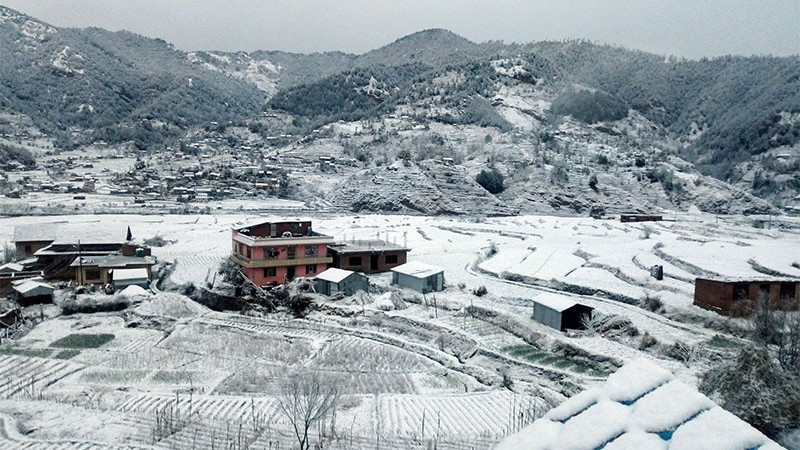
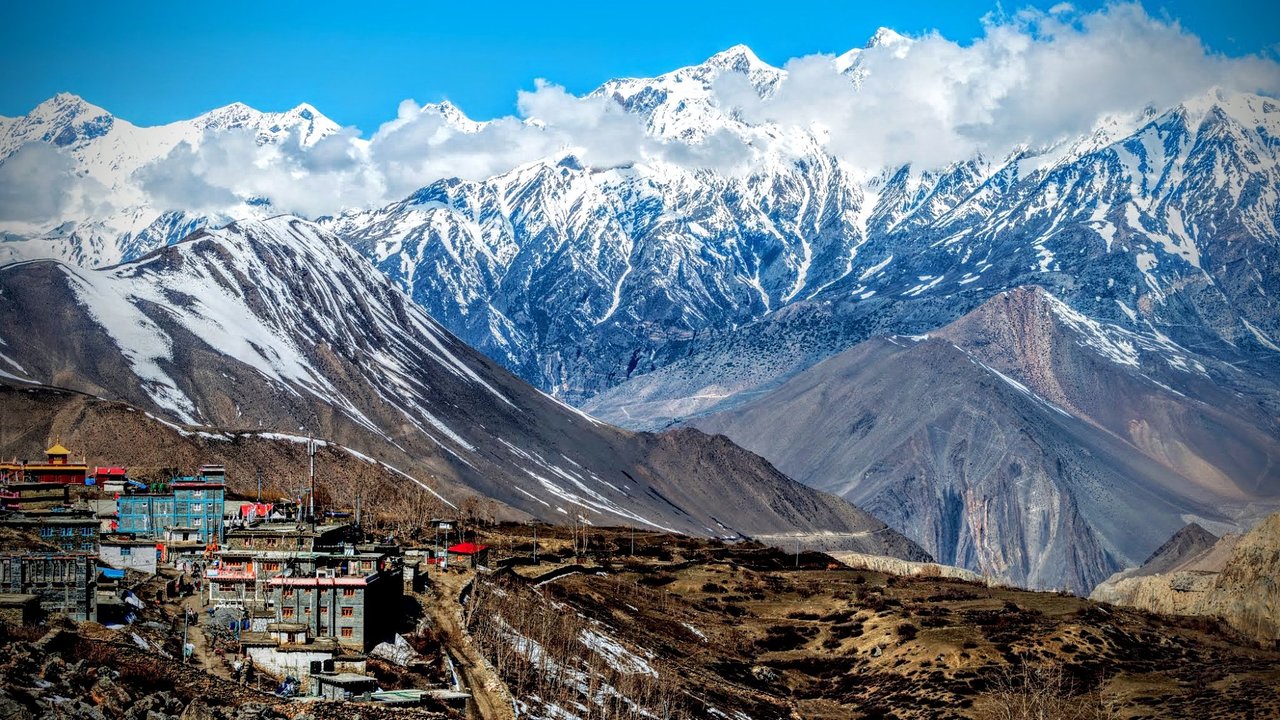
The Himalayas are the source of Nepal’s agro-tourism, their mountainous and harsh climates providing a unique geography for high-altitude farming. Despite the challenge, the people of the mountain regions have developed sustainable techniques of agriculture which have allowed them to cultivate in these rough conditions. The prime crops cultivated in the Himal include potatoes, wheat, barley, millet, and vegetables suitable for the cooler high-altitude conditions.
Destinations: Manang, Mustang, Solukhumbu
Manang: Situated in the Annapurna range, Manang is one of the leading agro-tourism destinations that offers the best of high-altitude farming together with trekking. Renowned for its best-quality potatoes, wheat, and barley, the region invites tourists to be a part of planting as well as harvesting. Agro-tourism tours typically involve staying with farm families, helping in planting and harvesting, and learning age-old farming methods transferred generation after generation. At the same time, travelers can trek the Annapurna Circuit, and thus it is a perfect destination for adventure seekers as well as culture hawks.
Mustang: Mustang in the rain-shadow of the Annapurna range possesses a unique set of agricultural practices due to its dry, barren weather. Dry farming is the practice used by the farmers here to grow crops like barley, wheat, millet, and potatoes. Tourists visiting Mustang can engage in harvest festivals such as Lhosar (Tibetan New Year), where farm rituals are performed to ensure bountiful harvests. This cultural interaction allows tourists to enjoy the farming culture and the unique Tibetan culture of the region.
Solukhumbu (Everest Region): The Solukhumbu district is renowned for its terraced agriculture systems, with crops like potatoes, wheat, and vegetables like carrots, radishes, and cabbage cultivated in it. Travelers can pair an Everest Base Camp trek with agro-tourism activities, enabling them to see the inventive agricultural methods used by Sherpas under difficult circumstances. Visiting organic farming workshops, visitors can learn how these mountain communities are able to sustain themselves in the adverse climatic conditions by keeping their farming techniques intact.
Pahad (Hills): Organic Agriculture and Terraced Farming
The Pahad area, which includes locations like Kathmandu Valley, Pokhara, Kaski, Nuwakot, and Bhaktapur, has some of the most stunning farm landscapes in the country. The rice fields carved into the hillside are a beautiful backdrop for the crops that grow here. The temperate climate of the region allows a variety of crops to be produced, including rice, wheat, and corn and vegetables like cauliflower, spinach, carrots, and radishes.
Destinations: Kathmandu, Lalitpur, Bhaktapur, Kaski, Nuwakot
Kathmandu Valley (Kathmandu, Lalitpur, Bhaktapur): The Kathmandu Valley is a cultural and historic center, but it is also the seat of a booming agro-tourism industry. Surrounding the valley, in cities such as Lalitpur, Bhaktapur, and Nawakot, tourists can participate in hands-on farming in the hillside fields, where cauliflower, tomatoes, radishes, and onions grow in profusion. These are regions with organic farming, focusing on sustainable agriculture and locally grown produce. Cultural tours, in addition to farm tours, provide tourists with a chance to stroll along the valley’s vast architectural legacy of temples, palaces, and UNESCO World Heritage Sites.
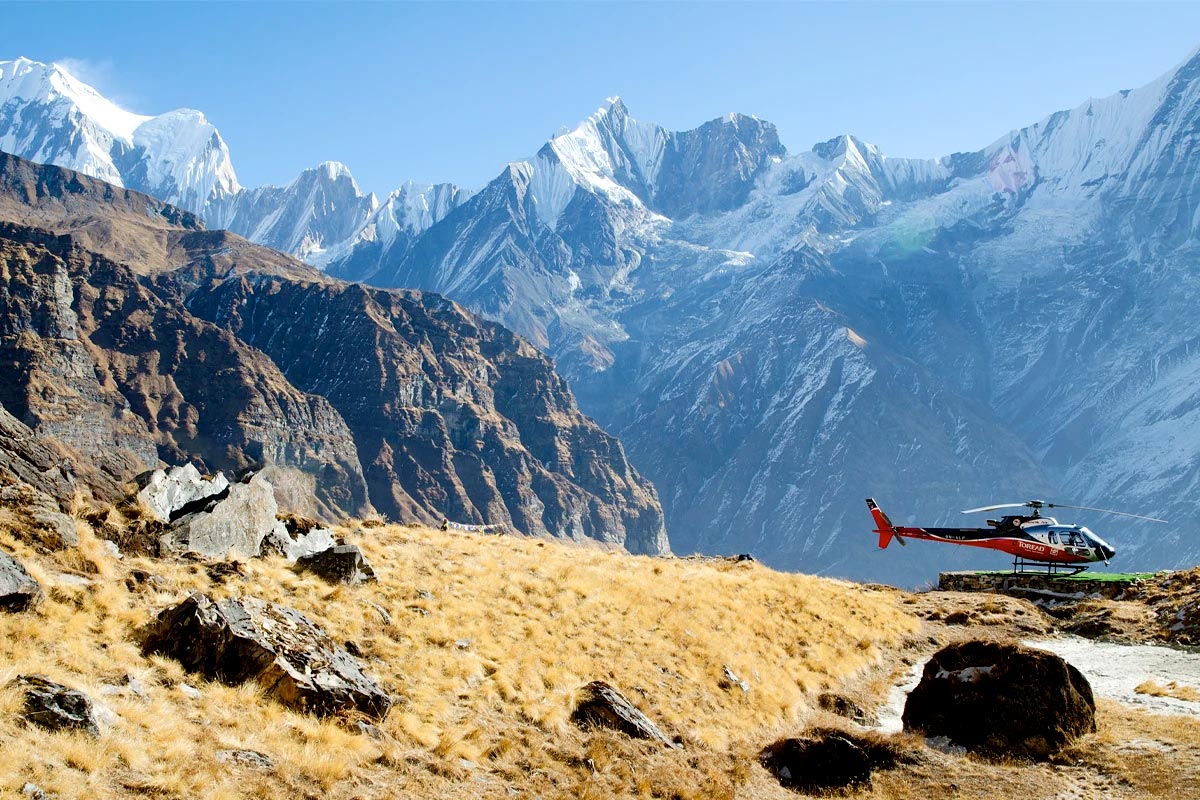
Pokhara and Kaski: Pokhara, being the adventure capital of Nepal, also features fertile agricultural land that surrounds the Kaski District. Farming crops such as tomatoes, carrots, and cauliflower is done here, making this a great place for agro-tourism. Tourists may engage in farm activities and afterwards visit the Annapurna area to trek, with Poonhill and Annapurna Base Camp being some of the treks available to allow tourists to experience the area’s natural scenery. Mardi Himal and Upper Mustang treks also offer thrilling adventure possibilities for those seeking to merge agro-tourism with mountaineering or trekking.
Nuwakot: Nuwakot offers a magnificent combination of agro-tourism and cultural exploration. The region is famous for paddy terracing as well as diversified crops such as fruits, vegetables, and grains. Nuwakot agro-tourism services allow individuals to be involved in farm activities, ranging from rice planting to vegetable harvesting. The region is also blessed with historical temples and palaces, and therefore it offers an ideal place for tourists who desire to explore the cultural diversity and agricultural practices of Nepal.
3. Tarai (Lowlands): Abundant Agricultural Produce and Fertile Plains
Tarai belt, located in Nepali southern lowlands, is the breadbasket of Nepal with fertile soil and conducive conditions for intensive farming. Most of Nepal’s staple crops such as rice, sugarcane, maize, and wheat, and many vegetables are all grown in the Tarai. Tarai offers a special agro-tourism product with lowland farmer culture and nearness to wildlife parks.
Destinations: Chitwan, Bardiya, Saptari
Chitwan: Famous for its unique combination of agro-tourism and wildlife tourism, Chitwan boasts fertile plains on which rice, maize, sugarcane, and vegetables are cultivated. Agro-tourism here involves farm tours, cooking shows in which tourists learn to prepare local meals, and direct involvement in local agriculture. Apart from this, Chitwan has the Chitwan National Park where tourists can enjoy thrilling safaris to see animals such as elephants, tigers, and rhinos. The Tharu culture present here is agricultural in nature, and tourists can witness the combination of traditional farming practices with vibrant festivals and rituals.
Bardiya: Bardiya is another agro-tourism destination in the Tarai area that offers a mix of farming and wildlife activities. Visitors get to see the fertile plains of approximately the Bardiya National Park, where rice, sugarcane, and vegetables are grown. Agro-tourism activities here include farm visits to villages, bird watching, and learning about sustainable agriculture practices. Bardiya’s combination of productive farm land and its proximity to Nepal’s largest wildlife reserve makes it an ideal destination for farm enthusiasts and nature lovers alike.
The role of Agrotourism in Nepal
Agro-tourism in Nepal is playing a pioneering role in the future of the agricultural sector and the tourism sector, with sustainability as the driving force behind it. As Nepal continues to develop its agro-tourism product, it presents a unique model that is beneficial to both the environment and rural communities, positioning itself as an integral part of Nepal’s future sustainability.
Preserving Traditional Farming Practices: Agro-tourism presents a chance to not just observe but take part in traditional farming practices handed down through generations. With activities such as rice planting, vegetable harvesting, and potato farming, tourists develop a greater appreciation for Nepal’s agricultural heritage. Agro-tourism aids in the preservation of ancient farming practices that are ever more threatened by modernity and urbanization pressures. Visitors taking part in these activities help preserve rural Nepali culture so that future generations continue to respect and adhere to farming as a way of life.
Promoting Sustainable Agriculture: As the world has to act in response to climate change concerns and exploitation of natural resources, sustainable agriculture has never been more relevant. Agro-tourism in Nepal promotes the creation of organic farms and crop rotation methods that save the environment. The majority of agro-tourism sites comprise farms that adopt environmental sustainability, such as the use of organic fertilizers and integrated pest management. Through exposure of foreign tourists to these environmentally friendly farming methods, Nepal not only creates awareness of green practices but also educates tourists on how farming can be done without inflicting damage on the environment. The awareness and knowledge exchange are important towards promoting sustainability at both local and international levels.
Supporting Local Economies: One of the greatest benefits of agro-tourism is that it has the potential to create alternative income sources for farmers, particularly in rural areas. Since more than 62% of Nepal’s population depends on agriculture, the traditional farming community has a tendency to experience economic uncertainty caused by volatile crop prices and lower access to markets. Agro-tourism provides them with a diversified income source, as tourists spend money on farm stays, guided tours, workshops, and authentic cultural experiences. This extra income helps to reduce rural poverty and encourages farmers to invest in their land, raising productivity and living standards.
Cultural Preservation and Local Identity: Agriculture is not just a means of survival in Nepal but is tied to the culture and daily life of the Nepali people. Agro-tourism helps preserve the local cultures of rural communities, where farming customs and agricultural festivals are integral to family and village life. Whether it’s joining in harvest celebrations, praying for fruitful harvests, or learning the cultural significance of certain crops, visitors get to be a part of Nepal’s prolific agricultural history. Not only does this make for a lasting connection with the country, but also for two-way respect for the values and customs of the people. Thereby, agro-tourism preserves the cultural identity of Nepal while allowing visitors to appreciate the diversity of its people and landscapes.
A More Meaningful Connection Between Travelers and the Land: Agro-tourism creates a strong, emotional bond between travelers and Nepal’s rural landscapes. As visitors engage with farmers, witness the harvest, or simply walk along the verdant rice terraces, they build a sense of place that typical touristy activity doesn’t provide. It allows visitors to understand the importance of agriculture as not merely a means of livelihood but as a cultural cornerstone. For travelers, it is a chance to discover farm life from within, understand local customs, and see the vast amount of effort that goes into producing food. This also equals more sustainable travel and greater appreciation of agricultural processes that feed both local people and the global food system.
Conclusion: agro-tourism is transforming Nepal’s attitude towards its agricultural sector. Through the promotion of the cultural importance of sustainable agricultural practices and agriculture, agro-tourism guarantees the country’s farming heritage is transferred to future generations. It also creates economic benefits to farmers, reduces rural poverty, and improves cultural exchange. For Nepal, agro-tourism is not a trend; it’s an essential part of developing a sustainable and self-sufficient tourism industry that is rewarding for everyone—local communities, farmers, and tourists.
Nepali Hospitality: Experience the Warmth and Tradition of Atithi Devo Bhava in Agro-Tourism
Nepal is famous for its hospitality and warmth, and the Atithi Devo Bhava—”The guest is God”—philosophy is at the heart of its society. It is a tradition so ingrained that it pervades every aspect of life, where the guest, be it friend or stranger, is welcomed with respect, love, and care. When you go on an agro-tourism excursion in Nepal, you are no longer just a guest—you are family.
In the countryside, the essence of Nepali hospitality is experienced. Whether it’s in a traditional homestay or on a farm visit, you will be welcomed warmly, and your visit is a celebration. The farmers extend their hospitality to welcome guests to their homes, offering a glimpse into the rural lifestyle, and the fruit of their toil. This experience brings closer interaction with the local culture, creating memories for a lifetime.
The best part of agro-tourism in Nepal is perhaps the chance to relish fresh and home-cooked Nepali food that showcases the richness of the nation. Imagine sitting with a Nepali family where the table is laden with dal bhat (lentil soup with rice), momos (dumplings), selroti (fried rice doughnuts), tibetan bread, and fapar roti (buckwheat pancake). These home-made dishes, made from ingredients freshly picked from the fields surrounding you, offer an archetypally Nepali flavor experience.
Each meal is a testament to the value of farming in Nepalese culture. The food isn’t just healthy—it’s a celebration of the land, the community, and the season. By virtue of this, agro-tourism doesn’t just allow you to experience Nepalese hospitality—it connects you with the soul of Nepal’s farm culture and traditions, for an unconventional, personalized experience unlike any touristic adventure.
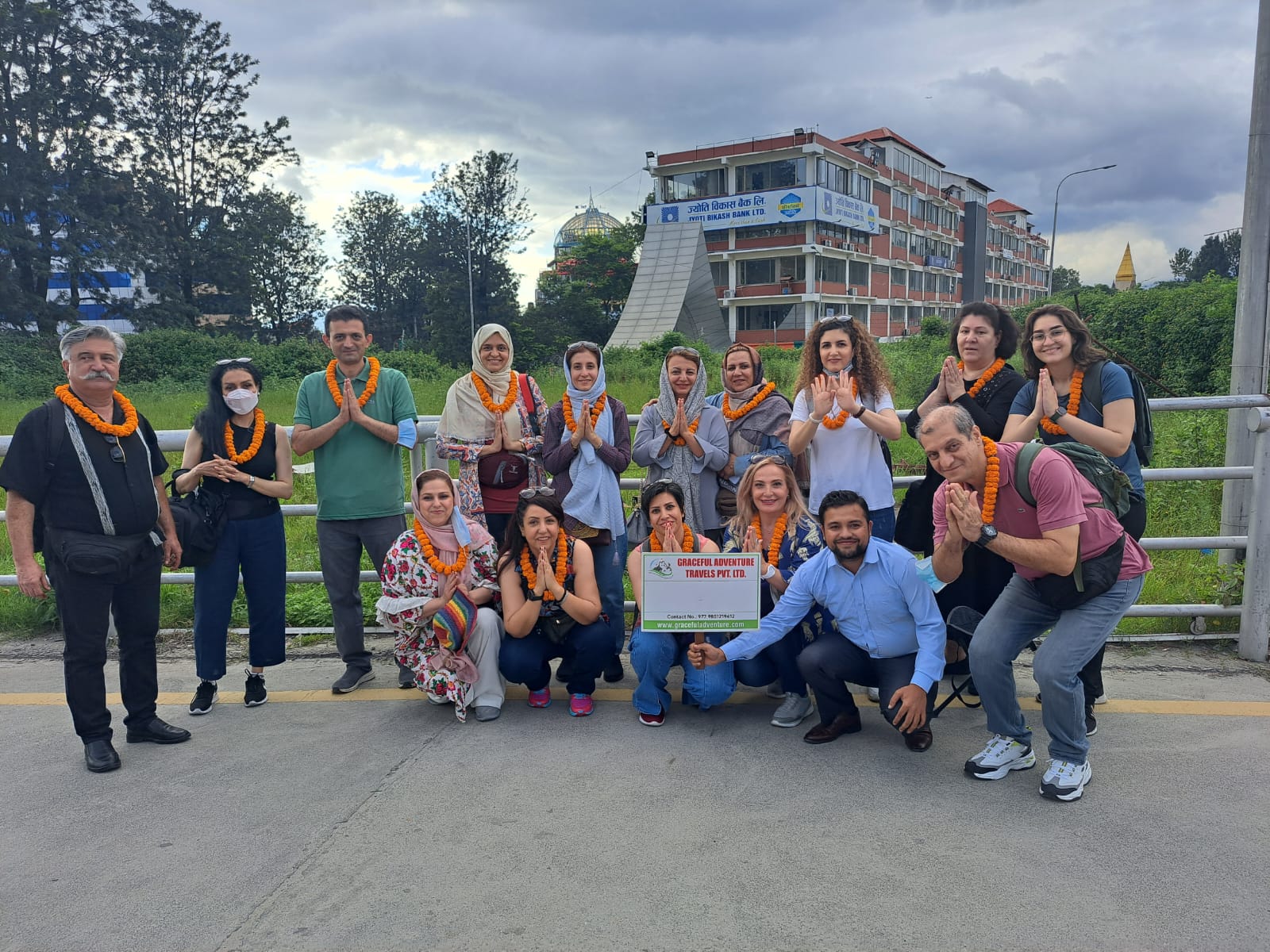
Agrotourism Tour orginize with Graceful Adventure Travel
Graceful Adventure Travel offers exciting tour, trekking and climbing packages including agrotourism like Annapurna Base Camp trek, Everest base camp, Poon hill, and Upper Mustang. Trekking through some of the most beautiful landscapes on the planet, you’ll have the chance to engage in hands-on farm experiences like in Manang, Pokhara, and Kathmandu Valley. In Manang, trek to high-altitude farms, helping the locals with potato harvesting or learning local farming methods. In Kathmandu Valley and Pokhara, rice terracing field farm tours can be experienced where you will get to encounter the farmers and enjoy farm-to-table food right from the earth. These are not so much about trekking in rural Nepal’s everyday life but infused with cultural and adventurous flair.
Aside from hiking and climbing, Graceful Adventure Travel also brings you on an agronomic and cultural journey in the middle of the Tarai region and the stunning Himalayas. You are able to be involved in the colorful Nepalese festivals like Tihar and Dashain, which are observed at agricultural milestones, that provide you with a rich experience of culture. You may be trekking in the Everest region and learning about Sherpas’ farming on high-altitude ground or trekking through Chitwan’s fertile plains to see local farms, but Graceful Adventure Travel enables you to see how culture, nature, and farming mix. The mountaineering, trekking, and agri-tourism blended in Nepal make it the ideal holiday destination for adventure lovers, culture seekers, and nature enthusiasts alike. Are you prepared to embark on a memorable trip? Welcome to the land of the Himalayas!
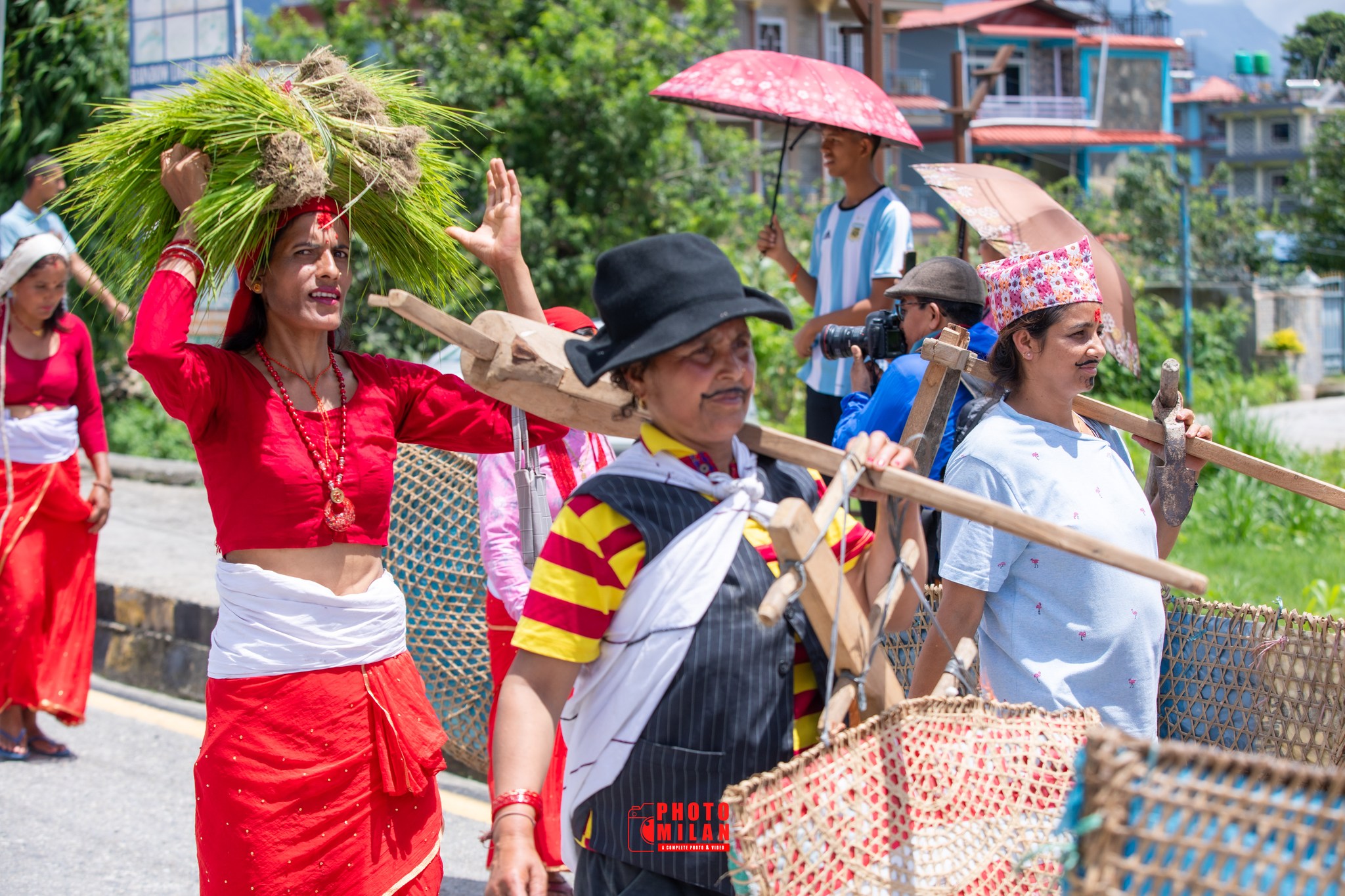
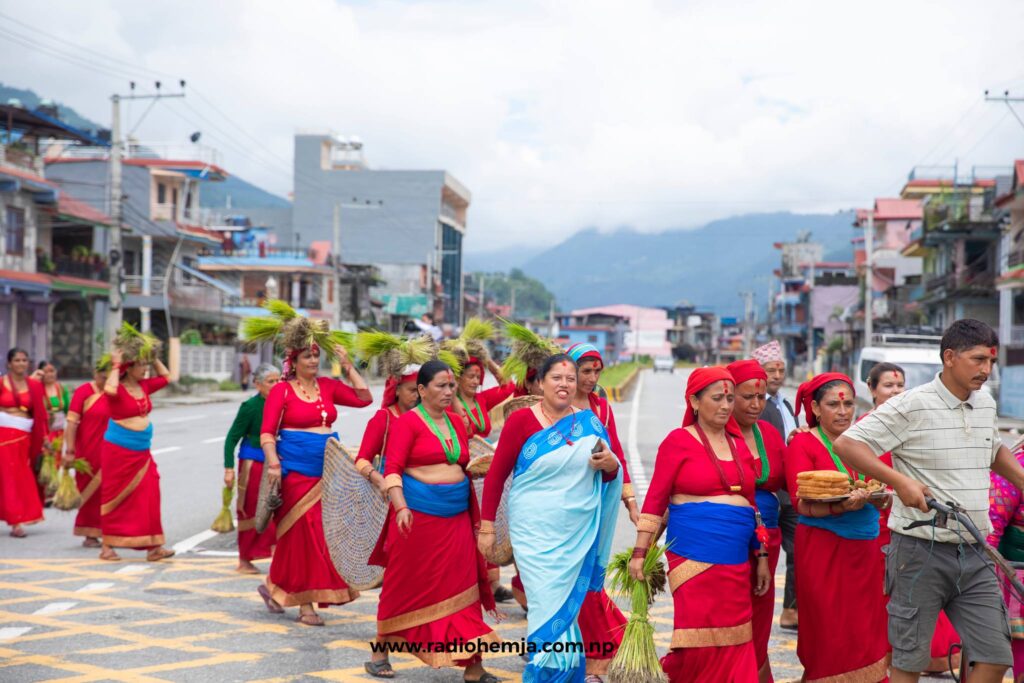 One of the most unique and native farm festivals in Nepal is the Ropai Festival, which is held on Asar 15. It is observed on the 15th of the Nepali month of Asar, mid-to-late June each year, marking the onset of the rice planting season. In 2005, the Government of Nepal officially declared Asar 15 as National Paddy Day to acknowledge the importance of paddy cultivation as a part of Nepal’s economy, culture, and food basket. Rice is Nepal’s staple food and an important means of livelihood, and this day is the starting point of the most important paddy season for millions of farmers across the nation.
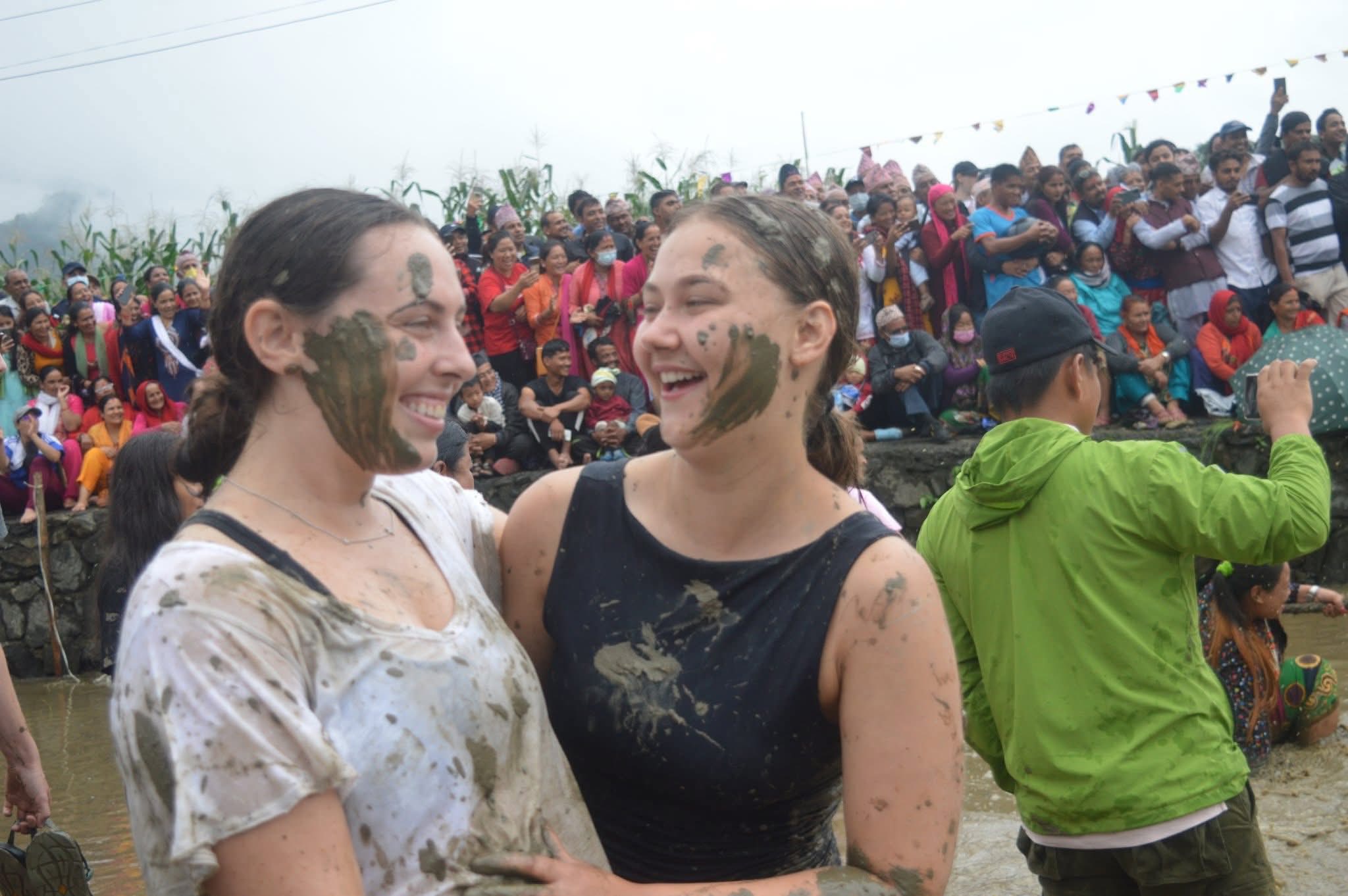
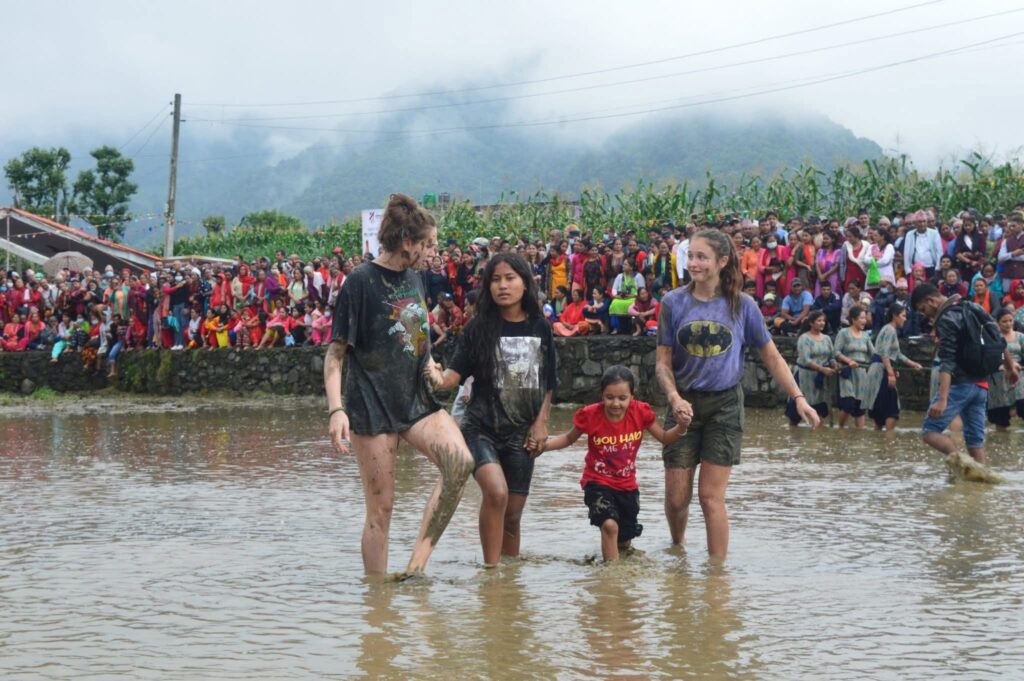 Ropai Festival, otherwise known as Muddy Festival, is being celebrated with happiness and communal spirit in rice-farming regions in Nepal. The farmers open up the fields on this day by tilling the grounds and irrigating the fields. As the earth is turned into mud, villagers gather in large numbers to relocate green rice saplings into the fields singing Asare Bhaka—feelings songs that are traditional to agriculture, rain, and rural life. The festive atmosphere turns a task-oriented job into a merry and social outing that brings together the populace with one aim.
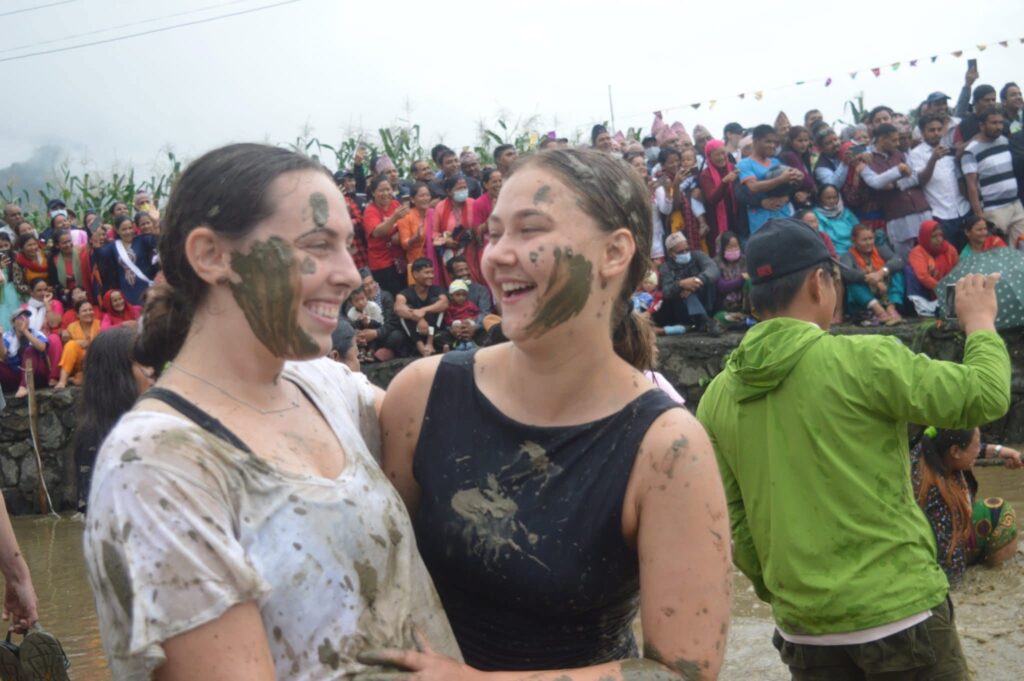 In recent years, the Ropai Festival has diversified from its agricultural roots to a core part of rural and cultural tourism in Nepal. As the demand for authentic travel grows, Asar 15 now entertains domestic and international tourists who desire to learn about traditional farming life. Villages in