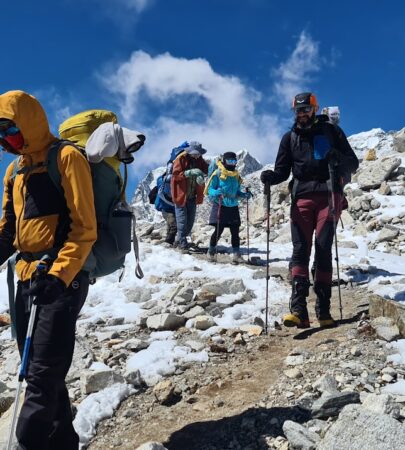
Nepal is one of the world’s premier trekking destinations, with its high mountains, deep valleys, and scenic trails drawing hikers from everywhere giving legendary treks like Everest Base Camp & Annapurna Base Camp. But if you are going to trek here, you will likely face one main question: Everest Base Camp or Annapurna Base Camp? Both offer amazing views and experiences, but both are indeed famous treks that are very different from each other. Choosing the right trek depends on your fitness, time, budget, and what kind of adventure you’re looking for.
Everest Base Camp is the more challenging trek. The trail leads to the base of the highest mountain in the world: Mount Everest, 8,848 m above sea level. Following the trail, you will pass a number of villages, including Sherpa villages like Namche Bazaar and Tengboche; see Buddhist monasteries; and experience Sherpa culture. The trek normally takes 12–14 days with a maximum altitude of 5,364 m and requires careful acclimatization. Weather can be cold and unpredictable. This trek suits those who seek high altitude, as well as iconic Himalayan views.
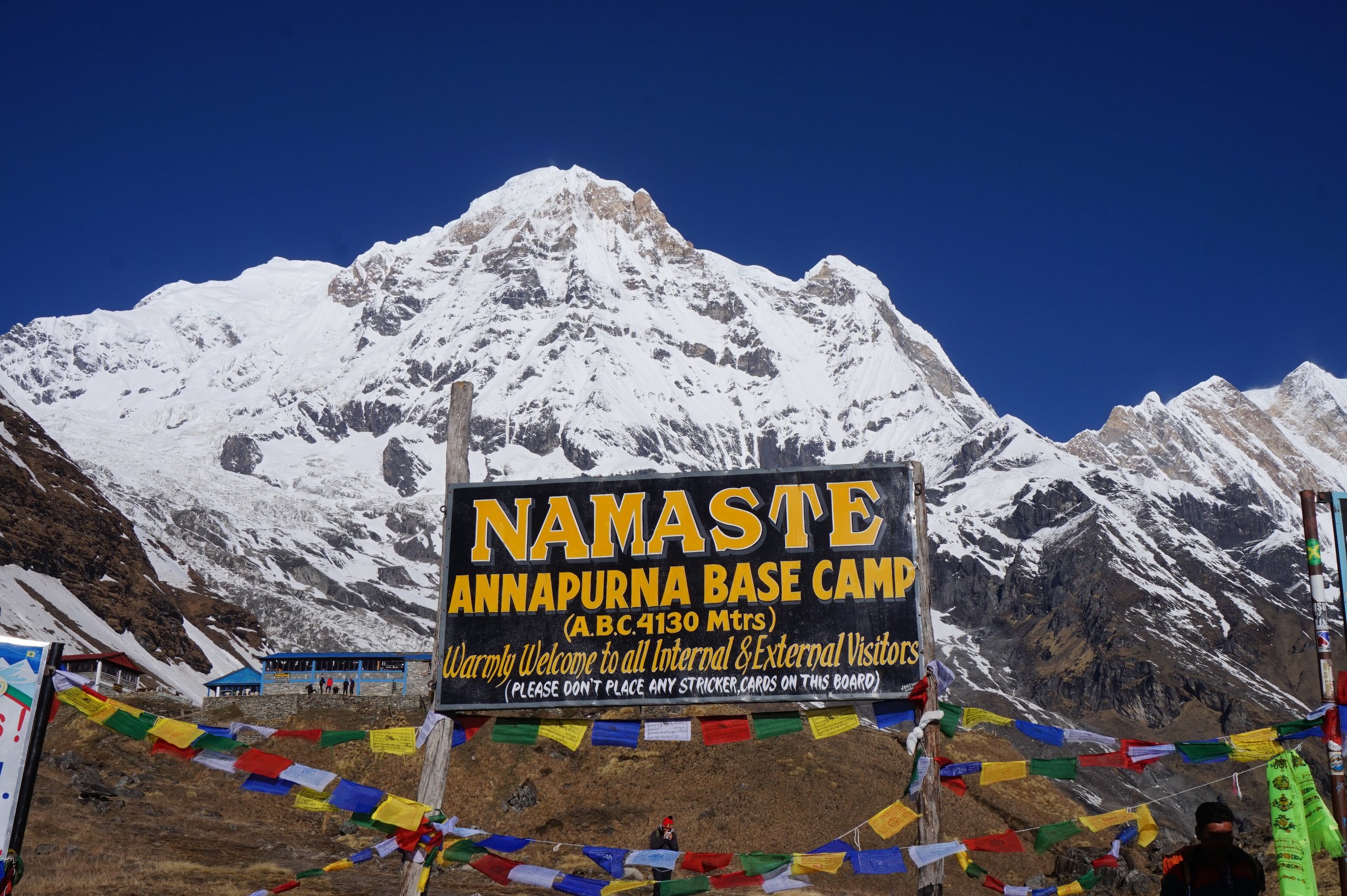
ABC is slightly easier. The trail winds its way through rhododendron forests, farmland, rivers, and Gurung villages. The views of Annapurna-8,091 m, Machapuchare-6,993 m, and surrounding peaks are stunningly beautiful. The trek usually takes 7-10 days, reaches a maximum altitude of 4,130 m, and is softer on first-time trekkers. ABC is specifically ideal for people who need a mix of nature, culture, and moderate trekking difficulty.
Other factors include the season, cost, and time. Both treks are good during spring: March–May and autumn: September–November. Normally, EBC is more costly because of the high permit fee and it takes longer to travel there. ABC can be done on a smaller budget in less time.
In this guide, we will compare EBC and ABC based on difficulty, culture, accommodation, seasons, and travel time. By the end, you will have all the facts to choose which trek suits you best.
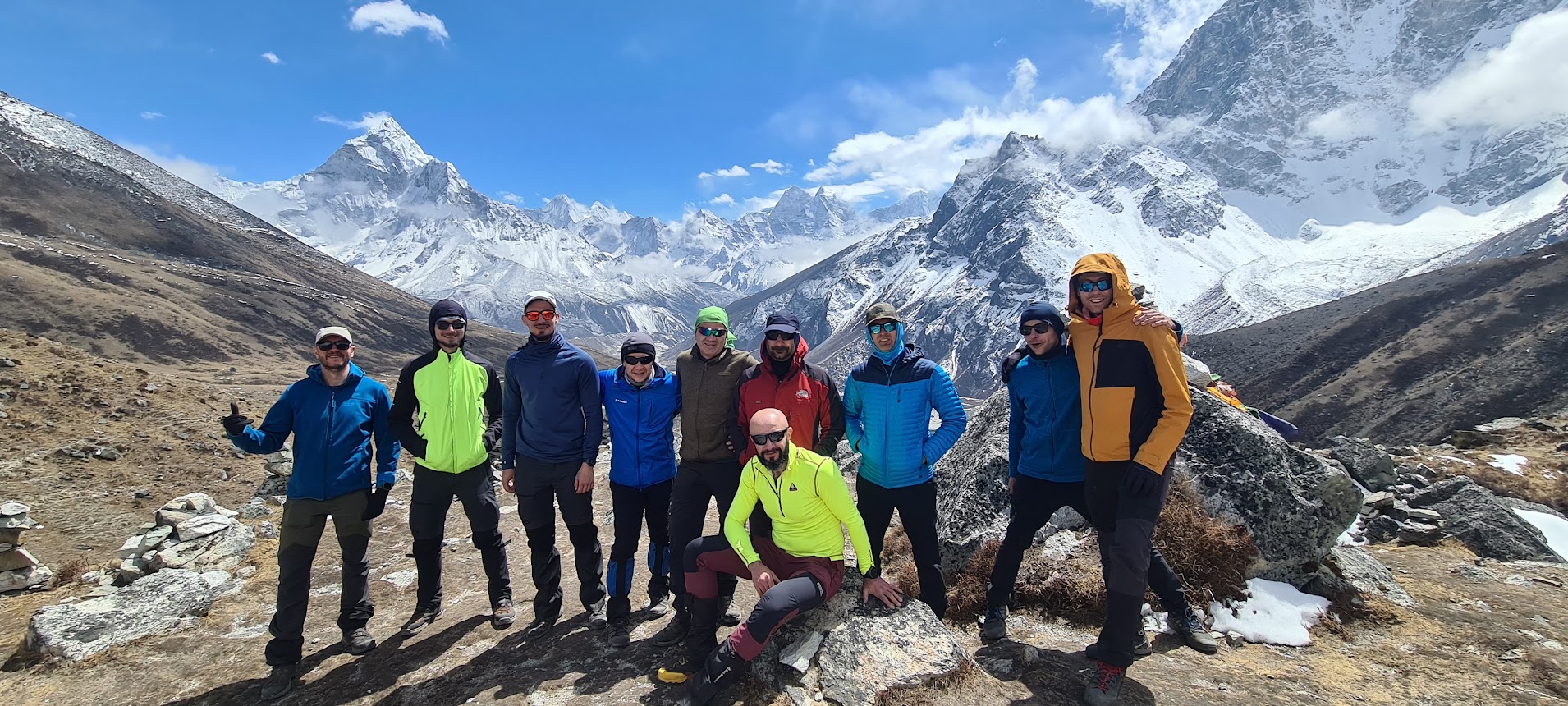
Quick Comparison: EBC vs ABC
A comparison of the key facts will make a choice between Everest Base Camp and Annapurna Base Camp easier. Even though both are popular Himalayan treks, there are many differences between them regarding distance, altitude, grade of difficulty, culture, and cost.
1. Distance & Duration
- EBC: Approximately 130 km round trip; 12-14 days of trekking time from Lukla to Everest Base Camp and back.
- ABC: Approximately 70–80 km round trip. It takes 7–10 days from Nayapul to Annapurna Base Camp and back.
2. Maximum Altitude
- EBC: 5,364 m at the Everest Base Camp; increased risk of altitude sickness.
- ABC: 4,130m at Annapurna Base Camp. Safer for first-time trekkers.
3. Difficulty Level
- EBC: Moderate to difficult. Long days of trekking, steep ascents and high altitude; proper acclimatization is necessary.
- ABC: Moderate, less extreme altitude, and shorter days of trekking. Suitable for average fitness trekkers.
4. Landscape
- EBC: High mountains, glaciers, and rocky landscapes. The views also include Everest 8,848 m, Lhotse 8,516 m, and Nuptse 7,861 m.
- ABC: Diverse Landscapes from Forests, Rivers, Waterfalls, and Farms to Panoramic Views of Mountains: It boasts peaks like Annapurna I (8,091 m) and Machapuchare (6,993 m).
5. Culture & Villages
- EBC: Sherpa villages, Buddhist monasteries, prayer flags, and a strong mountaineering culture.
- ABC: Gurung villages, terraced farmland, and more interaction with local communities.
6. Cost & Permits
- EBC: More expensive because of Sagarmatha National Park permit, approximately 30 dollars; longer duration and less budget accommodation options.
- ABC: It’s cheaper: ~$30 for the ACAP and ~$20 for a TIMS card.
Summary:
EBC: This is considered the trek for high-altitude adventure, iconic peaks, and challenging journeys. ABC: Suitable for trekkers who want a shorter but moderately demanding trek with a mix of scenery and culture.
Trek Difficulty: EBC vs. ABC
Of the two options, EBC versus ABC, the consideration of difficulty is the first. Both can be completed by a healthy and fit individual; however, the degree of challenge and the conditions vary immensely.
Everest Base Camp, or EBC, should be considered as moderate to difficult. Actually, it starts from Lukla, which is 2,860 m, going up gradually via villages such as Namche Bazaar at 3,440 m, Tengboche at 3,860 m, and Dingboche at 4,410 m to the base camp, which is 5,364 m. The trail includes long trekking days of 5 to 8 hours, steep climbs, and rocky-uneven paths. At higher altitudes, the level of oxygen is low, hence increasing the risk of altitude sickness, especially above 4,000 meters.
The weather can also reach extreme conditions, with temperatures as low as -15°C during spring and autumn at high altitudes. Proper acclimatization is a must; thus, most trekkers prefer to include rest days in Namche Bazaar or Dingboche for this purpose. EBC is best suited for trekkers who maintain good fitness and have experience in high-altitude trekking.
Annapurna Base Camp is moderate and generally more accessible to novice trekkers. ABC starts from 1,070-meter-high Nayapul, moving through villages lying 1,940 meters above sea level like Ghandruk, and Chhomrong at 2,170 meters to reach the base camp at an altitude of 4,130 meters. Daily trekking is usually 4–6 hours; steep climbs are relatively few compared with the case of EBC. There is less risk of altitude sickness because the height is lower, and hence it is suitable for trekkers with average fitness. Well-marked trails lead through diverse landscapes-such as forests, rivers, and farmland-that enable easy pacing with regular stops.
Key Takeaways:
- EBC: Longer, higher, more physically demanding; requires good fitness and careful acclimatization.
- ABC: Shorter, lower, and of moderate difficulty-for most trekkers and first timers.
It all depends upon your level of fitness, experience of trekking, and how well your body tolerates altitude. EBC can be trekked for an ultimate high-altitude challenge, while ABC combines a more moderate trek with breathtaking scenery and great cultural experiences.
Best Season to Trek: EBC vs ABC
The season is one of the most important choices for a safe and enjoyable trek in Nepal. Both Everest Base Camp and Annapurna Base Camp have an ideal time of year when weather, trail conditions, and visibility are at their best.
Spring-March to May
- EBC:Days are warmer and the skies are generally clear. The temperature fluctuates from 5°-15°C at the lower villages. At higher altitudes, snow has started to melt and trails are safer to travel. Rhododendrons are in bloom painting the landscape in colorful reds and purples. Nights can still be very cold ranging from -10° to -15°C at higher altitudes.
- ABC: Spring is also an excellent time to be on ABC. The temperatures are mild, 10–20°C at the lower altitudes, with clear views of Annapurna and Machapuchare. The trails in the forests and along farmland are pleasant and mostly snow-free.
Autumn: September to November
- EBC: The most popular season. Stable weather, clear skies, and excellent mountain visibility. Temperatures are slightly cooler than spring but comfortable for trekking. Ideal for photography.
- ABC: Autumn is an ideal time for ABC, too. Trails are dry, and mountain scenery is at its crisp best. Temperatures in autumn are moderate, comfortable for trekking.
Summer/Monsoon (June to August)
- EBC & ABC: Monsoon brings heavy rainfall, slippery trails, and frequent landslides. Flight cancellations to Lukla-EBC or road disruptions to ABC trailheads are highly possible. Not recommended.
Winter (December to February)
- EBC: There is snow on the trails and temperatures below -20°C at altitude. Only experienced trekkers, properly equipped should attempt.
- ABC: Lower in altitude than EBC, thus more manageably attainable; however, snow and cold might be challenging. Trails may be icy.
Clear views, safer trails, and a superior trekking experience are further ensured by choosing the right season. Whether it is the iconic peaks of EBC or the diverse landscapes of ABC, most trekkers prefer spring and autumn.
Accommodation & Food: EBC vs. ABC
Accommodations and food during any kind of trek in Nepal are mainly provided by teahouses and lodges. Both EBC and ABC have basic, low-budget options, but there is some difference in comfort, availability, and variety of food.
Everest Base Camp (EBC):
- Accommodation: EBC teahouses usually offer basic rooms that share bathrooms with thin mattresses and blankets. Facilities become much more basic and limited at higher altitudes above Dingboche and Gorak Shep; one should expect either cold showers or no showers at all. Many lodges have private rooms, though these usually cost more.
- Food: There is not much to eat at the higher altitude points. Famous dishes include dal bhat, noodles, pasta, soups, and momo. Prices go up with altitude, and meals that might go for $3-5 in the lower villages go up to about $7-10 at higher stops. Hot drinks, like tea or coffee, are available but a bit pricey.
Tips: If traveling in the peak season, spring, and autumn, it’s advised to book your accommodation in villages like Namche Bazaar and Tengboche in advance because teahouses tend to fill up.
Annapurna Base Camp (ABC)
- Accommodation: Teahouses are more frequent and comfortable along the ABC trail. Most of the villages, including Ghandruk and Chhomrong, have well-maintained lodges with private rooms available at moderate prices. Facilities are slightly superior compared to the EBC trail because of lower altitude.
- Food: The ABC trail offers a wider variety of meals: local Nepalese dishes, continental food and some bakery items in popular villages. Prices are lower than EBC: usually $2–5 for a meal. Hot drinks are easily available.
Tips: Though lodges are common, yet it is advisable to book rooms in advance during the seasons of spring and autumn.
Overall Comparison:
- EBC: Fewer teahouses at high altitude, very basic facilities. Food and accommodation expensive in particular above 4,000 m.
- ABC: More frequent lodges, better comfort, lower costs, and more food variety. In other words, if comfort and easier access to food is your top priority, then ABC is somewhat better; on the other hand, EBC offers a rugged, high-altitude trekking experience with basic facilities matching the challenge of the trail.
Duration & Itinerary: EBC vs. ABC
When you’re planning your Himalayan trek, think about how much time you’ve actually got. Everest Base Camp (EBC) and Annapurna Base Camp (ABC) aren’t just different in scenery—they’re worlds apart in length, altitude, and how many hours you’ll be on your feet each day.
Everest Base Camp (EBC):
Most people start at Lukla and spend about 12 to 14 days getting to EBC and back. Some stretch it out to 15 or 16 days if they want to acclimatize a bit more or add side trips.
Day to day, expect to hike anywhere from 5 to 8 hours. The first few days are easier, but as you climb higher, the trails get steeper and rockier.
Here’s a quick look at what you’re in for:
- Lukla to Phakding: You’ll ease into things—just 3 or 4 hours.
- Phakding to Namche Bazaar: A steady climb, takes 5 or 6 hours.
- Namche Bazaar to Tengboche: About 5 or 6 hours, including time to adjust to the altitude.
- Tengboche to Dingboche: Gradual ascent, another 5 or 6 hours.
- Dingboche to Lobuche: You’re really gaining altitude here; plan for 5 or 6 hours.
- Lobuche to Gorak Shep & EBC: This is the big one—6 to 8 hours, your longest day.
- Heading back to Lukla: You’ll move faster going downhill.
Annapurna Base Camp (ABC):
- ABC is a bit more laid-back. You can finish it in about 7 to 10 days, starting and ending at Nayapul.
- You’ll hike 4 to 6 hours most days. The trail winds through forests, fields, and villages, and the climbs are much more manageable.
The typical route looks like this:
- Nayapul to Tikhedhunga or Ghorepani: Moderate, 4 to 5 hours.
- Ghorepani to Tadapani: Another 4 or 5 hours along forest trails.
- Tadapani to Chhomrong: You’ll go down, then up—plan for 4 to 5 hours.
- Chhomrong to ABC (via Bamboo & Deurali): A steady climb right up to base camp, 5 or 6 hours.
- Back to Nayapul: Downhill, 4 to 6 hours.
What’s the bottom line?
- EBC is a long trek at high altitude, with extra days for acclimatization. It’s best for experienced trekkers or anyone chasing a high-altitude adventure.
- ABC is shorter, at a lower altitude, and just feels easier overall. It’s a great pick for first-timers or people who don’t have weeks to spare.
So, if you want a big challenge with serious elevation, go for EBC. If you’d rather see changing landscapes and local culture on a more relaxed schedule, ABC won’t let you down.
Final Thoughts & Which Trek Suits You
Your choice between EBC and ABC all depends on your fitness level, time, experience, and what you are looking for in an adventure. While both provide lifelong memories of the breathtaking scenery and culture, there definitely is a difference in pace, altitude, and challenge that the Himalayas pose.
Everest Base Camp (EBC)
- Best for Experienced trekkers seeking high altitude adventure and iconic mountain views.
- Difficulties: Long trek-12-14 days, higher altitude-up to 5,364 m, steep climb, and threats of altitude sickness. Highlights include Everest, Lhotse, Nuptse, Sherpa villages, Buddhist monasteries, and glaciers.
Annapurna Base Camp or ABC
This is suitable for first-time trekkers, moderately leveled hikers, or those with limited time.
- Challenges: Shorter trek from 7-10 days, moderate altitude up to 4,130 m – fewer steep climbs.
- Highlights: Annapurna I, Machapuchare (Fishtail), forests, rivers, farmland, and Gurung villages.
Key Points to Decide:
- Time Available: EBC takes approximately about twice as much time in relation to ABC.
- Fitness & Altitude: The EBC is ideal if one is comfortable with high-altitude trekking, while ABC is easy and safe with only moderate fitness required.
While EBC offers dramatic high mountains and Sherpa culture, ABC offers diversified landscapes and rich local village experiences.
Budget: EBC tends to cost more due to longer time requirements and the higher cost of accommodations. ABC is cheaper.
Conclusion:
Come for the ultimate high-altitude challenge and the thrill of standing at the foot of the world’s highest peak at EBC. The ABC is a more moderate, somewhat shorter trek with varied landscapes, some unique cultural immersion, and easier logistics. Both treks are unforgettable. Which to choose is a matter of how much of a challenge you want, the time you have, and what kind of Himalayan experience you’re looking to have.
Contact Details for Everest Base Camp & Annapurna Base Camp Booking
| Particular | Details |
| Booking office | Graceful Adventure Travel |
| Phone Number | +977-9851219412, 014700180/81 |
| Office Location | Sorhakhutte, Kathmandu, Nepal |
| [email protected]/ [email protected] |