Registration No.:
137081/072/073


Visa Information

Need Help? WhatsApp
+9779856019412
Information for Tourist Visa in Nepal
Nepal visa information is required for almost everyone traveling to Nepal with the exception of Indians, who are exempt. Visitors from most countries can readily acquire a Visa on Arrival at Tribhuvan International Airport or at some land border crossing points. Citizens of certain countries must obtain their visa before arriving in Nepal by going to a Nepalese embassy.
Key points:
- Indian citizens do not need Nepal visa.
- Visa on Arrival is available to everyone except the majority of nations at airports and border crossings.
- Afghan, Cameroonian, Eswatini, Ethiopian, Ghanaian, Iraqi, Liberian, Nigerian, Palestinian, Somali, Syrian, and Zimbabwean citizens need visas before arrival.
Types of Nepal Visas
Nepal offers various types of visas depending on the reason for the visit. The majority enter on a tourist visa initially and subsequently have it converted as required. Tourist, businessman, worker, student, relatives, members of the press, transit visitors, and pensioners or permanent residents are a few of the categories.
Main categories are:
- Tourist Visa: For traveling for sightseeing, trekking, visiting places.
- Business Visa: For business and investment purposes.
- Work Visa: For employment in Nepal (applied while resident).
- Student Visa: International students coming to study in Nepal.
- Relationship Visa: For Nepalese nationals abroad who have family members with them.
- Transit Visa: For short-term visits of less than 24 hours.
- Press Visa: For reporters.
- Resident Visa: For long-staying residents or pensioners.
Nepal Tourist Visa
Tourist Visa is the most common and widely used visa to travel to Nepal. Everyone, whether for tourism, employment, or studies, first obtains this visa on arrival. It is an all-purpose visa that can further be changed to other categories like work visas or student visas within Nepal. Tourist visas are easy to get and are issued upon arrival at airports or land borders.
Tourist visa fee options:
- 15 days: $30
- 30 days: $50
- 90 days: $125
Tourist Visa vs Visa on Arrival
The terms “Tourist Visa” and “Visa on Arrival” get used in a comparable fashion but describe two slightly different things. The Tourist Visa is the type of visa you get, which is a visa for tourism. Visa on Arrival is the way you receive this tourist visa when you arrive in Nepal, rather than getting it before then.
Tourist Visa = visa type (for travel in tourism).
Visa on Arrival = method of acquiring the tourist visa on arrival.
All use Visa on Arrival because it is convenient and easy.
Visa on Arrival Process
It is simple to obtain a Nepal visa on arrival. As you arrive at Kathmandu’s Tribhuvan International Airport or other specified land border, you fill in the visa application form, pay the visa fee, and receive your visa stamp. It is convenient to prefill the form online or counters.
Steps:
- Fill in visa application (online or kiosk).
- Pay visa fee according to length of stay (15/30/90 days).
- Produce passport and documents at the immigration counter.
- Ensure passport validity for a period of at least 6 months.
- Nepal Visa Documents Required
For a Visa on Arrival, you won’t need much document—you only require your valid passport and the tourist visa fee. But if you may later convert the visa type (to work, study, etc.), you will require additional documents such as invitation letters, recommendation letters, or relationship proof.
Documents checklist:
- Valid passport with 6 months’ validity.
- One passport photo (optional).
- Visa fee in US dollars (cash is preferable).
- For visa changes later: offer letters, recommendations, family proofs, etc.
Visa Fees for Nepal
Nepal’s visa fees vary depending on the length of your intended stay. The longer the stay, the higher the fee. Fees are paid in US dollars at the immigration desk upon arrival.
Fees:
- 15 days: $30
- 30 days: $50
- 90 days: $125
Extension fees:
- $45 for first 15 days extension
- $3 per day after that
Extending Your Visa in Nepal
If you wish to stay longer than your visa validity, you can apply for an extension at Department of Immigration offices in Pokhara or Kathmandu. You would need to apply before your current visa expiry, bring your passport, and pay the fee for the extension. Nepal allows multiple extensions to a total duration of 150 days in any calendar year.
Extension process:
- Apply before visa expiration at immigration office.
- Hand over passport.
- Extension fees: $45 for 15 days, then $3 for each extra day.
- Maximum duration allowed: 150 days per year.
Nepal Entry Points
Nepal is accessible by several official ports of entry, including international airports and land border posts. The main airport is Tribhuvan International Airport, the major port of entry for most international flights in Kathmandu. Besides the airport, Nepal shares a land border with India and China, and there are several official border points through which the visitors can come and obtain their Visa on Arrival. These ports are made accessible to issue visas and immigration formalities to the traveler’s arriving by land.
Common points of entry:
- Tribhuvan International Airport (Kathmandu) — main international airport.
- Land borders with India (e.g., Kakarbhitta, Birgunj, Nepalgunj, Bhairahawa).
- Land border crossings with China/Tibet (e.g., Kodari and Rasuwagadhi).
- Visa on Arrival is provided at these locations except some minor or limited crossings.
Special Cases of Nepal Tourist Visa
There are some important special cases for the situation of the Nepal tourist visa. For example, Indian citizens do not need any visa at all to visit Nepal — they can come and go freely without the limitations of a visa. In addition, children under 10 years old can visit Nepal without a visa fee, which makes visiting easier for families traveling with small children. These special provisions facilitate travel for such groups.
Other special cases will involve exemptions or unique rules by nationality, age, or visit purpose. Nepal also provides some leeway with visa conversions or extensions depending on your circumstances.
Special key cases:
- Indian passport holders are not required to have a visa to visit Nepal.
- Visa charges are exempt for children under 10 years of age.
- Some nationalities need to obtain visas prior to arrival (Afghanistan, Nigeria).
- Tourist visas can be renewed or altered in Nepal if required.
- Additional permits may be required for excursions into restricted zones.

Information for Tourist Visa in Bhutan
Almost all foreign nationals require a visa to enter Bhutan, except for citizens of India, Bangladesh, and the Maldives. Tourists from other countries must apply for a visa in advance through Graceful Adventure Travel. Bhutan does not offer a Visa on Arrival service for most countries.
Key points:
- Indian, Bangladeshi, and Maldivian citizens do not require a visa but need a permit.
- All other nationals must obtain a visa before arrival via Graceful Adventure Travel.
- Independent travel is not allowed, tourists can book with Graceful Adventure Travel.
Types of Bhutan Visas
Bhutan issues different kinds of visas or permits based on the traveler’s purpose. The most common visa is the Tourist Visa, arranged through a tour operator. Other types include Business, Student, and Official/Diplomatic visas. Citizens of India, Bangladesh, and Maldives receive entry permits instead of visas.
Main visa types include:
- Tourist Visa: For sightseeing, trekking, and cultural travel.
- Business Visa: For attending business meetings, conferences, etc.
- Student Visa: For foreign students studying in Bhutan.
- Official/Diplomatic Visa: For government or embassy staff.
- Entry Permit: For Indian, Bangladeshi, and Maldivian citizens visiting Bhutan.
Bhutan Tourist Visa Cost
One goes not just to Bhutan and comes back with a visa, but also one has to pay the Sustainable Development Fee (SDF), which is the primary travel cost for Bhutan. Unlike many countries, Bhutan focuses on high-value, low-impact tourism, hence these fees go towards the environmental protection and cultural preservation of the country. The visa procedure is carried through Bhutanese tour operators or their international partners, and the visa is approved only when full payment has been made.
For the Visa
- US$ 40 per person
Visa Fee is a one-time, non-refundable fee charged for processing the tourist visa for Bhutan.
Sustainable Development Fee (SDF)
- US$ 100 per tourist per night
(Recently reduced from US$ 200 for 2023-25 to attract more visitors.)
This fee supports environmental and cultural preservation in Bhutan and as such, it is compulsory for every tourist travel series of arrangements.
Bhutan Tourist Visa
The Tourist Visa is required for most visitors and must be arranged in advance. You must book a tour package with Graceful Adventure Travel, which includes the visa process. Independent travel is not allowed. As part of Bhutan’s “High Value, Low Volume” tourism policy, visitors are required to pay a Sustainable Development Fee (SDF) per day.
- SDF Rates (as of 2025):
- $100 USD per night per adult
- Children aged 6–12: 50% discount
- Children below 6 years: Free
- Visa processing usually takes 5–7 working days after the tour operator submits the application.
Tourist Visa vs Permit
While most foreign nationals require a Tourist Visa, citizens of India, Bangladesh, and the Maldives do not need a visa. Instead, they are issued an entry permit at border checkpoints or Paro International Airport. Indian nationals can also use their Voter ID card or passport for entry.
Summary:
- Tourist Visa = required for all except Indian, Bangladeshi, Maldivian citizens.
- Entry Permit = for citizens of India, Bangladesh, and Maldives.
- No Visa on Arrival for most foreign nationals; must apply in advance via graceful adventure travel.
Bhutan Visa Process
The Bhutan visa process is different from most countries. Tourists must pre-book an entire travel package with a Graceful Adventure Travel, which handles the visa process. You cannot apply for the visa yourself. After the tour is booked and payment (including the SDF) is made, the tour operator applies for your visa. Once approved, you receive a visa clearance letter, which must be shown at the airport before boarding and upon arrival.
Steps:
- Choose and book a Bhutan tour through a graceful adventure travel.
- Pay the full package amount and the SDF.
- Tour operator submits visa application on your behalf.
- Receive visa clearance letter within 5–7 working days.
- Show clearance letter to board flight and enter Bhutan.
Documents Needed for Bhutan Visa
To process a Bhutan visa, you don’t need to fill out forms yourself — Graceful Adventure travel handles it. However, you must send them your travel documents in advance.
Documents checklist:
- Valid passport (minimum 6 months validity)
- Clear passport-sized photo
- Travel insurance (may be required)
- Tour confirmation and SDF payment receipt
Extending Your Visa in Bhutan
Visa extensions are rare and must be done through the same Graceful Adventure Travel, who arranged your initial visit. You must apply for an extension before your visa clearance expires and provide a valid reason. Extra SDF charges will apply.
Extension process:
- Contact your tour operator in advance.
- Apply before visa clearance expiry.
- Pay additional SDF per extra day.
- Approval is not guaranteed and depends on Immigration.
- Entry Points in Bhutan
- Bhutan can be entered by air or land:
- Air Entry: The main international airport is Paro International Airport.
- Land Entry (India-Bhutan Border):
- Phuentsholing (near Jaigaon, West Bengal)
- Gelephu (Assam border)
- Samdrup Jongkhar (Assam border)
Note: Land entry is not available for all tourists; consult us. Indian citizens can enter via land with valid ID.
Special Cases of Bhutan Tourist Visa
There are some important exceptions to Bhutan’s regular visa rules. For instance, citizens of India, Bangladesh, and Maldives do not require a visa to enter Bhutan. Instead, they get an entry permit upon arrival at the airport or border checkpoint. Also, children under 6 years old are exempt from the SDF fee, and those aged 6–12 receive a 50% discount. These exemptions make it easier and more affordable for families and neighboring country citizens to visit Bhutan.
Key special cases:
- Indian, Bangladeshi, and Maldivian citizens do not need a visa — only a permit.
- Children under 6 years old are exempt from the Sustainable Development Fee.
- Children aged 6–12 get 50% discount on SDF.
- No Visa on Arrival — visa must be arranged in advance via graceful adventure travel.
- Visa extensions are possible but must go through the same tour operator graceful adventure travel.

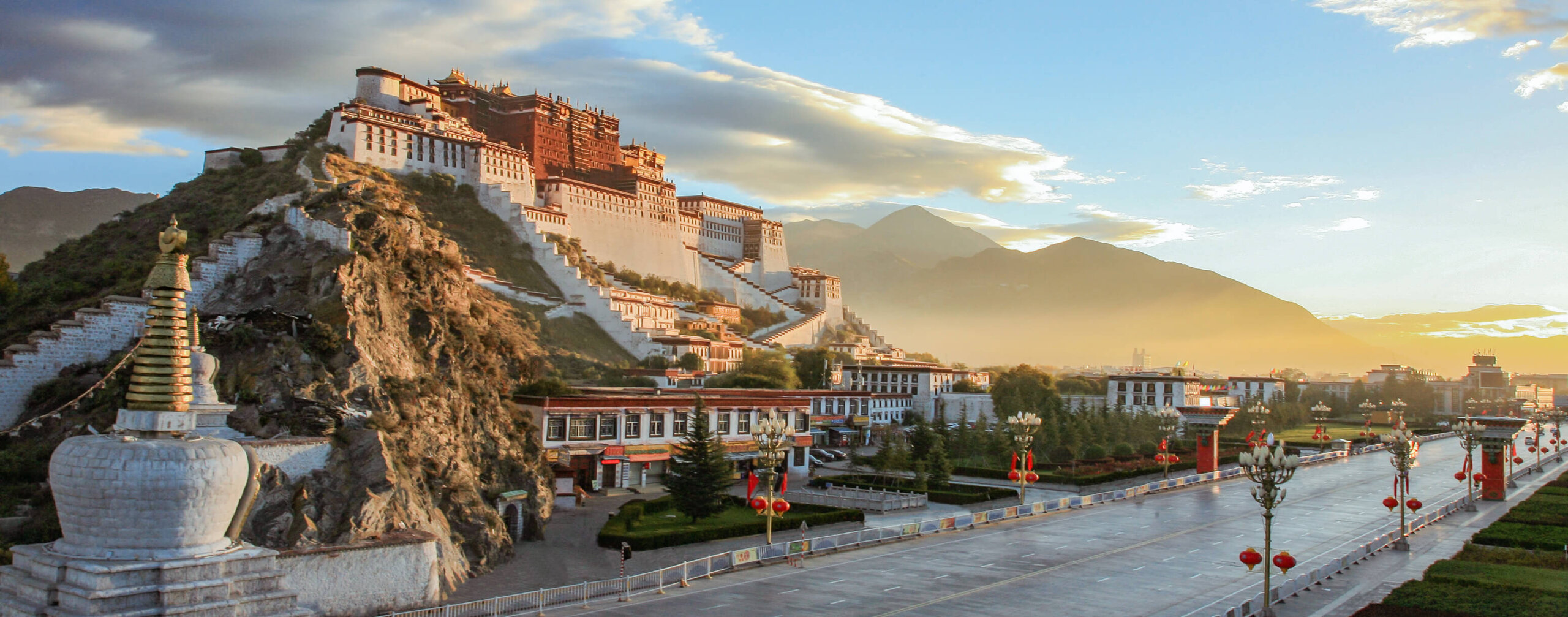
Information for Tourist Visa in Tibet
Tibet is part of China as an autonomous region, and unlike other travel spots, it has special entry requirements. All foreign travelers — regardless of their nationality — must hold a valid Chinese visa to enter China first. Nevertheless, the Chinese visa is not enough for Tibet’s entry. Foreigners are not allowed to travel in Tibet on their own. You must join a group tour or private guided tour organized by a licensed Tibetan or Chinese tour company. The tour companies will then organize a Tibet Travel Permit (also called the Tibet Visa) for you. You cannot board a flight or train to Tibet and travel into the region by land without this permit.
Types of Tibet Visas and Permits
Tibet does not require a separate tourist visa like Bhutan or Nepal. Instead, traveling to Tibet is a question of obtaining two necessary documents:
- A Chinese Tourist Visa (L-Visa), which you apply for through your local Chinese embassy or consulate.
- A Tibet Travel Permit, which your tour agency must apply for once you book a tour. All foreign travelers to Tibet require this permit.
Additionally, if you’re traveling beyond Lhasa — i.e., to Mount Everest Base Camp, Shigatse, or Mount Kailash — you’ll also need other permits such as the Aliens’ Travel Permit (ATP) or a Military Permit, which will also be arranged by your agency. These permits aren’t issued to individuals, but only to tour agencies.
Tibet Tourist Visa Cost
Special authorization is required to go to Tibet apart from the Chinese visa. Foreign visitors cannot visit Tibet independently but must book a tour with an approved Chinese or Tibetan tour agency, who will organize all the paperwork involved. The most significant cost is the Chinese Tourist Visa, the Tibet Travel Permit, and any other local permits should you be traveling to restricted areas (like Mount Kailash or border areas).
Chinese Tourist Visa
- US$ 30–140 per person (depending on nationality)
This is the normal visa for traveling to China, needed before applying for any Tibet permits. Prices change: - US Citizens: US$ 140
- Other nationalities: US$ 30–60
What is the Tibet Travel Permit?
The Tibet Travel Permit is the most important document that any international visitor must have to enter Tibet. It is issued by the Tibet Tourism Bureau and can be organized solely by licensed travel agencies, not individuals. The moment you book a tour (including your guide, vehicle, hotel, and itinerary), the agency will apply for the permit using a scanned copy of your passport and Chinese visa. It requires 7 to 14 days and the agency will either mail the permit to your hotel in China or provide it to you before your trip. You are supposed to carry this permit when you board domestic flights or trains to Lhasa, and you’ll also have to show it at police checkpoints along Tibet.
- Included in your tour package (no additional cost)
- This is the principal document you need to visit Tibet. It is issued officially by the Tibet Tourism Bureau (TTB) and needs
- to be obtained on your behalf by a travel agency. You can’t request this in person.
Other Permits (if applicable)
- Some areas of Tibet require additional permits, usually covered in your tour package:
- Alien’s Travel Permit (ATP) – for destinations outside Lhasa like Everest Base Camp
- Military Permit – for sensitive border zones like Mount Kailash
- Foreign Affairs Permit – for certain high-security zones
- These would maybe cost around US$ 20–50, but are generally included in your tour fees.
Tourist Visa vs Permit – What’s the Difference?
There is no “Tibet Visa” as a special document as you would in other countries. You must first obtain a Chinese Visa — this allows entry into China. Then, to enter Tibet itself, you require a Tibet Travel Permit. So, two separate approvals are required:
- Chinese Visa = for entry into China (apply on your own at a Chinese embassy).
- Tibet Travel Permit = for entry to Tibet (arranged by your tour operator after your China visa has been issued).
Note: Tibet is the only part of China with this extra layer of regulation for foreigners.
How to Get the Tibet Permit (Visa Process)
The process starts with your application for the Chinese visa. Then you can contact a China-based or Tibet-based authorized travel agency and book a full tour. You need to send them scanned copies of your passport and Chinese visa. The agency will apply for the Tibet Travel Permit from the Tibet Tourism Bureau. It usually takes 1–2 weeks. Once approved, the permit will be sent to your hotel or travel destination in mainland China (for instance, in Chengdu, Xi’an, or Beijing), where you can collect it before boarding your flight or train to Tibet.
You cannot board a flight or travel to Tibet without this permit. You will be refused boarding even if you already possess a Chinese visa, unless you show the Tibet Travel Permit.
Documents Required for Tibet Permit
Although you don’t apply for the permit yourself, you need to send the following to your travel agency:
- A scanned clear copy of your passport
- A scanned copy of your valid Chinese tourist visa
- Confirmation of your booked Tibet tour (itinerary, hotel, and guide)
- Travel insurance is sometimes requested or recommended
Once they have these, the travel agency takes care of the rest. You’ll just have to wait for the permit to be sent before you leave.
Costs and Fees
There is no extra government fee for the Tibet Travel Permit itself — it is issued free by the Tibet Tourism Bureau. It is only issued, however, when you book a complete travel package. So, while the permit itself is free, you pay for it as part of your tour package. You’ll pay for:
- Your Chinese visa (fee varies by country)
- The Tibet tour package, which includes:
- Private guide (mandatory)
- Accommodation
- Transport in Tibet
Permits
Can You Stay Longer in Tibet?
As a rule, you cannot extend the Tibet Travel Permit while already in Tibet. If you wish to stay longer, you must leave Tibet and apply for a new one through your agency. However, if your Chinese visa is about to expire, you can attempt to obtain a visa extension at a Public Security Bureau branch in the rest of China — but not in Tibet.
How to Enter Tibet (By Air or Train)
You can only enter Tibet from within China or from Nepal through special arrangements:
- From China: Travel by flight or train from cities like Beijing, Xi’an, Chengdu, Chongqing, Kunming, or Xining to Lhasa.
- From Nepal: Overland entry via Gyirong border or by air from Kathmandu to Lhasa. If you enter this way, you’ll need to have a special Tibet Group Visa from the Chinese Embassy in Kathmandu — even if you already have a Chinese visa. This will be organised by your tour agency.
Important: You cannot enter Tibet independently or with a Chinese visa alone. You will be turned away without a valid Tibet permit and itinerary.
Special Cases and Restrictions
- If you’re entering Tibet from Nepal, you cannot utilize a Chinese visa. You’ll need a Tibet Group Visa, which is arranged by your travel agency and picked up in Kathmandu.
- Journalists, diplomats, and officials of the government are not allowed to travel on a tourist permit. They need special permission through diplomatic channels.
- Exempt from the Tibet Travel Permit are citizens of Hong Kong and Macau.
- Chinese citizens, along with Tibetan minorities born outside of Tibet, may also need local approvals.
- Lastly, note that Tibet is sometimes closed to international travelers during politically sensitive times (like March) or during significant Chinese holidays. Travel agencies will inform you in advance.
Contact Details for Further Inquiries.
| Particular | Details |
| Booking office | Graceful Adventure Travel |
| Phone Number | +977-9851219412, 014700180/81 |
| Office Location | Sorhakhutte, Kathmandu, Nepal |
| [email protected]/ [email protected] |
✖
Talk To Expert

Mr. Padam Timilsina
Travel Expert
Custom vacations, perfectly planned to fit your wishes.
Request for Assistance ⮞