Registration No.:
137081/072/073


Expedition in Nepal
Expedition in Nepal is a most exciting and challenging form of adventure travel that attracts mountaineers from around the globe to ascend some of the planet’s tallest peaks. Nepal expedition is generally reserved to denote mountaineering expeditions for ascents above 7,000 meters, requiring sufficient physical conditioning, high-altitude experience, and technical competence to ascend.
These longer and purposeful journeys aren’t about being at the top of the mountain—they’re about conquering the extremes of nature, pushing the boundaries of your body and mind, and surviving some of the most enriching experiences out there.
Expedition in Nepal and mountaineering are globally renowned for size, complexity, and fascination. Nepal boasts eight of the globe’s fourteen 8,000-meter-high mountains, Mt. Everest (8,848 m), Mt. Lhotse, Mt. Kanchenjunga, Mt. Makalu, Mt. Cho Oyu, Mt. Manaslu, Mt. Dhaulagiri, and Mt. Annapurna—that provide more high-altitude climbing routes than any country.
These giants are joined by other myth-like mountains like Mt. Ama Dablam, Mt. Nuptse, Mt. Pumori, and Mt. Baruntse who also entice climbers seeking a technical and thrilling experience. Climbing these mountains generally involves a duration of 30 to 65 days and needs good acclimatization, stamina, route planning, and patient teamwork.
It is Nepal’s unique geography which sets it apart. With verdant hill forest and dense woodland, glacier-valleys and cold peaks, Nepal’s mountains encompass a serious series of landscape, climate, and height. The ascent to the summit begins far below the snow line, curling on alongside the vibrant color local villages teeming with culture, to ultimately find oneself at last above tree line into cold, rocky, snowy terrain.
This natural transition involves not only unprecedented visual beauty but also the chance to experience Nepal’s rich diversity of flora, fauna, and cultural heritage. Such a chance lies at the very heart of what makes expedition in Nepal a richly immersive and irretrievable experience.
All successful expeditions require planning, well-qualified staff, and good local support. Graceful Adventure Travel, being an extremely experienced Nepal-based expedition organizer, provides comprehensive services for Himalayan expeditions arranging permits and logistics to experienced guidance and high-altitude assistance.
We provide complete base camp management, high-altitude Sherpa assistance, and well-trained guides who have climbed multiple 8,000-meter mountains. Our company has a very high success rate in expeditions and is famous for offering trips with the maximum success rate in the area.
The Sherpas’ involvement in high-altitude climbs is paramount. Our veteran Sherpa crews are some of the best working in the industry, having gained knowledge of mountaineering techniques, rescue operations, and safety measures. Their close familiarity with the mountains and their unmatched tolerance and hospitality is the secret to success for all climbers.
Through their support, climbers can ascend safely to the summit and enjoy native culture and expertise. Through a union of their ability, power, and commitment, each expedition is as secure as it is rewarding.
As a professional adventure travel expedition operator in Nepal, Graceful Adventure Travel believes in ensuring expeditions are conducted in an ethical and responsible climbing style. We help clients get official permits from the Ministry of Culture, Tourism and Civil Aviation, which is mandatory for any mountain expedition.
Each group must be government-deployed with a Liaison Officer and charged with a refundable waste deposit—keeping the Himalayas safe and clean. We also organize essential documentation, including passport photocopies, health certificates, insurance, and climbing résumés, to ensure everything is hassle-free and simple for our clients.
Our expeditions use high-quality mountain tents and extreme condition support equipment. Food cooking for camp life is done by trained staff under good hygiene and nutrition even in bad weather. Our climbers are invited to be a part of camp life, which helps create camaraderie and respect for the expedition lifestyle. Sanitation, food safety, and well-being are ensured throughout the trip.
Graceful Adventure Travel has led successful climbs to Nepal’s highest mountains. We offer service to independent climbers, private groups, and commercial expeditions requiring professional leadership and logistical support.
Whether you are ascending Mt. Everest, negotiating the technical ridges of Mt. Ama Dablam, or testing your stamina on Mt. Manaslu, we offer expedition packages to meet your goals. We combine our climbing programs with experience and a record of safe and successful ascents.
Nepal remains one of the finest destinations on the planet for serious mountaineers. The unspoiled beauty, the towering summits, and the spiritual energy of the Himalayas offer the perfect backdrop for an experience that will last a lifetime. For a person willing to take on the challenge, the reward is well worth it—the top of the world’s tallest peaks and a view of the earth from a plane few ever occupy. With adequate team and organization, this dream is within anyone’s grasp.
If you’re prepared for the quintessential Himalayan experience, depend on Graceful Adventure Travel—your experienced Nepal expedition planner—to guide you through each step of your odyssey. Through our unmatched expertise, seasoned Sherpa crews, and commitment to safety and accomplishment, we turn high-altitude aspirations into life-long success stories.

Need Help? Ask Question
+9779856019412
Expedition in Nepal Trips

Himlung Expedition
30 Days
Trip DurationUS$ 9900
Per Person
Manaslu Expedition
40 Days
Trip DurationUS$ 18800
Per Person
AMA DABLAM EXPEDITION
28 Days
Trip DurationUS$ 7840
Per Person
Mount Everest Expedition
51 Days
Trip DurationUS$ 51000
Per Person
Lhotse Expedition
50 Days
Trip DurationUS$ 23500
Per Person
Kanchenjunga Expedition
55 Days
Trip DurationUS$ 28600
Per Person
ANNAPURNA I EXPEDITION
42 Days
Trip DurationUS$ 31500
Per Person
Pumori Expedition
35 Days
Trip DurationUS$ 12950
Per Person
Gangapurna Expedition
38 Days
Trip DurationUS$ 14060
Per PersonBest Season of Expedition in Nepal
Nepal is a land of majestic mountains, high civilization, and thrilling adventures. Amongst the many things that it has in store, mountain expeditions greet mountaineers from all parts of the world. Spring, particularly during the time from March to May, is the best time for expeditions to Nepal. Weather is fixed at this time, the air is clear, and mountain views are optimal. Climbing conditions are optimum with less possibility of heavy snow fall or rain. Much competed mountains like Everest, Lhotse, and Annapurna receive the peak season in these months.
Spring (March to May)
The spring season is the climbing peak season of Nepal. The weather is fine and the skies are clear, and it is a good season for climbers with great visibility. Rhododendron blossoms at lower elevations open and provide a scenic beauty to the routes. The snow condition is challenging, and high-altitude ascents are safer. Ascents of the Everest are typically planned at this time due to the excellent climatic conditions. It is also suitable for trekking and base camp treks since the temperatures are nice.
Autumn (September to November)
Autumn is the next-best season for trips in Nepal. Monsoon rinses the atmosphere of dust, and the air is as crystal clear as ever. The climate is cool but pleasant, and the mountains are fresh and formidable. The season also sees plenty of climbers attempting peaks like Ama Dablam, Manaslu, and other 6000+ meter climbs. Celebrations like Dashain and Tihar add cultural beauty to the trek. It’s a peak season with both trekkers and mountaineers.
Most Popular Expedition in Nepal
Nepal is a globally renowned high-altitude climbing destination with eight of the fourteen 8000-meter peaks of the world. Climbers from every nook and corner of the globe flock to the Himalayas to climb legendary giants Annapurna and Everest, and technically demanding peaks such as Ama Dablam and Himlung. These climbs are as much about climbing to the summits of the mountains as they are about enjoying the spiritual, cultural, and physical of being alone and seeing incredible scenery. That the Himalayan scenery is incredible, the landscape varied, and that there is cultural variation adds to the magic of Nepal as a destination for mountain climbing.
1. Everest Expedition (8,848.86m)
The highest point on Earth, Mount Everest, remains the climbers’ holy grail globally. The vintage route via the south begins with a stunning hike up the Khumbu Valley, which allows climbers to acclimatize and be introduced to Sherpa villages and way of life. Climbing is technical from Everest Base Camp—littered with the notorious Khumbu Icefall, near-vertical Lhotse Face, and ultimate summit climb from the South Col. Climbing typically involves the use of four upper camps above base camp, each presenting its own difficulties.
It requires good physical fitness, psychological resilience, and high-altitude acclimatization to conquer Everest. Nevertheless, with instruction and practice, many experienced mountaineers have made this dream a reality. Besides the personal achievement, the sight of the world’s apex and the view of the Himalayan majesty is an experience one would always remember. It is a human willpower and endurance challenge that tempts generations of adventurers.

2. Manaslu Expedition (8,163m)
Manaslu, the world’s eighth highest peak, is located in western-central Nepal. It is gaining popularity as a less crowded alternative to Everest. Climbing begins with a trek past prosperous Gurung villages, forest, and glacial valleys of scenery beauty and gradual acclimatization. The ascent to the summit is tackled by steep snowfields, crevasses, and potential channels of avalanche, and climbers need to be very technical and experienced.
As unpleasant as it looks, Manaslu to some is a stepping stone to other 8000-meter mountains due to its relatively lower technical grade than Annapurna or K2. The view from the summit opens up into the Ganesh and Annapurna ranges, a view to behold. Climbers reaching the summit are rewarded not only with its beauty but with a sense of being part of the wilderness mountain counterculture and hardened natives who cater to climbers en route.
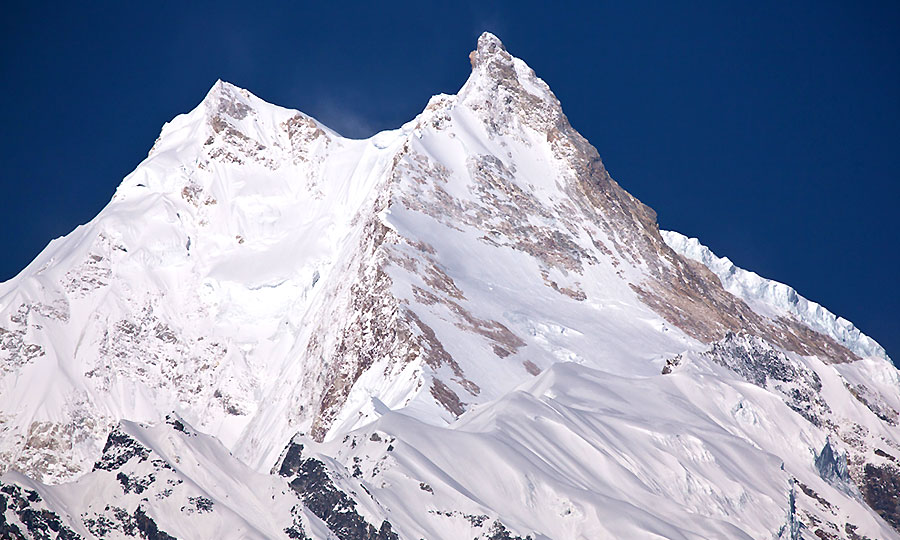
3. Annapurna I Expedition (8,091m)
Annapurna I is the world’s tenth highest mountain and one of the most dangerous 8000-meter peaks with a very high death-to-summit ratio. The ascent is technical and avalanche-prone, with a knife-edge ridge to the summit and volatile weather. The trek passes through the breathtaking Annapurna Sanctuary, with rhododendron forests, waterfalls, and remote Gurung villages. The base camp itself lies in a breathtaking amphitheater of mountain summits, a poignant setting for the climb to come.
The climb to the Annapurna summit is very technical, with steep near-vertical ice pitches, crevasses to cross, and rockfall hazard. Only experienced climbers attempt to climb to this summit, usually after having climbed some other 8000er first. To be on top is an elite mountaineering achievement and a very rewarding sense of accomplishment. The severity and remoteness make it a strict endurance test, test of common sense, and of mountaineering ability.
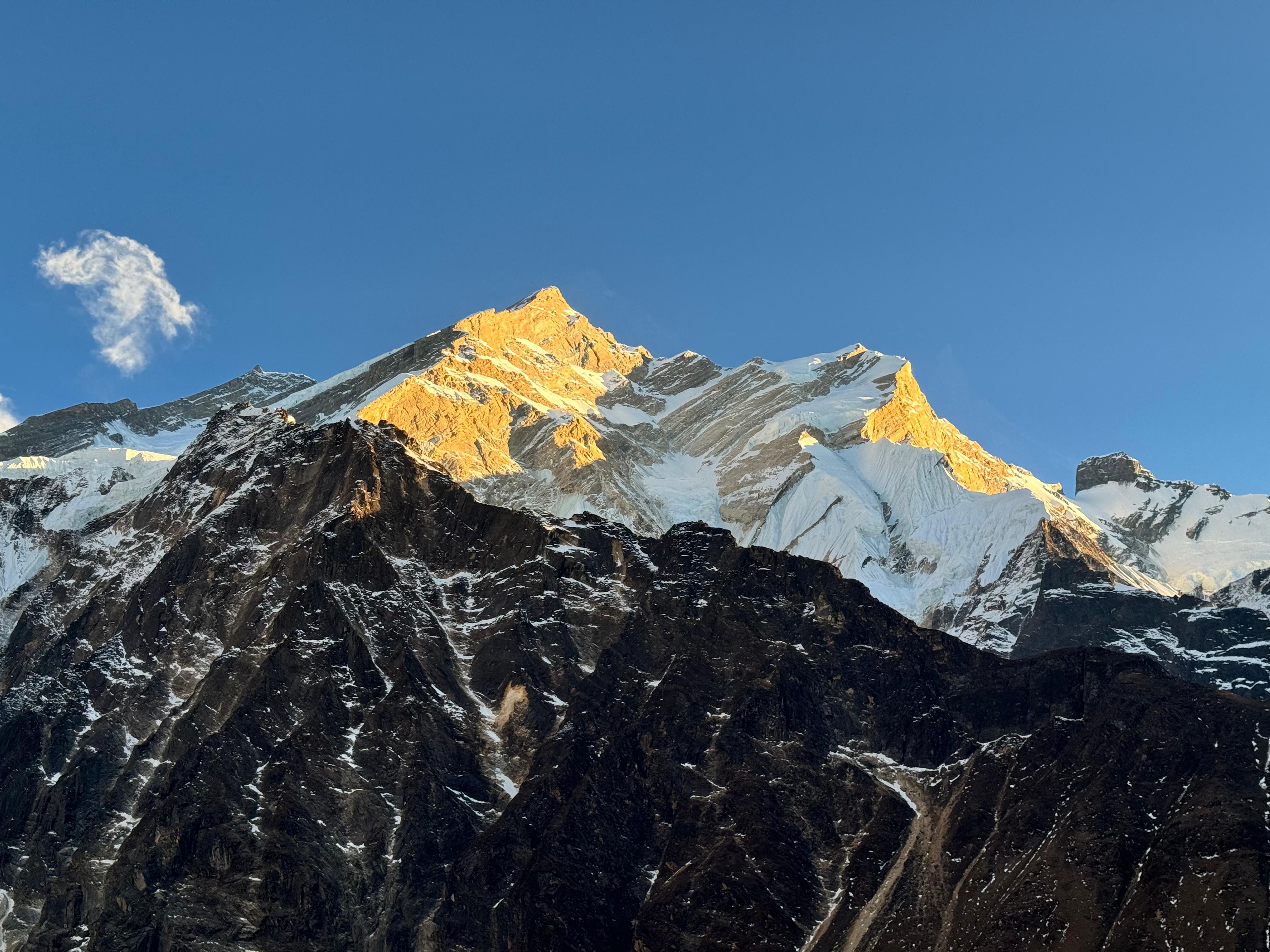
4. Himlung Himal Expedition (7,126m)
Himlung Himal is a rapidly emerging expedition summit on the Tibetan frontier in the remote Nar-Phu valley. It offers climbers an alternate that is less technical but at high altitude to those who want to transition from trekking peaks to expeditions. The climb to base camp is a cultural trek past Tibetan-style villages, monasteries, and unspoiled countryside. The base camp is approximately 4900 meters, and the climbers use three higher camps to ascend to the top.
Himlung is renowned for its comparatively stable climatic conditions and less populated trails compared to other high-altitude expeditions. Although under 8000 meters, the summit provides a serious mountaineering experience with glaciated peaks, crevasses, and cold conditions. It is typically recommended to mountain climbers for acclimatization to higher Himalayan summits. The summit greets you to Annapurna II, Manaslu, and Tibetan scenery, thus a scenic and rewarding expedition.
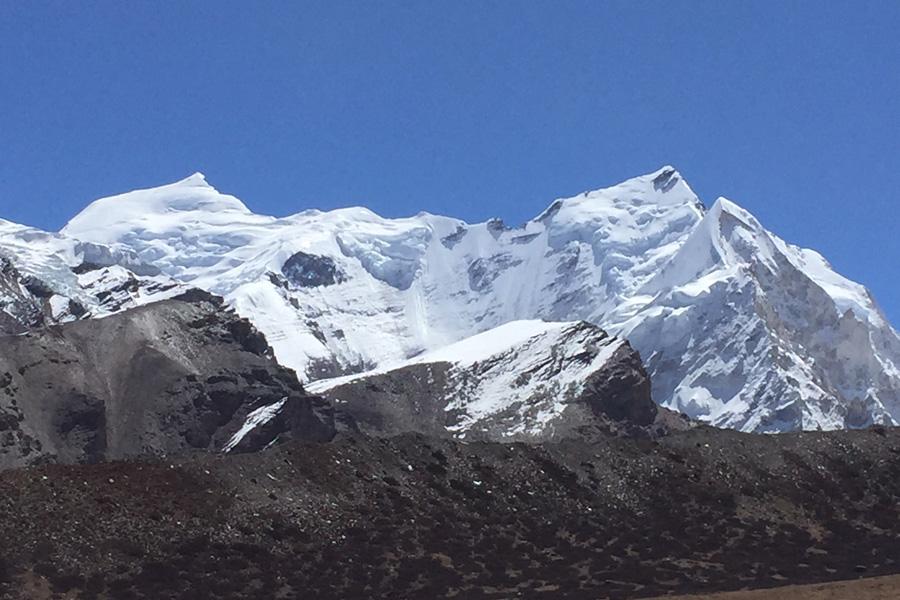
5. Ama Dablam Expedition (6,812m)
Ama Dablam, or the “Himalayan Matterhorn,” is Nepal’s most photogenic and iconic peak. It’s a dramatic presence in a beautiful profile when viewed from the Everest trail in the Dudh Koshi Valley. The standard ascent is achieved through the Southwest Ridge, which is technically demanding and aesthetically pleasing. It is rock, snow, and ice climbing with sound mountaineering technique, i.e., fixed rope work and exposure.
Though lower than Everest, Ama Dablam is more technically oriented. Ascending is normally a favorite with veterans who wish for a stiffer but shorter climb. Base camp is in a beautiful alpine meadow, and ascending provides great visual relief of Everest, Lhotse, and Makalu. Ascending of Ama Dablam is an issue of pride and is typically regarded as a benchmark to the ability of a climber.
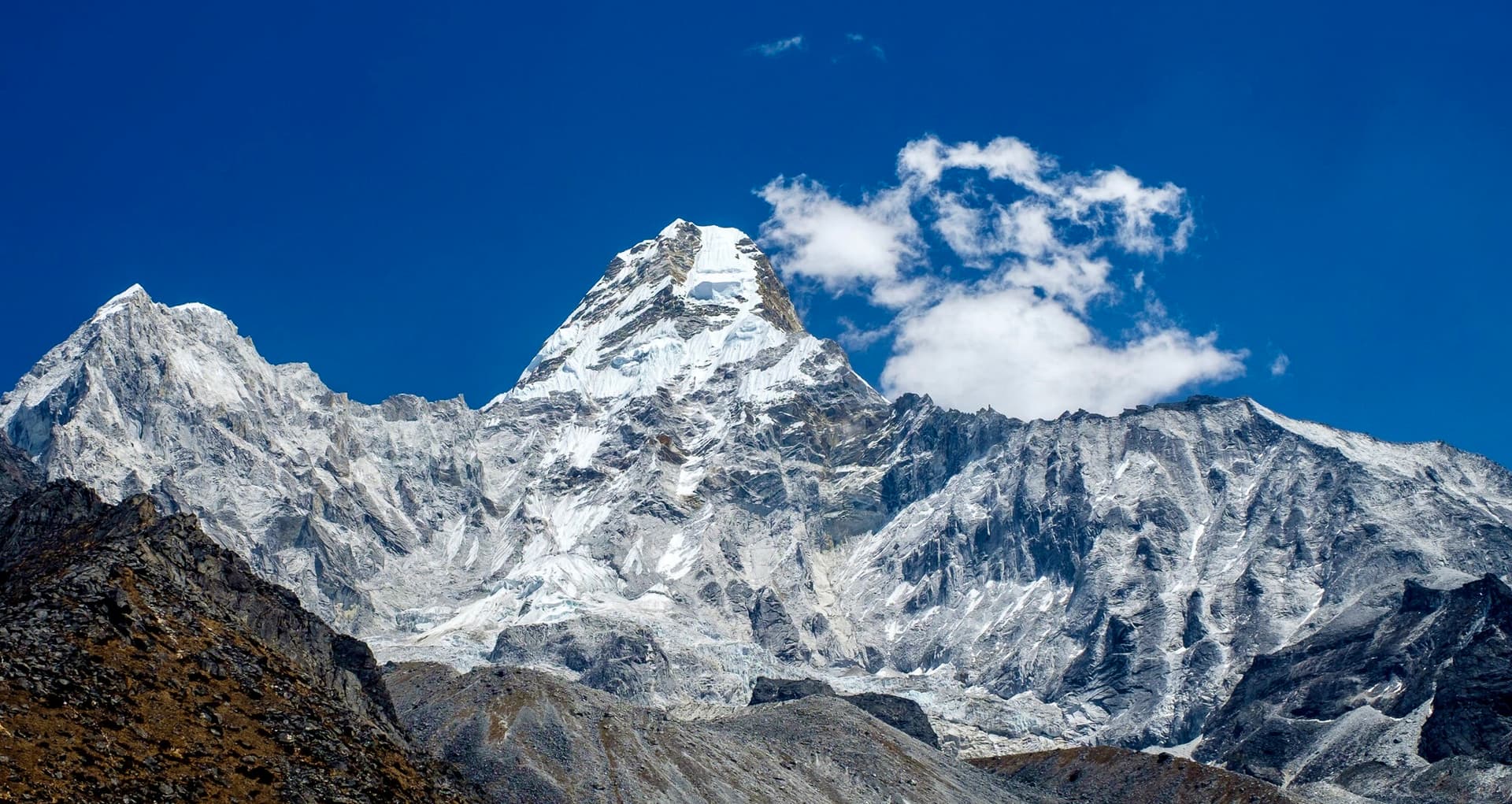
6. Dhaulagiri I Expedition (8,167m)
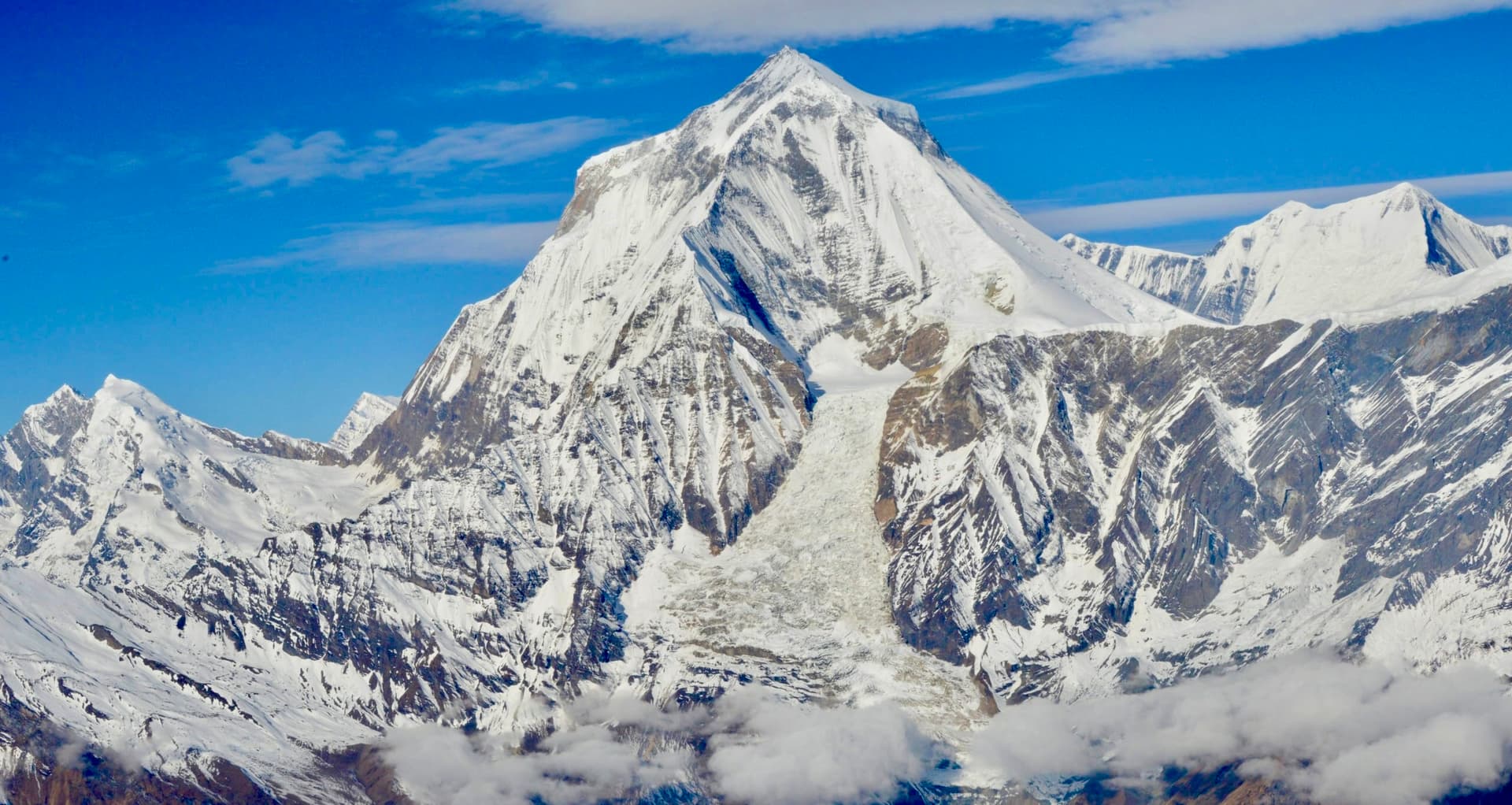
Dhaulagiri I, the seventh-highest mountain in the world, is located in west Nepal and famous for being inaccessible and less visited. Even reaching the base camp is an adventure, involving traversing hard passes like French Pass and Dhampus Pass. The top rests on a giant snow pyramid and is ringed by nearly vertical valley walls and cliffs. The normal route ascends the Northeast Ridge and requires perfect climbing ability and endurance.
Climbers have to battle extreme cold, technical ice and rock climbs and deep snow, and Dhaulagiri is therefore a humbling adventure and demanding climb. The unstable weather pattern of the mountain makes it even more daunting, and not as many climbers try it compared to Everest. But its rocky natural beauty, demanding climb, and sense of isolation make it one of the most rewarding forays in the Himalayas. Climbers on the summit of Dhaulagiri are given a lot of respect by climbers.
Necessary Equipments for Best Expedition in Nepal
There are many necessary equipment that climbers must carry during the expeditions. During the Best Expedition in Nepal, climbers can stay at 4-star hotels in the cities before and after the expedition. On the trail, they often stay in tea houses or camp in tents, especially in remote high-altitude regions where no permanent settlements exist. At higher elevations, due to harsh weather and isolation, camping is essential, and climbers need to carry all the required gear and supplies accordingly. The necessary materials and equipment needed during the expeditions are as follows:

Food Services
Nepal expedition treks provide functional, nutritious meals that are designed to keep the climbers going through lengthy and tiresome days at high altitudes. At base camps like Everest or Dhaulagiri, there are good cooked meals served to the climbers by professional cooks—starting with porridge, toast, eggs, and tea to wake up to. High-energy foods like dal bhat, pastas, fried rice, and vegetable curries are given for lunches and dinners. Special diets normally include soups, chapatis, and fruit preserves for balance and fluids.
Above base camps, the food is lighter and more energy-dense. Diets include pre-cooked or freeze-dried food—such as instant noodles, energy bars, chocolates, and powdered drinks. In the upper camps, mountaineers mainly subsist on boiled water and easy-to-digest food. Support staff or cooks melt snow to prepare water, transporting gas cylinders to do so. Despite the simplicity of the food, it forms a focal source of morale and energy throughout the expedition.
Accommodation Services
Accommodation during expeditions in Nepal varies with remoteness and altitude. Trekkers are accommodated in 4 star hotel’s in cities such as Kathmandu prior to the ascent—well-appointed rooms, attached toilet, equipment storage room, and buffet breakfasts. During the trek to base camp, accommodation is in mountain warm & cozy teahouses—twin beds, thick blankets, and communal washrooms. Some of the popular routes have access to lodges with solar showers and rudimentary charging facilities.
At base camps, home is a tent. large dome tents are dorms, with mess tents for meals and kitchen tents for food preparation. Foam mattresses, insulated sleeping bags, and hot water bottles are the standard. After climbing begins, higher camps (Camp I, II, III, and IV) offer very meager shelter—small tents set up on icy slopes or rock ledges, offering little comfort but as much protection as available.
Each ascent of the mountain combines ruthless nature with steadfast support. Expedition lodging varies from comfortable tents beneath star-filled, moonlit nights to tea-sipping in a cozy mess tent, providing not only shelter but also the camaraderie of high-altitude survival
Graceful Adventure Travel Agency – Leading Expedition Operator in Nepal
Graceful Adventure Travel is a government-registered and trusted expedition operator in Nepal, dedicated to providing high-quality mountaineering, trekking, and adventure services. With years of hands-on experience in the Himalayas, we have successfully led numerous climbers to the summits of some of the world’s most challenging and prestigious peaks, including Mount Everest, Annapurna, Lhotse, Manaslu, and many others. Our reputation as a reliable expedition company in Nepal is built on our commitment to safety, professionalism, and personal attention to every client.
What sets us apart is our team of experienced Sherpa climbers, many of whom have multiple successful ascents of 8,000-meter peaks. Their deep knowledge of the mountains, technical climbing expertise, and dedication to client safety make every expedition both secure and rewarding. Along with expert guides, we provide nutritious, hygienic meals and dependable support from well-trained porters, ensuring that our climbers are physically strong and mentally focused throughout the journey.
As a full-service expedition agency in Nepal, Graceful Adventure Travel handles every aspect of your expedition—from permits and logistics to high-altitude support and emergency preparedness. Whether you’re an experienced mountaineer or a first-time climber aiming for your dream summit, we are here to guide you every step of the way. With us, you don’t just climb a mountain—you experience the rich culture, natural beauty, and spirit of the Himalayas in a safe and professional environment.
Booking process
First of all customer should contact with inquiry firm or booking firm or in whatsapp . The company presentative will contact the customer with in 24 hours. After that the company person guides the customer. The company person confirms the booking of the customer then the process is down below :
1. Package Selection:
Start by visiting our company’s website and browsing our trekking packages. You’ll find all the details, including the itinerary, inclusions, exclusions, and prices. If you have any questions, feel free to contact our customer support team, who will be happy to assist you.
2. Personal and Group Information:
Once you have decided to book the package, fill out the booking form on our website with the necessary personal and group information. Please ensure that all details are accurate, as any mistakes or omissions may lead to issues during the trek.
3. Confirmation:
Once you submit the booking form, our company representative will review your information and contact you within 24 hours to confirm your booking. We will send you our standard agreement, which outlines the terms and conditions of the booking. Please read the agreement carefully and ask us if you have any questions.
4. Advance Payment:
To confirm your booking, we require a 20% advance payment of the total cost of the package. You can make the payment through our secure online payment gateway, which accepts all major credit and debit cards. Alternatively, we can send you a payment link or provide you with our bank details for a direct bank transfer.
5. Booking Confirmation:
Once we receive your advance payment and signed agreement, we will confirm your booking and send you a receipt of payment. We will also provide you with a detailed itinerary, packing list, and other essential information to prepare you for the trek.
6. Pre-Trek Briefing:
Before the trek starts, we will conduct a pre-trek briefing, either in person or online, to go over the itinerary, safety protocols, and other relevant information. This briefing is essential to ensure that you have a safe and enjoyable trekking experience.
We hope that this updated booking process meets your requirements and makes it easier for your customers to book our trekking packages. If you have any further questions or suggestions, please let us know, and we’ll be happy to help.
Contact Details for Expedition Booking in Nepal
| Particular | Details |
| Booking office | Graceful Adventure Travel |
| Phone Number | +977-9851219412, 014700180/81 |
| Office Location | Sorhakhutte, Kathmandu Nepal |
| [email protected]/ [email protected] |
Expedition Cost in Nepal with Graceful Adventure Travel
| S.N | Mountain Name | Number of Days | Cost |
| 1 |
Mount Everest Expedition |
51 | US$ 51000 |
| 2 |
Gangapurna Expedition |
38 | US$ 14060 |
| 3 |
Pumori Expedition |
35 | US$ 12950 |
| 4 |
Annapurna I Expedition |
42 | US$ 31500 |
| 5 |
Kanchenjunga Expedition |
55 | US$ 28600 |
| 6 |
Lhotse Expedition |
50 | US$ 23500 |
| 7 |
Ama Dablam Expedition |
28 | US$ 7840 |
| 8 |
Manaslu Expedition |
40 | US$ 18800 |
| 9 |
Himlung Expedition |
30 | US$ 9900 |
Expedition Permit Costs of above 8,000 Meters
| S.N | Mountains | Spring | Autumn | Summer |
| 1 | Mount Everest (8848 M) Normal route | $ 11000 | $ 5500 | $ 2750 |
| 2 | Mount Everest (8848 M) Other Route | $ 11000 | $ 5000 | $ 2500 |
| 3 | Mount Kanchenjunga (8586M) | $ 1800 | $ 900 | $ 450 |
| 4 | Lhotse (8516M) | $ 1800 | $ 900 | $ 450 |
| 5 | Makalu (8463 M) | $ 1800 | $ 900 | $ 450 |
| 6 | ChoYou (8201M) | $ 1800 | $ 900 | $ 450 |
| 7 | Dhaulagiri (8167M) | $ 1800 | $ 900 | $ 450 |
| 8 | Manalsu (8163M) | $ 1800 | $ 900 | $ 450 |
| 9 | Annapurna (8091M) | $ 1800 | $ 900 | $ 450 |
| 10 | Shishapangma (8013M) | $ 1800 | $ 900 | $ 450 |
Expedition Permit Costs (7501 Meters to 7999 Meters)
| S.N | Mountains/ Peak | Spring | Autumn | Summer |
| 1 | Kang Gyachung (7952 M) | $600 | $300 | $150 |
| 2 | Annapurna II (7937 M) | $600 | $300 | $150 |
| 3 | Kangbachen (7903 M) | $600 | $300 | $150 |
| 4 | Himachuli East (7893 M) | $600 | $300 | $150 |
| 5 | Ngadi Chuli (Peak 29 Dakura) (7871 M) | $600 | $300 | $150 |
| 6 | Nuptse (7855 M) | $600 | $300 | $150 |
| 7 | Dhaulagiri II (7751 M) | $600 | $300 | $150 |
| 8 | Dhaulagiri III (7715 M) | $600 | $300 | $150 |
| 9 | Kumbhakarna (7710) | $600 | $300 | $150 |
| 10 | Varaha Shikhar (7675 M) | $600 | $300 | $150 |
| 11 | Dhaulagiri IV (7661 M) | $600 | $300 | $150 |
| 12 | Dhaulagiri V (7618 M) | $600 | $300 | $150 |
| 13 | Annapurna III (7555 M) | $600 | $300 | $150 |
| 14 | Himchuli West (7540 M) | $600 | $300 | $150 |
| 15 | Annapurna IV (7525M) | $600 | $300 | $150 |
Expedition Permit Costs (7000 Meters to 7500 Meters)
| S.N | Mountains/ Peak | Spring | Autumn | Summer |
| 1 | Khang Sar Kang (7485 M) | $500 | $250 | $125 |
| 2 | Jongsang Peak (7483 M) | $500 | $250 | $125 |
| 3 | Shartse (7459 M) | $500 | $250 | $125 |
| 4 | Mount Gangapurna (7455 M) | $500 | $250 | $125 |
| 5 | Gangapurna(7455M) | $500 | $250 | $125 |
| 6 | Himchuli N (7371 M) | $500 | $250 | $125 |
| 7 | Churen (7371 M) | $500 | $250 | $125 |
| 8 | Kirat Chuli(Tent Peak) (7365 M) | $500 | $250 | $125 |
| 9 | Gimigela Chuli (7350 M) | $500 | $250 | $125 |
| 10 | Pasang Lhamuh (7315M) (Chuli Jasamba) | $500 | $250 | $125 |
| 11 | Chamlang (7319 M) | $500 | $250 | $125 |
| 12 | Dhaulagiri IV (7268 M) | $500 | $250 | $125 |
| 13 | Langtang Lirung (7234 M) | $500 | $250 | $125 |
| 14 | Putha Hiunchuli (7246 M) | $500 | $250 | $125 |
| 15 | Langtang Ri (7205 M) | $500 | $250 | $125 |
| 16 | Gurja Himal (7193 M) | $500 | $250 | $125 |
| 17 | Tarke Kang (7193 M) | $500 | $250 | $125 |
| 18 | Chamar (7187 M) | $500 | $250 | $125 |
| 19 | Manaslu North (7157 M) | $500 | $250 | $125 |
| 20 | Pumori (7161 M) | $500 | $250 | $125 |
| 21 | Mount Tilicho (7134 M) | $500 | $250 | $125 |
| 22 | Gauri Shanker (7134 M) | $500 | $250 | $125 |
| 23 | Api Himal (7132 M) | $500 | $250 | $125 |
| 24 | Barun Tse (7129 M) | $500 | $250 | $125 |
| 25 | Mount Baruntse (7129 M) | $500 | $250 | $125 |
| 26 | Pathivara Chuli (7125 M) | $500 | $250 | $125 |
| 27 | Himlung Himal (7126 M) | $500 | $250 | $125 |
| 28 | Ganesh II (7111 M) | $500 | $250 | $125 |
| 29 | Ganesh III (7110 M) (Salasungo) | $500 | $250 | $125 |
| 30 | Api West (7100 M) | $500 | $250 | $125 |
| 31 | Nilgiri North (7061 M) | $500 | $250 | $125 |
| 32 | Ganesh IV (Pabil) (7052 M) | $500 | $250 | $125 |
| 33 | Gyajikang (7038 M) | $500 | $250 | $125 |
| 34 | Saipal (7031 M) | $500 | $250 | $125 |
| 35 | Saipal East (7031 M) | $500 | $250 | $125 |
Frequently Asked Questions
Trekking is walking on trails to admire nature and culture, while expedition involves climbing high peaks, often above 7,000 or 8,000 meters, with technical skills and mountaineering equipment.
Yes. Expeditions, especially those above 7,000 meters, require previous high-altitude experience, physical fitness, and knowledge of mountaineering tools like crampons, ice axes, and ropes.
Spring (March to May) and Autumn (September to November) are the best seasons due to clear skies, stable weather, and safer climbing conditions.
An expedition usually takes 30 to 60 days, depending on the mountain, route, acclimatization schedule, and weather.
You need a climbing permit from the Department of Tourism, a trekking permit, a TIMS card, and entry permits for conservation areas or national parks.
It depends on the mountain and season. For example, Mount Everest costs $11,000 per person for the climbing permit alone in spring, excluding gear, guide, and logistics.
Yes. For safety and support, most expeditions include Sherpa guides, cooks, and porters who are highly experienced in high-altitude climbing.
At lower altitudes, meals include dal bhat, noodles, and momos. Higher up, food becomes simpler—instant meals, soups, energy bars, and hot drinks to survive cold and altitude.
Climbers follow acclimatization schedules, take rest days, hydrate well, and may use medicines like Diamox. Emergency evacuation is arranged if symptoms worsen.
Expeditions include satellite phones, oxygen cylinders, medical kits, and experienced support staff. Base camps are often monitored, and weather updates are regularly checked.
Quick Inquiry Form

WhatsApp
+9779856019412
✖
Talk To Expert

Mr. Padam Timilsina
Travel Expert
Custom vacations, perfectly planned to fit your wishes.
Request for Assistance ⮞