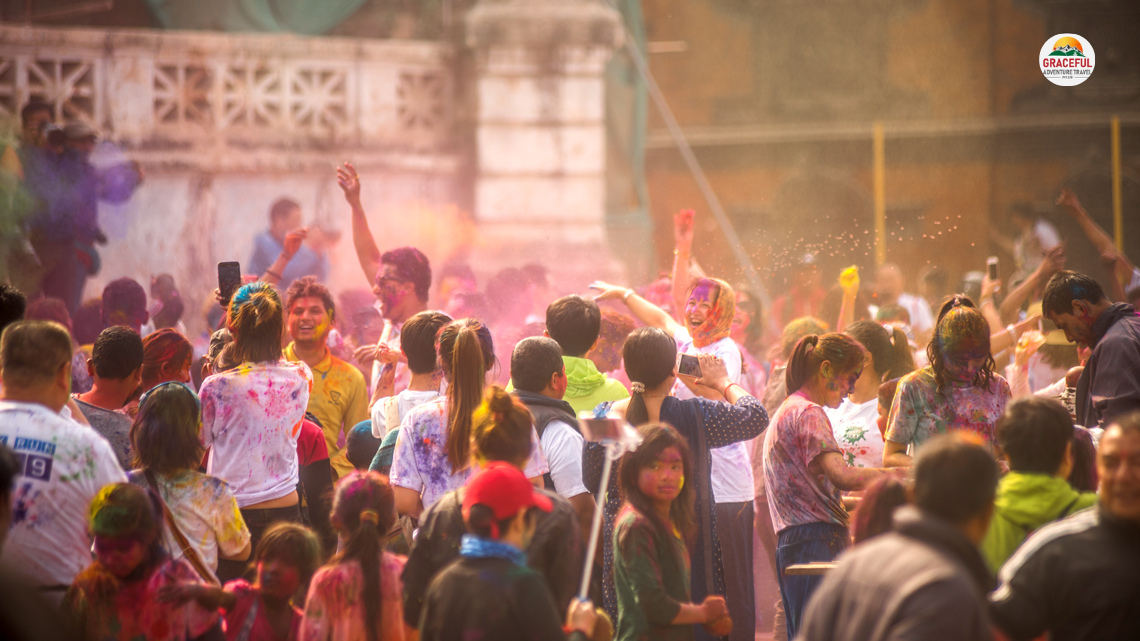
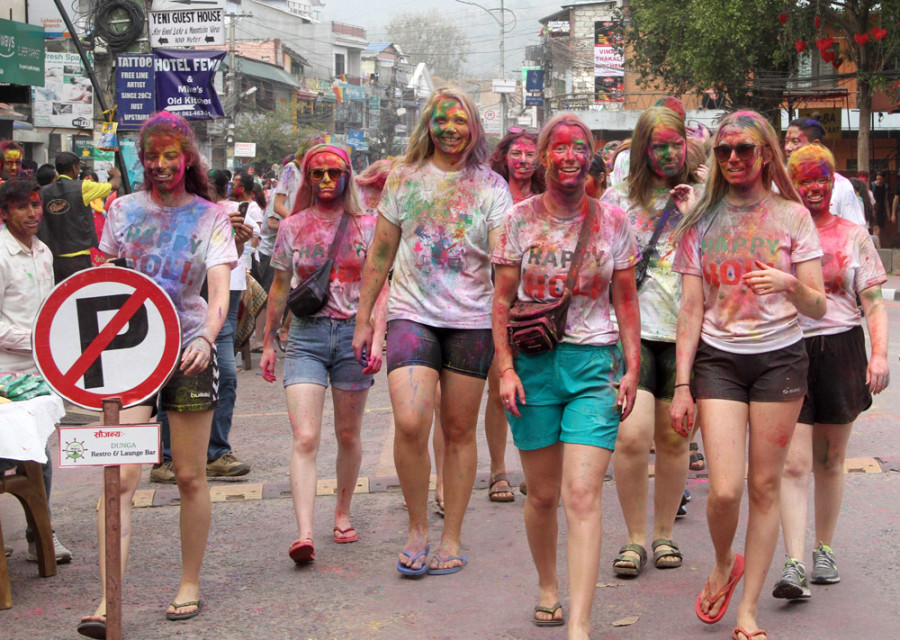
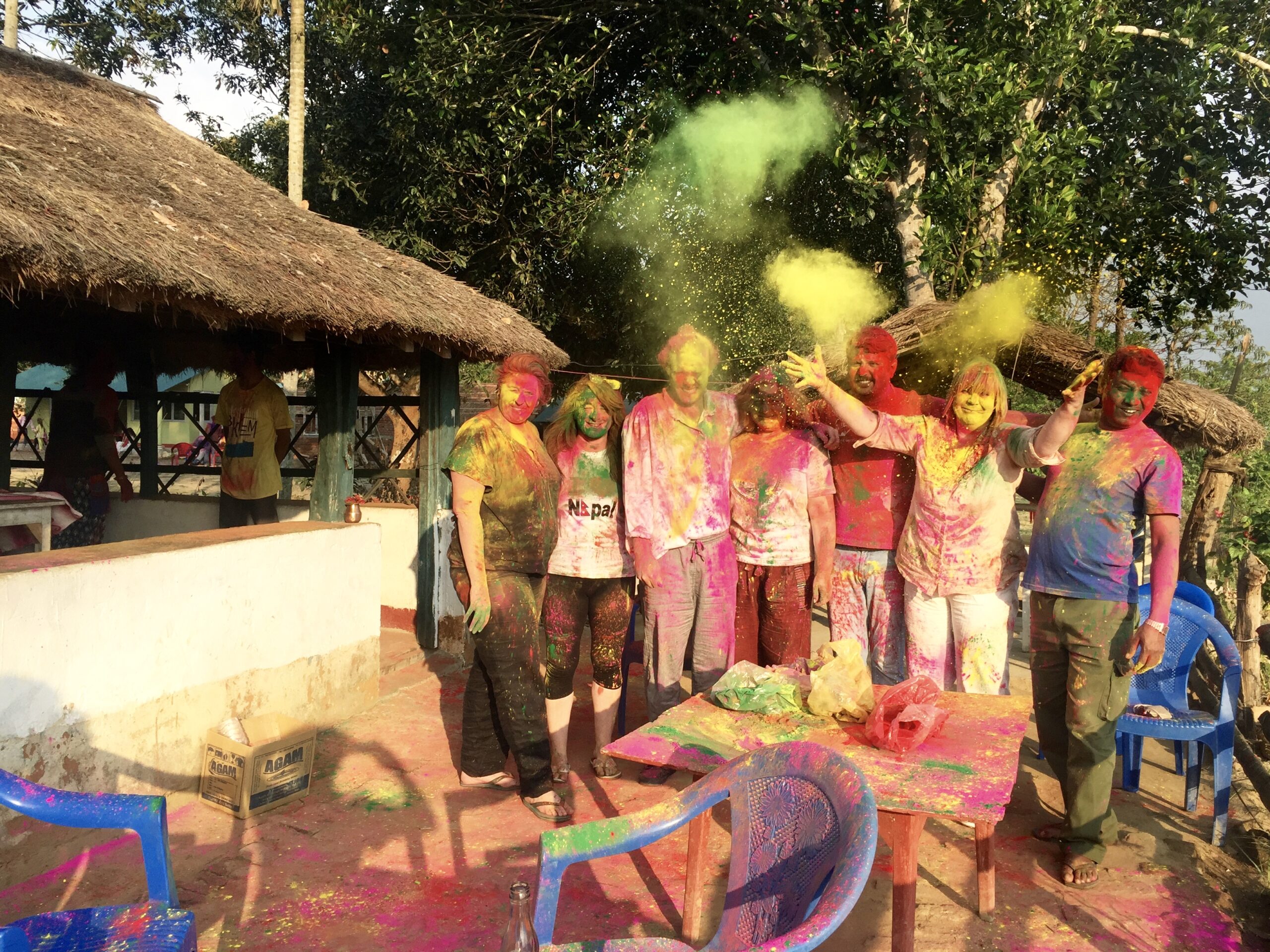
The Holi festival in Nepal is one of the most lively and cherished celebrations of the year. Holi is the festival of colours. It marks the arrival of spring and victory of good over evil. The festival of colour brings a lot of music, dance and laughter to the country. The streets, squares, and houses are converted into festive spaces full of people of all ages getting together to have fun and enjoy togetherness.
This festival is extends over a series of vibrant events. Families and friends gather to partake of food, sweets, and drinks as children and adults smear each other with bright colored powders, or gulal. Within the atmosphere of jokes, laughter and good-natured teasing, people are more likely to forgive their enemies and seek to live harmoniously together. Holi festival in Nepal is more of an occasion for social celebrations than cultural festivals. It helps build community ties and brings everyone together, as we all express our joy.
The Holi festival in Nepal brings a sense of spiritual renewal in addition to colors. To forgive promotes stronger relationships and gives rise to hope. Traditional music and dance are part of the joyous festivities, with local communities organizing events in public squares, temples, and neighbourhoods. The festival is very lively in atmosphere and at the same time culturally and spiritually rich. Therefore, it is a must-visit.
How People Celebrate Holi in Nepal
The celebrations of Holi festival in Nepal begin with Holika Dahan, a ritual performed on the night before the main event. Communities come together around bonfire signifying the destruction of evil and victory of good. The first day, which is also Choti Holi, involves singing songs, offering and distributing prayers, and giving sweets in preparation for the next day’s colour game. The bonfire is symbolic of mythology as it creates social ties through a community gathering.
On the main day of Holi, streets, temples, and public spaces are transformed into vibrant arenas where people playfully throw colored powders and water on each other. The music and laughter all around draw people from all age groups and social status to celebrate. While children run around with water guns and balloons, adults dance and sing, enjoying drinks like thandai.
In urban centers such as Kathmandu, Bhaktapur, and Pokhara, the celebration takes on different forms. Street activities happen in Kathmandu Durbar Square on a big scale while Bhaktapur Durbar Square witnesses offerings and family activities. Lakeside Pokhara offers a calm yet picturesque way to celebrate while in Sauraha, tourists can enjoy Holi while playing activities near the Chitwan National Park. In every one of these places, Holi becomes more than just a festival — it turns into a shared experience where tradition, community, and pure joy collide, pulling in both locals and visitors and making everyone feel part of something bigger.
History of Holi Festival in Nepal
The Holi festival in Nepal is deeply rooted in Hindu mythology and tradition. The renowned story is that of Prahlad and Holika. Holika, a demon, sought to kill her nephew Prahlad using her magical powers. However, the plan did not work out and the fire consumed her and not Prahlad. The Holika Dahan bonfire ceremony remembers the story about the ultimate victory of good over evil, and the significance of devotion and virtue behind it.
Another famous myth is of Lord Krishna and Radha. Young Krishna was known for his playful nature and would colour Radha and the other gopis in a playful way in Vrindavan. This story represents ‘love’, ‘joy’ and ‘fun’ which inspire the colouring rituals of the Holi festival in Nepal today. The festival continues to be influenced by Lord Krishna’s mischievousness and occurs with great gaiety.
Holi was also celebrated as the end of winter and the arrival of spring. It was also the celebration of the harvest or thanks for a good harvest. To celebrate the new season, the farmers use colors, dance, and song. Over the centuries, due to its seasonal and mythological backgrounds, Holi has become a major festival in Nepal and adjoining countries. At present, it still retains its spiritual aspect and is also a festive community event.
Where People Celebrate Holi Festival in Nepal: Top Destinations for Tourists
Kathmandu Durbar Square: The Epicenter of Festivities
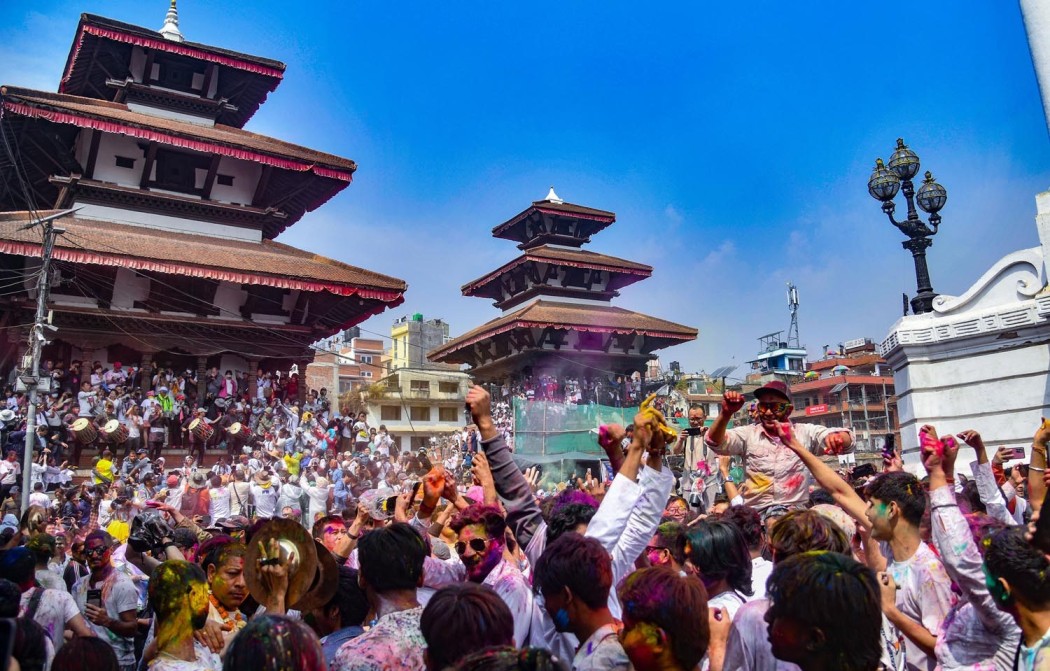
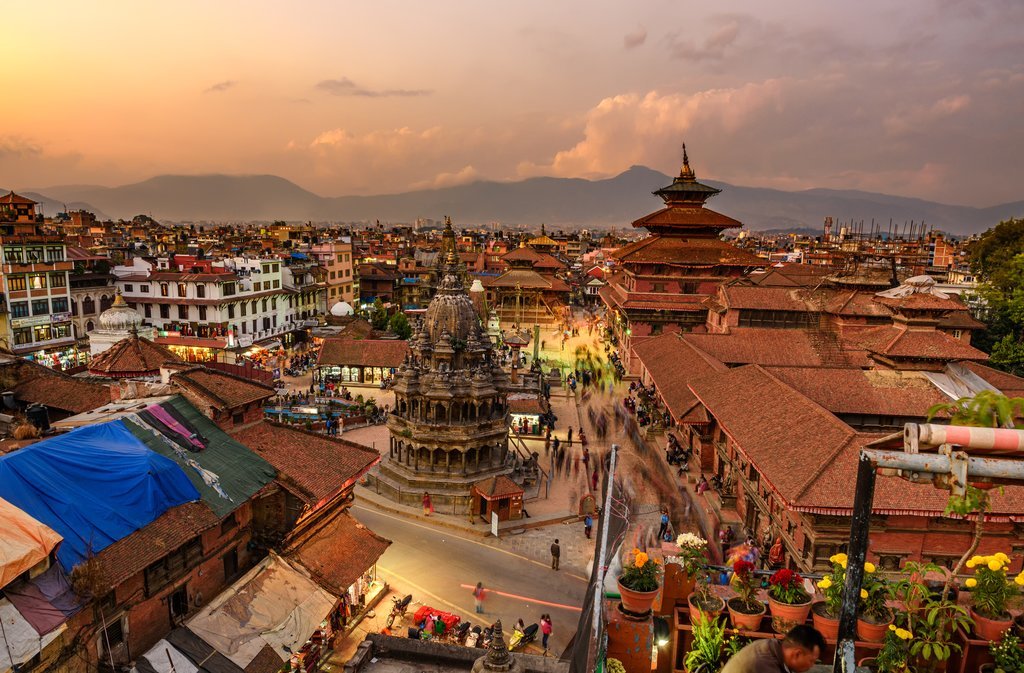
Holi in Kathmandu Durbar Square
Kathmandu Durbar Square is the most famous place to celebrate the Holi festival in Nepal. As a UNESCO World Heritage site, it is very popular with the locals as well. The square is filled with colors on the festival of Holi. During Holi, people come together to throw gulal, dance to the music of traditional drumming, and sing Holi songs. The energetic festivities gain a magnificent backdrop in the historic temples and palaces.
For tourists, Kathmandu is a place that is famous for festivals as well as cultural heritages that is like a dream destination for tourists. If you participate in Holi, you can know about the rituals that are centuries-old and interact with locals and party on the invigorating streets. The square is filled with music, dance, food, and colourful chaos, making for an unforgettable experience of Nepalese tradition, hospitality and the joyful spirit of Holi festival in Nepal.
Bhaktapur Durbar Square: Tradition and Community
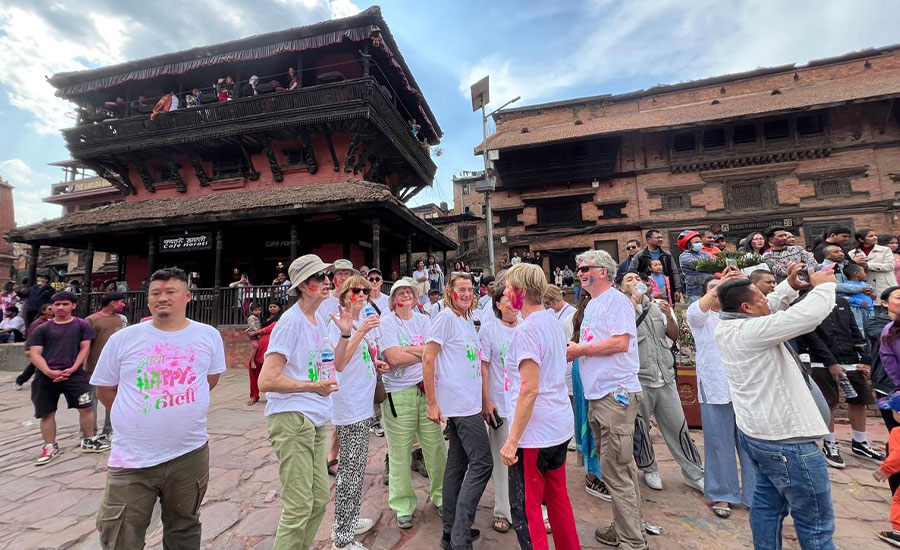
Holi in Bhaktapur Durbar Square
Bhaktapur, with its medieval charm and deep-rooted Newar culture. Provides a Holi celebration with a traditional and family vibe. Throughout the Bhaktapur Durbar Square, and neighborhood or community participates by throwing colors, singing, dancing, and sharing traditional foods. The ceremony of Holika Dahan here is a cultural event that promotes bonding.
Holi in Bhaktapur is a quieter affair which focuses on family and neighbors unlike one in Kathmandu which is just a crowded celebration. The local more inclined towards flowers, music, and traditional dancing and sweets like sel roti, while tourists can join in for a much realer view. The slower pace of Bhaktapur helps visitors become immersed in the culture, enjoy the ceremonies, and blink in wonder at the historic charm of the temples and palaces on Holi, the festival of colors.
Pokhara: Lakeside Celebration Amid Scenic Beauty
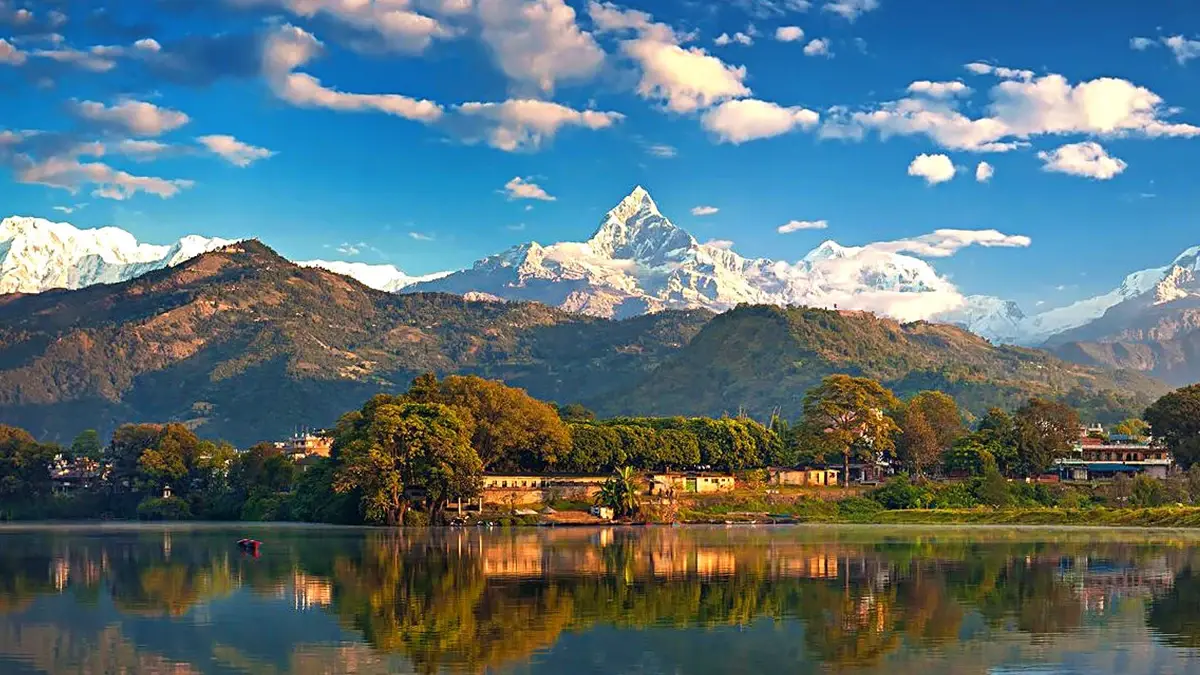
Holi in Pokhara: Lakeside
Pokhara offers a different Holi festival in Nepal experience, blending tradition with natural beauty. The lakeside city located between the Annapurna mountains and Phewa Lake provides the festival a relaxed and scenic environment. As colors, music, and dance light up the streets, lakesides, and resorts.
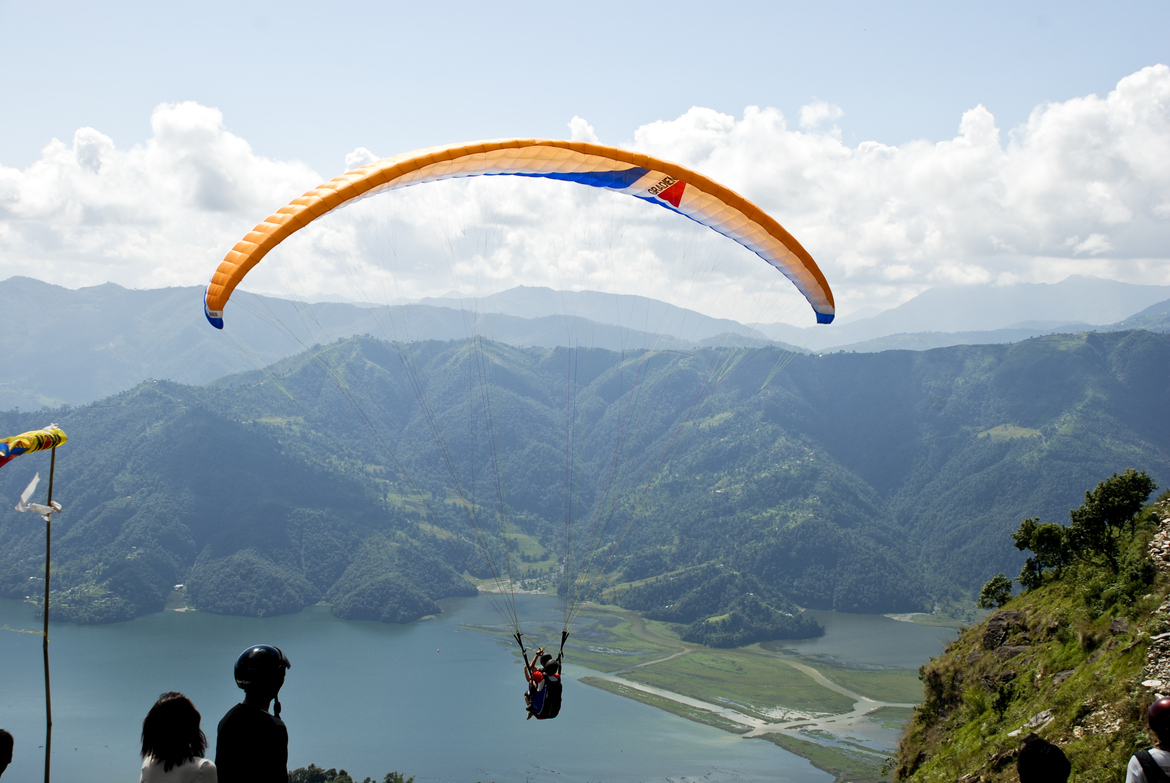
Visitors may indulge in outdoor activities such as boating, paragliding, or trekking during Holi. The festival becomes more charming with the lovely lake and fabulous mountain views of Pokhara. This is why the place is ideal for tourists to enjoy Holi in a scenic, peaceful yet colorful environment. Pokhara is having both old festival and adventure tourism unique.
Sauraha (Chitwan): Holi Amid Nature and Wildlife
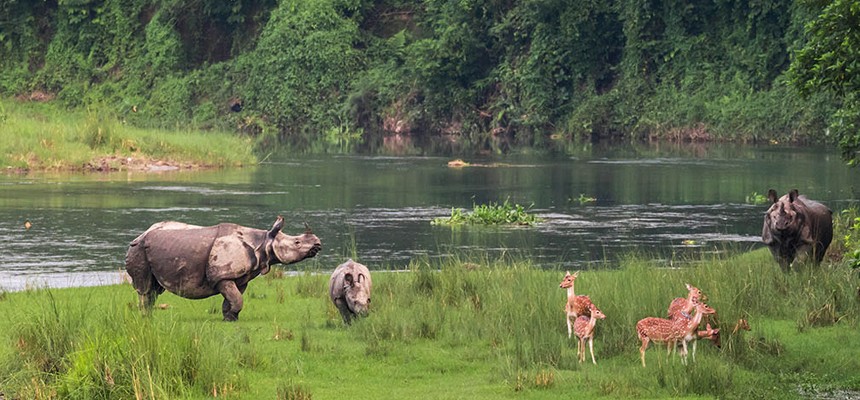
Holi in Sauraha (Chitwan)
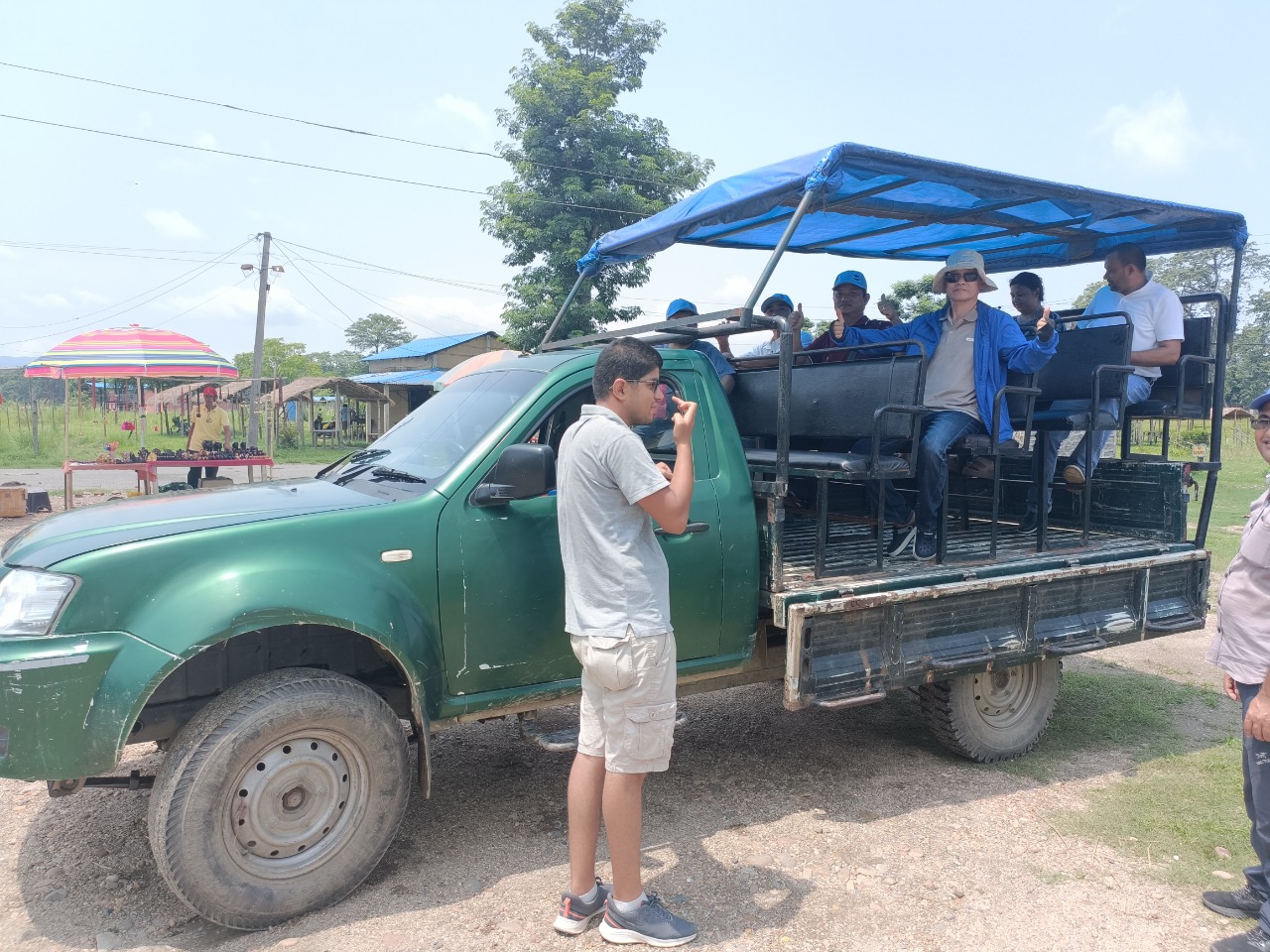
Sauraha provides a distinctive Holi experience by combining festival celebrations with nature and wildlife adventures. You can start your day off with a safari at Chitwan National Park where you can catch a look at Rhinos, Tigers, Elephants and many others. In the afternoon, the town’s streets become lively with colorful Holi celebrations, with people throwing colors and dancing on the banks of the Rapti River.
Various lodges and resorts in Sauraha will hold Holi programs featuring indigenous food, music and guest lodging. The experience of wildlife and culture makes Sauraha a wonderful destination for those who want a Holi celebrtaion with an adventurous and offbeat touch. The peaceful surroundings stand in contrast to the exciting celebrations that take place here, which makes it ideal for all lovers of peace and culture.
Holi Festival in Nepal Date: When Is Holi Celebrated in Nepal?
The Holi Festival in Nepal is celebrated over a couple of days in Nepal. The dates of Holi differ every year as Holi follows the Hindu lunar calendar (Falgun Purnima- full moon of Falgun month). Celebrate pattern is also different by region. In the hilly region of Kathmandu valley (Kathmandu, Bhaktapur, Lalitpur) first day of Holi is celebrated. Similarly, in the Terai region (southern plains of Nepal), Holi occurs on the second day. This creates a beautiful flow of cultural celebrations across the country as the festival moves geographically from the hills to the plains area.
As a whole, Holi in Nepal occurs from late February to mid-March based on the lunar cycle. Due to this lunar reckoning, the English (Gregorian) date changes every year. Thus, it is vital to check the official holiday calendar before planning a visit for travelers and tourists. Holi is a multi-day national celebration, where colors are celebrated in their respective social and cultural contexts, beginning with Holika Dahan on the night preceding the main festival and followed by regional color festival days.
Holi Festival in Nepal – Upcoming Dates (English Calendar)
Year
Holi Date in Hilly Regions & Kathmandu Valley
Holi Date in Terai Region
2026
March 2, 2026
March 3, 2026
2027
March 22, 2027
March 23, 2027
2028
March 11, 2028
March 12, 2028
Note: Holi dates vary every year due to the lunar calendar system. Always confirm official public holiday announcements before travel planning.
Conclusion: Holi Festival in Nepal
Holi festival in Nepal is a celebration of colour and much more. Holi refers to being happy, togetherness, and expression of culture. It unites people from various communities, ages and backgrounds for fun-filled laughter and music. Apart from the fun side, the festival of Holi promotes forgiveness, renewal of broken relationships and social harmony.
For tourists, Holi offers a unique opportunity to witness Nepalese traditions firsthand. From the lively throngs at Kathmandu Durbar Square to the family-centred fun in Bhaktapur, the scenic lakeside festivities in Pokhara, and the wildlife-rich amusement in Sauraha, each place has its own take on the festival. By joining these celebrations, travelers get an opportunity to engage with Nepal’s culture, hospitality and playful spirit.
In the end, Holi in Nepal is all mythology, culture nature and joy which is unforgettable. A festival that brings community together to inspire positive vibes and create memories. Visiting Nepal is incomplete without experiencing the Holi festival in Nepal, which is an integral part of enjoying activities that reflect the spirit of Nepal.
Contact Us to Celebrate Holi in Nepal
Celebrate the vibrant Holi Festival in Nepal with Graceful Adventure Travel and experience colors, culture, and community like a local.
How to Travel from America to Nepal: A Complete Guide
Nepal is a dream destination for many American travelers. From its Himalayan ranges to its famous trekking routes around the world, Nepal has an experience that would remain etched in your memories forever. Whether you’re planning a travel from America to Nepal, this travel guide has everything you need to know.
Why Travel From America to Nepal?
Affordable and Well-Organized Travel Options
Many travelers and tourists from USA seek for Nepalese travel due to a variety of tour packages offered by this country that provide a good cost-benefit equation. When comparing different adventure travel destinations, tourists will find that it is relatively cheap here while still offering good services, meaning that American tourists who travel from America to Nepal are able to travel for a longer period of time.
Another benefit is that the travel packages are well organized. There is great scheduling of tour packages in Nepal, and this includes airport transfers and tours by professional organizations in Nepal. Thus, there is less work or strain associated with travel by individuals who have come long distances and allows them to enjoy their travel experience, making Nepal one of the most attractive destinations for first-time travelers to the USA.
World-Famous Trekking Experiences
Nepal is known all over the world as one of the finest destinations for trekking. This is the chief cause of American tourists who travel from America to Nepal heading towards Nepal. Some of the most demanded trekking packages in Nepal are Everest Base Camp Trek, Annapurna Base Camp Trek, and Langtang Valley Trek. Trekking through the Himalayas provides adventurous tourists breathtaking views of the majestic mountains and unique experiences that do not exist anywhere else in the entire world.
These trekking packages are designed and developed according to international standards and include guides and porters, accommodation and meals, and safety and permit procedures. Many Americans have the dream of reaching Everest Base Camp or passing by the villages of the mountains. This is an achievable and fulfilling dream because of the infrastructure that is established in Nepal.
Expertise of Nepal Travel Agencies
Trustworthy travel agencies in Nepal are also very important in attracting tourists who travel from America to Nepal. This is because local travel agencies are well aware of their routes, destinations, and culture, and hence they are able to create effective and entertaining programs for tourists. They are also aware of the demands of American tourists.
Most Americans like to make travel arrangements through a travel agency in Nepal, and this is because it allows them to benefit from local knowledge and responsible travel practices in the country. Travel agencies in the country are well adept at handling trek, cultural, and adventure travel in the country, and this instills confidence in Americans to travel to the country.
Cultural, Spiritual, and Meaningful Travel
Many tourists from the USA nowadays prefer to experience the place, rather than merely traveling around, and Nepal is the best destination to satisfy their requirements. The country is home to rich cultural and religious events, such as temples, monasteries, festivals, and nirvanas. Cultural tours in Kathmandu, tour packages of Lumbini, and interactions with locals are some popular tour package options available in Nepal.
Further, Nepal is a favorite destination for volunteer work, meditation, yoga, and wellness holidays. Tourists can also choose to stay in villages or spiritual stays that focus on Personal Growth and Cultural Immersion. Such options appeal to emotional American tourists who travel from America to Nepal and expose them to the rich cultural background of Nepal.
Warm Hospitality and Professional Service in Nepal
One of the most essential factors making USA traveler feel comfortable and safe when choosing Nepal as their tourist destination is the cordial and professional nature of the local trekking and tour guides. The licensed trekking and tour guides of Nepal have the attribute of being extremely patient and have a great sense of responsibility. The role of the trekking and tour guides goes beyond the boundaries of taking care of the safety of the tourist during the trekking and touring process. The trekking and tour guides also help the tourist with their day-to-day requirements.
In terms of accommodation, hotels and resorts across the different price brackets in Nepal offer excellent service to tourists. The staff at the hotels can well be described as polite and respectful and ever ready to help the tourists. Even while trekking through the interior and the remote places of Nepal, one feels welcomed and treated with respect by the owners of the lodges and restaurants. Such factors ensure that American tourists feel relaxed and well-taken-care-of.
Cafes & restaurants in Nepal again include the warmth of Nepalese hospitality. The employees of restaurants are known to be polite, tolerant, and helpful. The restaurants also provide flexibility when it comes to menu selection. They disclose information about the ingredients of dishes. They also take into consideration the preferences of visitors. Whether it is a local restaurant or an igloo café, Americans will find the warmth of the people extremely entertaining. The conduct of the guides, hotels, and restaurants combines together to provide a safe environment for travel from America to Nepal .
Flight Options from USA to Nepal (Kathmandu)
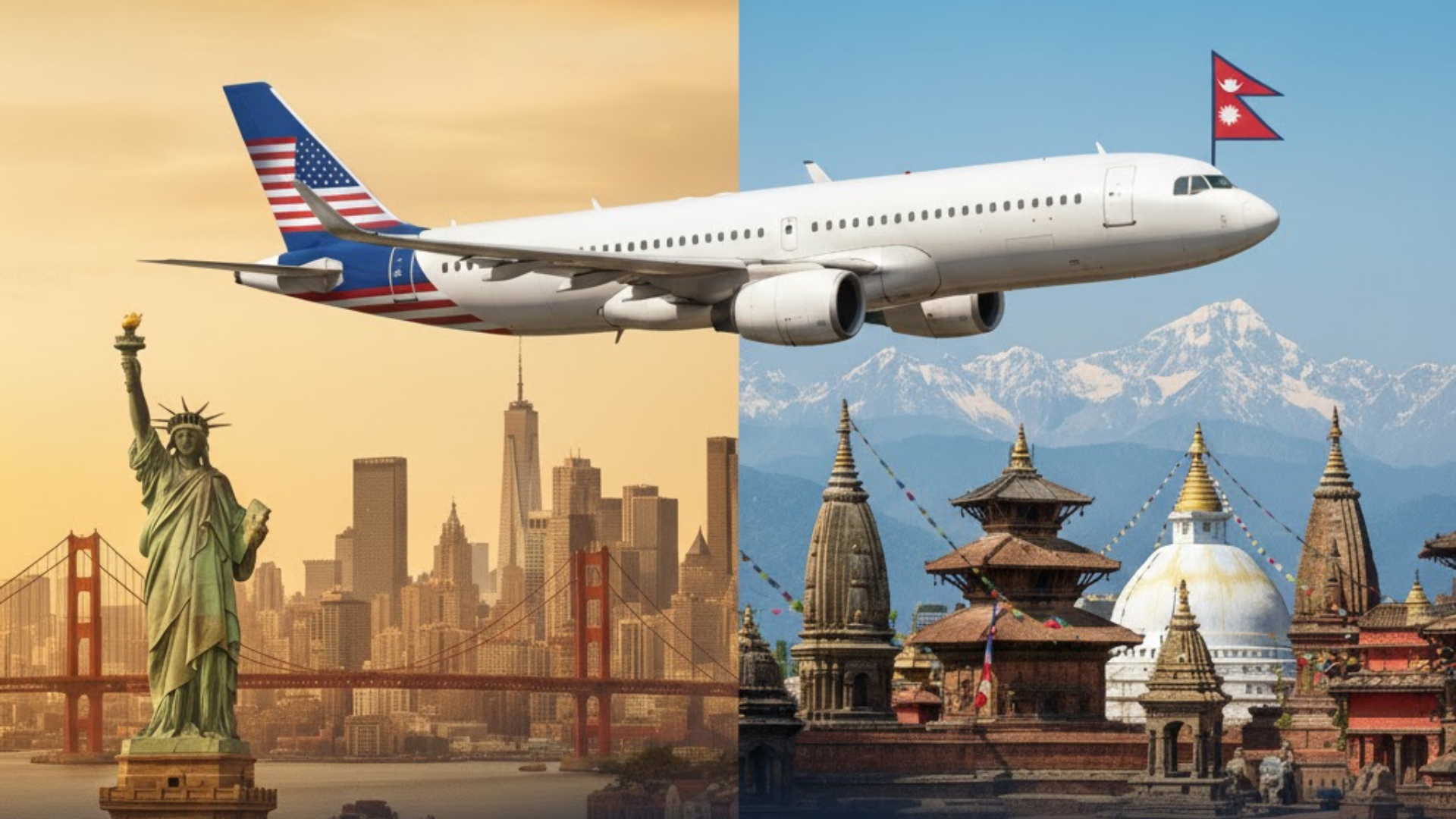
Since there are no direct flights from the USA to Nepal, all journeys involve at least one transit stop in a major international hub. The choice of airline and transit city affects comfort, service quality, and total travel time. Depending on your budget and preference for luxury or value, there are multiple options for American travelers.
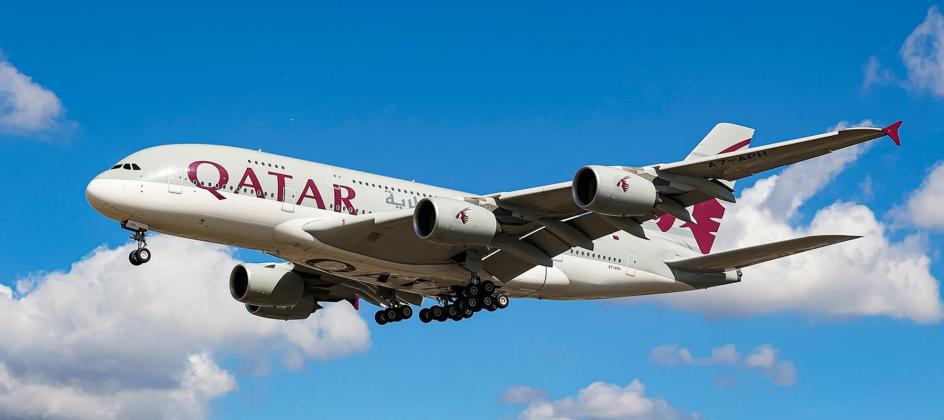
Qatar Airways is considered one of the most comfortable and dependable airlines when it comes to traveling from USA to Nepal. The majority of flights transit through Hamad International Airport(DOH) in Doha, a consistent winner of “best airport” awards. Passengers are able to experience.
It offers super services and lounges access in business class.
There is generous leg space in economy seats.
The top-notch entertainment and dining on offer are found on modern airplanes, like the Boeing 787 Dreamliner.
Regular flights from Doha to Tribhuvan International Airport (KTM) in Kathmandu ensure high-end travel experience.
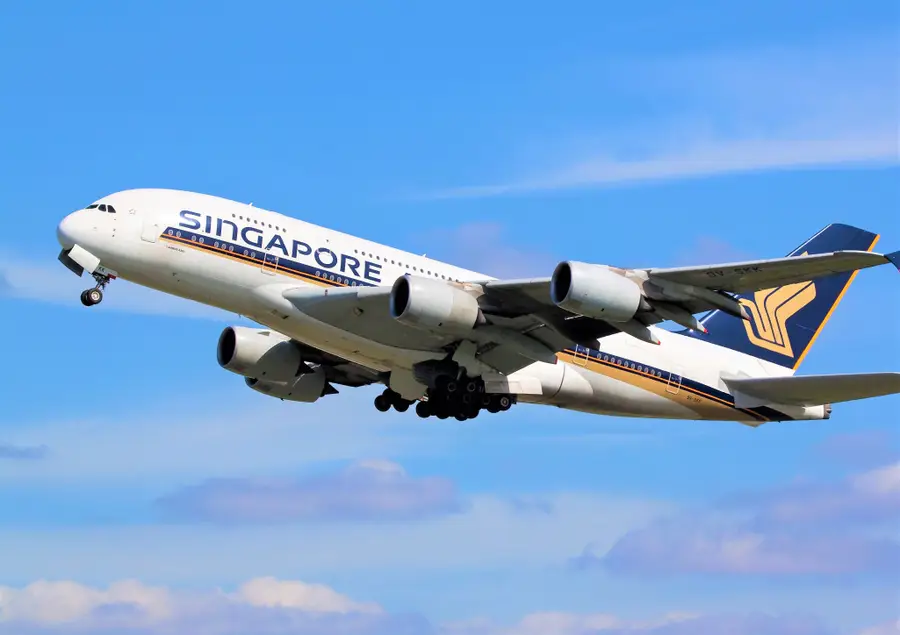
2. Singapore Airlines (via Singapore): You Get High-End Service
Travel from America to Nepal via Singapore Airlines
Singapore Airlines’ hub at Changi Airport (SIN) is known for comfort, cleanliness and great connection facilities. Although flights from the US may be long, passengers benefit from
Excellent Air Service with Generous Space
High-quality resources for food, entertainment and lounges.
Pre-flying transfer procedure to Kathmandu must be efficient.
People who are keen on a luxury flying experience can choose this route even if the total travel time is more.
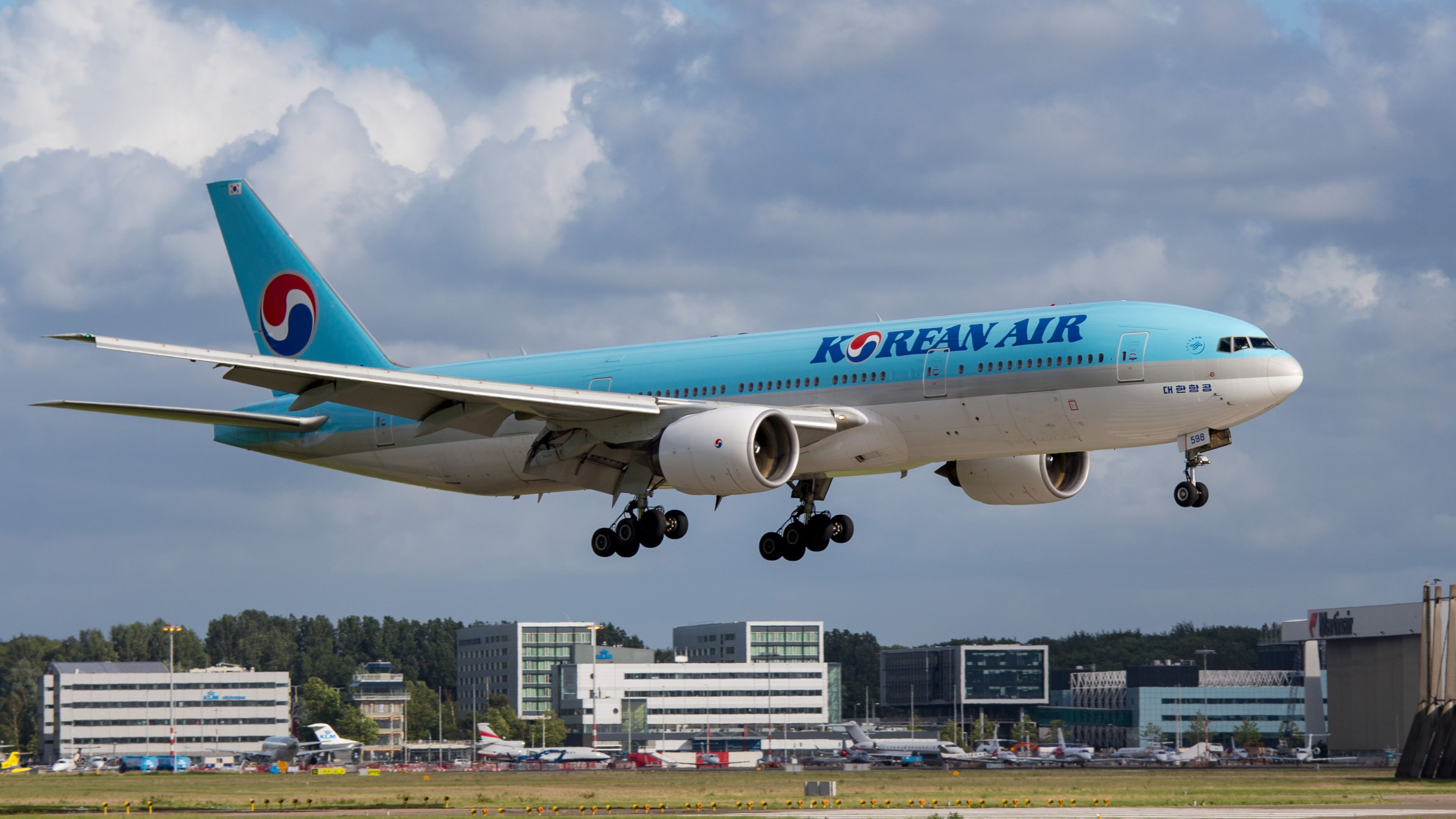
3. Korean Air (via Seoul, South Korea): Korea Best Wang.
Travel from America to Nepal via Korean Air
Korean Air connects through Incheon International Airport (ICN) in Seoul. Further, they are known for its high quality service in economy as well as premium class. The second leg to Kathmandu is usually undertaken on a Boeing 777. For passengers who prefer reliable service, comfort and efficiency, this is an attractive option.
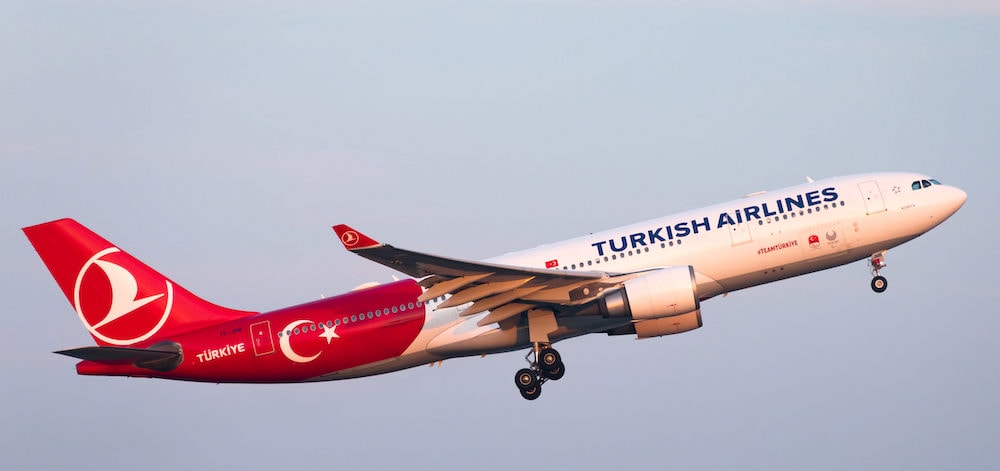
The plane takes a transit through Istanbul Airport (IST) before continuing to Kathmandu. The airline offers:
Strong onboard service and comfortable seating
One-stop access covering Europe, Asia, as well as the Middle East
Traditional Turkish hospitality and cuisine
It is appropriate for travelers wishing to have their destination in Europe and Nepal
Budget & Value-Focused Options
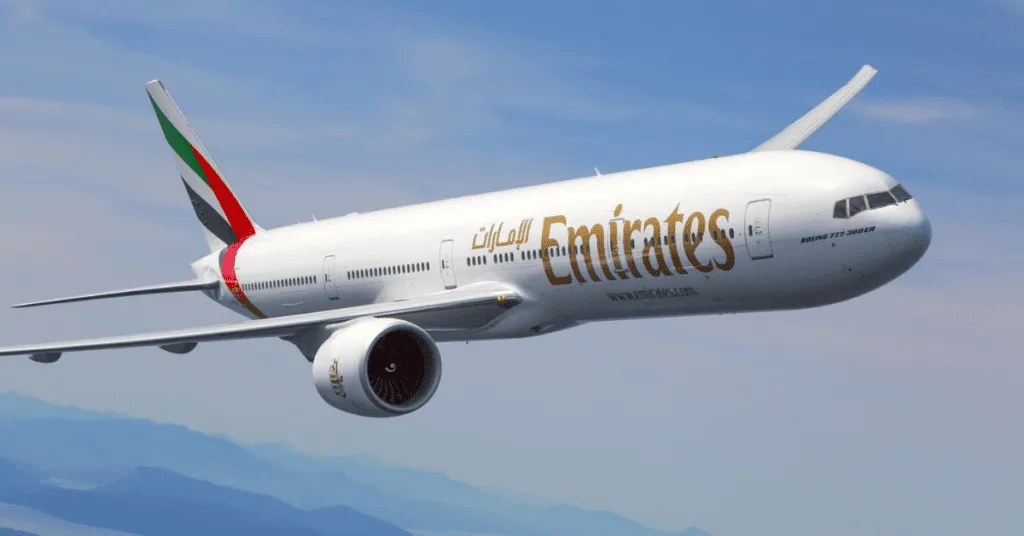
5. Emirates (via Dubai, UAE):offers balanced comfort and pricing.
Travel from America to Nepal via Emirates
In the United States, Emirates can fly you to Dubai International Airport (DXB) and on to Kathmandu. Emirates often offers onward travel to the capital of Nepal on Flydubai (the budget airline of Emirates) or a code-shared Emirates flight. Advantages include.
Promotion phrase: “Cabin service with excellent entertainment”).
Economy and premium cabins offer spaciousness.
This layover hub has ample facilities.
Booking in advance would help you get a decent price for this.
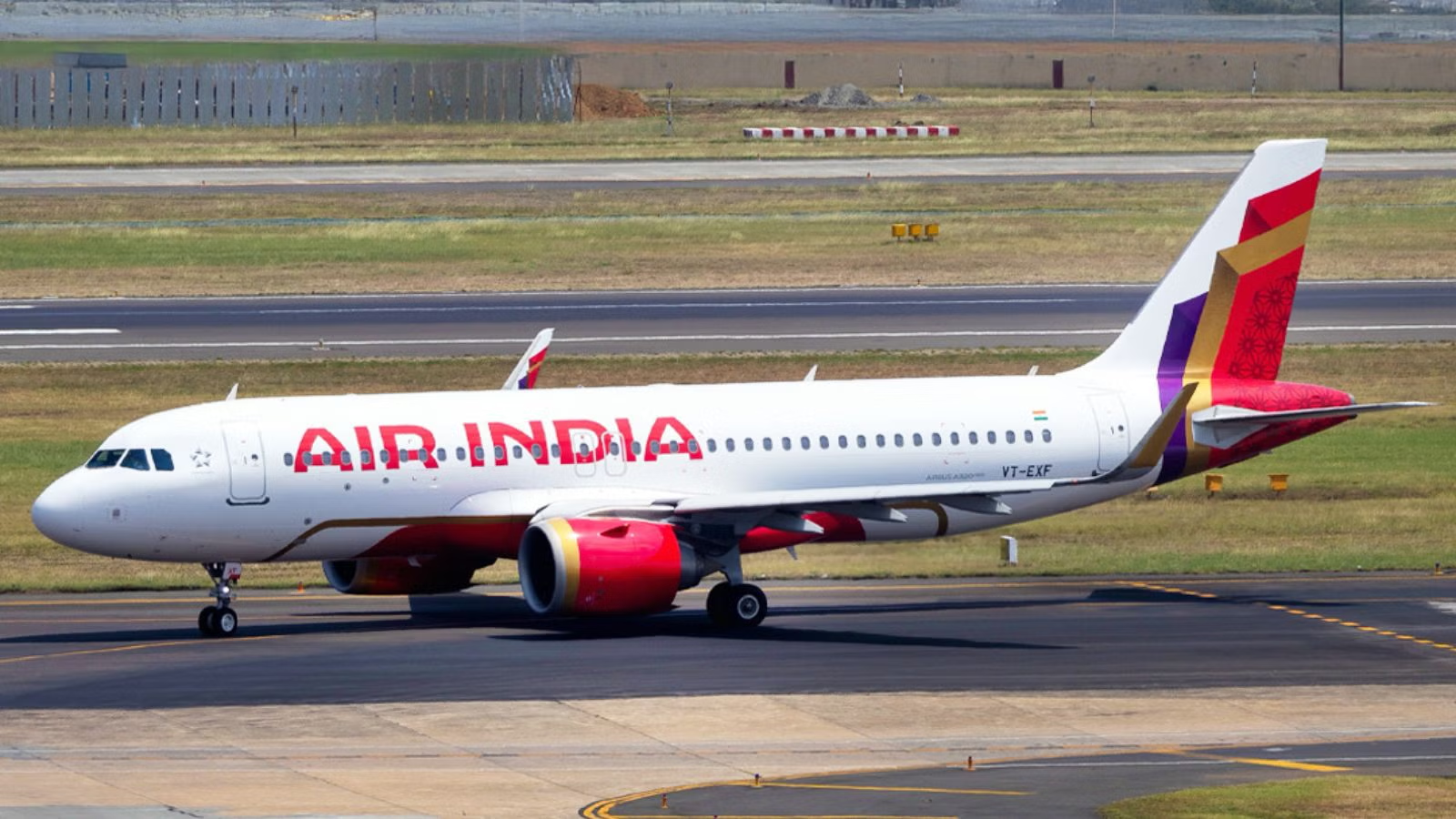
6. Air India (Via Delhi, India): An Affordable Option.
Travel from America to Nepal through Air India
Air India offers a great price route from Indira Gandhi International Airport DEL in Delhi as it has short flights to Kathmandu almost daily. Low Cost Carriers May Not Be Full Service But Are Popular With Sensible Travelers.
Regular flights to kathmandu.
Affordable transportation within India.
Satisfactory meals and service on long-haul segments.
Keep in mind that there might be a baggage handling and transfer plan issue with Indian transits, especially with separate tickets.
Typical Transit Cities & Benefits
Airline
Transit City
Key Benefits
Qatar Airways
Doha
Excellent lounges, smooth transfers
Singapore Airlines
Singapore
World-class airport, premium service
Korean Air
Seoul
High-quality service, direct second leg
Turkish Airlines
Istanbul
Good connectivity, reliable service
Emirates / Flydubai
Dubai
Comfortable long-haul flights, strong transit hub
Air India
Delhi
Budget-friendly, frequent connections
Travel Tips for Flights from USA to Nepal
Purchase individual tickets with the following major airlines to guarantee the automatic transfer of luggage during connections:
Book single tickets with major airlines to automatically transfer your baggage through connections.
If you’re taking a long flight (20 hrs+), consider business or premium economy.
Be sure to check the duration of the layover for each of the airports. Short transits reduce total travel time. Longer layovers could allow you to rest, and even spend time sightseeing in the transit city.
When you compare flight times, stopovers and airline reputation options, you will find the best option for your schedule.
Where to Visit in Nepal?
Nepal is a beautiful country that attracts all sorts of travelers. Nepal has everything, whether you’re looking for luxury resorts, budget stays, or mid-range hotels. With cities and mountains, national parks, river rafting and more, a great deal of diversity is offered by the country. Everybody can find something of their interest. Whether it is adventure lovers, culture seekers, or spiritual travelers, each will find something unique here. The following are some well-known destinations as well as trekking regions of Nepal.
Top Places to Visit in Nepal
Kathmandu
Kathmandu City
Kathmandu is the capital city of Nepal which is famous for its culture and history. The city has ancient temples and stupas, palaces, many temples fortunate to be UNESCO world heritage sites. Tourists do not have to travel far to find the unique architecture, religious rites and historical significance of popular places of Nepal. Places like Pashupatinath Temple, Boudhanath Stupa, Swayambhunath (Monkey Temple) and Patan Durbar Square are worth visiting. In addition, tourists can also explore the busy bazaars and artisan shops and experience the urban life of the locals.
For American Travellers who travel from America to Nepal, Kathmandu has more significance than just being a city. It is a gateway. Many trekking and tour packages start from here, allowing visitors to explore the cultural richness before entering the mountains. The city does also have a lot of accommodations from luxury hotels to budget guesthouses to fit all kinds of travelers.
Pokhara
Pokhara City
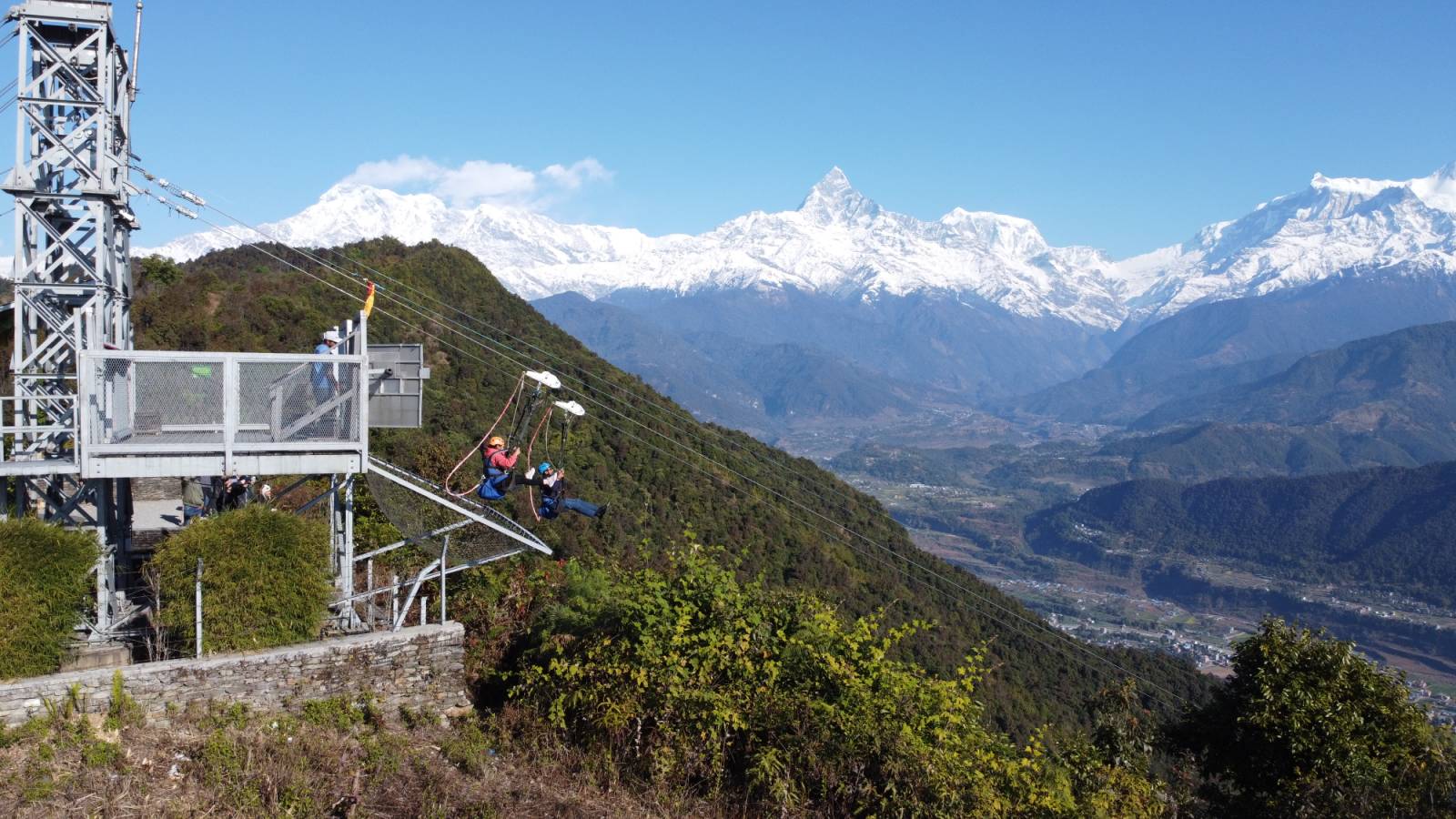
Nestled within stunning mountain scenery, Pokhara offers a panoramic view of the Annapurna range whilst being a favourite tourist destination. The city has Phewa Lake, World Peace Pagoda, Devi’s Fall and several caves. Adventure enthusiasts can go for paragliding, boating or zip-lining while others sit by the serene lake enjoying the panoramic views of snow-capped peaks. Pokhara is suitable for people in search of adventure and a leisurely time.
Additionally, the Annapurna Base Camp and the Annapurna Circuit treks can be started in Pokhara and belong to Pokhara. American tourists who travel from America to Nepal can enjoy. It’s ideal for Americans who want a mix of adventure and relaxation all in one place, with its comfy hotels and restaurants
Chitwan National Park
Chitwan National Park
Chitwan National Park is a must-visit for wildlife enthusiasts. The Bengal tiger, one horned rhinoceros, elephant and birds are found in the park. Guided jeep safaris, elephant rides and canoe trips on the Rapti River are available for visitors of the park.
American tourist can enjoy Nepal’s bio-diversity staying at eco-lodges or jungle resorts in Chitwan, will certainly excite you. Furthermore, similar to other national parks, other visitors, the park also offers an opportunity to get cultural insight with locals, visitors get a taste of their local experience and traditions.
Lumbini
Lumbini
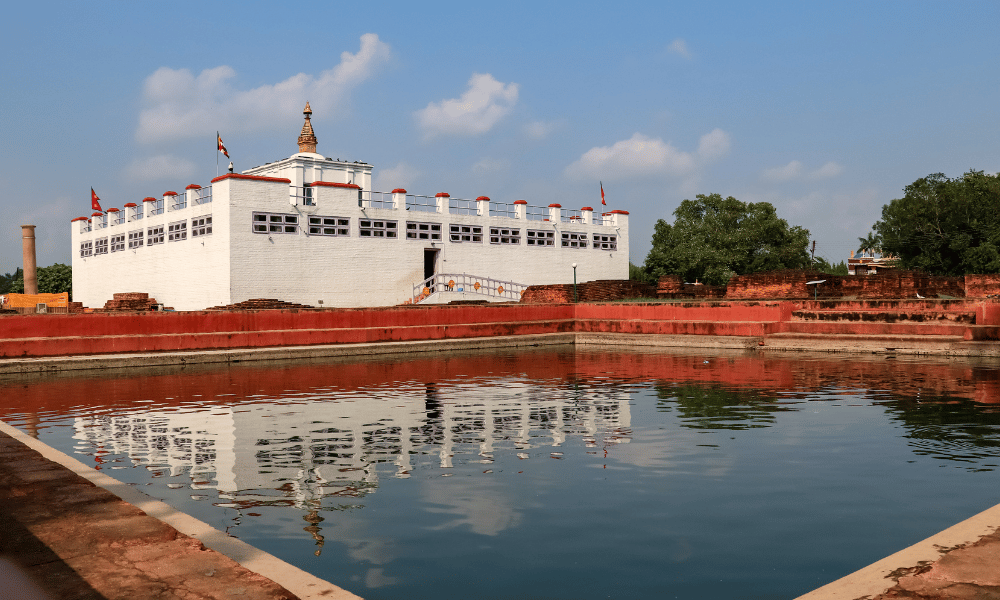
Lumbini is the birth place of Lord Budhha, an essential pilgrimage destination. In this area, there are ancient monasteries, meditation centres and the Maya Devi Temple which are visited by pilgrims and travellers. Those interested in spirituality and history will enjoy a walk through the gardens and sacred sites of Lumbini.
Lumbini, With Culture, History And Peace, Is A Great Retreat For American Tourists who travel from America to Nepal. The town has various accommodations to suit every traveler’s need from simple guesthouses to comfortable resorts. One can visit this town to enjoy a spiritual experience without compromising on comfort and the comforts of home.
Everest Region
Everest Region
The Everest Region is Famous For Trekking and Climbing. Trekking Everest Base Camp, Gokyo Lake, Ama Dablam base camp and much more offers picturesque views of Himalaya with Sherpa culture. Travelers can visit villages, monasteries, and mountains while enjoying high altitudes and adventure thrills.
Trekking to the Everest region in Nepal comes with amazing experience that every American trekker who travel from America to Nepal want to do once in a lifetime. The trekkers’ packages, guided tours, and tea house facilities ensure that it is possible for both novices as well as experienced trekkers to experience a cultural and adventurous hiking experience.
Annapurna Region
Annapurna Region
The Annapurna region, including the Annapurna Base Camp, Annapurna Circuit, Nar Phu Valley, and Upper Mustang, is an excellent spot for trekking. The treks on this high altitudes range from temperate to sub-tropicals forests to high-altitude desert and reflect the culture of traditional mountain villages.
Annapurna was one of the American travelers’ common choice due to its scenic, cultural, and trekking accessibility. Through teahouse stays, trekking packages, and guide services, tourists enjoy support to explore one of the most scenic regions of Nepal.
Manaslu Region
Manaslu Region
The trekking region of the Manaslu area has awesome natural beauty. Tourists include Manaslu Circuit Trek and Tsum Valley in their itinerary. Dramatic landscapes, glaciers and villages full of Tibetan culture await trekkers. Travelers in search of the road less traveled.
The genuine Himalayan experience offered by the Manaslu region attracts American visitors. Trekking packages provide safety and convenience to visitors, allowing them to hike through popular hiking spots. Off the beaten track trails to meet the welcoming locals of Nepal and experience the unspoiled mountains of Nepal.
Langtang Region.
Langtang Region
The Langtang region is not far from Kathmandu. Trekking to the Langtang Valley, Gosaikunda is easily accessible from Kathmandu. The tourist spot is known for lakes, forests and mountain ranges. There are numerous settings. American travelers who travel from America to Nepal looking for a short trek with rich scenery and culture should consider Langtang . The area’s teahouses, friendly residents and well-marked trek make it suitable for beginners and experienced trekkers looking for a tranquil mountain experience.
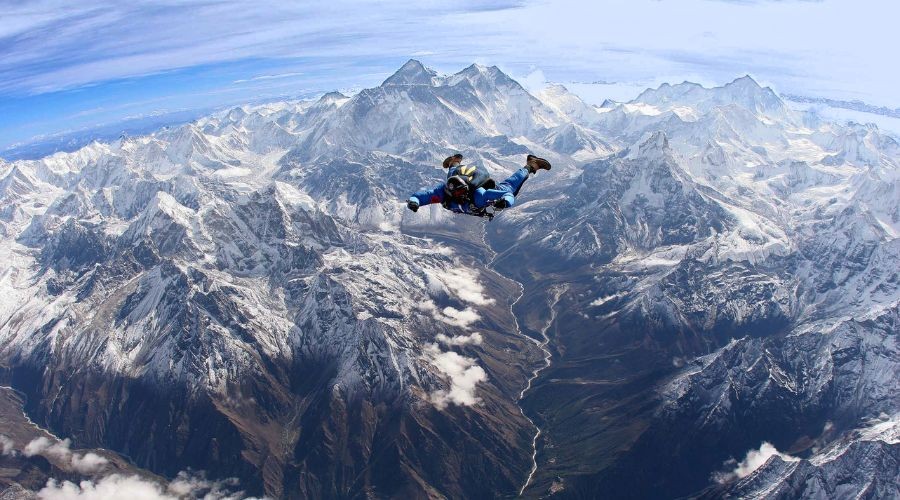
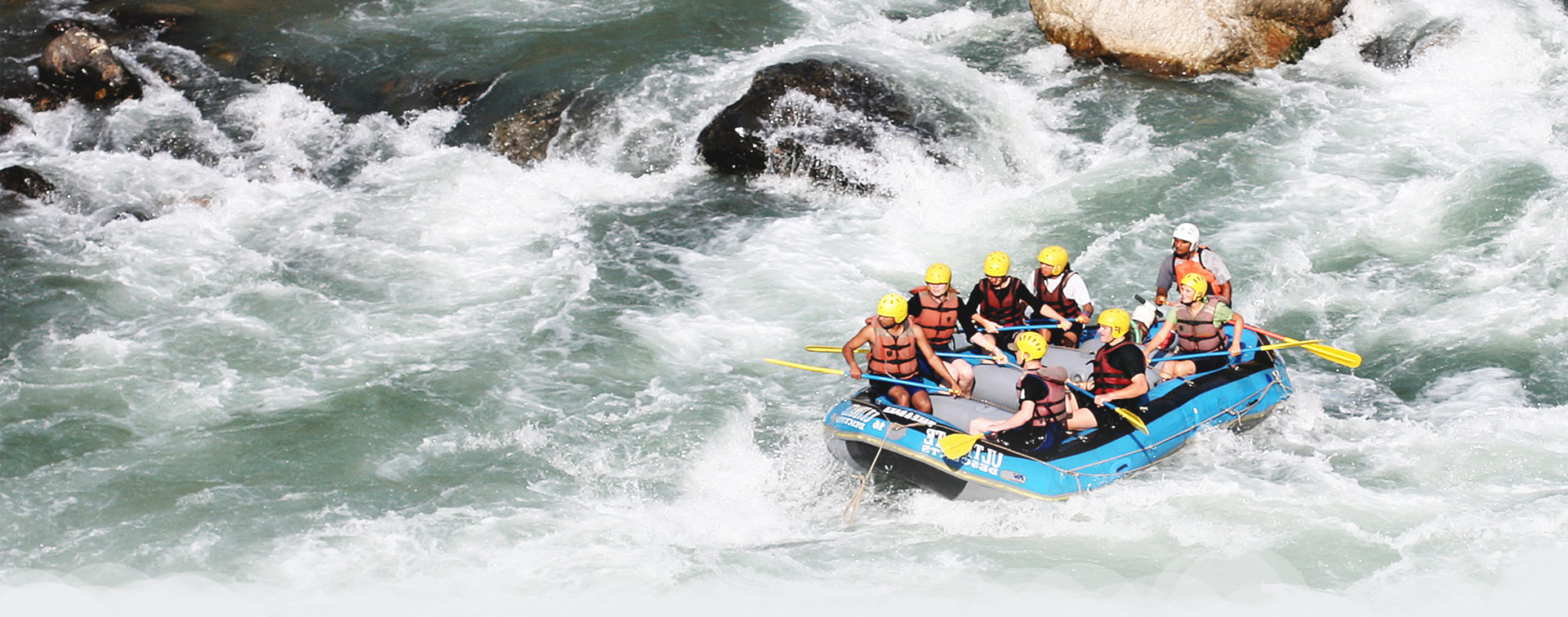
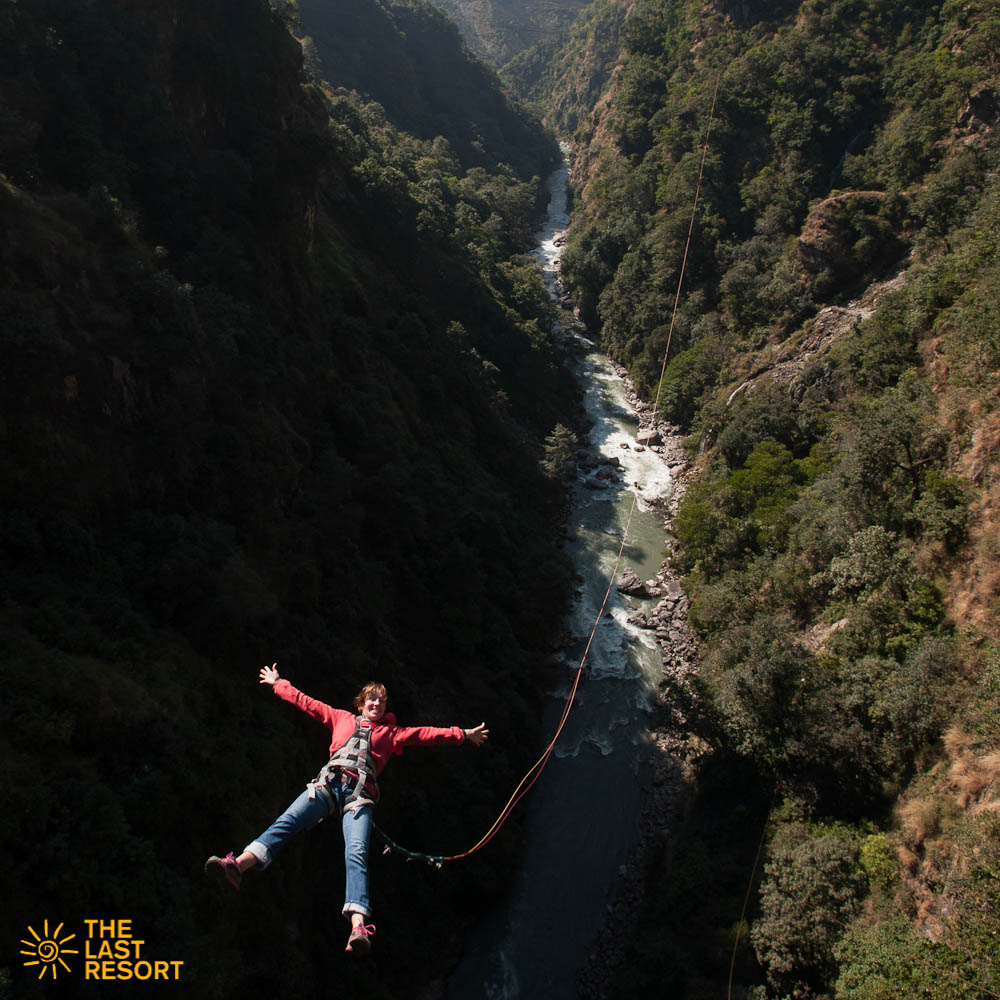
Apart from famous places like Kathmandu, Pokhara, Chitwan, Lumbini and popular trekking regions of Everest, Annapurna, Manaslu. The country offers a variety of adventure activities to partake, including but not limited to rafting, paragliding, helicopter tours, bungee jumping and ultralight flights over the Himalayan range. No matter what your travel style or interest is, Graceful Adventure Travel can create a bespoke package just for you: cultural exploration, mountain trekking, wildlife adventure. Nepal can be your dream trip and we know how to make it easy, safe and unforgettable as we get you to explore Nepal the way you want.
Costs & Budget of Nepal Tour from USA
Nepal is one of the most affordable travel destinations for American tourists, offering options for every budget without compromising the experience. The daily cost will greatly depend on your travel style, accommodation, food and drinks, and activities. An estimated budget traveler can comfortably manage their stay at Nepal for $40–60 per day staying at guesthouses or hostels, eating local food and using public transport. Travelers in want of more comfort can be happy with a mid-range budget of about $70–100 per day. This includes comfortable hotels, guided tours, and some private transport. Luxury travelers can get high-end resorts; private vehicles; premium trekking packages and exclusive experiences starting $150 a day.
At Graceful Adventure Travel, we create travel packages that meet budget and mid-range travelers. If you are looking to minimize your travel costs, we can offer itinerary and accommodation services which will cost you not more than $30–60 per day. Meals and activities will be arranged locally, shared vehicle and entry to major attractions will be included in package. Mid-range travelers can expect packages starting at around $70–120 per day, which include stay at more comfortable hotels, guided tours, private transport and more activities. Luxury travelers can count on us to customize a package exclusively for them with no compromise on comfort, costing $150 and up daily with private vehicles, luxury lodges, exclusive adventure activities, etc.
Depending on the type of activities, additional costs may be incurred, so it is important to note. Adventure activities, including trekking, rafting, paragliding, helicopter tours, bungee jumping, and ultralight flights, are generally an additional cost. How you travel public or private will also affect your average daily spend. Graceful Adventure Travel allows you to customize your trip according to your choice and budget. This lets you achieve your best mix of experiences, comfort, adventure, and of course, cost.
Best Time for USA to Nepal Travel
Nepal is a top destination for American travelers seeking adventure, culture, and Himalayan experiences. Since, american travelers look to experience adventure, culture and the Himalayas, Nepal ranks high. The ideal season to visit Nepal from the USA depends on what you plan to do. For instance, trekking in Nepal, Everest base camp tours, Annapurna circuit trekking, wildlife safaris and cultural tours. As a whole, spring (March to May) and fall (September to November) are the main holiday seasons for Americans.
Spring (March to May) – Ideal for Trekking in Nepal.
One of the best times for trekking in Nepal is spring. The climate is pleasant and stable, with most clear skies offering a better view of the Himalayas. Rhododendron forests bloom along popular trails, including Everest Base Camp, Annapurna Base Camp, and Langtang Valley, making the treks even more picturesque. The weather condition is very comfortable for culture tours for Kathmandu, Pokhara and Lumbini. You can easily explore the culture of these areas without hassle.
Autumn (September to November) – Ideal Time for Adventure and Culture.
Fall is the favorite season among American travelers. The air is crisp after monsoon and skies are clear offering exquisite Himalayan views. Due to mild temperatures and low chances of rainfall The Everest region trek , Everest base camp trekking, Annapurna Circuit trekking, Manaslu and Langtang treks, helicopter tours, Everest base camp helicopter tours, paragliding in Pokhara, and wildlife safari in Chitwan National Park are all some popular activities. Along with the major festival of Dashain and Tihar, autumn is also a great time to experience the culture and spirituality of Nepal.
Winter (December to February) – Time to look for adventure and sightsee.
Winter is a quieter time of year and perfect for those who want to avoid the crowds and travel on a budget. Low-altitude treks are cheerful, like Annapurna Base Camp, while Everest Base Camp may be full of snow. Wildlife safari, inner city tour and cultural heritage exploration can all be done in winter at Kathmandu and Lumbini.
Monsoon (June to August) – Lush Landscapes and Fewer Tourists.
Despite the rains and slushy trails, if the traveler seeks green terrains and peace, monsoon is the season for them. It is not advisable to trek in higher regions, but cultural tours, city sightseeing, and low-altitude adventure activities remain possible. American travelers on tours or trekking packages to Nepal are recommended during spring and autumn seasons. During these months the weather is the ideal one to experience stunning views of the Himalayas, vibrant culture and safe trekking conditions. When you want to travel to Nepal for an unforgettable experience you should visit during these months.
Safety & Travel Tips for Nepal Travel from USA
Nepal is generally a safe and welcoming country for American travelers, offering a mix of adventure, culture, and natural beauty. While traveling, it’s important to follow to basic safety measures, respect local customs, stay healthy, and prepare for high altitudes. Whether you wish to trek in the Himalayas or enjoy a cityscapes or adventure activities, a trusted travel agency like Graceful Adventure Travel will ensure that your trip is well-organized, safe and enjoyable.
1. Nepal is Generally Friendly and Safe.
Nepal is among the safest touristic countries in Asia, even for the USA visitors. Crime rate is fairly low, and the local people are very hospitable and helpful. Travelers commonly feel secure moving around cities like Kathmandu and Pokhara or in the remote Himalayas during the day. Like anywhere else, it imposes an onus to remain alert. Don’t visit isolated places after dark try not to lose sight of your belongings and always keep your surroundings in check especially in crowded markets or tourist spots. Many American travelers are capable of traveling independently, but there’s nothing wrong with booking a guided tour and package through a trusted travel agency like Graceful Adventure Travel for safety and convenience.
2. Respect the Culture and Dress Modestly.
Nepal bears a variety of ethnic cultures, languages, and religions. Travelers should dress modestly when visiting temples, monasteries, and rural villages. This is what you should wear to respect the locals and not hurt their sentiments. When travelling, it’s important to understand the local customs and follow the etiquette.
As an instance, always leave your footwear behind before stepping foot in a temple, avoid grasping any religious objects needlessly, and ask for permission to click snaps of individuals. Foreigners who demonstrate respect for Nepalese culture and spirituality receive more warmth and recognition from the locals of Nepal.
3. Drink Bottled or Filtered Water
Water security is very important in Nepal. It is not usually the case that tap water is safe to drink, especially in rural areas. Having an upset stomach can ruin your trip, as it is a common travel sickness.
It is better to drink bottled water or filtered and purified water. Most trekking agencies and lodges provide safe drinking water or purification tablets. For longer treks, a reusable water bottle with a filter can serve as a safe and environmentally-friendly option for staying hydrated.
4. Carry small cash and use ATMs wisely.
In the big cities like Kathmandu and Pokhara ATM and card payments are available but remote villages, trekking paths and small towns run on cash only. It is always a good idea to have small denominations of local currency to pay for food, transport and entry fees.
Credit and debit cards are convenient anywhere hotels, restaurants, and stores are big enough to accept them. For all else, it is usually cash. This is especially true in rural areas and on trekking. When you plan your cash needs in advance you will not stress out during your travels in Nepal.
5. Learn a Few Nepali Words.
Learning some key phrases in the Nepali language can help you a lot in travelling. Simple words like “Namaste” (Hello), “Dhanyabad” (Thank you), and “Sanchai cha?” (How are you?) are appreciated by locals and often lead to friendlier interactions.
When Americans who travel from America to Nepal attempt to speak the language, they are often given better directions, hospitality and communicate their thoughts or emotions. Any effort, no matter how small, counts for a lot in remote places. English may not be very well understood in places like the villages on trekking routes like Everest Base Camp and Annapurna Circuit.
6.Insurance and High-Altitude Safety
Trekking and mountaineering require a full travel insurance package. Treks in Nepal including Everest Base Camp, Annapurna Circuit, Manaslu Circuit and Langtang Valley go as high as 3,000–6,000 meters. This gives rise to a grave danger of altitude sickness.
Insurance must cover emergency evacuations and medical injuries as well as altitude. Graceful Adventure Travel and other travel agents arrange an insurance fitting for adventure activities. This ensures peace of mind and professional assistance in remote parts of the Himalayas.
7. Follow guidance from guides and travel agencies.
One of the safest ways to explore Nepal is with experienced guides. Local knowledge, health, and altitude monitoring along with safety during trekking, rafting or adventure activities like paragliding, bungee jumping, etc.
It is safe and secured when travelled with a trusted travel agent as they arrange transport, accommodation, permits, and activities. American travelers who travel from America to Nepal are fortunate to have pro support as they navigate unknown areas, making trips safer, more enjoyable and easier.
Nepal Visa Services for American Travelers
American citizens traveling to Nepal can receive a Tourist Visa on Arrival at Kathmandu’s Tribhuvan International Airport or at major land border points. Visa availability period of 15, 30 or 90 days allows for multiple entries while valid. Payment is made through U.S. dollars and you can save time at the airport by filling out the Electronic Travel Authorization (ETA) form online before the travel date.
Here is the current Nepal Tourist Visa cost for American citizens:
Visa Duration
Cost (USD)
15 Days
$30
30 Days
$50
90 Days
$125
Travelers who want to stay longer can extend their visas at the Department of Immigration Offices in Kathmandu or Pokhara. The extension fee is around $3 a day. However, if you want a multiple-entry extension, there is an extra again. Fines may apply for overstaying without extension.
At Graceful Adventure Travel, we make the visa process easy and hassle-free for American travelers who travel from America to Nepal. We assist you in filling out the Electronic Travel Authorization (ETA) form, explaining required documents, and advising on payment before your departure. When you land, we take you to the visa counter and ensure procedures are seamless and swift.
If you are on tour packages and trekking packages to Nepal, we also manage your visa and permit timelines, help you with extensions, and support you throughout your travel.
We lead the way so that travelers can concentrate only on the mountains, culture and hospitality of Nepal.
Conclusion
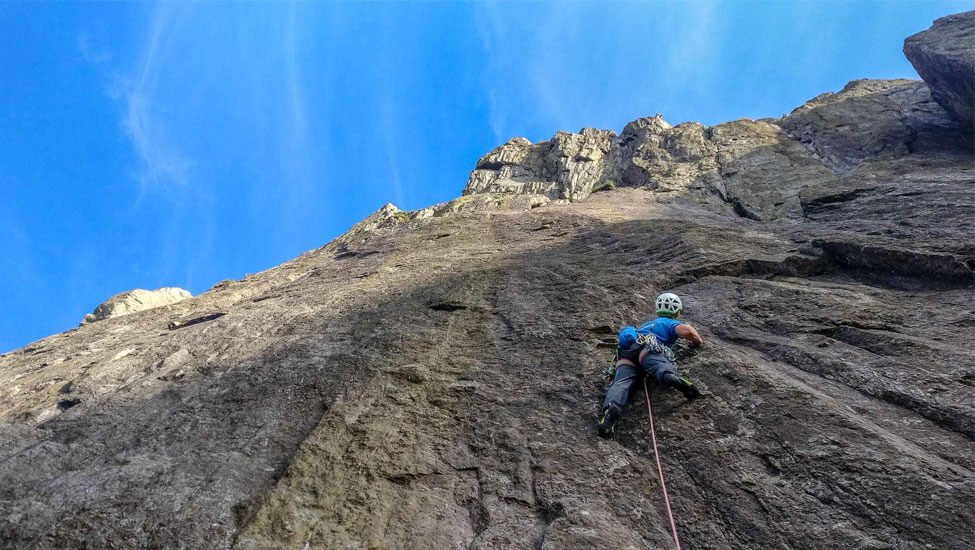
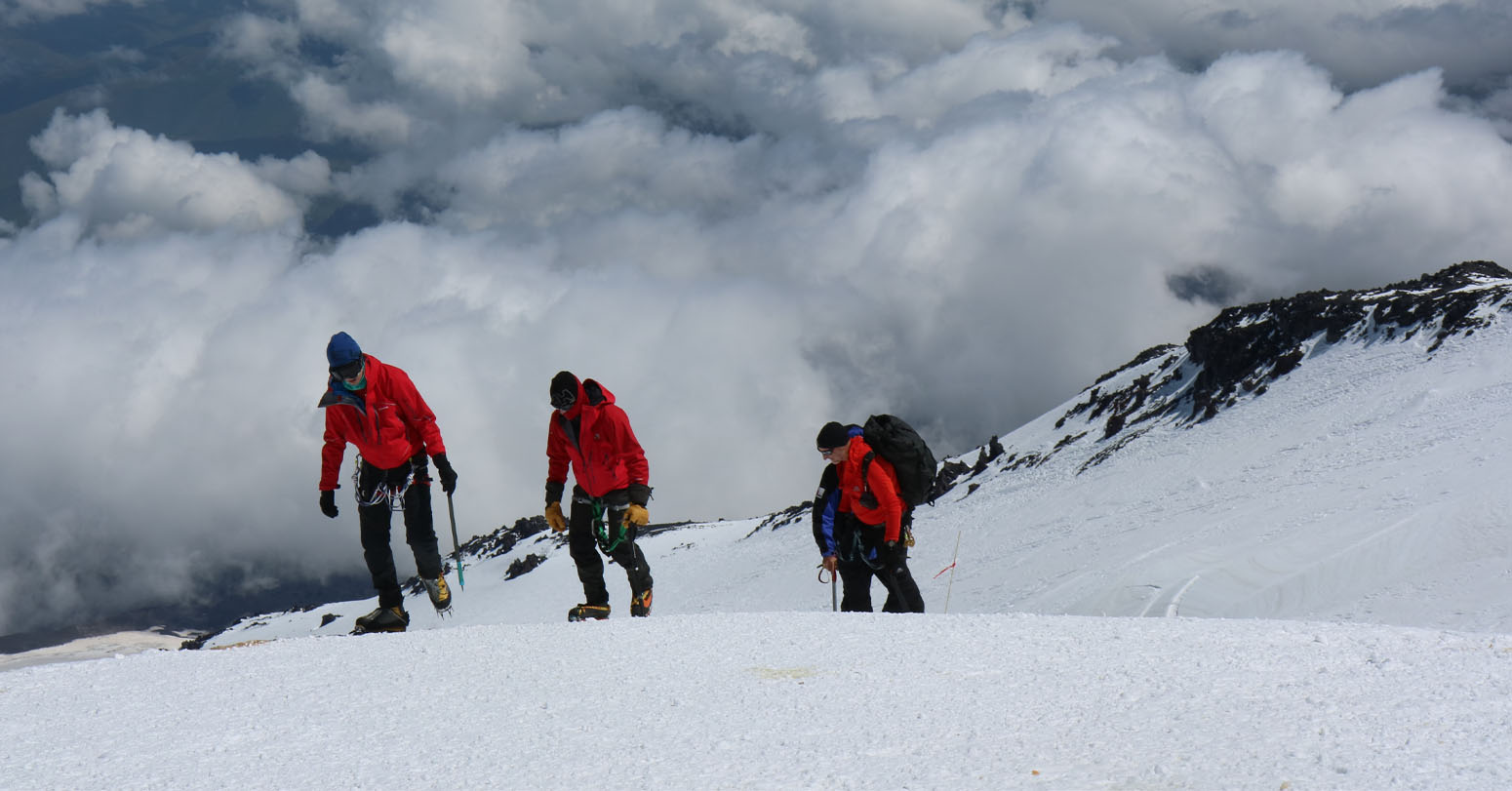
Nepal is a destination with endless possibilities, from breathtaking adventure to calm cultural experience. Nepal is a paradise for adventurers in Nepal. You may enjoy activating things such as helicopter tours, river rafting, bungy jumping, paragliding, and more along with trekking to the famous Everest Base Camp. Nepal is home to the world-famous Annapurna circuit, as well as Manaslu and Langtang trekkings. Those who love nature will get to see huge mountains, alpine lakes and parks rich in wildlife like Chitwan and Bardia. Lumbini, Monasteries, and Meditation Retreats Provides Peace and Spirituality to People.
Nepal is a travel destination that reminds of culture, heritage, and warm hospitality. American travelers who travel from America to Nepal are offered festivals, local villages and other age-old temples with an ease of having a good time. The inhabitants of Nepal are pleasant people. You can enjoy your journey without worrying about anything.
Traveling to Nepal from the USA is is easy and flexible thanks to numerous flights to Nepal, comfortable Visa services, and various accommodation options from budget hotels to luxurious resorts. With a trusted travel agency like Graceful Adventure Travel, you can be assured everything from transportation and trekking permits to cultural tours and adventure activities will be organized and managed well. Whether on a budget, mid-range, or luxury package; have a customizable as well as safe and unforgettable trip.
In short, as an American traveler who travel from America to Nepal, Nepal can be among the most appealing and unforgettable places in the world. Every visit is an opportunity to explore, connect, and create lasting memories in a country that truly has something for everyone.
Contact Details of Nepal Travel Agency from America
Nepal is one of the world’s premier trekking destinations, with its high mountains, deep valleys, and scenic trails drawing hikers from everywhere giving legendary treks like Everest Base Camp & Annapurna Base Camp. But if you are going to trek here, you will likely face one main question: Everest Base Camp or Annapurna Base Camp? Both offer amazing views and experiences, but both are indeed famous treks that are very different from each other. Choosing the right trek depends on your fitness, time, budget, and what kind of adventure you’re looking for.
Everest Base Camp is the more challenging trek. The trail leads to the base of the highest mountain in the world: Mount Everest, 8,848 m above sea level. Following the trail, you will pass a number of villages, including Sherpa villages like Namche Bazaar and Tengboche; see Buddhist monasteries; and experience Sherpa culture. The trek normally takes 12–14 days with a maximum altitude of 5,364 m and requires careful acclimatization. Weather can be cold and unpredictable. This trek suits those who seek high altitude, as well as iconic Himalayan views.
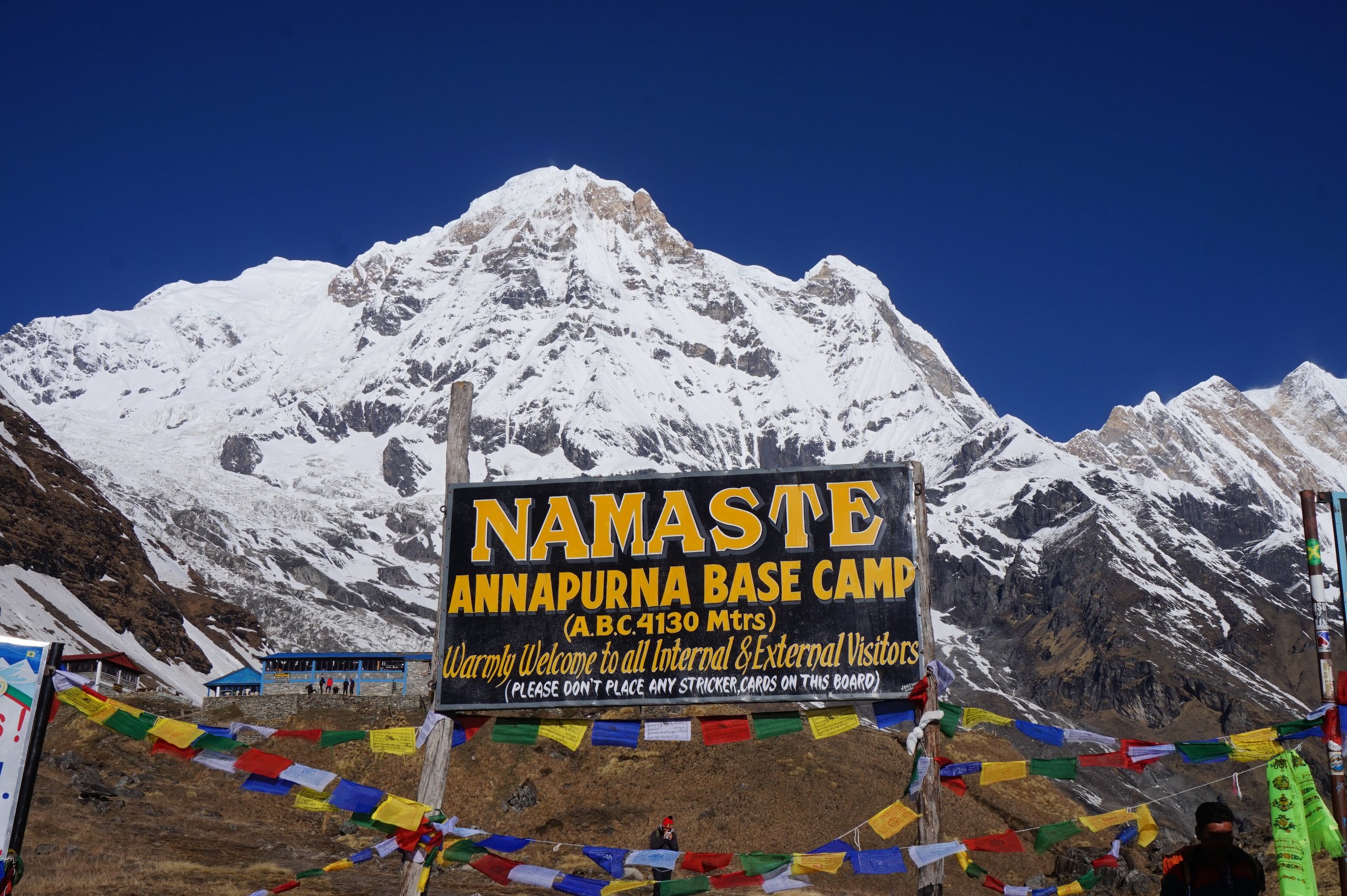
ABC is slightly easier. The trail winds its way through rhododendron forests, farmland, rivers, and Gurung villages. The views of Annapurna-8,091 m, Machapuchare-6,993 m, and surrounding peaks are stunningly beautiful. The trek usually takes 7-10 days, reaches a maximum altitude of 4,130 m, and is softer on first-time trekkers. ABC is specifically ideal for people who need a mix of nature, culture, and moderate trekking difficulty.
Other factors include the season, cost, and time. Both treks are good during spring: March–May and autumn: September–November. Normally, EBC is more costly because of the high permit fee and it takes longer to travel there. ABC can be done on a smaller budget in less time.
In this guide, we will compare EBC and ABC based on difficulty, culture, accommodation, seasons, and travel time. By the end, you will have all the facts to choose which trek suits you best.
Everest Base camp Trekking package
Quick Comparison: EBC vs ABC
A comparison of the key facts will make a choice between Everest Base Camp and Annapurna Base Camp easier. Even though both are popular Himalayan treks, there are many differences between them regarding distance, altitude, grade of difficulty, culture, and cost.
1. Distance & Duration
EBC: Approximately 130 km round trip; 12-14 days of trekking time from Lukla to Everest Base Camp and back.
ABC: Approximately 70–80 km round trip. It takes 7–10 days from Nayapul to Annapurna Base Camp and back.
2. Maximum Altitude
EBC: 5,364 m at the Everest Base Camp; increased risk of altitude sickness.
ABC: 4,130m at Annapurna Base Camp. Safer for first-time trekkers.
3. Difficulty Level
EBC: Moderate to difficult. Long days of trekking, steep ascents and high altitude; proper acclimatization is necessary.
ABC: Moderate, less extreme altitude, and shorter days of trekking. Suitable for average fitness trekkers.
4. Landscape
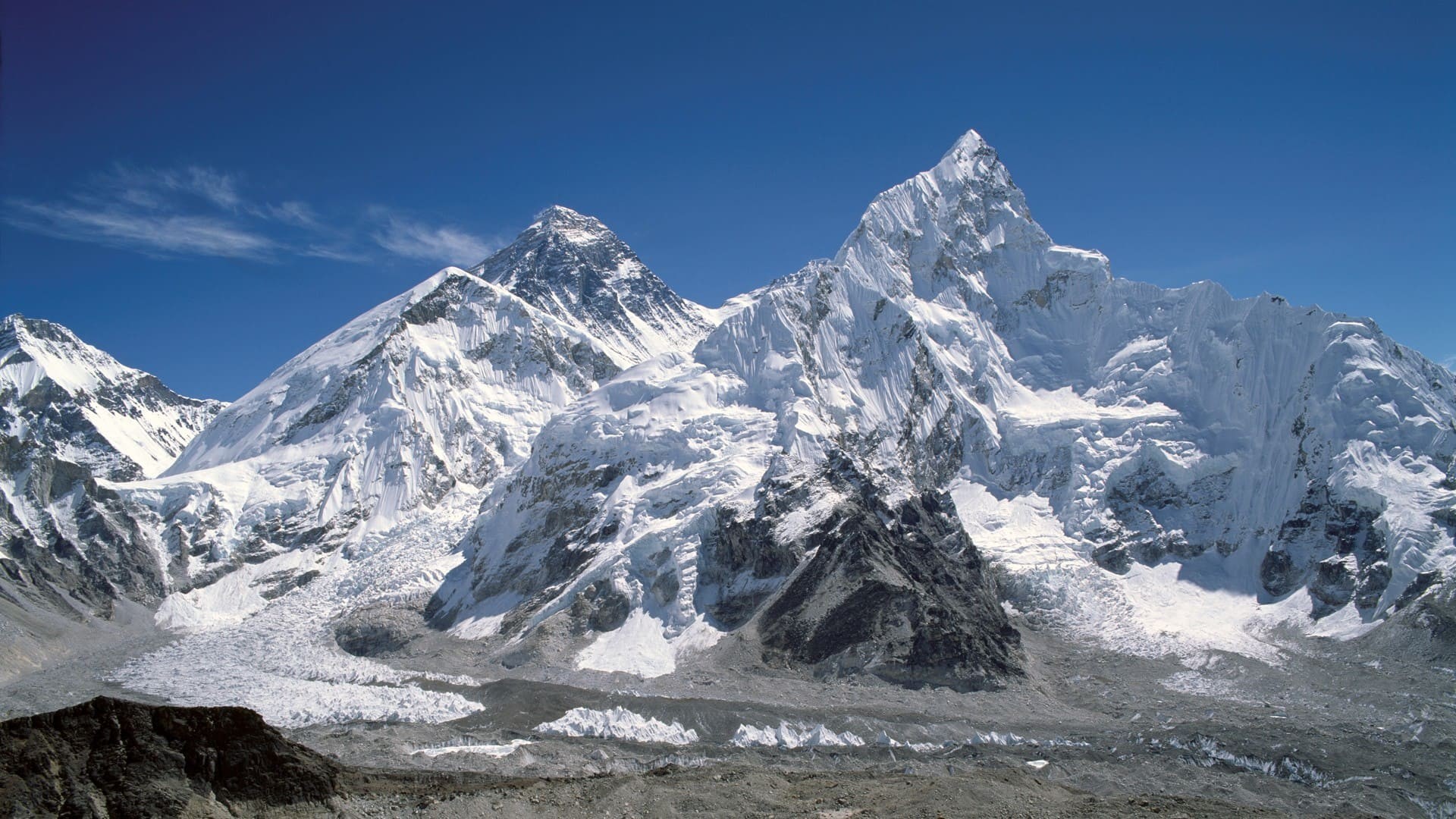
EBC: High mountains, glaciers, and rocky landscapes. The views also include Everest 8,848 m, Lhotse 8,516 m, and Nuptse 7,861 m.
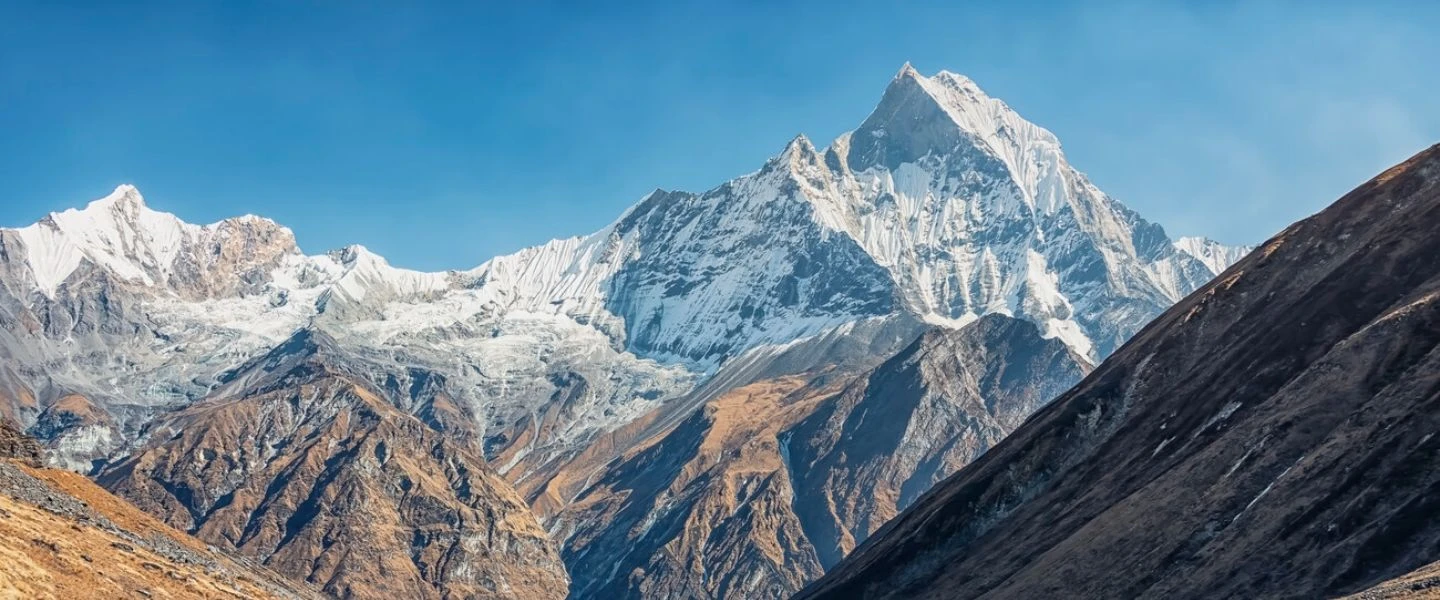
ABC: Diverse Landscapes from Forests, Rivers, Waterfalls, and Farms to Panoramic Views of Mountains: It boasts peaks like Annapurna I (8,091 m) and Machapuchare (6,993 m).
5. Culture & Villages
EBC: Sherpa villages, Buddhist monasteries, prayer flags, and a strong mountaineering culture.
ABC: Gurung villages, terraced farmland, and more interaction with local communities.
6. Cost & Permits
EBC: More expensive because of Sagarmatha National Park permit, approximately 30 dollars; longer duration and less budget accommodation options.
ABC: It’s cheaper: ~$30 for the ACAP and ~$20 for a TIMS card.
Summary:
EBC: This is considered the trek for high-altitude adventure, iconic peaks, and challenging journeys. ABC: Suitable for trekkers who want a shorter but moderately demanding trek with a mix of scenery and culture.
Trek Difficulty: EBC vs. ABC
Of the two options, EBC versus ABC, the consideration of difficulty is the first. Both can be completed by a healthy and fit individual; however, the degree of challenge and the conditions vary immensely.
Everest Base Camp, or EBC, should be considered as moderate to difficult. Actually, it starts from Lukla, which is 2,860 m, going up gradually via villages such as Namche Bazaar at 3,440 m, Tengboche at 3,860 m, and Dingboche at 4,410 m to the base camp, which is 5,364 m. The trail includes long trekking days of 5 to 8 hours, steep climbs, and rocky-uneven paths. At higher altitudes, the level of oxygen is low, hence increasing the risk of altitude sickness, especially above 4,000 meters.
The weather can also reach extreme conditions, with temperatures as low as -15°C during spring and autumn at high altitudes. Proper acclimatization is a must; thus, most trekkers prefer to include rest days in Namche Bazaar or Dingboche for this purpose. EBC is best suited for trekkers who maintain good fitness and have experience in high-altitude trekking.
Annapurna Base Camp is moderate and generally more accessible to novice trekkers. ABC starts from 1,070-meter-high Nayapul, moving through villages lying 1,940 meters above sea level like Ghandruk, and Chhomrong at 2,170 meters to reach the base camp at an altitude of 4,130 meters. Daily trekking is usually 4–6 hours; steep climbs are relatively few compared with the case of EBC. There is less risk of altitude sickness because the height is lower, and hence it is suitable for trekkers with average fitness. Well-marked trails lead through diverse landscapes-such as forests, rivers, and farmland-that enable easy pacing with regular stops.
Key Takeaways:
EBC: Longer, higher, more physically demanding; requires good fitness and careful acclimatization.
ABC: Shorter, lower, and of moderate difficulty-for most trekkers and first timers.
It all depends upon your level of fitness, experience of trekking, and how well your body tolerates altitude. EBC can be trekked for an ultimate high-altitude challenge, while ABC combines a more moderate trek with breathtaking scenery and great cultural experiences.
Best Season to Trek: EBC vs ABC
The season is one of the most important choices for a safe and enjoyable trek in Nepal. Both Everest Base Camp and Annapurna Base Camp have an ideal time of year when weather, trail conditions, and visibility are at their best.
Spring-March to May
EBC:Days are warmer and the skies are generally clear. The temperature fluctuates from 5°-15°C at the lower villages. At higher altitudes, snow has started to melt and trails are safer to travel. Rhododendrons are in bloom painting the landscape in colorful reds and purples. Nights can still be very cold ranging from -10° to -15°C at higher altitudes.
ABC: Spring is also an excellent time to be on ABC. The temperatures are mild, 10–20°C at the lower altitudes, with clear views of Annapurna and Machapuchare. The trails in the forests and along farmland are pleasant and mostly snow-free.
Autumn: September to November
EBC: The most popular season. Stable weather, clear skies, and excellent mountain visibility. Temperatures are slightly cooler than spring but comfortable for trekking. Ideal for photography.
ABC: Autumn is an ideal time for ABC, too. Trails are dry, and mountain scenery is at its crisp best. Temperatures in autumn are moderate, comfortable for trekking.
Summer/Monsoon (June to August)
EBC & ABC: Monsoon brings heavy rainfall, slippery trails, and frequent landslides. Flight cancellations to Lukla-EBC or road disruptions to ABC trailheads are highly possible. Not recommended.
Winter (December to February)
EBC: There is snow on the trails and temperatures below -20°C at altitude. Only experienced trekkers, properly equipped should attempt.
ABC: Lower in altitude than EBC, thus more manageably attainable; however, snow and cold might be challenging. Trails may be icy.
Clear views, safer trails, and a superior trekking experience are further ensured by choosing the right season. Whether it is the iconic peaks of EBC or the diverse landscapes of ABC, most trekkers prefer spring and autumn.
Annapurna Base Camp
Accommodation & Food: EBC vs. ABC
Accommodations and food during any kind of trek in Nepal are mainly provided by teahouses and lodges. Both EBC and ABC have basic, low-budget options, but there is some difference in comfort, availability, and variety of food.
Everest Base Camp (EBC):
Accommodation: EBC teahouses usually offer basic rooms that share bathrooms with thin mattresses and blankets. Facilities become much more basic and limited at higher altitudes above Dingboche and Gorak Shep; one should expect either cold showers or no showers at all. Many lodges have private rooms, though these usually cost more.
Food: There is not much to eat at the higher altitude points. Famous dishes include dal bhat, noodles, pasta, soups, and momo. Prices go up with altitude, and meals that might go for $3-5 in the lower villages go up to about $7-10 at higher stops. Hot drinks, like tea or coffee, are available but a bit pricey.
Tips: If traveling in the peak season, spring, and autumn, it’s advised to book your accommodation in villages like Namche Bazaar and Tengboche in advance because teahouses tend to fill up.
Annapurna Base Camp (ABC)
Accommodation: Teahouses are more frequent and comfortable along the ABC trail. Most of the villages, including Ghandruk and Chhomrong, have well-maintained lodges with private rooms available at moderate prices. Facilities are slightly superior compared to the EBC trail because of lower altitude.
Food: The ABC trail offers a wider variety of meals: local Nepalese dishes, continental food and some bakery items in popular villages. Prices are lower than EBC: usually $2–5 for a meal. Hot drinks are easily available.
Tips: Though lodges are common, yet it is advisable to book rooms in advance during the seasons of spring and autumn.
Overall Comparison:
EBC: Fewer teahouses at high altitude, very basic facilities. Food and accommodation expensive in particular above 4,000 m.
ABC: More frequent lodges, better comfort, lower costs, and more food variety. In other words, if comfort and easier access to food is your top priority, then ABC is somewhat better; on the other hand, EBC offers a rugged, high-altitude trekking experience with basic facilities matching the challenge of the trail.
Duration & Itinerary: EBC vs. ABC
When you’re planning your Himalayan trek, think about how much time you’ve actually got. Everest Base Camp (EBC) and Annapurna Base Camp (ABC) aren’t just different in scenery—they’re worlds apart in length, altitude, and how many hours you’ll be on your feet each day.
Everest Base Camp (EBC):
Most people start at Lukla and spend about 12 to 14 days getting to EBC and back. Some stretch it out to 15 or 16 days if they want to acclimatize a bit more or add side trips.
Day to day, expect to hike anywhere from 5 to 8 hours. The first few days are easier, but as you climb higher, the trails get steeper and rockier.
Here’s a quick look at what you’re in for:
Lukla to Phakding: You’ll ease into things—just 3 or 4 hours.
Phakding to Namche Bazaar: A steady climb, takes 5 or 6 hours.
Namche Bazaar to Tengboche: About 5 or 6 hours, including time to adjust to the altitude.
Tengboche to Dingboche: Gradual ascent, another 5 or 6 hours.
Dingboche to Lobuche: You’re really gaining altitude here; plan for 5 or 6 hours.
Lobuche to Gorak Shep & EBC: This is the big one—6 to 8 hours, your longest day.
Heading back to Lukla: You’ll move faster going downhill.
Annapurna Base Camp (ABC):
ABC is a bit more laid-back. You can finish it in about 7 to 10 days, starting and ending at Nayapul.
You’ll hike 4 to 6 hours most days. The trail winds through forests, fields, and villages, and the climbs are much more manageable.
The typical route looks like this:
Nayapul to Tikhedhunga or Ghorepani: Moderate, 4 to 5 hours.
Ghorepani to Tadapani: Another 4 or 5 hours along forest trails.
Tadapani to Chhomrong: You’ll go down, then up—plan for 4 to 5 hours.
Chhomrong to ABC (via Bamboo & Deurali): A steady climb right up to base camp, 5 or 6 hours.
Back to Nayapul: Downhill, 4 to 6 hours.
What’s the bottom line?
EBC is a long trek at high altitude, with extra days for acclimatization. It’s best for experienced trekkers or anyone chasing a high-altitude adventure.
ABC is shorter, at a lower altitude, and just feels easier overall. It’s a great pick for first-timers or people who don’t have weeks to spare.
So, if you want a big challenge with serious elevation, go for EBC. If you’d rather see changing landscapes and local culture on a more relaxed schedule, ABC won’t let you down.
Final Thoughts & Which Trek Suits You
Your choice between EBC and ABC all depends on your fitness level, time, experience, and what you are looking for in an adventure. While both provide lifelong memories of the breathtaking scenery and culture, there definitely is a difference in pace, altitude, and challenge that the Himalayas pose.
Everest Base Camp (EBC)
Best for Experienced trekkers seeking high altitude adventure and iconic mountain views.
Difficulties: Long trek-12-14 days, higher altitude-up to 5,364 m, steep climb, and threats of altitude sickness. Highlights include Everest, Lhotse, Nuptse, Sherpa villages, Buddhist monasteries, and glaciers.
Annapurna Base Camp or ABC
This is suitable for first-time trekkers, moderately leveled hikers, or those with limited time.
Challenges: Shorter trek from 7-10 days, moderate altitude up to 4,130 m – fewer steep climbs.
Highlights: Annapurna I, Machapuchare (Fishtail), forests, rivers, farmland, and Gurung villages.
Key Points to Decide:
Time Available: EBC takes approximately about twice as much time in relation to ABC.
Fitness & Altitude: The EBC is ideal if one is comfortable with high-altitude trekking, while ABC is easy and safe with only moderate fitness required.
While EBC offers dramatic high mountains and Sherpa culture, ABC offers diversified landscapes and rich local village experiences.
Budget: EBC tends to cost more due to longer time requirements and the higher cost of accommodations. ABC is cheaper.
Conclusion:
Come for the ultimate high-altitude challenge and the thrill of standing at the foot of the world’s highest peak at EBC. The ABC is a more moderate, somewhat shorter trek with varied landscapes, some unique cultural immersion, and easier logistics. Both treks are unforgettable. Which to choose is a matter of how much of a challenge you want, the time you have, and what kind of Himalayan experience you’re looking to have.
Contact Details for Everest Base Camp & Annapurna Base Camp Booking
The Manaslu Circuit is more than just a trek-it’s a wild, forgotten frontier that still pulsates to the rhythm of the old Himalayas. It’s a trail that seems untouched, where silence is predominant and every footfall resonates across deep valleys and ancient stone villages. Manaslu remained for many years the best-kept secret of Nepal, while most heading into these regions favored Everest and Annapurna, but it will be dubbed the ideal combination of solitude, scenery, and pure Himalayan soul in 2026.
The trail circles Mt. Manaslu-8,163 m and the world’s eighth highest peak-like a living, breathing storybook of Nepal’s raw landscapes. From subtropical forests and roaring rivers to high alpine ridges swept by cold winds, every day is so different that it is more akin to walking through seasons rather than along trails. You start low, where rice terraces shine beneath the sun and suspension bridges swing over turquoise rivers. With increased altitude, the world quiets down; forests give way to rocky cliff faces, stupas appear around bends, and the people-influenced by their Tibetan roots-welcome you with shy smiles and cups of yak-butter tea.
By the time you get to Samagaun, nestled amidst glaciers and Mani walls, the air is thin but the spirit high. It is a stop for trekkers not only to acclimatize but also to absorb. Short hikes to Manaslu Base Camp or Pungyen Gompa remind you just how colossal this mountain is-it doesn’t just rise, it dominates.
Next up is Larkya La Pass, at 5,160 above sea level-the trek’s dramatic climax. You barely sleep the night before; it’s cold, dark, and your breath fogs up in the beam of your headlamp. But when dawn hits the prayer flags at the top, when you stand there with snow crunching under your boots and the Himalayas blazing around you-that’s the moment. It is then that you know why Manaslu Circuit has been described as Nepal’s hidden gem. The way down toward Bimtang enters you into a different world; pine forests are back, the sun is again warm on your skin, and that over-the-pass euphoria remains.
The Manaslu trail doesn’t just show you mountains but contrasts between hardship and reward, isolation and connection, ancient and alive. The Manaslu in 2026 is one of Nepal’s most genuine adventures, a trek that hasn’t sold its soul to luxury or to traffic. It’s still wild, still sacred, and still humbling in ways that only the Himalayas can be. If you want a journey that feels raw and earned, where every sunrise feels personal and every trail tells a story, the Manaslu Circuit Trek is waiting.
Best Season to Trek the Manaslu Circuit
The Manaslu Circuit Trek, moving dramatically from humid river valleys to the high Himalayan passes like Larkya La (5,160 m), can be technically done all year round, but very good seasons exist: spring, March to May, and autumn, September to November. These months offer stable weather, crystalline skies, and landscapes at their most cinematic-just what you imagine when you dream of trekking in Nepal.
Spring is the time when the Manaslu area bursts into life. The lower parts of the trail-between Soti Khola and Namrung-are draped in green, with waterfalls spilling down cliffs, while rhododendron forests paint the hills in shades of pink and red. Warm, sunny days make trekking comfortable, while nights are cool yet bearable even at altitude. The higher you go, the closer to the snowline you get, where clear mornings reveal the blinding white peaks of Manaslu, Himalchuli, and Ngadi Chuli glowing against deep blue skies. The trail is alive-full of trekkers swapping stories over cups of tea in cozy lodges.
Autumn: The time from September to November forms the classic Himalayan trekking season-crisp, clean, and spectacularly clear. The summer rains have washed the air anew, the fields gleam like gold, and the mountains appear sharper than ever. It’s a good time to cross Larkya La Pass under deep blue skies without fearing significant snow or poor visibility. Days are mild and ideal for long walks; nights grow cold, but nothing a good sleeping bag cannot handle. Autumn coincides with local festivals, and almost every day you’ll find yourself walking through villages alive with fluttering prayer flags, music, and tradition-a cultural bonus that few treks can match.
Winter spans from December to February, turning Manaslu into a frozen world: the higher trails silent and snowbound, with Larkya La Pass closed due to heavy snow and biting wind. Only experienced trekkers or those seeking solitude attempt it in these months. That said, lower Manaslu villages up to Samagaun can still be beautifully explored under clear skies with peaks dusted by snow.
Monsoon (June-August) brings heavy rains to the lower valleys, making the trail slippery and leech-prone. Landslides can affect routes, and mountain views are often hidden by cloud. Yet, the landscape turns lush and alive – bright green forests, raging rivers, and fields that seem to shimmer. For photographers or solitude seekers this can be a time of surreal beauty, but it demands caution. For most trekkers, though, spring and autumn remain unbeatable: the perfect balance of weather, scenery, and safety. These are the seasons when the Manaslu Circuit reveals its full character: untamed, colorful, and breathtakingly pure. Trek it then, and you’ll understand why this trail is called Nepal’s hidden gem.
Food and Accommodation on the Manaslu Circuit Trek
On the Manaslu Circuit Trek, there’s this one moment: you have been climbing for hours, your legs ache, and your breath steams in the cold air; then you step into a teahouse. Wood smoke, garlic soup, and warm tea greet you, and suddenly you’re home again. Up here, food and accommodation aren’t just comfort; they’re culture. It’s part of what makes Manaslu unforgettable.
Let’s start with the food. On the Manaslu trail, Dal Bhat is not just a meal, it’s a ritual. You’ll eat it almost every day and you will like it more each time. A plate piled high with rice, steaming lentil soup, sautéed greens, and vegetable curry — simple, local, and endlessly refillable. The owners will smile and say, “More Dal?” before you even ask. There’s a saying here: Dal Bhat power, 24 hour — and on Manaslu, it couldn’t be truer.
The menu changes as you go higher. In the lush lower villages, you could be having fried noodles, vegetable thukpa, or Tibetan bread with honey for breakfast. By the time you reach Namrung and Lho, teahouses have started serving yak cheese omelets and apple pancakes. Food feels almost celebratory in Samagaun: hot soups, momos, or even yak burgers made fresh from the produce. Everything tastes that much nicer because you’ve just walked six hours through mist and mountain air. And when it starts getting cold, there’s nothing more perfect than a mug of ginger lemon honey tea or butter tea shared around a wooden table while the snow falls outside.
Accommodation on the Manaslu Circuit is pure mountain charm: basic, warm, and deeply human. Teahouses are family-run lodges, many built from local stone and timber, bedecked with prayer flags and smoky hearths. Rooms are simple: a wooden bed, thick blankets, and paper-thin walls that let you hear the wind whisper through the valley. You’ll often huddle in the common dining hall, where a central stove burns yak dung or wood, socks dry on a rope above, and trekkers trade laughter, blisters, and dreams.
The higher you go, the simpler it gets: Above Samdo and Dharamsala, you’ll find fewer comforts-shared toilets, no Wi-Fi, sometimes no showers-but every ounce of warmth becomes luxury. The nights at Larkya Phedi are cold, almost brutal, but the teahouse meal feels like a feast: a plate of noodles, a cup of tea, and a fire that keeps going as long as the owner stays awake.
On the Manaslu Circuit, food and accommodation are never background details; they are the heartbeat of the trek. Every meal brings you closer to the people who live here year-round, smiling through the cold, serving up something hot with pride. Every teahouse, every plate of Dal Bhat, every cup of tea passed among strangers becomes a part of your story out here. You don’t just refuel; you belong.
Itinerary of Manaslu Circuit Trek
The trek begins with a warm welcome in Kathmandu, where you explore the city and complete all permits required for the Manaslu region. After sightseeing, you drive to Machha Khola, the starting point of the trek, and gradually begin the journey through scenic villages and forests. The trail climbs slowly, passing Jagat, Deng, Namrung, and Samagaon, where the mountains grow bigger and the air thinner. Around Samagaon, you have an acclimatization day to rest and explore nearby attractions like Birendra Lake or even hike to Manaslu Base Camp for stunning views.
The trek continues through Samdo and Dharamshala, reaching the high point at Larkya La Pass (5,215 m) before descending to Bhimphedi. From there, the trail winds down through Tilje and Chamje, returning gradually to lower altitudes. Finally, you drive back to Kathmandu for a relaxing end to the adventure, ready for your departure. The itinerary balances challenging high-altitude trekking with rest days and cultural experiences, offering both spectacular Himalayan scenery and glimpses into local life along the way.
Day
Trekking Trail / Activity
Distance (approx.)
Time (hrs)
Altitude (m)
1
Welcome to Kathmandu. Morning breakfast & sightseeing around the city.
–
–
1,350 m
2
Kathmandu Valley sightseeing and permit preparation for the Manaslu region.
–
–
1,350 m
3
Drive from Kathmandu to Machha Khola
~160 km
8 – 9 hrs
900 m
4
Trek from Machha Khola to Jagat
~15 km
6 – 7 hrs
1,340 m
5
Trek from Jagat to Deng
~20 km
7 – 8 hrs
1,860 m
6
Trek from Deng to Namrung
~19 km
6 – 7 hrs
2,630 m
7
Trek from Namrung to Samagaon
~17 km
6 – 7 hrs
3,530 m
8
Acclimatization and exploration day in Samagaon (Birendra Lake or Manaslu Base Camp hike optional)
–
3 – 5 hrs (optional)
3,530 m
9
Trek from Samagaon to Samdo
~8 km
4 – 5 hrs
3,690 m
10
Trek from Samdo to Dharamshala
~7 km
4 – 5 hrs
4,450 m
11
Trek from Dharamshala to Bhimphedi via Larkya La Pass
~15 km
8 – 9 hrs
5,215 m (Pass), 3,510 m (Bhimphedi)
12
Trek from Bhimphedi to Tilje
~16 km
6 – 7 hrs
2,300 m
13
Trek from Tilje to Chamje
~14 km
5 – 6 hrs
1,410 m
14
Drive from Chamje to Kathmandu
~220 km
8 – 9 hrs
1,350 m
15
Final Departure
–
–
–
Manaslu Circuit Trekking Permits
Hiking the Manaslu Circuit is more than a walk through beautiful mountains; it is responsible travel. Official permits that every trekker is obliged to have protect not only the sensitive environment of the Himalayas but also the communities that have called these high valleys home.
1. Manaslu Restricted Area Permit:
Manaslu is a restricted area; therefore, each trekker must obtain a Restricted Area Permit. The use of this kind of permit means that the trekking will be controlled, which would help to preserve natural beauty and protect the culture in this region.
Price: NPR 8,000 (approximately USD 65) per person for 8–14 days
Validity: Single entry, valid for the duration of your trek
2. Manaslu Conservation Area Permit:
This trek lies within the Manaslu Conservation Area, a protected area supporting conservation, wildlife preservation, and sustainable tourism. MCAP ensures trekkers contribute to local development and environmental protection.
Price: NPR 2,000 (approximately USD 18) per person
Validity: Single entry, valid for trek duration
3. Annapurna Conservation Area Permit (ACAP)
Because this trek ends near the Annapurna region, an ACAP permit is also required for legal access to these trails.
Price: NPR 3,000 (approximately USD 27) per person
Validity: Single entry
Where to Obtain Permits
Government offices: the Nepal Tourism Board offices in Kathmandu or Dharapani
Registered trekking agencies: Most approved trekking agencies will handle all permits for you prior to setting off; this is advisable to save time and hassle like Graceful Adventure travel.
Documents Required
Original passport and photocopy
Two passport-sized photographs
Application forms completed – provided by office or agency
Important Notes
Permits are nontransferable and nonrefundable, so double-check all details carefully.
Remember to always carry your permits with you, as they are checked at various points en route. Payment in Nepalese Rupees (NPR) is quite agreeable, so carry enough cash with you. These aren’t just formalities but a way of supporting conservation, funding local development, and ensuring the safety of trekkers. Now that everything is in place, one can look onward to the trail: mountains, villages, and raw, untamed beauty of Manaslu.
Average Manaslu Circuit Cost
Basic costs for trekking the Manaslu Circuit differ by the degree of service, group size, and type of support. For a regular 15-day Manaslu Circuit Trek in 2026, the average cost per participant is about USD 1,800.
This average cost generally includes accommodations in teahouses along the way, three meals a day while trekking, all necessary permits (Restricted Area Permit, Manaslu Conservation Area Permit, ACAP), certified guide and porter services, and ground transfers to and from the trailhead.
It does not include hot showers, internet, snacks, or tipping guides and porters, but overall, these are marginal expenses against the overall cost. Clients get a fully planned, full expedition with all logistics and safety arranged.
Annapurna Circuit Trek Travel Insurance
Insurance for the Annapurna Circuit Trek is not an option; it’s a must-have. As a trekker in the Himalayas, there are certain risks you can face that are beyond your control, like altitude sickness, unfavorable weather, accidents, or last-minute flight cancellations. Proper travel insurance cover will protect you against such contingencies, and you can enjoy yourself on the trek without thinking about “what-ifs.”
The most critical coverage your insurance policy must have is emergency evacuation. On the backcountry sections of the Annapurna Circuit, like Manang, Thorong Phedi, or high passes such as Thorong La, helicopter evacuations are upwards of thousands of dollars if paid out-of-pocket. Make sure your policy states helicopter evacuation and high-altitude medical rescue up to at least 5,500–6,000 meters because some passes are very high. It should also cover medical expenses, hospitalization, trip cancellation or interruption, and loss or theft of personal belongings.
Airplane cancellations are frequent in Nepal due to the unpredictability of mountain weather, especially between Pokhara, Jomsom, and Kathmandu. Make sure your policy covers cancellations or delays in a trip.
Graceful Adventure Travel doesn’t sell insurance, but we require every trekker to purchase one before heading to Nepal. Make sure your agent knows that your trip is for high altitude trekking, not city sightseeing. Some policies don’t have more than 4,000 meters, so make sure your policy covers the peak altitude you will be reaching.
Some reliable insurance companies used by trekkers include:
USA and Canada: Travelex, InsureMyTrip.com, HCC Medical Insurance
UK: Specialty Group, Harrison Beaumont
Europe: CORIS
Australia and New Zealand: Cover-More
South Africa: TIC Insurance
Upon departure, carry with you both a printed and digital copy of your policy. In cases of emergency, it allows your guide or trekking company representative to immediately call the insurance company for arrangements of evacuation or treatment. With good travel insurance, your Annapurna Circuit trek is more enjoyable and secure, and you can relish the Himalayan experience without worry.
Conclusion
The Manaslu Circuit Trek is more than a trek; it’s an adventure into some of the most remote and awe-inspiring landscapes of the Himalayas. From lush river valleys, terraced fields, and high alpine ridges to the snow-capped Larkya La Pass at 5,160 meters, this trek will plunge you into the full gamut of Nepal’s natural beauty and rich human heritage. It challenges your body, tests your spirit, and rewards you with moments of wonder that linger long after the journey ends.
Along the way, you get to pass through villages where time has stood still, people who are always so warm and hospitable, making every stop a memorable one; you get daily glimpses of Manaslu, Himal Chuli, Ngadi Chuli, and surrounding peaks. Every day opens up a new landscape-from emerald forests and thundering rivers to alpine meadows and glacial valleys-while every night under a star-studded Himalayan sky is a reward in itself. The bonding you will make with other trekkers over meals, laughter, and stories is as unforgettable as the mountains themselves.
Crossing the Larkya La Pass, gaining access to high-altitude villages, both challenges the body and represents a spiritual journey that immediately connects you with generations of local culture and the raw, untamed energy of the Himalayas. The Manaslu Circuit proves that adventure is as much about the means as the end-about observing, embracing, and learning from each and every step along the way.
Ultimately, the Manaslu Circuit Trek is an experience of the senses, the body, and the spirit. Raw, real, and unforgettable, this is a trek that tests your endurance, celebrates your perseverance, and leaves you with lifetime memories of the Himalayas.
Nepal is not just a country you visit but rather a country you experience real adventure. Nestled between two huge nations, this tiny Himalayan country has carved its niche among the topmost adventure destinations in the world. Each year, the thrill-seekers from every corner of the earth arrive here to live that pure, wild excitement that is only possible in Nepal.
Nepal’s adventure tourism is not limited to one style or region. You can be climbing Mount Everest, doing paragliding over lakes in Pokhara, bungee jumping down into the gorges, or running the wild rivers of Himalayan – all this at the same time in one trip. Unbelievable is the diversity! Each part of Nepal from the chilly and quiet high Himalayas to the warm and humid forests of Chitwan stretches your limits and gives you something unforgettable in return.
In 2026, the adventure scene is booming. Roads are improved, paths are highlighted, and new adventures—like skydiving next to the Himalayas or mountain biking through Mustang’s desert—are attracting a young crowd of explorers. However, what has made Nepal remarkable, even in the past, had not changed: the giant mountains, real culture, and friendly people.
This guide walks you through the 10 Best Adventure Activities in Nepal for 2026 – the activities that will give you once-in-a-lifetime experience mixing thrill, scenery, and the very essence of Himalaya. No matter if you are quitting off the edge of a mountain, flying like an eagle, or traversing the mountain passes, these adventures will all make your heart thumping, your body exhausted, and your soul flying high.
Major Top 10 Adventure Activities in Nepal
1. Everest Base Camp Trek – The Ultimate Himalayan Challenge
The trek to Everest Base Camp is not a hike; it is stepping into a world where legends walk. Thousands of adventurers make this journey every year, setting foot at the foot of the world’s tallest mountain, breathing in crisp, thin air, and taking in views impossible to forget.
This trek takes one right through the heart of the Khumbu region: passing Sherpa villages, ancient monasteries, and lush rhododendron forests. With every gained altitude, landscapes change: terraced fields give way to paths of boulders, and peaks which were far away ultimately reveal themselves in all their towering glory. On the way, one experiences Sherpa hospitality, culture, and a sense of achievement that builds up with every step.
The trek is demanding-altitude tests your stamina, cold winds push you to the limit, and some days feel endless. Yet, the reward is incomparable: Everest Base Camp, surrounded by peaks such as Lhotse and Nuptse, with views of the Khumbu Icefall. A trek that takes in effort but pays back with lifetime views and experiences.
For both first-time trekkers and experienced mountaineers, Everest Base Camp is the ultimate adventure in Nepal-a place where nature, culture, and personal triumph come together.
Everest Base Camp Trek
2. Annapurna Circuit Trek – Adventure Through Diverse Landscapes
The Annapurna Circuit is that sort of trek which, like reading a storybook, unwraps a new chapter with each turn that one makes along the track concerning nature and culture in Nepal. It’s a classic that weaves into one single journey lush, subtropical forests, terraced rice fields, alpine meadows, and stark high-altitude deserts.
The highpoint of your trek definitely involves crossing Thorong La Pass at 5,416 meters, which happens to be one of the highest trekking passes anywhere in the world. It’s a tough climb, the air is thin, and every step will test your endurance, but that’s what makes the panoramic views of Annapurna, Dhaulagiri, and Machapuchare all worth it. Along the way, you pass through traditional villages where local Gurung and Thakali communities welcome trekkers with warm hospitality and hearty meals.
But unlike most treks, the Annapurna Circuit balances the sense of adventure with comfort: teahouses line almost every step; trails are well-marked; and options for side routes leading to secluded areas are plentiful. You’ll go from green river valleys to snow-dusted highlands, experiencing a variety of climates, landscapes, and cultures sometimes within a single day.
The Annapurna Circuit is a classic Nepal adventure that offers diversity, challenge, and sceneries to take one’s breath away. This isn’t a trek; rather, it is more of a journey right through the middle of the Himalayas, replete with lifetime stories, memories, and views.
Annapurna circuit trek photo
3. White Water Rafting in Trishuli or Bhote Koshi – Ride the Roaring Rapids
If your perception of adventure limits to mountains, it’s time to reconsider — the rivers of Nepal are the ultimate adrenaline highways and are ready to be challenged. The white water rafting on the Trishuli or Bhote Koshi rivers is a fast, skill-based, and thrilling experience all in one.
Trishuli is the river of choice for beginners and intermediates. It has a mixture of excitement and manageability with its rapids, which are flowing through the green valleys inhabited by villages, waterfalls, and old temples. Every rapid gives you a boost of visitors and a splash of cold Himalayan water — it is a wild ride that makes you feel full of life with each turn.
For the daredevils, Bhote Koshi is the river of choice. It gets its water straight from the glaciers of the Himalayas, drops rapidly which results in the formation of steeper, louder, and fiercer rapids that even the professional rafters find hard to conquer. While paddling through narrow gorges, between high cliffs, the river is at its toughest, and your heart is racing, too.
Apart from the thrill, the rafting in Nepal gives the unique chance to see the landscapes from a different angle. One will encounter the forests, cliffs, and villages that are otherwise unreachable — all that while being carried by the river through the twists and turns. Having been a first-timer or a seasoned adventurer, the rafting in Nepal will surely give you an unforgettable rush which is a blend of nature, challenge, and pure excitement that makes you want to conquer the next rapid.
Trishuli River Rafting
4. Paragliding in Pokhara – Fly Beside the Himalayas
Can you imagine flying high over gleaming lakes with the Annapurna mountains back of you? This is what paragliding in Pokhara is all about. It’s not only an activity but also a great opportunity to be in between heaven and earth, seeing the wind take you while the mountains, lakes, and valleys are spread out all around you.
Pokhara is considered the mecca of paragliding in Nepal, and that is why it is so. The takeoff from Sarangkot Hill provides you with a stunning view of sunrise over the Annapurnas, and as you drift slowly and smoothly, Phewa Lake and the beautiful Pokhara Valley below are like a picture unfolding. It is surreal whether you are a beginner going tandem with an experienced instructor or a skilled solo pilot — the kind of experience that makes your heart fly almost this high too.
Paragliding here is not only about the excitement. It is about witnessing Nepal in a totally different way — a bird’s view of mountains, forests, waterfalls, and rustic towns. Each rotation in the sky is like a new picture, each wind current is like a new wave of freedom.
Paragliding in Pokhara is the best choice for anyone who wants big thrills and great views at the same time.It is the place where excitement and calmness meet, and you are left with a memory as big as the mountains.
Paragliding in Pokhara, Nepal
5. Bungee Jumping in Kushma or Bhote Koshi – Take the Ultimate Leap
The heart-pounding drop of a bungee jump in Nepal is the sound of adventure. Pure, unfiltered adrenaline is what you get by choosing either the green gorge of Kushma or jumping over the wild river of Bhote Koshi and taking off from one of the world’s highest suspension bridges.
So the very first second when you step off the platform, just air is underneath you and your own heartbeat ringing in your ears while the river is roaring below you, making the whole thing even more terrifying and at the same time thrilling and exhilarating. The jump lasts just a few seconds but the feeling remains — a shocking mix of fear, excitement, and the victory of having gone beyond your limits.
Bungee jumping in Nepal is not merely the case of descent. The whole experience includes the majestic views getting steep gorges, flowing rivers, and mountains almost within touch. The breathtaking environment elevates every jump by a notch and the participant being already in the wild beauty of the Himalayas is the real edge compared to any other bungee spot in the world.
Those who are in pursuit of extreme thrills and who want a very brief but intense rush need not look further than the bungee jumps of Nepal. It is indeed that one adventure that you will experience by screaming and laughing and instantly thinking: “I want to do it again”.
Bhote Koshi Bunjee Jump
6. Mountain Biking Around Kathmandu Valley & Mustang – Trails That Test Your Limits
If speed, ruggedness, and stunning views are your thing, then biking in Nepal is nothing short of a wish fulfilled. Nepal presents the trails around the Kathmandu Valley and the hard, secluded paths of Upper Mustang to those who are ready to test their stamina, talent, and adventurous spirit.
Not only will you consume the beautiful landscape but you will also get to experience the ride through the U-shaped valleys where the paths are created naturally by the steep drop and rise of the terrain, and the mud hills, and the rocky descent, and then again the steep downhill that forces you to go deeper into yourself. To what you get? Valley views of the Himalayas, pristine little towns lost in time, and the supreme joy of mastering a trail that is just a dream for many.
Up in Mustang, the ground changes dramatically. You go from lush green valleys to wastelands, and then to cliffs that look like they belong to a desert and monastic Buddhist sites on hills among the clouds. It is a struggle breathing since the elevation is high, and yes the trails are hard to navigate but the isolation adds to your feeling of being a lone conqueror of the mountains.
Mountain biking in Nepal is not only about keeping fit but also a very delightful adventure. You see, feel and experience the place in the same way as with trekking or driving. This is a great opportunity for the ones who love the freedom, the thrill, and the wild beauty of the Himalayas on two wheels since it is a must-do experience.
Upper Mustang Mountain Bike Tour
7. Jungle Safari in Chitwan National Park – Up Close with Nepal’s Wildlife
Nepal’s expedition is not merely about the mountains; the sound of defiant nature is loud in the jungle too. The thrill at Chitwan National Park is of an entirely different nature: following wild animals, watching hard-to-find tigers, and being among thick vegetation where the power of nature is absolute.
A safari ride in the jungle here is a full plunge into the wild experience. You can take the tall grass route by riding elephants, or you can be a canoe passenger moving quietly in the water of the Rapti, or you can just take the park walk with the expert guides. Each and every footstep gives you a chance to view the one-horned rhinos, sloth bears, leopards, and the myriad of echolocating birds that are all living amongs their natural environment.
The excitement is caused by the uncertainty. A deer herd may suddenly rush by, a crocodile may quietly go into the water, or a vibrant bird may flit by the trees; the moment of these surprises is unknown. It is adventure combined with wonder which yields a sheer connection to the untamed side of Nepal.
Cultural activities are also part of Chitwan. The nearby Tharu villages introduce you to the aspects of traditional life, dance, and cuisine, thus turning the safari into a mix of wild encounters and human stories.
If one is in search of heart-thumping exhilaration away from the crowded tourist sites, then Chitwan’s jungle safari is an ideal adventure— a place where wildness is literally the same as your heartbeat.
Jungle Safari
8. Rock Climbing and Canyoning Adventures – Test Your Limits
Nepal is not only the land of trekking and rivers but also a very adventurous destination for the ones who can’t live without active challenges. Rock climbing and canyoning are the adventure activities that perfectly combine which gives one a good mix of adrenaline, skill, and pure pleasure.
Rock climbing in Nepal is not only about tough and technically demanding climbs but also about gentle and easy to handle beginners near the capital. Besides, naturally climbing rock faces creates the same feeling as nothing else—every grip, every foothold, every upward push is a challenge for your body and a sharpening of your concentration at the same time. By the way, the reward is very high: the stunning views of the mountains, valleys, and cliffs that very few have ever seen, thus making every climb memorable.
Canyoning, in contrast, is a fun and extremely wet experience. Waterfalls jumping, natural chutes sliding, and deep gorges rappelling in places like Pokhara’s waterfalls or Dhading comprise fear, fun, and the total stepping into Nepal’s wild environment. You will be soaked, thrilled, and very much alive.
Besides, these activities are just like tests of physical fitness—rather they are adventures that can help one sharpen his/her mind, expand his/her limits, and be rewarded with stunning views. For the adrenaline junkies wanting to mix skill with excitement, rock climbing and canyoning in Nepal are the adventures that you can’t afford to miss.
Rock Climbing
9. Zip Flyer in Pokhara – The Fastest Zipline in the World
If you have ever had the desire of flying like a bird across mountains and lakes, then Nepal’s Zip Flyer in Pokhara is the perfect place for you. The zipline can be found stretching across a valley with the majestic Annapurna range as your backdrop, which means you will not just experience a zipline — full-throttle adventure that will leave your heart pumping and your adrenaline shooting up is the other name of it.
The Zip Flyer, being one of the fastest and longest ones worldwide, easily overcomes your fear by turning it into a spectacular view of Phewa Lake, wooded hills, and the rugged mountains beyond. Also, the launch itself is thrilling — as you step off the platform, the wind gusts by, and for a few moments, it’s like you have the thrill of gravity under control.
In contrast to several adventurous activities, this one is totally adrenaline from beginning to end. There’s no climbing, no paddling, just the extreme, free-flying experience of speed, height, and stunning scenery all mixed up. It’s a perfect way to see Pokhara in a totally different manner while pleasing your need for a heart-racing adventure.
For every couple of adventurers wanting to catch magnificent views together with a quick, unforgettable thrill, the Zip Flyer is an absolute must in 2026.
zipline from Sarangkot, Pokhara
10. Skydiving Over Everest or Pokhara – The Ultimate Adrenaline Rush
If you are considering the ultimate adventure trip, then skydiving in Nepal will probably be the very first on your list. Just picture yourself getting out of a plane at 10,000 feet (or even more) and descending directly to the Earth with the tallest mountains in the world at your back. It’s one hundred percent adrenaline and it’s impossible to find anywhere else on the globe the same.
While in Pokhara, you fly over Phewa Lake and the Himalayas, see the valley, rivers, and forests from above as a bird, and then, after that, pull the chute for a soft, beautiful, and exciting landing. The extreme adventure to the Everest skydiving gives you a chance to do the incredible jump one time above the highest peaks of the world — experience that brings together awe, fear, and excitement in one go.
Skydiving in Nepal is not simply about the drop; it is about the different view, freedom, and a feeling of being on top of the world. No matter how high you are, the mountain, lakes, and valleys below will make your experience truly unforgettable. It is the type of adventure that you can never forget — a story that you will tell and retell, each time with the same enthusiasm as in the first time.
For thrill-seekers who wish to have the topmost adventure, skydiving above Nepal is the best way to fly, shout, and get the feeling of being alive as never before.
Everest Skydiving
Conclusion – Your 2026 Adventure Awaits in Nepal
Nepal is not merely a place to go — it is an adventure that continues to live, a place where the limits of one’s endurance are constantly tested and, in return, the most precious memories of a lifetime are rewarded. The small Himalayan country has all the world’s extreme activities from the highest summits of Everest to the fiercest waterfalls of Bhote Koshi, from the scenery above Pokhara’s lakes to the wild jungles of Chitwan, Nepal has squeezed the same volume of heart-pounding action into all its places.
The adventure activities listed in the Top 10 guide are not just new kinds of fun — they are temptations for one to push their limits, familiarize themselves with the unfamiliar, and form strong ties with Nepal’s people and land through these challenges. You may hike the high passes, bungee-jump off suspension bridges, catch a ride on the wind, or go river rafting, each adventure will be a story that awaits your pen.
In 2026, the paths are welcoming, the streams are inviting, and the heavens are expecting. The only thing that is left is you. Therefore, take along your bravery, satisfy your inquisitiveness, and gear up for a never-before-seen Nepal — the supreme playground for adventure lovers.
Contact Details for Adventure Activities in Nepal Booking
Nepal is one of the world’s top trekking destinations. Every year, thousands of hikers come here to explore the Himalayas, see the tallest mountains on Earth, and experience the country’s unique culture. Trekking in Nepal is not just about walking through mountains — it is about seeing different landscapes, meeting local communities, and experiencing a variety of climates in a single trip.
In 2026, trekking in Nepal is more accessible and enjoyable than ever. Trails have been maintained and improved, teahouses have been renovated or newly built, and alternative routes offer options for those seeking less crowded paths. Despite these updates, the main attractions remain the same: the mountains, the natural beauty, and the sense of achievement you feel when reaching high-altitude viewpoints.
Trekking in Nepal gives a mix of experiences. You start in green valleys, pass rivers and terraced fields, and move through forests and small villages. As you climb higher, the landscape changes: snow-covered peaks appear, mountain passes test your endurance, and the air becomes thinner. Each step brings new views, and each village offers an opportunity to experience local traditions, foods, and hospitality.
Nepal’s treks range from short, easy treks to longer, challenging ones. Beginners can enjoy treks like Poon Hill, which can be completed in a few days, while experienced trekkers may prefer Everest Base Camp or the Annapurna Circuit for higher altitudes and longer journeys. In 2025, there are also new trekking routes and eco-friendly lodges that allow trekkers to experience the mountains while traveling responsibly.
This guide highlights the Top 10 Treks in Nepal you must do in 2025. Each trek is unique, offering a combination of stunning scenery, cultural experiences, and personal challenge. Whether you are walking for the first time in the Himalayas or returning for another adventure, these treks showcase why Nepal remains one of the most popular trekking destinations in the world.
Major Top 10 Treks in Nepal in 2026
1. Everest Base Camp Trek – The Classic Never Dies
The Everest Base Camp (EBC) Trek is among Nepal’s most favored trekking routes. The trek generally begins at Lukla, a small village with a stunning mountain airstrip, and exposes the trekkers to the Himalayan scenery immediately. Trekkers from Lukla follow the trek through pine forests, rivers, and Sherpa villages draped in colorful prayer flags. Trekkers tend to stay overnight in Phakding and arrive in Namche Bazaar, the regional hub, where teahouses, local markets, and breathtaking mountain scenery greet travelers.
As the trek continues, trekkers climb higher through Tengboche, Dingboche, and Lobuche, with stunning views of peaks like Ama Dablam, Thamserku, and Lhotse. The trail is a blend of nature and indigenous culture, with monasteries, Sherpa villages, and local teahouses, as well as interactions with the Sherpa villages. With each step, the environment and the elevation tend to change noticeably, allowing trekkers the opportunity to acclimatize while viewing the unique Himalayan landscape.
The highlight of the trekking is Kala Patthar, giving the best view of Mount Everest, and then Everest Base Camp itself at an elevation of 5,364 meters. Trekkers have to suffer from altitude sickness, cold, and long walks throughout the day, but the reward is out of the world: breathtaking views, immersion in culture, and a sense of individual achievement. The trip takes around 15 days and costs approximately US$ 1,850, making it a luxury but one-of-a-kind Himalayan experience. Everest Base Camp Trek remains a quintessential try for tourists coming to Nepal in 2025, with adventure, nature, and exposure to one of the world’s most iconic mountains.
Everest base camp trek package with graceful adventure travel
2. Annapurna Circuit Trek – The World’s Best Loop
The Annapurna Circuit Trek is one of Nepal’s most diverse and popular treks. The trek starts in Besisahar, a lush lowland town with surrounding rivers, terraced fields, and Gurung villages. From the start, trekkers enjoy changing landscapes, from subtropical valleys to pine forests and then mountain deserts at higher altitudes. Along the way, the trek passes through villages like Chame, Pisang, and Manang and offers a mix of nature and culture. Manang is an important acclimatization stop where trekkers can rest, enjoy the local food, and take short side trips to lakes and monasteries.
The highlight of the trek is the Thorong La Pass crossing at 5,416 meters, the circuit’s highest point. This challenging pass yields panoramic views of the Annapurna and Dhaulagiri ranges and is often cited as a highlight of any trek. On the far side of the pass, the trail descends into the Mustang district, a barren, windswept land with unique Tibetan-style culture. There are many routes to the trek, with ancient trails for classical experiences and optional side trips to Tilicho Lake, hidden monasteries, and off-the-road villages.
The Annapurna Circuit Trek usually takes 16 days and costs around US$ 2,250, including accommodation, guides, and permits. It is suitable for moderately to well-fit trekkers and provides a complete Himalayan experience: stunning scenery, diverse climates, cultural contact, and high-altitude adventure. For any visitor to Nepal in 2025, the Annapurna Circuit remains one of the most complete and rewarding trekking experiences on offer, combining natural beauty, culture, and personal challenge in a single journey.
Annapurna circuit trek photo
3. Annapurna Base Camp Trek – Short, Breathtaking, and Budget-Friendly
Annapurna Base Camp (ABC) Trek is one of the most popular treks in Nepal for travelers who want to witness sensational mountain vistas in the shortest time possible. The trek begins in Pokhara and traverses villages such as Ghandruk and Chomrong, with the landscape of terraced agriculture, forest, and waterfalls everywhere. Along the way, the trekkers have the opportunity to see real Gurung and Magar culture, sample teahouses, and behold the up-close view of peaks like Machapuchare, Annapurna South, and Hiunchuli. The trek gradually increases in height, providing trekkers an opportunity to acclimatize as they see changing Himalayas.
The main attraction of the trek is arriving at Annapurna Base Camp at 4,130 meters, with visitors surrounded by colossal mountains, glaciers, and valleys. Short detours provide access to vantage points and villages, with cultural experiences and variety to the trek. Each step is a combination of nature, accomplishment, and exposure to locals.
Annapurna Base Camp Trek is normally 12 days and will cost around US$ 1,450 as a fee for permit, guide, and accommodations. ABC is suitable for moderately fit trekkers and offers a whole Himalayan experience in a reasonable amount of time. ABC is one of the most rewarding treks for any 2025 visit to Nepal with the same amount of adventure, nature, and culture.
Annapurna Base Camp Trek
4. Langtang Valley Trek – The Unseen Gem Near Kathmandu
Langtang Valley Trek is a perfect choice for trekkers who would like to have a Himalayan view combined with scenic beauty just near Kathmandu. This trek starts from Syabrubesi, a road-accessible small village from the capital city of Nepal, and passes through forests, rivers, and Tamang villages. During their journey, the trekkers come across mountains like Langtang Lirung and Langshisha Ri, waterfalls, rhododendron forests, and cultivated lands. The trail is a short and practical one even though it provides a real Himalayan scenery and culture.
The biggest highlight of the trek is Kyanjin Gompa, a high-altitude monastery and village at 3,870 meters. The monastery can be visited by trekkers, and they can also hike up to close-by viewpoints for sweeping mountain vistas, and mingle with local peoples. The valley is not as crowded compared to Everest and Annapurna zones, so it is perfect for first-time high-altitude trekkers or those looking for a more peaceful adventure.
The Langtang Valley Trek is 10 days in duration and costs approximately US$ 1,200, including accommodation, guides, and permits. It is ideal for moderately fit trekkers and provides a blend of natural beauty, cultural immersion, and relatively gentle altitude exposure. Langtang Valley Trek is the ideal choice for any Nepal tourist in 2025 seeking a scenic and authentic Himalayan adventure.
Langtang Valley
5. Manaslu Circuit Trek – Untouched, Remote, and Wild
Manaslu Circuit Trek is one of Nepal’s farthest and most courageous trekking routes. Starting in Soti Khola, the trek is across villages, forests, and river gorges, offering a mix of nature and local culture. En route, trekkers are able to see mountains such as Manaslu, Himalchuli, and Ngadi Chuli, cross suspension bridges, and pass along waterfalls and agricultural fields. The trekking route is less populated than Everest or Annapurna, giving trekkers a sense of isolation and wilderness.
The summit of the trek is Larkya La Pass at an altitude of 5,160 meters, with stunning views of Manaslu range and surrounding peaks. Along the trail, trekkers also see rich Tibetan-influenced culture, see monasteries, and taste authentic local hospitality in teahouses. The combination of high mountains, traditional villages, and remote trails makes Manaslu Circuit one of the most rewarding treks for experienced trekkers.
The Manaslu Circuit Trek normally takes 15 days and will cost around US$ 1,800, including accommodations, guides, and permit fees. It is suitable for trekkers in good physical health and with some high altitude experience. For visitors to Nepal in 2026, the Manaslu Circuit Trek is a true Himalayan adventure, with challenging trails, spectacular scenery, and cultural experiences in a remote part of the country.
Manaslu Circuit
6.Mardi Himal Trek – The New Favorite
Mardi Himal Trek is a fresh and not very touristy trekking route in the Annapurna area, offering stunning views of the mountains and serene surroundings. The trek begins near Pokhara and goes across villages like Dhampus and Sidhing, through forests, rice paddies, and waterfalls. Along the way, trekkers get close-up glimpses of Machapuchare, Annapurna South, and Hiunchuli, with rhododendron groves and peaceful Himalayan vistas. The trek is best suited for travelers seeking a moderate trek with excellent views but without the crowds of more popular trails.
The highlight of the trip is an arrival at Mardi Himal Base Camp, at an elevation of 4,500 meters, with a panoramic view of the Annapurna range.Trekkers also have the opportunity to explore viewpoints en route to watch sunrise and sunset over the mountains. Contrast between nature, peaceful trails, and villages is the origin of a peaceful trekking experience along with cultural experiences en route.
Mardi Himal Trek lasts for 10 days and is priced around US$ 1,150 with accommodations, guides, and permits. It is suitable for moderately fit people and has a shorter, picturesque alternative in the Annapurna region. For all who are visiting Nepal in 2025, Mardi Himal Trek offers a great mix of adventure, nature, and relaxation.
Mardi Himal Trek
7. Ghorepani Poon Hill Trek – Short, Scenic, and Popular
Ghorepani Poon Hill Trek is a very popular short trek within the Annapurna region, offering good sunrise views and cultural experience. The trek begins from Nayapul near Pokhara and passes through villages such as Tikhedhunga and Ghorepani, forest, rice terraces, and rhododendron forests. Along the way, trekkers are exposed to traditional Gurung and Magar culture as well as scenic views of peaks such as Dhaulagiri, Annapurna South, and Machapuchare.
The highlight is Poon Hill, a viewpoint at3,210 meters with sunrise views over the Annapurna and Dhaulagiri ranges. Brief side trails to local villages and forests are part of the trek so one experiences the mix of nature and culture. The trek is short but rewarding with easy-moderate trekking paths that suit most fitness levels.
The Ghorepani Poon Hill Trek takes around9 days and costs around US$ 1,150, including accommodation, guides, and permits. It is ideal for people who are trekking for the first time or have short time but desire great mountain views and cultural journeys. For all the travelers in Nepal in 2025, this trekking option is perfect for a short, scenic Himalayan adventure.
ghorepani
8. Upper Mustang Trek – The Kingdom of Lo
Upper Mustang Trek is one of the most unique and culturally diverse treks in Nepal. Located in the rain shadow of the Annapurna range, the trek begins in Jomsom and passes through remote villages, desert terrain, and red cliffs. Trekkers get to see ancient Tibetan-influenced culture, traditional monasteries, and celebrations that are conserved in this remote region along the trail. The trail also offers stunning views of mountains like Nilgiri, Lo Tsergo, and the Mustang valley surrounding.
The grand finale is the arrival in Lo Manthang, the walled capital of the old Mustang Kingdom at 3,850 meters. Trekkers can visit old monasteries, traditional homes, and interact with local Tibetan Buddhist communities. The trekking also passes through hidden caves, strange cliff-top settlements, and arid landscapes, providing a very different Himalayan experience from other regions.
The 12-day Upper Mustang Trek costs around US$ 2,100, including accommodation, guides, and permits. It is suitable for moderately fit trekkers looking for a remote, culturally enriching experience. For all Nepal travelers in 2026, Upper Mustang Trek offers an interesting mix of history, culture, and dramatic desert-like Himalayan landscape.
Upper mustang trek
9. Dhaulagiri Circuit Trek – Senior Adventurers
Dhaulagiri Circuit Trek is a challenging high-altitude trek that offers great vistas of the Dhaulagiri massif and surrounding mountains. The trek begins in Beni and passes through isolated villages, forest, and river gorges. Along the trek, there is a mix of cultural exposure to local Gurung and Magar people as well as beautiful natural scenery like waterfalls, fields, and snow-covered peaks. The trek is sparser than the Annapurna or Everest regions, making it most suitable for explorers who relish solitude and adventure.
The highlight of the trek is crossing French Pass at an altitude of 5,160 meters, with grand views of Annapurna, Dhaulagiri, and Tukuche peaks. The trek passes through Bagarchhap, Chhisti, along with alpine meadows that are at high altitudes, giving both cultural interaction and natural beauty to the trekker. The trek is feasible for experienced trekkers as it requires high altitudes, covering long distances, and trekking in remote areas.
The Dhaulagiri Circuit Trek takes around 20 days and is priced at around US$ 2,400, including accommodations, guides, and permits. It is suitable for experienced high-altitude trekking travelers with good fitness. For all those traveling to Nepal in 2025, the Dhaulagiri Circuit offers a challenging yet rewarding and off-the-beaten-track Himalayan adventure.
Dhalaugiri Himalayan Range
10. Chulu Sudur Purwa Trek – Nepal’s New Peak Adventure
Chulu Sudur Purwa Trek is one of the most recent and thrilling trekking and climbing adventures in Nepal. This Annapurna district trek combines traditional trekking with the challenge of ascending to a newly opened peak at 6,038 meters. The trek begins in Besisahar and winds along terraced fields, rivers, and villages, amidst stunning views of surrounding mountains and glimpses into local Gurung culture along the route.
The climax of the trek is summiting the high-altitude mountain of Chulu Sudur Purwa, with panoramic views of theAnnapurna and Manaslu ranges. There are side trails, high-altitude lakes, and isolated villages along the trek, which can be explored, and hence it is a combination of trekking, cultural immersion, and mountaineering. The trek is suitable for experienced trekkers only who are well versed to deal with high-altitude terrain and technical mountaineering sections.
The Chulu Sudur Purwa Trek takes around 17 days and will cost around US$ 2,550, including accommodations, guides, and permits. It is suitable for trekkers with excellent physical fitness, trekking experience, and mountaineering background. For the traveler visiting Nepal in 2026, Chulu Sudur Purwa Trek offers a unique opportunity to climb a new Himalayan summit under the natural beauty of Nepal and Annapurna region’s culture.
Chulu Sudur Purwa Trek
Best Time to Trek in Nepal in 2026
Spring (March–May) and Autumn (September–November) are the best periods to trek in Nepal in 2026. Spring has nice weather and blooming flowers of rhododendrons, and autumn has good skies and firm trails. Winter is ideal for low-altitude treks, and Monsoon is not recommended due to heavy rain and landslides.
Spring (March – May): Spring of 2026 will be ideal for trekkers seeking moderate temperatures, good weather, and the occurrence of beautiful blooms of rhododendrons. Treks like Everest Base Camp, Annapurna Circuit, and Mardi Himal are best for the season, as they offer great views and ease of trekking.
Autumn (September – November): Autumn is the best time for trekking. Skies are clear from monsoon rains, trails are hard, and the weather is ideal for long treks. Everest, Manaslu, Annapurna, and other big treks have unobstructed mountain views and ideal weather conditions during this time in 2026.
Winter (December – February): Winter treks in 2026 are colder, especially at higher altitudes, but have very clear skies and fewer trekkers. Lower-altitude treks like Ghorepani Poon Hill, Mardi Himal, or Langtang Valley are less strenuous, but high passes like Thorong La may be snowy or even closed.
Monsoon (June – August): Monsoon rains and landslide make trekking unsafe in almost all the regions. Isolated areas like Upper Mustang may still remain accessible to serious trekkers seeking isolation and lushness, but maximum care is needed.
For the clearest views and safest conditions in 2026, Spring (March–May) and Autumn (September–November) are the best seasons. Winter is suitable for lower-altitude or less-crowded treks, while Monsoon should generally be avoided unless you’re experienced and prepared.
Our Trekking Recommendations for 2026
If you are planning a trek to Nepal in 2026, the following is our advice to make sure that you experience the best of the Himalayas:
Choose the Right Season: Plan your trek in Spring (March–May) or Autumn (September–November) to get the best vistas, solid trails, and comfortable weather. Winter is best suited for lower-altitude treks, and Monsoon is best avoided barring very experienced trekkers.
Select a Trek According to Your Fitness Level: For trekkers with less fitness or shorter treks, consider Ghorepani Poon Hill, Mardi Himal, or Langtang Valley. For experienced trekkers, Everest Base Camp, Annapurna Circuit, Manaslu Circuit, Dhaulagiri Circuit, or Chulu Sudur Purwa would be best.
Hire Local Guides and Assistants: Local guides ensure safety in addition to enriching your journey with cultural insight and hidden spots. Porters or trekking crew are highly recommended for longer or high-altitude treks.
Get the Needed Permits: Book TIMS cards, national park permits, and restricted area permits (for Upper Mustang or Manaslu) in advance to avoid a delay.
Prepare with the Right Equipment: Essentials include good quality, durable boots, layered gear, trekking poles, a down jacket, and a cold-rated sleeping bag. Include water purification tablets, energy bars, and a basic first aid kit.
Acclimatize Properly: Be cautious on high-altitude treks, especially for Everest, Annapurna Circuit, Manaslu, or Dhaulagiri. Rest days at Namche, Manang, or equivalent villages are crucial to avoid altitude sickness.
Respect Local Culture and Nature: Be respectful of local people, follow trail etiquette, and minimize your footprint by not leaving litter behind.
Stay Prepared and Informed: Bring a minimum of a mobile phone or GPS unit, and monitor weather forecasts, especially over passes or off-track sections.
Budget Accordingly: Despite varying the cost of trekking, include accommodation, guide fees, permits, food, and contingency costs. Some regions, like Upper Mustang or Chulu Sudur Purwa, are more expensive due to remote access.
Enjoy the Experience: Remember that trekking is not just climbing to the summit — it’s the experience, scenery, culture, and memories you create along the way.
By following these rules, your 2026 trek is going to be fulfilling, safe, and memorable. Nepal’s mountains are calling — it is time to walk the walk and create an adventure walk into a lifetime.
Conclusion – The Mountains Are Calling
Nepal’s Himalayas remain the ultimate trekking experience for adventure travelers, nature lovers, and even more serious hikers. From the world-famous Everest Base Camp to lesser-known gems such as Chulu Sudur Purwa, each trek offers its own combination of breathtaking views, rich culture, and individual challenge.
2026 is the ideal time to finally tackle these trails — with better infrastructure, seasoned local guides, and breathtaking landscapes to be discovered. Whether it’s your first trek or your tenth, Nepal has a journey that will push your limits, inspire your spirit, and create memories that last a lifetime.
So pack your boots, listen to the call of the mountains, and step into the adventure that only awaits in Nepal. The trails are waiting, the peaks are towering, and your Himalayan story has just begun to be penned.
The Annapurna Circuit is not just a trek — it’s a legend. For decades, it’s been the ultimate endurance test, diversity, and beauty in Nepal’s Himalayas. In 2026, that legend still stands tall — only now, it’s evolved a lot. Trails have stretched to parts of the journey, there are fresher tea houses than ever, and yet still the wild heart of the trail beats as much. The Circuit remains one of the most all-encompassing trekking experiences in the world, circling the Annapurna Massif through all climatic zones imaginable — from rainforest-like subtropical valleys to desert-like high-altitude deserts which would seem as if straight out of Tibet.
The hike begins in green lowlands near Besisahar, with waterfalls and paint-box-colored Gurung villages ringing the starting point and terraced fields coloring the backdrop. As the hikers climb higher, the world transforms — pine forests blanket the rice fields, mountain views get broader and bigger, and the air thinner with every step. The path winds its way through scenic hill villages like Chame, Pisang, and Manang — all of them a combination of rugged Himalayan landscape and friendly local culture. Manang, the acclimatization paradise, gives trekkers a chance to slow down, trek up to Gangapurna Lake, and swap tales with fellow travelers in quest of the same high-mountain dream.
The big test comes after — the Thorong La Pass (5,416m), the high point quite literally and metaphorically. Crossing it is the kind of experience that makes a trekker’s life. The several hours of climbing, the stinging cold on your face, and that feeling of triumph when the prayer flags start to move above — that’s when you know you’ve really earned your Himalaya stripes. The path down to Muktinath opens out into the windswept Mustang valley, a raw, sacred land where the mountains look old and breathing.
Annapurna Circuit Trek offers traditional route for traditionalists and flexible detours for alternatives seekers — side excursions to Tilicho Lake, hidden monasteries, or exclusive trails off jeep roads. Trekkers mix tradition and luxury today by combining authentic teahouse nights with alternative village nights where time seems to freeze in mountain rhythm.
What makes the Annapurna Circuit “the world’s greatest trek” isn’t scenery — though that would be sufficient. It’s the trekking from contrasts: the climates, the landscapes, the tongues, the faces. It’s the transformation you experience trekking from green warm valleys to cold passes and then to Mustang’s sun-dried desert plateaux. Few places on this earth can provide that in one trek.
Even after decades of footsteps, the Annapurna Circuit in 2026 still holds its magic — not because it’s untouched, but because it continues to evolve while keeping its soul intact. It’s where culture meets nature, where every sunrise feels earned, and where adventure still feels real. For anyone wondering if it’s still the world’s greatest trek — walk it once, and you’ll have your answer.
Annapurna circuit trek photo
Best Season to Hike the Annapurna Circuit
The Annapurna Circuit, with its gigantic variation of altitudes from subtropical valleys to the cold Thorong La Pass at 5,416m, can technically be hiked throughout the year — but the best seasons are spring (March–May) and autumn (September–November). It is during these times that the weather is most stable, the skies clearest, and the kind of mountain scenery that makes this trek unforgettable.
Spring (March–May) is the time when the Himalayas come alive. Lower trails erupt in rhododendrons in flower, green hills, and a gentle warmth in the air. Days are warm and long, and nights at higher altitudes are cold but not frosty. Forests are teeming with color, skies are blue, and mountain views — Annapurna, Dhaulagiri, Machhapuchhre — glow resplendent. It’s also one of the more social times on the trail, with trekkers from all around the globe gathering in tea houses, sharing stories, and creating that special camaraderie only long treks can build.
Autumn (September–November) is the classic season — crisp, dry, and clear. The air after the monsoon is clean and sharp, with close to zero dust and haze. The landscapes blaze golden and green, and Himalayan scenery is at its best throughout the year. Daytime temperatures are great for walking but nights are crisp but fine. Nepal’s most important cultural festivals, Dashain and Tihar, also take place during this time, and allow trekker to view local festivals and traditions in mountain villages.
Winter (December–February) and summer/monsoon (June–August) may be thought of but are not advisable. Winter involves cold nights and snow in the higher passes, tending to make Thorong La impassable or closed, though the trails are beautifully empty. Monsoon greenifies lower areas but makes them also muddy, wet, and landslide-prone — visibility decreases, but valleys are splendidly green.
For the majority of trekkers, spring and autumn are still impossible to beat. Spring and autumn provide you with the ideal combination of conditions for safety, temperature comfort, and breathtaking views — what makes the Annapurna Circuit remain one of the world’s best treks.
Food and Accommodation on the Annapurna Circuit Trek
There is something about the trekker’s grin after 7 hours of hill climbing, and it is not the mountain views — it is food. And on the Annapurna Circuit, accommodation and meals are not necessities; they’re a big part of the experience. Every tea house, every plate of Dal Bhat, every hot blanket is a tale of the path and its inhabitants.
Let’s start with food. The Annapurna Circuit runs through dozens of villages, and every stop brings a slightly different flavor. You’ll eat a lot of Dal Bhat — and that’s a good thing. It’s not just Nepal’s national dish; it’s the fuel that keeps trekkers going. Rice, lentil soup, vegetable curry, maybe some pickle on the side — it’s hearty, simple, and endlessly refillable. “Dal Bhat power, 24-hour” isn’t just a saying out here; it’s survival wisdom.
But the surprises along the trail are what make meals memorable. One day you’re eating noodles in a wooden lodge in Pisang; the next, you’re sitting in Manang with a steaming yak burger, or a slice of apple pie baked by a mountain grandmother who somehow has a working oven at 3,500 meters. There are pancakes, pasta, momos, soups, even pizza on the menu — evidence that the Annapurna Circuit has successfully embraced trekkers from all over the globe. And of course, there are the beverages: ubiquitous pots of ginger tea, black coffee, or that rich Tibetan tea that divides opinions quicker than the Thorong La wind.
For accommodation, tea houses are the soul of the Annapurna experience. Don’t expect luxury — expect character. Most rooms are wooden, basic, and small, often with thin walls and shared bathrooms, but they feel like home after a long day. You’ll crash into bed wrapped in layers of blankets, listening to the wind outside or maybe the faint laughter from the dining hall. Downstairs, the ferocious stove in the center of the room emits a reddish warmth, drying socks and gloves while trekkers exchange stories from the day. That warmth — physical and emotional — is what brings individuals back to the Himalayas.
Further up, especially around Thorong Phedi and High Camp, it becomes more basic — less luxury, more survival. But that’s all part of the fun. The juxtaposition of hot tea houses in villages and spartan, rugged mountain huts at high elevation makes each hot meal and soft bed luxurious.
Finally, food and accommodations along the Annapurna Circuit are more than context — they’re the rhythm of the trek. They connect you with locals, with other trekkers, and with the pure joy of comfort won after a long day’s climb. You don’t simply eat to exist out here — you eat to feast. Every plate, every night, is a testament to the existence of hospitality even in the farthest reaches of the Himalayas.
Itinerary for Annapurna Circuit Trek
The Annapurna Circuit is one of the world’s greatest trek. It is a journey through the full spectrum of Himalayan landscapes, from lush subtropical valleys to high-altitude deserts, ancient villages, and epic mountain passes. This itinerary takes you through the heart of the Annapurna region, combining adventure, culture, and natural beauty with careful acclimatization, so you can enjoy every step of this legendary trek.
Every day offers a new experience — crossing roaring rivers, walking through pine and rhododendron forests, glimpsing traditional Gurung and Thakali villages, and witnessing paonramas of Annapurna, Dhaulagiri, Machhapuchhre, and the surrounding peaks. From lively tea houses to quiet mountain trails, this trek balances challenge with comfort, ensuring you savor both the journey and the destination.
Day
Route
Altitude (m)
Highlights
1
Arrival in Kathmandu
1,350
Morning breakfast, sightseeing around the city, cultural immersion
2
Kathmandu City Tour
1,350
Explore Swayambhunath, Pashupatinath, Boudhanath, and Patan Durbar Square
3
Drive from Kathmandu to Jagat
1,300
Scenic 10-hour drive through rivers, hills, and local villages
4
Trek Jagat to Dharapani
1,860
12 km, 6 hrs; follow Marsyangdi River trail, cross suspension bridges, visit local villages
5
Trek Dharapani to Chame
2,670
12 km, 5–6 hrs; pine forests, apple orchards, hot springs, mountain views
6
Trek Chame to Upper Pisang
3,300
10 km, 5 hrs; high trail through traditional villages, panoramic views of Annapurna II and Pisang Peak
7
Trek Upper Pisang to Manang
3,500
10 km, 5 hrs; scenic trail via Ghyaru and Ngawal, panoramic mountain vistas
8
Acclimatization in Manang Village
3,500
Rest day, explore Gangapurna Lake, visit monasteries, short hikes for altitude adjustment
9
Trek Manang to Yak Kharka
4,230
13 km, 5–6 hrs; gradual ascent through yak pastures and alpine scenery
10
Trek Yak Kharka to Thorong Phedi
4,450
7 km, 4 hrs; final acclimatization before Thorong La Pass, snowy ridges and high meadows
11
Trek Thorong Phedi to Muktinath
3,760
15 km, 6–7 hrs; cross Thorong La Pass (5,416 m), panoramic Himalaya views, reach sacred Muktinath Temple
12
Trek Muktinath to Marpha
3,500
15 km; descend into Kali Gandaki Valley, pass through apple orchards, experience Thakali culture
13
Back to Pokhara via Tatopani hot spring
1,190–1,890
Relax in natural hot springs, enjoy the lush lower valley, scenic drive to Pokhara
14
Explore or Rest day at Pokhara
1,890
Leisure day at Phewa Lake, optional short hikes, lakeside activities
15
Drive back to Kathmandu
1,350
Scenic drive back to the capital, reflection on the trek, farewell dinner
16
Final Departure
–
Transfer to airport, end of Annapurna Circuit journey
Annapurna Circuit Trekking Permits
Trekking the Annapurna Circuit requires a few official permits to ensure safety, environmental conservation, and legal access to the Annapurna Conservation Area. These permits are mandatory for all trekkers and are designed to protect both the natural environment and the local communities along the route.
Annapurna Conservation Area Permit (ACAP): Since the Annapurna Circuit passes through the Annapurna Conservation Area, every trekker must obtain an ACAP permit. This permit supports conservation efforts, trail maintenance, and local community projects.
Price: NPR 3,000 (approximately USD 27) per person
Validity: Single entry and valid for the duration of your trek
Trekking Information Management System (TIMS) Card: The TIMS card is required for all trekkers in Nepal’s trekking regions, including the Annapurna Circuit. It helps authorities track trekkers for safety, search, and rescue operations.
Price: NPR 2,000 (approximately USD 18) per person
Validity: Valid for the duration of the trek
Place to Obtain Permits:
Nepal Tourism Board, Kathmandu or Pokhara: ACAP and TIMS permits are issued here.
Registered Trekking Agencies: Government-approved agencies can arrange all permits before departure, saving time and hassle.
Documents Required to Obtain Permits:
Original passport and photocopy (mandatory)
Two passport-sized photos (digital or printed copies may be accepted)
Completed application form through the respective office or agency
Important Notes:
All permits are non-transferable and non-refundable, so ensure all information is correct before submission.
Keep permits accessible during the trek, as they may be checked at various checkpoints along the trail.
Payments are accepted in Nepalese Rupees (NPR), so carrying sufficient local currency is recommended.
These permits not only provide legal access but also contribute to the protection of the region’s environment, wildlife, and local communities, making your trek safe and responsible.
Average Annapurna Circuit Cost
Annapurna Circuit trekking cost varies depending on the level of services, group size, and type of support required. In a typical 16-day Annapurna Circuit trek in 2025, the average cost of trekking is around USD 2,250 per person.
This average cost usually includes accommodation in teahouses along the trail, three meals a day whilst trekking, all the required permits (Annapurna Conservation Area Permit and TIMS card), certified guide and porter services, and ground transfer to and from the trailhead.
Personal expenses such as hot showers, internet, snacks, or tipping guides and porters are not included but are negligible alongside the total expense. Trekkers receive a well-planned, complete expedition with all logistics and safety done.
Annapurna Circuit Trek Travel Insurance
Travel insurance is not a choice for the Annapurna Circuit trek—it’s a necessity. Trekking in the Himalayas comes with uncertain risks such as altitude sickness, harsh weather, accidents, or flight cancellations at the last minute. A proper travel insurance cover protects you against such unexpected occurrences, and you can just focus on enjoying yourself on the trek without worrying about “what-ifs.”.
The most critical coverage your insurance policy must have is emergency evacuation. On backcountry sections of the Annapurna Circuit like Manang, Thorong Phedi, or the high passes such as Thorong La, helicopter evacuations will cost upwards of thousands of dollars if paid out-of-pocket. Make sure your policy states helicopter evacuation and high-altitude medical rescue up to at least 5,500–6,000 meters because some passes are very high. It should also cover medical expenses, hospitalization, trip cancellation or interruption, and loss or theft of personal belongings.
Airplane cancellations are common in Nepal due to the unpredictable nature of mountain weather, especially for flights between Pokhara, Jomsom, and Kathmandu. Ensure your policy covers trip cancellations or delays.
Graceful Adventure Travel doesn’t sell insurance, but we require every trekker to purchase one before heading to Nepal. Make sure your agent is aware that your trip is for high-altitude trekking, not for city sightseeing. Some policies don’t have more than 4,000 meters, so make sure your policy covers the peak altitude you will be reaching.
Some reliable insurance companies used by trekkers are:
USA and Canada: Travelex, InsureMyTrip.com, HCC Medical Insurance UK: Specialty Group, Harrison Beaumont Europe: CORIS Australia and New Zealand: Cover-More South Africa: TIC Insurance
On departure, keep both a printed and digital copy of your policy with you. In the event of an emergency, your guide or trekking company representative can call the insurance company immediately to arrange evacuation or treatment.
With good travel insurance, your Annapurna Circuit trek is more enjoyable and secure, and you can relish the Himalayan experience without worry.
Conclusion
Annapurna Circuit is not a trek – it’s an adventure into the most staggering landscapes and cultures of the Himalayas. From lush river valleys and fields terraced into rise after rise to alpine deserts high above and ancient sacred mountain passes, this trek immerses you in the full range of Nepal’s natural beauty and human heritage. It challenges your spirit, tests your endurance, and rewards you with moments of awe that linger long after you depart.
Along the trek, you’ll pass through villages where tradition never changes, meet people whose hospitality and kindness make each stop an experience, and witness daily views of Annapurna, Dhaulagiri, Machhapuchhre, and the supporting mountains. Each day is a fresh landscape — rhododendron forests, tumbling waterfalls, alpine grasslands, and glacial valleys — and each evening in the star-filled Himalayan night sky is a bonus. The bond with other travelers around hot food, fitful laughter, and stories is no less indelible than the scenery itself.
Passing over Thorong La Pass and exploring sacred sites like Muktinath is both a physical challenge and a spiritual journey, connecting you to generations of local heritage and the raw energy of the mountains. The Annapurna Circuit reminds you that adventure is as much about getting there as arriving — about releasing, observing, and embracing every hindrance along the way.
Ultimately, the Annapurna Circuit is one of the senses, of the flesh, and of the spirit. It is an experience that is real, raw, and unforgettable — a trek that tests you to your limits, celebrates your endurance, and provides you with Himalayan memories to last a lifetime.
Chulu Sudur Purwa is one of the newest officially opened mountains of Nepal, and it is a new and challenging destination for climbers and trekkers. It is located in the Annapurna region and is close to the well-known Chulu East and Chulu West peaks but provides an entirely different path for those seeking an unexplored adventure. The summit looms above the peaceful Manang Valley, embraced by the great ranges of Annapurna, Gangapurna, Tilicho, and Dhaulagiri, offering climbers a panoramic vista of some of the most breathtaking Himalayan scenery in Nepal. Its newly opened status has created a stir for adventurous souls seeking to conquer a peak that is yet not too crowded and still far away and authentic.
The Chulu Sudur Purwa trek is a combination of natural landscape and cultural interaction. The trekking trail passes through pine and rhododendron forests, alpine grasslands where yaks feed during the summer months, and small ethnic villages populated by local Gurung and Manangi communities. Trekkers during their passage through these villages can observe typical stone houses, mani walls, prayer flags, and small monasteries. The area itself is a typical representation of the serene mountain lifestyle and offers the tourist a chance to immerse himself in the surrounding society and hospitality prior to preparing for the climb ahead.
The summit itself is close to 6,000 meters in altitude, which makes it a moderate climbing summit perfect for climbers with some background experience in trekking or mountaineering. The climb is a combination of rock ridges, snowy slopes, and small ice portions, so it is a challenging but feasible Himalayan odyssey. The routes are less popular because it is newly opened, therefore one experiences a sense of discovery and adventure. Climbers have the impression that they are some of the first to see a new mountain, so the adventure becomes more personal and memorable.
From the summit, the view is panoramic and extensive. You can see the massive Annapurna range, including Annapurna I, Gangapurna, and Machhapuchhre (Fishtail), Dhaulagiri and Tilicho rising on the west horizon. The Manang Valley stretches below, exposing alpine meadows, glaciers, and small villages. The high altitude, the serene environment, and the extensive panorama provide Chulu Sudur Purwa to be a rewarding peak for climbers who make the trek.
Access to the region is relatively simple. Climbers cover most of their journey from Pokhara, by car to Besisahar and then following the Annapurna Circuit trek to arrive at Manang, which serves as the base camp for the climb. Trekkers have a number of small villages, rivers, forests, and passes in between, so the approach is a full-on Himalayan experience. Manang also provides simple facilities like lodges, shops, and native guides that help climbers prepare for the ascent.
Chulu Sudur Purwa is more than just a mountain. It is an opportunity to witness Nepal’s high Himalayas in a pristine, uncluttered environment. The combination of natural beauty, native culture, challenging but rewarding climbing, and vast views makes it a unique addition to Nepal’s trek and climb locations. For those who desire new challenges, uncharted territory, and real Himalayan adventure, Chulu Sudur Purwa is a peak to be discovered. It offers an air of adventure that is not easily available on more climbed peaks, and it is suitable for adventurous climbers willing to leave their mark in the white.
With its peaceful trails, untouched slopes, and cultural heritage, Chulu Sudur Purwa is an experience not to forget Himalayan trekking. It is a destination where nature, culture, and adventure come together, and thus it is one of the most exciting newly opened mountains in Nepal today.
Chulu Sudur Purwa
Best Time to Travel to Chulu Sudur Purwa
Chulu Sudur Purwa, being a high-altitude mountain of the Annapurna district, is best in spring (March–May) and autumn (September–November) to travel. These times are most climatically stable, have blue skies, and are safest for ascent. During these months, the climbers and trekkers can have a panoramic view of the surrounding ranges like Annapurna, Dhaulagiri, Chulu East, and Chulu West without fear of heavy snowfall, rain, or clouds. The temperatures are pleasant at lower altitudes, and the trails are very dry, making it simpler and more enjoyable to climb up to the summit.
Spring (March–May) is particularly favorite with climbers. The climate is hot in the day, and the nights are chilly but bearable. The scenery around the Manang valley and along the trekking trails is covered with rhododendrons in bloom, alpine flowers, and new greenery. This provides a splashing and vibrant color to the scenery while ascending. The predictable weather also provides safer climbing conditions on the snow and ice part of the peak. For all those who want to experience the Himalayan scenery in its finest, spring is the ideal period to attempt Chulu Sudur Purwa.
Autumn (September–November) is also an excellent period to climb. The air following the monsoon is fresh, clean, and dust-free, with some of the finest and most stunning mountain scenery of the year. The weather is good for trekking and climbing during the daytime and cool but manageable at night. Autumn also coincides with several festivals in Nepal, and the climber has a chance to experience local culture and customs at the villages along the way. Autumn is the choice of climbers for seasoned climbers as the weather is more consistent and there are fewer chances of surprise snowstorms.
Another choice to climb Chulu Sudur Purwa are summer/monsoon (June–August) and winter (December–February), but both seasons also have challenges. The monsoon is linked to a lot of rain, slippery trails, and added risk of landslides or avalanches, which can make the climb hazardous. However, the valley becomes lush green and a different kind of natural beauty, and the trekkers may have less crowded trails. The winter is marked by cold temperatures, windy conditions, and snow cover on higher slopes, which can make the climb technically demanding. But for the well-kitted and ready for cold temperatures, winter has peaceful landscapes and views of sparkling white mountains on calm days.
For the most part, then, spring and autumn remain the best time to visit Chulu Sudur Purwa. These months enjoy the perfect mixture of safe climbing conditions, clear blue skies, comfortable temperatures, and stunning Himalayan landscapes so that every moment of the trip is worth it.
Food and Accommodation on the Chulu Sudur Purwa Trek
Alright, let’s talk about something that’s way more important than you might think — the food and where you sleep while trekking to Chulu Sudur Purwa. Believe it or not, this part of the journey can make or break your Himalayan adventure.
First off, meal times on this trail have their own little magic. After a long day climbing or walking through valleys, you step into a tea house or lodge, and it’s like someone hit the reset button on your day. Even if you’re exhausted, muddy, and slightly numb from the cold, a hot cup of tea or soup feels like heaven. You’re not just eating; you’re reconnecting with people, warmth, and a little slice of civilization. And the camaraderie is real — hikers from all over the world gather around rough wooden tables, sharing stories, laughs, and occasionally groaning about the blisters or sore muscles they’ve earned that day.
The food itself is a whole experience. Dal Bhat is king here — rice with lentils, veggies, and sometimes meat. Locals will insist it’s the reason trekkers can keep going day after day. There’s truth to that. It’s fuel, comfort, and tradition all rolled into one. And most tea houses will happily refill your plate until you physically push it away. Want seconds? Thirds? Don’t even hesitate — it’s encouraged.
Then there are the surprises. One minute, you’re expecting basic noodles or soup, and the next, you stumble into a small lodge where the owner’s baking something homemade — maybe yak cheese sandwiches, fresh apple pie, or a thermos of salty Tibetan butter tea. Yes, that last one is an acquired taste, but it’s an adventure in a cup. If you’re lucky, your trek might even coincide with a local festival, and suddenly you’re eating sel roti, the sweet, crunchy, ring-shaped rice doughnuts, fresh from the fryer. Every meal is a small window into the culture of the Manang and Annapurna region.
Sleep isn’t five-star luxury, but it has its own charm. You’ll stay in tea houses with simple rooms, often wood-paneled, sometimes drafty, but always warm in spirit. Blankets may be scratchy, floors creaky, and the wind howls outside, but there’s something about falling asleep after a day of trekking, with the smell of wood fires and dinner lingering in the air, that feels incredible. Eating by headlamp or shoveling down hot food with numb fingers suddenly becomes part of the fun.
So yeah, trekking to Chulu Sudur Purwa isn’t just about the climb or the views. It’s also about the comfort and warmth of a hot meal, the joy of unexpected treats, and the little human connections you make along the way. Food and lodging on this trail give you energy, happiness, and a taste of local life — one steaming plate at a time, high in the Himalayas.
Itinerary for Chulu Sudur Purwa Trekking and Climbing
Climbing Chulu Sudur Purwa isn’t your regular walk in the park — it’s a full-on Himalayan experience that blends raw adventure, cultural discovery, and high-altitude thrill. This itinerary takes you through some of the most dramatic landscapes in the Annapurna region, from lush river valleys and traditional Gurung villages to the icy slopes of one of Nepal’s newest climbing peaks. It’s designed to give you the perfect balance between physical challenge and proper acclimatization, so you don’t just reach the top — you enjoy every moment getting there.
What makes this journey special is how it unfolds. Each day brings something new — shifting terrains, changing weather, different faces, and growing anticipation as the mountains pull you closer. One day you’re sipping hot tea in a yak herder’s hut, the next you’re strapping on crampons under a starry sky. And when you finally stand atop Chulu Sudur Purwa, surrounded by the endless Himalayan skyline, you’ll understand why this route is quickly becoming Nepal’s next big thing for serious adventurers.
Day
Route
Altitude (m)
Highlights
1
Arrival in Kathmandu
1,400
Welcome to Nepal, explore the capital, cultural dinner and briefing
2
Drive to Besisahar and Syange
1,100
Scenic highway drive, riverside village stay
3
Trek Syange to Dharapani
1,960
Marsyangdi River trail, waterfalls, local villages
4
Trek Dharapani to Chame
2,670
Pine forests, apple orchards, hot springs
5
Trek Chame to Pisang
3,200
Suspension bridges, views of Annapurna II and Pisang Peak
6
Trek Pisang to Manang
3,540
High trail via Ghyaru and Ngawal, panoramic views
7
Acclimatization in Manang
3,540
Explore Gangapurna Lake, monasteries, altitude rest day
8
Trek Manang to Yak Kharka
4,050
Gradual ascent, yak pastures, alpine scenery
9
Trek Yak Kharka to Chulu Base Camp
5,100
Leave main route, reach Chulu Base Camp
10
Acclimatization at Base Camp
5,100
Rest, gear checks, rope training, summit prep
11
Summit Chulu Sudur Purwa and return to Base Camp
6,000+
Early start, rope climbing, summit views of Annapurna and Dhaulagiri
12
Trek back to Yak Kharka
4,050
Descend from Base Camp, easy walking, group celebration
13
Trek to Thorong Phedi
4,450
Join Annapurna Circuit route, prepare for Thorong La Pass
Scenic mountain flight, relax in Pokhara by Phewa Lake
17
Drive/Fly back to Kathmandu
1,400
Return to capital, farewell dinner and celebration
Chulu Sudur Purwa Climbing Permits
There is a requirement to obtain climbing and entry permits for Chulu Sudur Purwa to ensure safety, environmental conservation, and legal climbing authorization. Essentially, climbers need to secure the following permits before attempting the ascent of Chulu Sudur Purwa, located in the Annapurna region of Nepal.
Chulu Sudur Purwa Climbing Permit: This climbing permit is mandatory for anyone attempting to summit Chulu Sudur Purwa (6,038 m). The permit is issued by the Nepal Mountaineering Association (NMA) and grants legal access to climb the peak. The cost of the permit varies according to the season. Price:
Spring Season: USD 400 per person
Autumn Season: USD 200 per person
Winter/Summer Season: USD 100 per person
Validity: Valid for one climbing expedition during the applied period. This permit helps fund the management, safety, and conservation of Nepal’s mountain regions.
Annapurna Conservation Area Permit (ACAP): Since Chulu Sudur Purwa lies within the Annapurna Conservation Area, every climber must obtain an ACAP permit. This permit ensures the protection and preservation of the area’s ecosystem and local culture. Price: NPR 3,000 (approximately USD 27) per person Validity: Single entry and valid for the duration of your expedition. The funds go toward maintaining trails, wildlife protection, and conservation programs.
Trekking Information Management System (TIMS) Card: All trekkers and climbers in the Annapurna region must also possess a TIMS card. It helps track trekkers for safety, search, and rescue operations when necessary. Price: NPR 2,000 (approximately USD 18) per person Validity: Valid for the duration of the expedition. This ensures official tracking of your route and maintains trekking safety records.
Place to Obtain Permits:
Nepal Mountaineering Association (NMA) Office, Kathmandu: Issues the Chulu Sudur Purwa climbing permit.
Nepal Tourism Board, Kathmandu or Pokhara: Provides the ACAP and TIMS permits.
Registered Trekking Agencies: Government-approved agencies can arrange all permits for climbers before departure.
Documents Required to Obtain Permits:
Original passport and photocopy (mandatory).
Two passport-sized photos (digital or printed copies may be accepted).
Completed permit application form through the respective office or agency.
All permits are non-transferable and non-refundable, so applicants must ensure correct information before submission. Keep your permits easily accessible throughout the expedition, as they may be inspected at various checkpoints.
Payments are accepted only in Nepalese Rupees (NPR), so it is recommended to carry sufficient local currency while obtaining the permits.
Average Cost for Chulu Sudur Purwa
Chulu Sudur Purwa mountaineering cost varies based on the level of services, number of days, and whether you trek collectively or privately. Chulu Sudur Purwa being Nepal’s newly opened 6,038 m summit in the Annapurna region, prices are still being determined by trekking agencies. However, the average cost of a typical 18-day Chulu Sudur Purwa climb is around $2,800 per person. Budget climbs begin at $1,700, whereas luxury, full-support expeditions with improved logistics, gear, and guides cost $4,500 or more. The average cost usually includes staying in teahouses and camping in tents, three meals a day during the climb, all required permits (Chulu Sudur Purwa climb permit, Annapurna Conservation Area Permit, and TIMS card), certified guide and porter (Kathmandu – Kathmandu), and ground transportation to and from the trailhead.
This average cost covers required logistics and safety measures that ensure the climb is safe and well-organized. Since Chulu Sudur Purwa lies within the Annapurna region, internal flights are not needed; instead, jeep or bus ride from Kathmandu to Chame or Pisang is the beginning. The climb requires adequate acclimatization, with guides taking charge of route setting, altitude safety, and technical support as the climb progresses. Porters carry the most burdensome loads to allow climbers to focus on climbing efficiently and safely.
For around $2,800, trekkers enjoy a complete, well-planned expedition adventure with few unforeseen costs. Personal expenditures like hot showers, Wi-Fi, snacks, or tipping porters and guides are not typically included but remain low compared to the overall price.
Travel Insurance for Chulu Sudur Purwa Climb
Travel insurance isn’t just a formality for the Chulu Sudur Purwa climb—it’s an absolute must. Climbing and trekking in high-altitude Himalayan terrain come with unpredictable challenges like altitude sickness, bad weather, accidents, or sudden flight cancellations. A solid travel insurance policy protects you from all these unexpected situations, giving you peace of mind so you can focus on the climb, not the “what-ifs.”
The most important thing your insurance must cover is emergency helicopter evacuation. In remote mountain regions like Manang and the Chulu area, rescue flights can cost thousands of dollars if paid out-of-pocket. Make sure your policy clearly mentions helicopter evacuation and high-altitude medical rescue up to 6,000 meters or more, since Chulu Sudur Purwa stands above that elevation. It should also include medical expenses, hospitalization, trip interruption or cancellation, and loss or theft of personal belongings.
Graceful Adventure Travel does not sell insurance directly, but we strongly recommend that every climber purchase one before flying to Nepal. Your insurance provider should be fully aware that your trip involves high-altitude trekking and peak climbing, not just city touring. Some policies only cover up to certain heights—often around 4,000 or 5,000 meters—so confirm that your plan includes the elevation of Chulu Sudur Purwa.
Flight delays are also common in the mountains due to unpredictable weather, especially in areas like Manang or during connecting flights to Pokhara or Kathmandu. So, check that your policy covers trip delays or cancellations as well.
Based on what past climbers and trekkers have used, here are a few reliable insurance providers by region:
USAand Canada: Travelex, InsureMyTrip.com, HCC Medical Insurance
UK: Specialty Group, Harrison Beaumont
Europe: CORIS
Australia and New Zealand: Cover-More
South Africa: TIC Insurance
These are just references—it’s best to compare, read the fine print, and find a plan that matches your comfort and climbing plans.
Before your departure, always carry both a digital and printed copy of your policy. In case of an emergency, your guide or trekking operator can immediately contact the insurance company and coordinate evacuation or treatment.
With the right travel insurance, you’re not just climbing smarter—you’re climbing safer. It’s your safety net in one of the wildest, most beautiful corners of the world, because peace of mind at 6,000 meters is worth every penny.
Conclusion
The Chulu Sudur Purwa Trek is not just another Himalayan climb but it’s a journey into pristine wilderness, raw beauty, and your own personal limits. This new summit, recently opened, is a challenge for serious climbers and curious trekkers looking for something new from the usual routes. Definitely, it’s tough. You’ll battle against sheer slopes, bad weather, and thin air yet with the right mindset, training, and preparation, it’s well within your grasp. You needn’t be a seasoned mountaineer, yet patience, endurance, and respect for the mountains will take you a long way.
It isn’t just about conquering a new peak and it’s about everything that happens in between. You’ll trek along the wild and serene Manang valley, stroll through rock villages that appear frozen in time, and meet people whose simple hospitality makes you remember why Nepal is so beloved. The landscape will shift every day, pine forests to rocky highlands to glacial zones and each dawn feels like the world’s first. Those times you share with your crew over hot meals, guffaws in cold tea houses, and speechless awe beneath starry Himalayan skies – that’s the treasure.
To stand atop Chulu Sudur Purwa is to feel like you are on the precipice of discovery a new vista, a new peak, a new chapter inscribed on Nepal’s map of adventure. Yet more than that, it is a reminder of what can happen when you challenge yourself to move beyond what is known.
So indeed, Chulu Sudur Purwa is not just a trek but it’s an expedition, a trial by spirit, and a flashback to pure adventure. If you’re looking for something real, raw, and unforgettable, this mountain will give you all that and then some — one step, one climb, and one heart-stopping view at a time.
The Everest Base Camp trek is surely the most iconic trek on Earth. Thousands of individuals from around the world travel to Nepal every year to stand at the foot of the highest mountain on Earth. And the most frequent question one can ask is: How many days to Base Camp?
Answer is usually 12 to 15 days, depending on your fitness, pace, and if you add side trips or rest days. This trek varies for each person. Some hikers complete it in 12 days, hiking faster and resting less.”. Others will take 15 days or more, with additional time to acclimatize, side trips such as Gokyo Lake or the Three Passes, or just taking in the views. Some use also a helicopter back from Base Camp to conserve time.
Your fitness level, pace, and itinerary options all influence the precise number of days, but 12–15 is the standard range that most plan for. The hike begins with a flight to Lukla, which is the world’s most famous airport. You start hiking from there through a mix of forests, rivers, suspension bridges, and mountain villages. The first overnight stop is usually Phakding, which is a small village along the Dudh Koshi river. Prayer flags waving in the wind and tea houses offering hot tea and simple meals are seen there.
This first day is a brief day, acclimatizing your body to the elevation and the excitement of the trail. The trek goes on to Namche Bazaar, the hub of the Khumbu. It’s also the first major acclimatization point, where most trekkers have a rest day to acclimatize at the elevation. Roaming around Namche, you will see other trekkers, see yak caravans, and get glimpses of surrounding mountains.
It is a place that gives you an exposure to Sherpa culture and the lifestyle of the local folks. As you move up higher, the scene drastically changes. Forest gives place to open valleys and rocky sections. Tengboche, Dingboche, and Lobuche villages provide resting places, lodges, and tea houses, and stunning vistas of mountains like Ama Dablam and Lhotse. Acclimatization rest days at the halts prevent altitude sickness.
Another traditional and longer route is the Jiri to Everest Base Camp trek, which usually takes around 20 days. This trail follows the original path taken by Sir Edmund Hillary and Tenzing Norgay in 1953. Starting from Jiri, trekkers pass through lush valleys, farmlands, and remote villages before reaching Namche Bazaar and joining the main Everest route. The longer itinerary allows travelers to experience authentic Nepali culture and rural landscapes, making it a rewarding journey for those who want more than just the mountains.
The highlight of the trek is, of course, Everest Base Camp, sitting at 5,364 meters. Here, you’ll be surrounded by glaciers, icefalls, and towering peaks. Many trekkers also climb Kala Patthar, a nearby viewpoint, to see sunrise over Everest and the surrounding Himalayas. It’s one of the most unforgettable experiences in the world, and a moment that makes every step of the trek worth it.
The trip back normally lasts 3–4 days, using the same villages and trails. Some trekkers fly back by helicopter from Base Camp or the adjacent villages, conserving time and leg stress. Either way, the way back is a slightly different panorama of the mountains and reflection on the journey just completed.
Graceful Adventure travel provides this unforgettable Everest Base Camp trek at 12–15 days in average which is fully customizable as per your request. Faster hikers can do it in 12 days, and a few do it in a few extra days for side trips or more acclimatizing. Helicopter returns can be employed to shorten the trek if needed. But no matter how long you stay, every day on this trail is an adventure, breathtaking scenery, and cultural experiences that make this trek so special. In this guide, we’ll break down the day-by-day itinerary for 12–15 days, including daily walking distances, estimated hours on the trail, villages to stay in, meals, and highlights
Everest Base Camp Trek Length and Distance
Everest Base Camp trek is approximately 65 kilometers (40 miles) in a straight line from Lukla to Base Camp, so approximately 130 kilometers (80 miles) round trip. Most people do this trek in 12 to 15 days, depending on how quickly or slowly they travel, how much acclimatizing they require, and if they do any side treks or have a heli-out.
Trekkers generally trek 5–7 hours a day, 8–12 kilometers (5–7 miles) daily. The trek starts at Lukla (2,860m) and ascends gradually through villages, forests, and suspension bridges past major stops like Phakding, Namche Bazaar, Tengboche, Dingboche, and Lobuche. Everest Base Camp at 5,364m is the highest point of the trek, but most trekkers also ascend Kala Patthar (5,545m) for sunrise views of Everest.
The duration of the trek will vary depending on the route. The most common is the classic route from Lukla to Base Camp, but others include the side detours to Gokyo Lake or the Three Passes, which increase distance and duration. Helicopters also reduce trek duration, especially on the return trip.
While the statistics provide a good estimate of distance and duration, the Everest Base Camp trek is not only about kilometers — it’s about the experience. Each village, each bridge, each mountain view is part of the adventure, and the 12–15 days become some of the best of your life.
Itinerary for Classic 12 days Everest Base Camp Trek
The Classic 12 Days Everest Base Camp Trek is more than just a walk in the mountains, it’s the ultimate Himalayan journey. From the thrilling flight into Lukla to the moment you stand beneath the towering face of Everest, every step takes you deeper into the heart of the Khumbu. The trail leads through vibrant Sherpa villages, ancient monasteries, and across high suspension bridges, with the snow-capped giants of Ama Dablam, Lhotse, and Everest always in view.
This well-paced itinerary blends adventure with acclimatization, giving you time to adjust while soaking in the raw beauty of the Himalayas. Highlights include the bustling energy of Namche Bazaar, the spiritual calm of Tengboche Monastery, the windswept valleys of Dingboche, and the once-in-a-lifetime sunrise from Kala Patthar at 5,643m. Safe, rewarding, and unforgettable — this trek is the classic path to the world’s highest mountain.
Outline Itinerary for Classic 12 days Everest Base Camp Trek
Day
Trekking Trail / Activity
Distance (approx.)
Time (hrs)
Altitude (m)
1
Fly from Kathmandu to Lukla then trek to Phakding
~138 km (flight) + 8 km trek
Flight: 0.5 / Trek: 3–4
2,640
2
Trek from Phakding to Namche Bazaar
~11 km
6–7
3,440
3
Acclimatization day in Namche Bazaar (hike to Everest View Hotel optional)
~3 km (optional)
3–4
3,440
4
Trek from Namche Bazaar to Tengboche
~10 km
5–6
3,860
5
Trek from Tengboche to Dingboche
~11 km
5–6
4,410
6
Acclimatization day in Dingboche (Nangkartshang Hill hike optional)
~4 km (optional)
3–4
4,410
7
Trek from Dingboche to Lobuche
~8 km
5–6
4,940
8
Trek to Gorak Shep and Everest Base Camp, then back to Gorak Shep
~13 km (round trip)
7–8
5,364 (EBC) / 5,164 (Gorak Shep)
9
Hike to Kala Patthar & trek down to Pheriche
~13 km
7–8
5,643 (Kala Patthar) / 4,371 (Pheriche)
10
Trek from Pheriche to Namche Bazaar
~14 km
6–7
3,440
11
Trek from Namche Bazaar to Lukla
~19 km
7–8
2,860
12
Fly from Lukla to Kathmandu
~138 km (flight)
0.5
1,380
13
Final Departure – Farewell!
–0km
4-5
1,400
Detailed Itinerary for Classic 12 days Everest Base Camp Trek
Day 01: Fly to Lukla and a Short Trek to Phakding (Altitude: 2640m)
The flight from Kathmandu to Lukla (Tenzing Hillary Airport) is a short time flight introducing you the beginning of your charming trek. It is like a mountain flight that you will experience on the way as the topography changes from hills to the foothills of Himalayas.
Your belongings will be taken by our porters as you reach the Lukla airport and the adventurous trek begins to Phakding. This 3-4 hours easy walking heads towards north where the trekking trail goes through the Dudhkoshi river bank until you reach Phakding. You can visit local monastery after you reach at Phakding. Take a good rest and prepare for the next day trek.
Flight time: 35 min Accommodation: Teahouse Meals: Breakfast, Lunch, and Dinner
Day 02: Phakding to Namche Bazaar (Altitude: 3440m)
After having breakfast at Phakding, we will gear up for the trek to the Namche Bazaar, the biggest Sherpa village in Nepal.
Our trekking route takes us through the Dudhkoshi River banks via series of suspension bridges where you will cross the Hillary Suspension Bridge and then through the scenery pine forest to Monjo.
The entrance of Sagarmatha National Park is just ahead where our permit is checked and registered. We descend to Dudhkoshi River spotting Mani stones along the way to Jorsale and then to Namche Bazaar. It’s a tough climb but sure the toughness goes in a second as you reach to Namche Bazaar with the view of Everest in its magnificence.
Day 03: Acclimatization in Namche Bazaar (Altitude: 3440m)
Today is a rest day at Namche Bazaar to allow your body to adapt to the rising altitude, but it doesn’t mean the adventure takes a break. After breakfast, we hike up to the Everest View Hotel — one of the highest-altitude hotels in the world — offering spectacular views of Mt. Everest, Lhotse, Nuptse, and the striking Mt. Ama Dablam.
Along the way, we pass through Syangboche and Khumjung Village, where you can explore the famous monastery that holds a purported Yeti scalp and get a deeper insight into Sherpa culture and mountain lifestyle.
After the hike, we return to Namche Bazaar for lunch and the rest of the day is free for leisure. You can explore the vibrant market town, grab a coffee from the local bakeries, visit the Sherpa Museum, or simply relax while soaking in the views.
Walking Distance:3–5 km (Exploration walk – 2–3 hours approx.) Accommodation: Teahouse Meals: Breakfast, Lunch, and Dinner
Day 04: Namche Bazaar to Tengboche (Altitude: 3860m)
After the acclimatization at Namche Bazaar we head towards the Everest Base Camp. The fascinating views of the Himalayas can be seen this day when you reach at an altitude of 3,975 at Mongla Pass from where the dazzling and famous legendary mountain Ama Dablam can be viewed along with Mt. Thamserku and Mt. Khumbila which are regarded as the sacred mountain of patron god of the Khumbu region.
Perfect view of the Everest, Nuptse, Lhotse, Thamserku,Tawachee, Kangtega and Kwangde are some of the other unbelievable examples of the gorgeous Himalayas which will definitely make you to forget all the tediousness of walking ups and downs the trail with adding value by visiting the largest monastery of Khumbu region Tongboche monastery where you get blessings and have chance to meet the people who come for blessings for the successful climbing of the summit of Everest.
Day 05: Trek from Tongbuche to Dingboche (Altitude: 4410m)
On the 7th day, trek continues through the lush rhododendron, conifers and birch forest to Deboche via suspension bridge over Imja River from where the fabulous view of Mt. Ama Dablam is one of a kind. We will come across many typical Sherpa villages on the path along with the Pangboche village, the biggest settlement of Sherpas in this region letting us the knowledge about their life style.
Ascending further on the way gives you an eye catching scenes of the jaw dropping mountains i.e. Mt. Taboche, Mt. Nupse, Mt. Cholatse among others. When you reach at the today’s destination Dingboche, you will notice and love that the landscape is changing; trees are replaced with the shrubs and a desert like feeling strike to you.
Day 06: Acclimatization in Dingboche (Altitude: 4410m)
The altitude is above the 4000m and you have reached that height in a very short period of time which may result with the altitude sickness hence resting our body for acclimatization is important. We will make a walk to allow you to acclimatize.
The trek to the Chhukung Valley and its surroundings allows you the fantabulous views of Ama Dablam, Lhotse, Makalu, Cholatse, Taboche, Lobuche, Chooyu among others are majestic. After the fabulous views you will again return back to Dingboche. You will spend the night at Dingboche.
Walking Distance: 4–5 km (Side hike to Chhukung – 3–4 hours) Accommodation: Teahouse Meals: Breakfast, Lunch, and Dinner
Day 07: Trek from Dingboche to Lobuche (Altitude: 4940m)
From Dingboche we trek towards Thugla after having the breakfast. The trek gradually becomes challenging as the altitude increases. Dungla is the place where memorial stupas are erected in memory of the climbers and trekkers who chose the death while climbing Mt. Everest in the due course of time.The close view of Mt. Pumori and Mt. Nuptse is the attraction of the route.
You finally cross the valley to the Yak grazing land at the Lobuche. Prepare for a cold night as we are near the snow line and almost the highest altitude. You will spend a night at Lobuche.
Walking Distance: 11-12 km (6-7 hours) Accommodation: Teahouse Meals: Breakfast, Lunch, and Dinner
Day 08: Trek to Gorak Shep and the Everest Base Camp (Altitude: 5164m, 5545m)
The easy trail of one hour and then climbing steep trail of one and half hour you will reach to Gorak Shep a spectacular village also known as the highest settlement of the world with an altitude of 5160m surrounding with the splendid mountains Pumori, Lingtren, Nuptse and of course Everest.
After one and half hour walking from the Gorak Shep, finally you step in the Everest Base Camp the most awaited moment of the whole trek and in the spring season you will have chance to meet the Everest climbers. The achievement of reaching at the Everest Base Camp is itself tells a lot for you to be proud of the whole life.
As the sun begins step down to the west and having some quality time at the Base Camp, we leave the heavenly place and move backward to the Gorak Shep where we stay for the overnight.
Day 09: Trek to Kala Patthar & Back to Pheriche (Altitude: 5643m, 4371m)
layThe extraordinary glorious and exceptional sunrise view of the giant Mt. Everest, Nuptse, Khumbutse,Changtse, and Lhotse would be the most valuable opportune asset of the trek and the day is to gather all of them at once from the Kala Patthar which is the best view point of the Khumbu region providing you with the 360-degree panorama view of the Himal surrounding.
We wake up early and climb upward to Kala Patthar before the sunrises. The glowing Himalayas summits with the first light fall of the sun holds you forever. With the heavenly pleasure of the pictures of the Everest and the neighboring mountains we descend back to Gorak Shep for the breakfast and trek down to the Pheriche where we stay for the night.
Day 10: Trek from Pheriche to Namche Bazaar (Altitude: 3440m)
Steep climbing and the glorious and majestic up-close view of mountains are being left behind at the horizon as you gently descend down to tree line area to Namche Bazaar passing through Debuche and Tengboche on the way.
There is still much to experience at Tengbuche Monastery being a holy Buddhist settlement it is quite different and pious feeling visiting the Monastery and lighting the lamp where you can explore the untold story of the history and the activities of the monks. We arrive at Namche at late afternoon and it’s time to get your souvenirs at Namche. Cherish your accomplishment.
Day 11: Trek from Namche Bazaar to Lukla (Altitude: 2,860m)
After breakfast, we retrace down the way through the rhododendron forest to the valley foothill alongside Dudhkoshi River crossing the series of suspension bridges. After arrival at Lukla, we enjoy the victory of the trek that others only dreamt of and the success is because of the great teamwork hence congratulating the trek crew with having party together tonight.
This is the last day amid the mountains; you will take a flight early in the morning back to Kathmandu leaving the dramatic and charismatic scenery on the way back with the last view of snow-capped mountains. You will be taken to the hotel and rest of the day celebrates your achievement. If you have plenty of time and plan for other places to visit you can consult to us. There will be a farewell party at the evening.
Activity: Fly back to Kathmandu Accommodation: 4* Hotel Meals: Breakfast, Lunch, and Dinner
Day 13: Final Departure
Our company representative drive you to international airport.
Important Note: Your safety is our prominent concern and duty. The scheduled itinerary is subject to change. The changes on itinerary may occur due to the flight cancellation, trekking members’ health problem, weather or any other emergency situation. Trekking leader has the right to take immediate action if such situation arises. We request you all to separate some additional days to balance for such emergency situations.
Flight Cancellation: The weather in Lukla cannot be predicted hence resulting in the cancellation of the flight. Returning to hotel and lodging and fooding cost is not included. We will take our flight the next day if the weather remains clear. There is another option of hiring a helicopter for Lukla that also demands the additional cost.
Activity: Fly back sweet home!
Itinerary for Everest Base Camp Trek with Helicopter Return
Everest Base Camp Trek Helicopter Return is the ultimate Himalayan trek for travelers who want to witness the iconic Everest region without retracing their steps. Starting with a thrilling Lukla flight, the trek brings you through scenic Sherpa villages, sky-suspended bridges, and stunning views, providing you with up-close views of Mount Everest, Ama Dablam, Lhotse, and other Himalayan giants. With carefully planned acclimatization days included, this trek offers a secure and unforgettable journey to the highest mountain of the world.
The best aspect of this trek is the helicopter ride from Gorak Shep to Kathmandu, after visiting Everest Base Camp and trekking to Kala Patthar for the most breathtaking sunrise view of Everest. The helicopter tour gives a bird’s-eye view of mountains, glaciers, and valleys, enabling trekkers to enjoy the best combination of adventure and convenience. This is the ideal itinerary for travelers who want a short Everest Base Camp trek, high-altitude adventure, and experience of beautiful Himalayas.
Outline Itinerary for Everest Base Camp Trek with Helicopter Return
Day
Trekking Trail / Activity
Distance (approx.)
Time (hrs)
Altitude (m)
01
Flight from Kathmandu to Lukla – Trek to Phakding
138 km (flight) + 8 km trek
Flight: 0.5 / Trek: 3–4
2,610
02
Trek from Phakding to Namche Bazaar
10 km
5–6
3,440
03
Acclimatization Day in Namche Bazaar (optional hike to Everest View Hotel)
~3 km (optional)
3–4
3,440
04
Trek from Namche Bazaar to Tengboche
9 km
5–6
3,860
05
Trek from Tengboche to Dingboche
11 km
5–6
4,360
06
Acclimatization at Dingboche (optional hike to Nangkartshang Hill)
~4 km (optional)
3–4
4,360
07
Trek from Dingboche to Lobuche
10 km
5–6
4,910
08
Trek from Lobuche to Gorak Shep and Everest Base Camp (round trip)
12 km
7–8
5,364
09
Heli ride to Kala Patthar & return to Kathmandu
138 km (flight) + 5 km trek
Flight: 0.5 / Trek: 2–3
5,545 / 1,400
10
Final Departure
0 km
0
1,400
Detailed Itinerary for Everest Base Camp Trek with Helicopter Return
Day 1: Flight from Kathmandu to Lukla and trek to Phakding
Early morning you’ll drive to the airport and after completing all process, you’ll take a scenic flight from Kathmandu to Lukla. You can get a breathtaking panorama of snow-capped mountains unfolded before their eyes.
After reaching Lukla, you set off towards Phakding which is the first destination of your trek. The trail led you through lush Dudh Koshi River Vallet, following the meandering river through the lush Dudh Koshi River Valley, following the meandering river through dense forests.
As you hike, you’ll pass through small Sherpa villages, catching glimpses of the locals going about their daily lives. Prayer flags fluttered in the breeze, adding splashes of color to the serene landscape. In the late afternoon, you’ll arrive in Phakding, a quaint village nestled amidst green hills.
After having a delicious breakfast, your journey starts from Phakding to Namche Bazaar. Walk through a beautiful path lined with mani stones (stones etched with sacred Buddhist mantras), Buddhist shrines, and colorful prayer flags. Cross fast-flowing glacial rivers through metal suspension bridges. The famed Hillary Bridge, the highest suspension bridge in the Everest region, is crossed.
After the long walk, the first glimpse of Namche brings a sense of relaxation. Namche is an amphitheater-style town cut into the side of a mountain. From here, you can see Mount Everest, Lhotse, and a number of other peaks for the first time. Namche, often known as the Sherpa capital, has a variety of high-end and affordable mountain lodges.
After a nourishing breakfast, you’ll explore Namche Bazaar and its surroundings. The town’s narrow alleys were lined with colorful shops, selling a myriad of trekking gear, handicrafts, and local products. The lively atmosphere and the warm smiles of the locals made it a delightful experience.
You can visit the nearby Sherpa settlement of Khumjung as an acclimatization climb, or go to Hotel Everest View, which is located directly above Namche. From the hotel’s terrace, you can see Ama Dablam, Tawache, Khumbu Himal, Mount Everest, and many other peaks.
Sir Edmund Hillary founded the first school in the Khumbu region, which may be found in Khumjung. The ancient Khumjung Monastery, which houses a Yeti (abominable snowman) scalp, is also worth seeing. Later, return to Namche by hiking.
Continuing on their Luxury Everest Base Camp Trek with Helicopter Tour, you’ll leave Namche Bazaar behind and embark on a scenic trek towards Tengboche. The trail led them through enchanting landscapes, offering both cultural and natural delights along the way. As you trekked, the dense forests of rhododendron and pine trees provided a refreshing canopy overhead.
After a rewarding day of trekking, the group reaches the village of Tengboche, perched on a hilltop.
Tengboche is renowned for its picturesque monastery, one of the most significant and revered in the Khumbu region. The trekkers were welcomed by the peaceful ambiance of the monastery, which stood against the majestic backdrop of Everest, Lhotse, and Ama Dablam.
After having an amazing breakfast, you’ll head towards Dingboche, another picturesque village nestled amidst the Himalayan peaks. The trekking trail meandered through diverse landscapes, offering ever-changing vistas of snow-capped mountains and lush valleys.
The sound of rushing water provided a soothing soundtrack to their journey. They paused at vantage points to take in the panoramic views of Ama Dablam, one of the most stunning peaks in the region. You pass through the Sherpa settlement of Pangboche on the way.
Finally, after a rewarding day of walking, you’ll arrive in Dingboche, a gorgeous settlement encircled by high peaks. As you reach Dingboche, the treeline disappears and the environment becomes desolate and stony. The traditional stone buildings and terraced fields of the community added an authentic touch to the Himalayan experience.
With the spectacular mountain background of Dingboche as a backdrop, you’ll have a well-deserved acclimatization day to further acclimate to the higher altitude. The day was a crucial part of the Trek, as it ensured that the trekkers were well and acclimated for the difficult days ahead.
You’ll have the choice of taking a short hike to Nagarjun Hill or Chhukung Ri, both of which provide good vantage points for acclimatization and breathtaking views.
The simple trek to Nangkartshang gives a magnificent vista of Makalu, Lhotse, Ama Dablam, and many other peaks, while Chukkung Valley offers breathtaking views of glaciers falling down the mountainsides. After some time at the viewpoint, you’ll return to Dingboche feeling accomplished and adjusted.
Continue your journey by giving a bid farewell to Dingboche and set off towards Lobuche. The trail led you through a rugged landscape, where you’ll rewarded with stunning views of prominent peaks like Cholatse and Nuptse.
Walk through a desolate large valley till you reach Thukla. Get up close and personal with Mount Pumori, Khumbila, and Lingtren. At the summit of Thukla Pass, there are stone memorials honoring mountaineers and hikers who died in the Himalayas.
In the late afternoon, the village of Lobuche came into view, nestled in the rugged landscape. Lobuche appeared like a haven in the midst of the wilderness, with the sun spreading a golden glow over the mountains.
Day 8: Trek from Lobuche to Gorakshep and visit Everest Base Camp
You’ll leave Lobuche for Gorak Shep, the last inhabited hamlet before reaching Everest Base Camp. As you neared the end of your amazing adventure, the anticipation and excitement were obvious. The journey to Gorak Shep brought you through a harsh and desolate area surrounded by high peaks. The trail passed across stony moraines and extensive glacier fields, providing a harsh yet captivating perspective of the high-altitude scenery.
You received glimpses of the famed Khumbu Glacier and the incredible Khumbu Icefall, which climbers must navigate on their trip to the peak of Everest. You’ll eventually arrive at Gorak Shep, an isolated hamlet hidden beneath the Himalayas. With renewed energy, you’ve embarked on the trek to Everest Base Camp.
The Khumbu Glacier is followed on the way to Everest Base Camp. Massive rocks covered the path. Everest Base Camp is located in an open field at the base of Mount Everest, directly beneath the Khumbu Icefall. After spending quality time at the EBC, back to the Gorakshep.
Activity: Visit Everest Base Camp & back to Gorakshep Meal: Breakfast, Lunch & Dinner Accomodation: Teahouse / Lodge
Day 9: Heli ride to Kalapatthar and back to Kathmandu
On the final leg of this trip, woke up before dawn to embark on an early morning hike to Kalapatthar. The goal was to witness the sunrise casting its first light on Mount Everest and the surrounding peaks, creating a breathtaking display of colors.
Finally, you’ll reach Kalapatthar’s summit, standing at an elevation of 5,643 meters (18,513 feet).As the first rays of light touched the snow-capped peak of Mount Everest, the group was left speechless by the mesmerizing sight.
You’ll be ready for their exhilarating helicopter tour across the Everest region once you’ve descended from Kalapatthar. The helicopter took off from Gorak Shep, and the passengers delighted at the airborne vistas of Mount Everest, the Khumbu Icefall, and the towering Himalayan peaks.
The bird’s-eye view gives you a sense of the vastness and magnificence of the Everest region. Then the Helicopter take you back to Kathmandu. Upon arrival at Kathmandu, you’ll transfer to your respective hotel.
Activity: Fly back to Kathmandu Meal: Breakfast Accomodation: 4* hotel
Day 10: Final Departure
This is your last day in Nepal. According to your flight schedule, our representative will drop you at the Tribhuvan International Airport.
Activity: Fly back
Itinerary for Everest Base Camp Gokyo Lake Trek via Chola Pass
Everest Base Camp Gokyo Lake Trek via Cho La Pass is one of the most thrilling treks in Nepal. The 16-day trek brings you deep into the Everest region, combining segments of some of the early Everest Base Camp treks with the stunning Gokyo Lakes and the stunning Cho La Pass. You will walk along Sherpa villages, suspension bridges at high altitudes, alpine forest, and glacial valley en route, seeing the stunning landscape of Mount Everest, Cho Oyu, Lhotse, Makalu, and Ama Dablam.
This is an acclimatization and adventure trek. Your days are moderate treks, trekking to Gokyo Ri, and that once-in-a-lifetime experience over the Cho La Pass at 5,400 meters. The blue lakes of Gokyo, the Khumbu Glacier, Everest Base Camp, and sunrise from Kala Patthar are all the highlights. It’s a challenging but rewarding trek that offers culture, nature, and high-altitude adventure in one experience of a lifetime through the Himalayas.
Outline Itinerary for Everest Base Camp Gokyo Lake Trek via Chola Pass
Day
Trekking Trail / Activity
Distance (approx.)
Time (hrs)
Altitude (m)
01
Early morning flight from Kathmandu to Lukla, then trek to Phakding
138 km (flight) + 6.2 km trek
Flight: 0.5 / Trek: 3–4
2,610
02
Trek from Phakding to Namche Bazaar
10.2 km
6
3,440
03
Acclimatization day: Hike to Khumjung and return
3.5 km (round trip)
3–4
3,800
04
Trek from Khumjung to Phortse Thanga
10 km
5–6
3,680
05
Trek from Phortse Thanga to Machherma
10 km
5–6
4,470
06
Trek from Machherma to Gokyo
9 km
6–7
4,790
07
Morning hike to Gokyo Ri and return to Gokyo
4.2 km (round trip)
5–6
5,483
08
Trek from Gokyo and cross Cho La Pass
6 km
4–5
5,400 (approx. pass)
09
Trek to Dzongla after Cho La Pass
10 km
6–7
4,710
10
Trek from Dzongla to Lobuche
12 km
4–5
4,910
11
Trek to Everest Base Camp and return to Gorak Shep
7.5 km
6–7
5,365
12
Hike to Kala Patthar, then descend to Pheriche
9 km
7
5,455 / 4,240
13
Trek from Pheriche to Namche Bazaar
14 km
6–7
3,440
14
Trek from Namche Bazaar to Lukla
17.7 km
5–6
2,804
15
Morning flight from Lukla to Kathmandu
138 km
0.5
1,350
16
Final departure from Kathmandu
0 km
0
1,350
Detailed Itinerary for Everest Base Camp Gokyo Lake Trek via Chola Pass
Day 1: Drive to airport next day and flight to Lukla & Hike to Phakding (2610 M.) – 3/4 hrs walk.
Early in the morning, you will be transferred to the airport’s domestic terminal to board a scenic flight for Lukla. The flight takes about 30 minutes and rewards you with superb aerial views of the Himalayan range. Once you land at Tenzing-Hillary Airport in Lukla (2840m), the trekking begins. After the introduction to your porters and guide, your hiking will begin toward Phakding, a relatively small village at an altitude of 2610 meters.
The trek from Lukla to Phakding lasts from 3 to 4 hours along the Dudh Koshi River, across pine forests and small Sherpa villages. Along the way, there will be prayer wheels, mani stones, and fluttering prayer flags. Overnight at a lovely teahouse with typical Himalayan hospitality at Phakding.
Activity: Fly to Lukla & hike to Phakding Meal: Breakfast, Lunch & Dinner Accomodation: Teahouse/lodge
Day 2: Trek from Phadking to Namche Bazar (3440 M.) – 6 hours walk.
After breakfast in Phakding, continue north along the Dudh Koshi River, crossing a number of suspension bridges from which colorful prayer flags hang. The path climbs upwards gradually through the beautiful pine forests along the small settlements such as Monjo, where you’ll enter the Sagarmatha National Park. Here, your permits will be checked before continuing on to Jorsalle then the steep climb to Namche Bazaar.
Generally, this portion of the trek usually takes about 6 hours and is moderately difficult due to the final ascent. Namche Bazaar, the gateway to Everest region. This buzzing town is host to internet cafes, shops, bakeries, and is a cosmopolitan hub for trekkers and Sherpas alike. Overnight stay at a local lodge.
Day 3: Acclimatization day at Namche Bazar. Day hike to Khumjung (3800 M.) – 3/4 hours.
To allow your body to adjust to the altitude, today is a sort of maintenance day for acclimatization. Today, we propose a short hike to the village of Khumjung (3800 meters) with an expected time of about 3 to 4 hours for a round trip. It offers breathtaking views of Everest, Lhotse, Ama Dablam, and other peaks, plus an introduction to Sherpa culture.
Khumjung is known for its Khumjung Monastery, where a Yeti scalp is allegedly placed. You may also visit the Hillary School, founded by Sir Edmund Hillary. After exploring the village and enjoying the mountain scenery, you’ll return to Namche for lunch and rest. This day will prove crucial for acclimatizing your body against altitude sickness and carrying on with the scenery at the altitudes above.
Activity: Rest day at Namche Bazaar & hike to Khumjung Meal: Breakfast, Lunch & Dinner Accomodation: Teahouse/lodge
Day 4: Trek from Khumjung to Phorste Thanga (3680 M.) – 5/6 hrs walk.
From Khumjung, the cats have a rough uphill scramble before dropping downhill through rhododendrons and yak pastures. The trek to Phortse Thanga does take 5 or 6 hours and, on the whole, is a moderate day, with a number of ups and downs. The trail veers off the main EBC one to give some solitude from the throngs.
With increasing altitude, the vegetation undergoes change giving way to grand scenic views. In this area, you might often see wildlife like musk deer and Himalayan monals (Danphe). Phortse Thanga is a tranquil village by the Dudh Koshi River, ensconced within alpine flora. You’ll spend the night here in a local teahouse.
Day 5: Trek from Phorste Thanga to Machherma (4470 M.) – 5/6 hrs walk.
After breakfast is another uphill trail that climbs gradually through forests and alpine meadows to the edge of a small village called Dole. Up until Machherma at 4470 meters, the trekking now goes upward, crossing hamlets and grazing areas. In good, reasonable weather, this typically takes about 5 hours or so to 6.
With views of Cho Oyu and other peaks, Machherma is reported to house the area where Yeti sightings were once reported. A small altitude sickness clinic serves as an ever-abiding reminder of the importance of having proper acclimatization, though most tourists ignore it. Tonight you will stay here, giving your body time to rest and recover from the long trek while adjusting to the altitude.
Day 6: Trek from Machherma to Gokyo (4790 M.) – 6/7 hrs walk.
The trail in a gradual ascent today, leading through highly scenic landscapes surrounded by high peaks in all directions on the banks of the Dudh Koshi River valley. After walking past several stunning lakes, the trail reaches the third and largest lake, Dudh Pokhari, where the village of Gokyo is situated. The walk here takes about 6-7 hours.
Built at 4790 meters above sea level, Gokyo is one of the most beautiful places in the Khumbu region. The turquoise glacial lake provides stunning views of Cho Oyu and other mountains. This will be an alternative less crowded than Everest Base Camp, which has very diverse sceneries. You will overnight at a local lodge.
Day 7: Trek from Gokyo to Gokyo Ri and then back to Gokyo (5483 meters) – 5/6 hrs walk.
You will wake and walk to the summit for an early morning sightseeing of Gokyo Ri (5483 meters), taking a steep climb through 2-3 hours with some effort and the most scenic panoramic views of the Himalayan range including Everest, Lhotse, Makalu, Cho Oyu, and the vast Ngozumpa Glacier.
Enjoy the sunrise, take some beautiful shots, and then you’ll be heading back down to Gokyo for an early breakfast and rest. The whole journey took approximately 5-6 hours, combining the climb and the return. Leisurely spend the rest of the day relaxing at the lake, taking short walks, or preparing for the next step in the trek.
Activity: Trek to Gokyo Ri & back to Gokyo Meal: Breakfast, Lunch & Dinner Accommodation: Teahouse/lodge
Day 8: Trek from Gokyo to Cross Cho La Pass (4500 M.) – 4/5 hrs walk.
This is one of the most adventurous, challenging, and harder days of the trek. You will start early and ascend toward the Cho La Pass, which is 4500 meters high. The trail possibly has icy paths, scattered boulders, and steep parts depending on the weather situation. The climb will take about 4 to 5 hours.
Careful descent will be initiated after crossing the pass. This area can be slippery terrain and requires good footwear and concentration. Depending on conditions and timing, you may camp or stay in a nearby teahouse for the night.
Activity: Trek to Cross Cho La Pass Meal: Breakfast, Lunch & Dinner Accommodation: Teahouse/lodge
Day 9: Trek from Cross Cho La pass to Dzongla (4710 M.) – 6/7 hrs walk.
After crossing Cho La, you will get to descend on glacial terrain and then follow a trail that becomes a bit more stable on the way to Dzongla. The trek spans 6-7 hours and takes up close views of Cholatse and other dramatic peaks.
Dzongla is a quaint small, picturesque town that happens to be located on a high ridge. Great for relaxing before recovering crossing that landmark strenuous hike. Overnight in a teahouse with warm meals and spectacular surroundings.
Day 10: Trek from Dzobgla to Lobuche (4910 M.) – 4/5 hrs walk.
The trek from Dzongla to Lobuche is relatively easier compared to the past few days. It takes around 4-5 hours and has awesome scenery to enjoy gradually ascending. A long lateral moraine of Khumbu Glacier will have small streams crossing and rugged terrain.
Lobuche is a frequented village by trekkers going to Everest Base Camp. It is a cold, windy village but has the available teahouses. It’s here that you will start noticing more the thin air, hence the need for rest and hydration. Nuptse and other peaks create a spectacular view from here.
Day 11: Trek from Lonbuche to Everest Base Camp then back to Gorak Shep (5365 M.) – 6/7 hrs walk.
The trek from Lobuche to Everest Base Camp then back to Gorak Shep (5,365 m) is called Day 12 – a walking event of 6 or 7 hours. After a short rest with baggage deposit, you will move on to Everest Base Camp (EBC) at 5,364 meters. Round trip generally takes about 6 to 7 hours.
You are at the bottom of the world’s highest mountain, EBC. There are prayer flags, ice formations, and inspiring Khumbu Icefall. After a photo shoot and soaking in the achievement, back to Gorak Shep for overnight with an overnight stay.
Activity: Trek to Everest Base Camp & back to Gorakshep Meal: Breakfast, Lunch & Dinner Accommodation: Teahouse/lodge
Day 12: Hike up to Kalapattar early in the morning then trek down to Periche (5455 M.) – 7 hrs walk.
You will start climbing up to early Kala Patthar, maybe the best destination for Mount Everest. It is about a 2 hour trek to the top, with overwhelmingly beautiful sunrise light over Everest and other peaks. This is the highest point of the trek at 5550 m.
After having had the scenery and photos, you go down to Gorak Shep for breakfast before heading off to the longest descent down to Pheriche. Most downhill does not take more than 7 hours for the whole trip that day. Pheriche is a windy village with better oxygen levels and good facilities.
Activity: Trek to Kalapathar & back to Periche Meal: Breakfast, Lunch & Dinner Accommodation: Teahouse/lodge
Day 13: Trek to Namche Bazaar from Perichhe (3440 meters) – 6/7 hrs walk.
The whole walk retraces the route down the valley today through Pangboche and Tengboche, with its famous monastery. The majority of downhill trail requires pretty simple hiking, but there are some places that are still steep where extra effort is required. It would take them about 6 to 7 hours to reach Namche.
Again, if Namche Bazaar is in your list of places to be, you can have good food, Wi-Fi, as well as do some shopping. Relax in the lodge, enjoying the cozy and lively atmosphere of this major Sherpa town.
Day 14: Trek from Namche Bazaar to Lukla (2804 meters) – 5/6 hrs walk.
On the last day of trekking, you’ll descend through familiar villages and forests back to the famous Lukla town. This trek takes around 5 to 6 hours and ends with strong sense of satisfaction. You’ll take the same suspension bridges and pass by prayer flags and walls of stone.
It is time of parting with porters in Lukla, ready for an evening spent in the mountains. Celebrate the ending of your trek with a group dinner or quiet reflection. Spend the night in a comfortable teahouse or lodge in Lukla.
Day 15: Flight from Lukla back to Kathmandu in the morning.
You will fly back to Kathmandu on an early morning flight from Lukla, and you would certainly prefer the last aerial glimpse of these magnificent mountains. The 30-minute flight will bring you back to the cravings of the city.
Though open above all places, the rest of the day will find itself at the hotel for relaxation. Some people also prefer spa sessions or looking out for souvenirs after the tiring trek.
Activity: Fly back to Kathmandu Meal: BB Accommodation: 4* hotel
Day 16: Final Departure
You will be transferred to the international airport after breakfast for your onward journey. Thus ends your trekking adventure with a heart full of memories and a camera full of pictures.
It has proved to be a much-deeper relationship with you about the mountains; a new band of friends and a desire to return because most trekkers experience that. Both home and continuing on to other destinations are marked with footprints in memory, but this journey stays etched in the highlight of one’s life.
Activity: Fly back home
Itinerary for Jiri to Everest Base Camp trek
The Jiri to Everest Base Camp Trek is the old, original trail to Everest and a true experience of rural Himalayan village life. The 20-day trek starts with a drive to Jiri and travels the ancient trade route taken by Sherpas for generations, through villages, rice paddies, and green forests. A contrast to more touristy Lukla route, this trek offers a serene, off-the-beaten-path trek, free from large groups of trekkers.
Along the way, you’ll witness ancient monasteries, remote Sherpa villages like Junbeshi and Nunthala, and unique local cultures that few other treks offer. The trail gradually ascends through rhododendron forests, highland pastures, and scenic river valleys, giving panoramic views of Everest, Lhotse, Ama Dablam, and other iconic Himalayan peaks. Highlights include Tengboche Monastery, Kala Patthar sunrise, and the last Everest Base Camp, all contrasted against the historic Sherpa trade route, which is what makes this trek cultural, rather than just adventurous.
Outline Itinerary for Jiri to Everest Base Camp trek
Day
Trekking Trail / Activity
Distance (approx.)
Time (hrs)
Altitude (m)
01
Drive from Kathmandu to Jiri
~187 km (drive)
7–8 hrs
1,905
02
Trek from Jiri to Deurali
~11 km
5–6 hrs
2,250
03
Trek from Deurali to Sete
~12 km
6–7 hrs
2,575
04
Trek from Sete to Junbeshi
~13 km
6–7 hrs
2,680
05
Trek from Junbeshi to Nunthala
~16 km
6–7 hrs
2,220
06
Trek from Nunthala to Bupsa
~12 km
5–6 hrs
2,360
07
Trek from Bupsa to Puiyan
~9 km
5–6 hrs
2,796
08
Trek from Puiyan to Phakding
~12 km
5–6 hrs
2,610
09
Trek from Phakding to Namche Bazaar
~11 km
6–7 hrs
3,440
10
Acclimatization day in Namche Bazaar
~1-3km
8-12 hrs
3,440
11
Trek from Namche Bazaar to Tengboche
~10 km
5–6 hrs
3,870
12
Trek from Tengboche to Dingboche
~12 km
5–6 hrs
4,360
13
Trek from Dingboche to Lobuche
~11 km
5–6 hrs
4,940
14
Trek to Everest Base Camp (5,364m) & back to Gorakshep
~12–13 km
7–8 hrs
5,164 (Gorakshep)
15
Hike to Kala Patthar (5,545m) & trek back to Pheriche
~12 km
7–8 hrs
4,280
16
Trek from Pheriche to Tengboche
~12 km
5–6 hrs
3,860
17
Trek from Tengboche to Namche Bazaar
~10 km
5–6 hrs
3,440
18
Trek from Namche Bazaar to Lukla
~19 km
6–7 hrs
2,840
19
Fly from Lukla to Kathmandu
~138 km (flight)
35 min
1,400
20
Final Departure – Farewell!
~5 km
~5-6 hrs
1,400
Detailed Itinerary for Jiri to Everest Base Camp trek
Day 1: Drive from Kathmandu to Jiri (1905m).
Begin the journey with a scenic drive from Kathmandu to Jiri, a picturesque village known as the traditional gateway to the Everest region. The 6-7 hour drive offers stunning views of lush hills, terraced fields, and charming local villages. Enjoy a relaxing evening in a cozy lodge.
Activity: Drive to Jiri. Meal: Breakfast Accommodation: Lodge
Day 2: Trek from jiri to Deurali (2250m)
Embark on your first trek of the journey, hiking for 5-6 hours from Jiri to Deurali. Traverse through beautiful trails adorned with forests, traditional settlements, and rolling hills. Take in the fresh mountain air and enjoy the serene environment as you ascend.
Activity: Trek to Deurali Meal: Breakfast Accommodation: Lodge
Day 3: Trek from Deurali to sete (2575m)
Continue trekking through scenic landscapes for 4-5 hours to reach Sete, a quaint village surrounded by rhododendron forests. Experience the tranquility of the Himalayan foothills and interact with friendly locals along the trail.
Activity: Trek to Deurali Meal: Breakfast Accommodation: Lodge
Day 4: Trek from sete to Junbeshi (2680m)
Today’s trek takes you from Sete to Junbeshi in about 4-5 hours. Pass through lush greenery, cross suspension bridges, and enjoy views of distant peaks. Junbeshi, a charming Sherpa village, offers a unique glimpse into the local culture.
Activity: Trek to Junbeshi Meal: Breakfast Accommodation: Lodge
Day 5: Trek from Junbeshi to Nuthala (2220m)
Hike for 5-6 hours through stunning trails, descending and ascending through forests and valleys to reach Nunthala. Along the way, you’ll witness terraced farmlands and occasional glimpses of snow-capped peaks.
Activity: Trek to Nunthala Meal: Breakfast Accommodation: Lodge
Day 6: Trek from Nunthala to Buspa (2360m)
Trek for 5-6 hours from Nunthala to Bupsa, navigating through forested paths and rural settlements. The trail offers opportunities to observe the simple yet fulfilling lives of the locals.
Activity: Trek to Bupsa Meal: Breakfast Accommodation: Lodge
Day 7: Trek from Buspa to Puiyan (2796m)
Hike for 4-5 hours from Bupsa to Puiyan, ascending through serene landscapes and charming villages. The trek rewards you with breathtaking views and a sense of accomplishment as you climb higher.
Activity: Trek to Puiyan Meal: Breakfast Accommodation: Lodge
Day 8: Trek from Paiyan to Phakding (2610m)
Trek for 5-6 hours to Phakding, a popular stop for trekkers heading to Everest. Enjoy the serene environment along the Dudh Koshi River and admire the stunning landscapes.
Activity: Trek to Phakdiing Meal: Breakfast Accommodation: Lodge
Day 9: Trek from Phakding to Namche Bazaar (3440m)
Begin your ascent to Namche Bazaar, the gateway to the Everest region. This 5-6 hour trek passes through forests, rivers, and suspension bridges. You’ll climb steep trails before reaching Namche Bazaar, a bustling Sherpa town with shops, cafes, and incredible mountain views.
Activity: Trek to Namche Bazaar Meal: Breakfast Accommodation: Lodge
Day 10: Acclimatization day in Namche Bazaar
Spend the day acclimatizing to the altitude and exploring Namche Bazaar. Visit the local market, museums, and enjoy short hikes to nearby viewpoints. Take in breathtaking views of Everest, Lhotse, and Ama Dablam from nearby vantage points.
Activity: Rest day at Namche Bazzar & Explore Cultural sites Meal: Breakfast Accommodation: Lodge
Day 11: Trek from Namche Bazaar to Tengboche (3870m)
Trek for 5-6 hours through forests and valleys to reach Tengboche. This village is home to the famous Tengboche Monastery, where you can enjoy serene prayers and stunning views of Everest and surrounding peaks.
Activity: Trek to Tengboche Meal: Breakfast Accommodation: Lodge
Day 12: Trek from Tengboche to Dingboche (4360m)
Trek for 5-6 hours to Dingboche, a charming village surrounded by majestic mountains. The trail takes you through picturesque landscapes with occasional glimpses of Himalayan wildlife.
Activity: Trek to DingBoche Meal: Breakfast Accommodation: Lodge
Day 13: Trek from Dingboche to Lobuche
Hike to Lobuche, ascending higher into the rugged terrain of the Himalayas. Pass by memorials dedicated to climbers and enjoy awe-inspiring views of the towering peaks.
Activity: Trek to Lobuche Meal: Breakfast Accommodation: Lodge
Day 14: Trek to Everest base camp and back to Gorekshep
This is the most anticipated day of the journey. Trek for 8-9 hours from Lobuche to Everest Base Camp, where you’ll stand at the foot of the world’s highest mountain. After taking in the surreal experience, return to Gorakshep for the night.
Activity: Trek to GorekShep, Reach Everest Base Camp & Return GorekShep Meal: Breakfast Accommodation: Lodge
Day 15: Explore around Kala pattar and trek back to Pheriche (4280m)
Begin early to hike up Kala Patthar (5545m) for a stunning sunrise view of Mount Everest. After soaking in the panoramic vistas, descend to Pheriche, passing through familiar trails.
Activity: Explore Kala Patthar & trek down to Pheriche Meal: Breakfast Accommodation: Lodge
Day 16: Trek to Tengboche (3860m)
Retrace your steps as you trek 5-6 hours back to Tengboche. Enjoy the serene atmosphere of the monastery and reflect on your journey so far.
Activity: Trek to Tengboche Meal: Breakfast Accommodation: Lodge
Day 17: Trek from Tengboche to Namche Bazar (3440m)
Descend back to Namche Bazaar, passing through lush forests and enjoying the views of the valleys below. Take the evening to relax in this vibrant Sherpa hub.
Activity: Trek to Namche Bazaar Meal: Breakfast Accommodation: Lodge
Day 18: Trek from Namche bazar to lukla (2840m)
This final day of trekking takes 4-5 hours, bringing you back to Lukla. Celebrate your achievement with your fellow trekkers and guides as you conclude the trekking portion of the journey.
Activity: Trek to Lukla Meal: Breakfast Accommodation: Lodge
Day 19: Fly from lukla to Kathmandu
Take a scenic morning flight from Lukla back to Kathmandu. Spend the day at leisure exploring the city, shopping for souvenirs, or simply relaxing. In the evening, you can enjoy a farewell dinner with cultural performances.
Activity: Fly to Kathmandu Meal: Breakfast Accommodation: 4* hotel
Day 20: Final Departure. Farewell!!
Our company representative drive you to international airport .
ImportantNote: Your safety is our prominent concern and duty. The scheduled itinerary is subject to change. The changes on itinerary may occur due to the flight cancellation, trekking members’ health problem, weather or any other emergency situation. Trekking leader has the right to take immediate action if such situation arises. We request you all to separate some additional days to balance for such emergency situations.
Flight Cancelation: The weather in Lukla cannot be predicted hence resulting in the cancellation of the flight. Returning to hotel and lodging and fooding cost is not included. We will take our flight the next day if the weather remains clear. There is another option of hiring a helicopter for Lukla that also demands the additional cost.
Activity: Fly back sweet home!
Conclusion: How Many Days Does It Take to Do the Everest Base Camp Trek?
The length of the Everest Base Camp trek depends upon the route, itinerary, and individual preference. The standard Everest Base Camp trek between Lukla to Lukla takes around 10–12 days on average, inclusive of two acclimatization days in order to get used to the high altitude. This is the most popular and widely chosen route for travelers who want a balanced tour with adequate acclimatization.
The time-starved can shorten the journey to around 8 days by flying from Kathmandu to Lukla, trekking to Everest Base Camp, and then return to Kathmandu on a helicopter trip back and it is not required to follow the same route back. They can enjoy the entire trekking journey but with the saving of invaluable days.
Some prefer longer and more challenging trips. Breaking the hike from Salleri or Jiri instead of Lukla will require 18–22 days, following the old historic trail which early Everest explorers used to follow. Several side loops such as the Gokyo Lakes through Cho La Pass or the demanding Three Passes Trek add not only to the time but include some of the best high-mountain vistas in the Khumbu area.
As such, the Everest Base Camp trek is extremely adaptable. You can settle for a less strenuous luxury shorter itinerary with helicopter back, stick with the classic 12-day itinerary, or challenge yourself on more challenging routes through multiple passes. It is all a matter of your schedule, fitness, and what you wish.
In the end, it little matters how you complete the trek — whether in 8 days or 22 days. To stand at Everest Base Camp and look directly up at the highest point on earth is an achievement for a lifetime — an experience that gives memories to last a lifetime for all who travel there
Contact Details for Exploring Everest Base Camp Trek
Tourism in Nepal has always been among the world’s most interesting places for tourists, inviting adventure enthusiasts, culture enthusiasts, and luxury tourists as well.From the Himalayas to serene Chitwan grasslands and the holy heritage of Lumbini, Nepal has a lot to provide tourists from all corners of the world.The nation recently went through a period of political and social change, popularly referred to as the Gen Z Revolution.While the revolution was a period of temporary uncertainty and unrest, things are now normal, and Nepal is once again fully open, safe, and hospitable to tourists with the same courtesy and hospitality for which it is famous.
The revolution caused some segments of the tourism industry to suffer.Few hotels and businesses were affected by damage caused by demonstrations, and the tourism stream was briefly interrupted.However, Nepal’s tourism industry has proved to be extremely strong.Most hotels, trekking companies, travel agencies, and restaurants are back to normal, offering safe, comfortable, and even luxurious services.Several enterprises have not only reopened but have also enhanced their establishments in order to deliver even better levels of hospitality so that foreign visitors can experience smooth travelling experiences.
Most reassuring for tourists is co-ordinated effort by Nepal’s tourism regulating bodies and umbrella organisations.Nepal Tourism Board (NTB), the government body tasked with marketing tourism, has issued statements ensuring that Nepal is safe for tourists.NTB has also stated that the major tourist destinations such as Kathmandu, Pokhara, Chitwan, Lumbini, and trekking regions such as Everest and Annapurna are functioning smoothly with all the facilities in place.
Similarly, Trekking Agencies’ Association of Nepal (TAAN) has been proactive in promoting local operators as well as international tourists.TAAN has assured visitors that trekking routes, such as Everest Base Camp Trek, Annapurna Circuit, Langtang, and Manaslu, are open and secure.Guides, porters, and trekking staff are prepared as usual, and measures have been increased to make sure that tourists are safe to trek in the Himalayas without any concerns.
The Nepal Association of Tour and Travel Agents (NATTA) has also stepped forward with strong commitments.As one of the largest umbrella associations in the country’s travel trade sector, NATTA has been operating in close liaison with overseas airlines, hotels, and tour operators to make sure that the services continue uninterrupted.They have identified that airport transfers, domestic flights, luxury vehicle rentals, and guided tours are continuing uninterrupted.
In addition, other tourism associations such as the Hotel Association Nepal (HAN), Nepal Mountaineering Association (NMA), and the regional tourist boards have joined the campaign under a common message to impart: Nepal is safe, peaceful, and more welcoming than ever before.This combined initiative reflects the power and determination of Nepali tourism and their determination to regain traveller confidence.
In addition to the local organisations, international institutions and society have also responded with their assistance.Several foreign embassies in Kathmandu have made official statements through notices that Nepal is a safe destination for travel.They have asked tourists to proceed with their travel plans and highlighted the professionalism and dedication of Nepal tour operators.These assurances are significant, as they comfort international travellers who would have been otherwise discouraged by news coverage at the time of revolution.
What is particularly special about Nepal at this time is the interplay between resilience and renewal.Most companies which were struggling are now stronger, offering improved services.Kathmandu and Pokhara’s luxury hotels, Chitwan’s boutique resorts, and lodges in the hills have upgraded facilities and service to international levels.Travellers can expect anything from five-star amenities to authentic local experiences, making their trips enjoyable and safe.
Also, normalcy has returned across the country.Thamel’s streets in Kathmandu are busy again with tourists negotiating handicrafts, having coffee at rooftop cafes, and booking tours.The lakeside of Pokhara is buzzing with boat rides, paragliding, and mountain flights.Safari jeeps and canoe rides are welcome to wildlife enthusiasts who wish to see rhinos, elephants, and birds from abroad in Chitwan.Treks are filled with trekkers reveling in the breathtaking scenery of the Himalayas, complemented by the relentless hospitality of neighborhood communities.
Notably, the government and tourism stakeholders are more committed than ever to making sustainable and responsible tourism development.Safety, security, and quality service are given top priority in all sectors.Coordination among NTB, TAAN, NATTA, and other associations is even better, which will help the tourism industry to cope well with any challenge that it could face in the future.
Graceful Adventure Travel provides the travellers comfortable facility who are planning their next holiday for Nepal, offering confidence as much as inspiration today.Whether the travel is a luxurycity tour, cultural visit, wildlife tour, or trek in the Himalayas, travelers are able to experience it with confidence.The natural beauty, cultural diversity, and people’s hospitality are no different and perhaps even more appreciated after recent events.
In short, the post-Gen Z Revolution era has asserted Nepal’s tourism sector’s firmness.Withstanding the momentary setbacks, the joint efforts of the tourism boards, associations, and private sector have made Nepal secure, welcoming, and thriving once more.Recommended by official press releases of umbrella associations and the Nepalese embassies, visitors can reserve their trips with assurance of receiving world-class service, richness of culture, and Himalayan experiences to be cherished.Nepal is ready not only to welcome visitors but to overwhelm them with the timeless spirit of a people who always come out stronger.