The Annapurna Circuit is not just a trek — it’s a legend. For decades, it’s been the ultimate endurance test, diversity, and beauty in Nepal’s Himalayas. In 2026, that legend still stands tall — only now, it’s evolved a lot. Trails have stretched to parts of the journey, there are fresher tea houses than ever, and yet still the wild heart of the trail beats as much. The Circuit remains one of the most all-encompassing trekking experiences in the world, circling the Annapurna Massif through all climatic zones imaginable — from rainforest-like subtropical valleys to desert-like high-altitude deserts which would seem as if straight out of Tibet.
The hike begins in green lowlands near Besisahar, with waterfalls and paint-box-colored Gurung villages ringing the starting point and terraced fields coloring the backdrop. As the hikers climb higher, the world transforms — pine forests blanket the rice fields, mountain views get broader and bigger, and the air thinner with every step. The path winds its way through scenic hill villages like Chame, Pisang, and Manang — all of them a combination of rugged Himalayan landscape and friendly local culture. Manang, the acclimatization paradise, gives trekkers a chance to slow down, trek up to Gangapurna Lake, and swap tales with fellow travelers in quest of the same high-mountain dream.
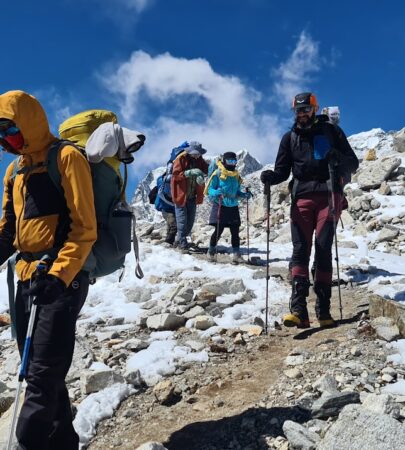
The big test comes after — the Thorong La Pass (5,416m), the high point quite literally and metaphorically. Crossing it is the kind of experience that makes a trekker’s life. The several hours of climbing, the stinging cold on your face, and that feeling of triumph when the prayer flags start to move above — that’s when you know you’ve really earned your Himalaya stripes. The path down to Muktinath opens out into the windswept Mustang valley, a raw, sacred land where the mountains look old and breathing.
Annapurna Circuit Trek offers traditional route for traditionalists and flexible detours for alternatives seekers — side excursions to Tilicho Lake, hidden monasteries, or exclusive trails off jeep roads. Trekkers mix tradition and luxury today by combining authentic teahouse nights with alternative village nights where time seems to freeze in mountain rhythm.
What makes the Annapurna Circuit “the world’s greatest trek” isn’t scenery — though that would be sufficient. It’s the trekking from contrasts: the climates, the landscapes, the tongues, the faces. It’s the transformation you experience trekking from green warm valleys to cold passes and then to Mustang’s sun-dried desert plateaux. Few places on this earth can provide that in one trek.
Even after decades of footsteps, the Annapurna Circuit in 2026 still holds its magic — not because it’s untouched, but because it continues to evolve while keeping its soul intact. It’s where culture meets nature, where every sunrise feels earned, and where adventure still feels real. For anyone wondering if it’s still the world’s greatest trek — walk it once, and you’ll have your answer.

Best Season to Hike the Annapurna Circuit
The Annapurna Circuit, with its gigantic variation of altitudes from subtropical valleys to the cold Thorong La Pass at 5,416m, can technically be hiked throughout the year — but the best seasons are spring (March–May) and autumn (September–November). It is during these times that the weather is most stable, the skies clearest, and the kind of mountain scenery that makes this trek unforgettable.
Spring (March–May) is the time when the Himalayas come alive. Lower trails erupt in rhododendrons in flower, green hills, and a gentle warmth in the air. Days are warm and long, and nights at higher altitudes are cold but not frosty. Forests are teeming with color, skies are blue, and mountain views — Annapurna, Dhaulagiri, Machhapuchhre — glow resplendent. It’s also one of the more social times on the trail, with trekkers from all around the globe gathering in tea houses, sharing stories, and creating that special camaraderie only long treks can build.
Autumn (September–November) is the classic season — crisp, dry, and clear. The air after the monsoon is clean and sharp, with close to zero dust and haze. The landscapes blaze golden and green, and Himalayan scenery is at its best throughout the year. Daytime temperatures are great for walking but nights are crisp but fine. Nepal’s most important cultural festivals, Dashain and Tihar, also take place during this time, and allow trekker to view local festivals and traditions in mountain villages.
Winter (December–February) and summer/monsoon (June–August) may be thought of but are not advisable. Winter involves cold nights and snow in the higher passes, tending to make Thorong La impassable or closed, though the trails are beautifully empty. Monsoon greenifies lower areas but makes them also muddy, wet, and landslide-prone — visibility decreases, but valleys are splendidly green.
For the majority of trekkers, spring and autumn are still impossible to beat. Spring and autumn provide you with the ideal combination of conditions for safety, temperature comfort, and breathtaking views — what makes the Annapurna Circuit remain one of the world’s best treks.
Food and Accommodation on the Annapurna Circuit Trek
There is something about the trekker’s grin after 7 hours of hill climbing, and it is not the mountain views — it is food. And on the Annapurna Circuit, accommodation and meals are not necessities; they’re a big part of the experience. Every tea house, every plate of Dal Bhat, every hot blanket is a tale of the path and its inhabitants.
Let’s start with food. The Annapurna Circuit runs through dozens of villages, and every stop brings a slightly different flavor. You’ll eat a lot of Dal Bhat — and that’s a good thing. It’s not just Nepal’s national dish; it’s the fuel that keeps trekkers going. Rice, lentil soup, vegetable curry, maybe some pickle on the side — it’s hearty, simple, and endlessly refillable. “Dal Bhat power, 24-hour” isn’t just a saying out here; it’s survival wisdom.
But the surprises along the trail are what make meals memorable. One day you’re eating noodles in a wooden lodge in Pisang; the next, you’re sitting in Manang with a steaming yak burger, or a slice of apple pie baked by a mountain grandmother who somehow has a working oven at 3,500 meters. There are pancakes, pasta, momos, soups, even pizza on the menu — evidence that the Annapurna Circuit has successfully embraced trekkers from all over the globe. And of course, there are the beverages: ubiquitous pots of ginger tea, black coffee, or that rich Tibetan tea that divides opinions quicker than the Thorong La wind.
For accommodation, tea houses are the soul of the Annapurna experience. Don’t expect luxury — expect character. Most rooms are wooden, basic, and small, often with thin walls and shared bathrooms, but they feel like home after a long day. You’ll crash into bed wrapped in layers of blankets, listening to the wind outside or maybe the faint laughter from the dining hall. Downstairs, the ferocious stove in the center of the room emits a reddish warmth, drying socks and gloves while trekkers exchange stories from the day. That warmth — physical and emotional — is what brings individuals back to the Himalayas.
Further up, especially around Thorong Phedi and High Camp, it becomes more basic — less luxury, more survival. But that’s all part of the fun. The juxtaposition of hot tea houses in villages and spartan, rugged mountain huts at high elevation makes each hot meal and soft bed luxurious.
Finally, food and accommodations along the Annapurna Circuit are more than context — they’re the rhythm of the trek. They connect you with locals, with other trekkers, and with the pure joy of comfort won after a long day’s climb. You don’t simply eat to exist out here — you eat to feast. Every plate, every night, is a testament to the existence of hospitality even in the farthest reaches of the Himalayas.
Itinerary for Annapurna Circuit Trek
The Annapurna Circuit is one of the world’s greatest trek. It is a journey through the full spectrum of Himalayan landscapes, from lush subtropical valleys to high-altitude deserts, ancient villages, and epic mountain passes. This itinerary takes you through the heart of the Annapurna region, combining adventure, culture, and natural beauty with careful acclimatization, so you can enjoy every step of this legendary trek.
Every day offers a new experience — crossing roaring rivers, walking through pine and rhododendron forests, glimpsing traditional Gurung and Thakali villages, and witnessing paonramas of Annapurna, Dhaulagiri, Machhapuchhre, and the surrounding peaks. From lively tea houses to quiet mountain trails, this trek balances challenge with comfort, ensuring you savor both the journey and the destination.
| Day | Route | Altitude (m) | Highlights |
| 1 | Arrival in Kathmandu | 1,350 | Morning breakfast, sightseeing around the city, cultural immersion |
| 2 | Kathmandu City Tour | 1,350 | Explore Swayambhunath, Pashupatinath, Boudhanath, and Patan Durbar Square |
| 3 | Drive from Kathmandu to Jagat | 1,300 | Scenic 10-hour drive through rivers, hills, and local villages |
| 4 | Trek Jagat to Dharapani | 1,860 | 12 km, 6 hrs; follow Marsyangdi River trail, cross suspension bridges, visit local villages |
| 5 | Trek Dharapani to Chame | 2,670 | 12 km, 5–6 hrs; pine forests, apple orchards, hot springs, mountain views |
| 6 | Trek Chame to Upper Pisang | 3,300 | 10 km, 5 hrs; high trail through traditional villages, panoramic views of Annapurna II and Pisang Peak |
| 7 | Trek Upper Pisang to Manang | 3,500 | 10 km, 5 hrs; scenic trail via Ghyaru and Ngawal, panoramic mountain vistas |
| 8 | Acclimatization in Manang Village | 3,500 | Rest day, explore Gangapurna Lake, visit monasteries, short hikes for altitude adjustment |
| 9 | Trek Manang to Yak Kharka | 4,230 | 13 km, 5–6 hrs; gradual ascent through yak pastures and alpine scenery |
| 10 | Trek Yak Kharka to Thorong Phedi | 4,450 | 7 km, 4 hrs; final acclimatization before Thorong La Pass, snowy ridges and high meadows |
| 11 | Trek Thorong Phedi to Muktinath | 3,760 | 15 km, 6–7 hrs; cross Thorong La Pass (5,416 m), panoramic Himalaya views, reach sacred Muktinath Temple |
| 12 | Trek Muktinath to Marpha | 3,500 | 15 km; descend into Kali Gandaki Valley, pass through apple orchards, experience Thakali culture |
| 13 | Back to Pokhara via Tatopani hot spring | 1,190–1,890 | Relax in natural hot springs, enjoy the lush lower valley, scenic drive to Pokhara |
| 14 | Explore or Rest day at Pokhara | 1,890 | Leisure day at Phewa Lake, optional short hikes, lakeside activities |
| 15 | Drive back to Kathmandu | 1,350 | Scenic drive back to the capital, reflection on the trek, farewell dinner |
| 16 | Final Departure | – | Transfer to airport, end of Annapurna Circuit journey |
Annapurna Circuit Trekking Permits
Trekking the Annapurna Circuit requires a few official permits to ensure safety, environmental conservation, and legal access to the Annapurna Conservation Area. These permits are mandatory for all trekkers and are designed to protect both the natural environment and the local communities along the route.
Annapurna Conservation Area Permit (ACAP):
Since the Annapurna Circuit passes through the Annapurna Conservation Area, every trekker must obtain an ACAP permit. This permit supports conservation efforts, trail maintenance, and local community projects.
- Price: NPR 3,000 (approximately USD 27) per person
- Validity: Single entry and valid for the duration of your trek
Trekking Information Management System (TIMS) Card:
The TIMS card is required for all trekkers in Nepal’s trekking regions, including the Annapurna Circuit. It helps authorities track trekkers for safety, search, and rescue operations.
- Price: NPR 2,000 (approximately USD 18) per person
- Validity: Valid for the duration of the trek
Place to Obtain Permits:
- Nepal Tourism Board, Kathmandu or Pokhara: ACAP and TIMS permits are issued here.
- Registered Trekking Agencies: Government-approved agencies can arrange all permits before departure, saving time and hassle.
Documents Required to Obtain Permits:
- Original passport and photocopy (mandatory)
- Two passport-sized photos (digital or printed copies may be accepted)
- Completed application form through the respective office or agency
Important Notes:
- All permits are non-transferable and non-refundable, so ensure all information is correct before submission.
- Keep permits accessible during the trek, as they may be checked at various checkpoints along the trail.
- Payments are accepted in Nepalese Rupees (NPR), so carrying sufficient local currency is recommended.
These permits not only provide legal access but also contribute to the protection of the region’s environment, wildlife, and local communities, making your trek safe and responsible.
Average Annapurna Circuit Cost
Annapurna Circuit trekking cost varies depending on the level of services, group size, and type of support required. In a typical 16-day Annapurna Circuit trek in 2025, the average cost of trekking is around USD 2,250 per person.
This average cost usually includes accommodation in teahouses along the trail, three meals a day whilst trekking, all the required permits (Annapurna Conservation Area Permit and TIMS card), certified guide and porter services, and ground transfer to and from the trailhead.
Personal expenses such as hot showers, internet, snacks, or tipping guides and porters are not included but are negligible alongside the total expense. Trekkers receive a well-planned, complete expedition with all logistics and safety done.
Annapurna Circuit Trek Travel Insurance
Travel insurance is not a choice for the Annapurna Circuit trek—it’s a necessity. Trekking in the Himalayas comes with uncertain risks such as altitude sickness, harsh weather, accidents, or flight cancellations at the last minute. A proper travel insurance cover protects you against such unexpected occurrences, and you can just focus on enjoying yourself on the trek without worrying about “what-ifs.”.
The most critical coverage your insurance policy must have is emergency evacuation. On backcountry sections of the Annapurna Circuit like Manang, Thorong Phedi, or the high passes such as Thorong La, helicopter evacuations will cost upwards of thousands of dollars if paid out-of-pocket. Make sure your policy states helicopter evacuation and high-altitude medical rescue up to at least 5,500–6,000 meters because some passes are very high. It should also cover medical expenses, hospitalization, trip cancellation or interruption, and loss or theft of personal belongings.
Airplane cancellations are common in Nepal due to the unpredictable nature of mountain weather, especially for flights between Pokhara, Jomsom, and Kathmandu. Ensure your policy covers trip cancellations or delays.
Graceful Adventure Travel doesn’t sell insurance, but we require every trekker to purchase one before heading to Nepal. Make sure your agent is aware that your trip is for high-altitude trekking, not for city sightseeing. Some policies don’t have more than 4,000 meters, so make sure your policy covers the peak altitude you will be reaching.
Some reliable insurance companies used by trekkers are:
USA and Canada: Travelex, InsureMyTrip.com, HCC Medical Insurance
UK: Specialty Group, Harrison Beaumont
Europe: CORIS
Australia and New Zealand: Cover-More
South Africa: TIC Insurance
On departure, keep both a printed and digital copy of your policy with you. In the event of an emergency, your guide or trekking company representative can call the insurance company immediately to arrange evacuation or treatment.
With good travel insurance, your Annapurna Circuit trek is more enjoyable and secure, and you can relish the Himalayan experience without worry.
Conclusion
Annapurna Circuit is not a trek – it’s an adventure into the most staggering landscapes and cultures of the Himalayas. From lush river valleys and fields terraced into rise after rise to alpine deserts high above and ancient sacred mountain passes, this trek immerses you in the full range of Nepal’s natural beauty and human heritage. It challenges your spirit, tests your endurance, and rewards you with moments of awe that linger long after you depart.
Along the trek, you’ll pass through villages where tradition never changes, meet people whose hospitality and kindness make each stop an experience, and witness daily views of Annapurna, Dhaulagiri, Machhapuchhre, and the supporting mountains. Each day is a fresh landscape — rhododendron forests, tumbling waterfalls, alpine grasslands, and glacial valleys — and each evening in the star-filled Himalayan night sky is a bonus. The bond with other travelers around hot food, fitful laughter, and stories is no less indelible than the scenery itself.
Passing over Thorong La Pass and exploring sacred sites like Muktinath is both a physical challenge and a spiritual journey, connecting you to generations of local heritage and the raw energy of the mountains. The Annapurna Circuit reminds you that adventure is as much about getting there as arriving — about releasing, observing, and embracing every hindrance along the way.
Ultimately, the Annapurna Circuit is one of the senses, of the flesh, and of the spirit. It is an experience that is real, raw, and unforgettable — a trek that tests you to your limits, celebrates your endurance, and provides you with Himalayan memories to last a lifetime.
Contact Details for Annapurna Circuit Booking
| Particular | Details |
| Booking office | Graceful Adventure Travel |
| Phone Number | +977-9851219412, 014700180/81 |
| Office Location | Sorhakhutte, Kathmandu, Nepal |
| [email protected]/ [email protected] |