Registration No.:
137081/072/073


Annapurna Royal Trek


Trip Difficulty
Easy

Max. Altitude
1,730m./5,676ft.

Meal
kathmandu - BB plan & Trekking - BLD

Accommodation
4* hotel in Kathmandu & Teahouse/Lodges on Trekking

Trip Duration
09 Days

Group Size
1-12 People
Price Starts From
US$ 985
-
1 person
US$ 985
-
2 -
5 person
US$ 865
-
6 over
9999
US$ 815
US$ 985

Need Help?
Ask to Travel Expert
Trip Highlights
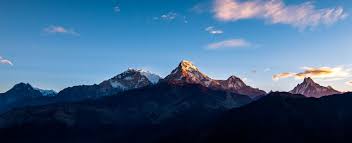
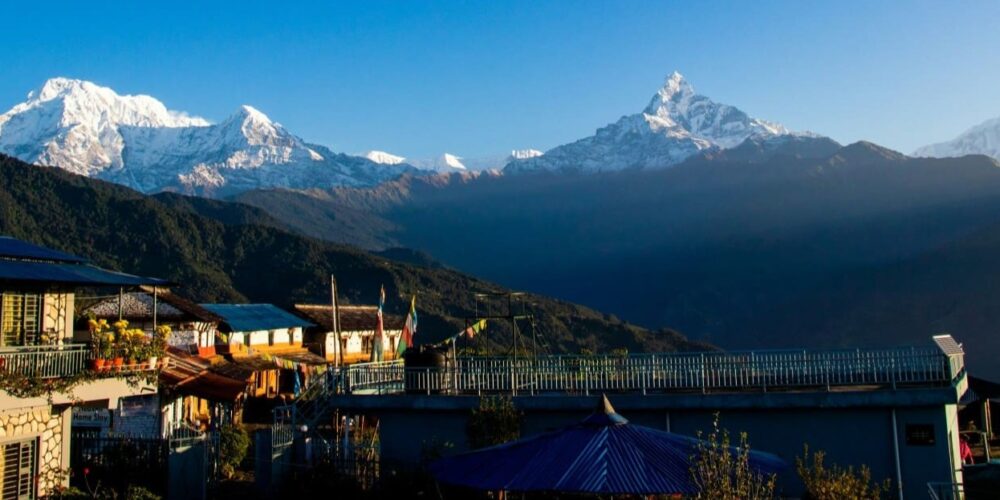
- Witness the spectacular view of Annapurna Himalayas with that famous Mt. Fishtail too.
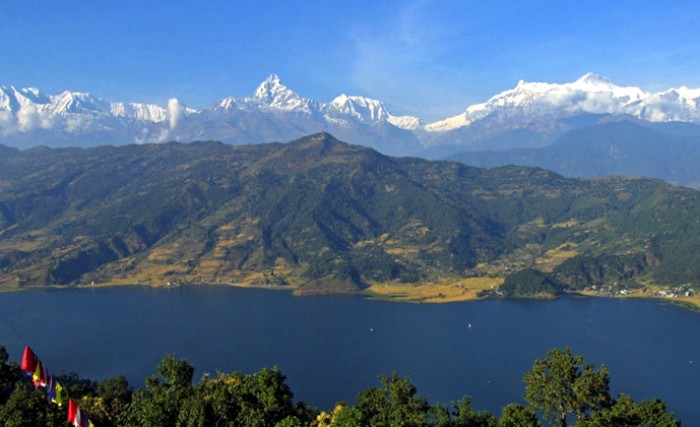
- Experience the luxuriance of the greenery clashing so nicely with the breathtaking views of Pokhara city from higher altitudes.
- Get to familiarize yourself with a culture tour to UNESCO World Heritage Sites in Kathmandu, Swayambhunath and Boudhanath Stupa.
- Pokhara brightens in color with tourists together with an aura of tranquility amidst adventure.
- Admire the tranquility offered by a sail across Begnas Lake, amidst the greens.
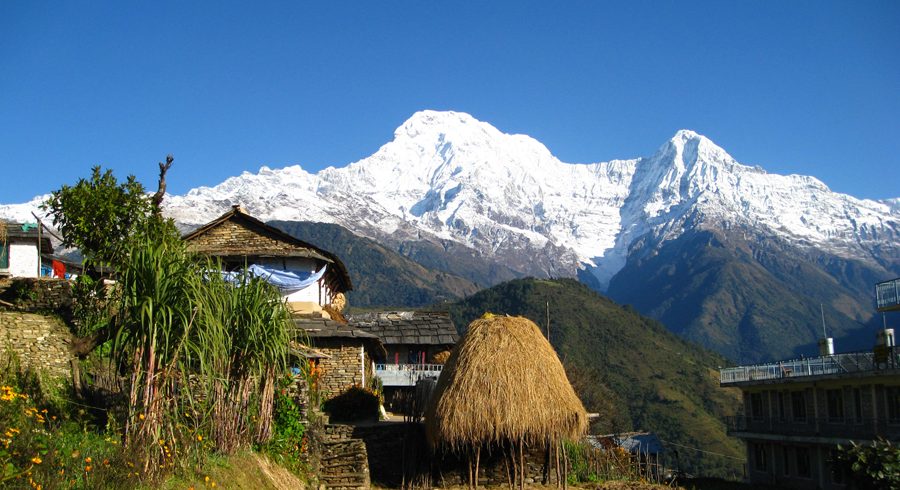
- Stay at humble Nepali homestays or guesthouses, enjoying the hospitality of local families.
- Check out the mesmerizing sunrise over the mountains at the Sarangkot viewpoint, showcasing breathtaking panoramic views of the majestic Annapurna Range.
- Trek through the dense forest with terraced fields rolling away, taking in some of the traditional Nepali towns.
- Visit the World Peace Pagoda; it is built on the top of a hill and offers some of the finest views of Pokhara and the hills around.
- Uniquely shaped caves within Pokhara, such as Gupteshwor and Bat Caves, will surely etch their memories in the travelogue.
- Because of the cultural diversity present in the village, there will be an atmosphere of acceptance along the lines of culture mingling into one type.
Introduction of Annapurna Royal Trek
Annapurna Royal trek is one of easiest and shortest trek in Annapurna region that maximally follows shrubby paths along with the foothill terrain of mighty Annapurna. This beautiful trek allows you to explore the natural and cultural hub of Annapurna region in short time span. This trip is basically ideal for novices who have been restricted by time to trek long. You can enjoy grazing across the edges and make a close contact with the locals and their cultures on mountain. In early eighties, Prince Charles and his 90 associates made a visit to this route so this trek is named as royal trek in Annapurna region.
Annapurna Royal trek instigates after a scenic flight /drive from Kathmandu (1,360m) to Pokhara (900m). Pokhara, the lake city of Nepal is flourished with enchanting natural and religious beauty. During the trek, you will get to enjoy the captivating beauty of Annapurna range, Machapuchhre (fishtail) and Gangapurna along with the experience of eloquent culture and tradition of tribe that inhabit in the region. Unlike other trekking region, Royal trek is less crowded so you get wilderness and closer experience of nature, culture and way of living.
Graceful Adventure Travel pvt ltd organize the package of Annapurna royal trek trekking from Kathmandu and Pokhara. We are making this package tour including Kathmandu and Pokhara tour. We are organize customizable trip as well, if you have any plan or fixed to visit Annapurna royal trek please email us [email protected] or call 977-9851219412.
Outline Itinerary
| Day | Activity |
| 1 | Welcome to Nepal. Overnight at a Hotel in Kathmandu. |
| 2 | Kathmandu sightseeing tour and trek preparation day overnight at hotel. |
| 3 | Drive from Kathmandu to pokhara. Overnight at hotel.(flight on your request) |
| 4 | Drive from Pokhara to Bijayapur and trek to Kalikasthan. |
| 5 | Trek from Kalikasthan to Syaklung. Overnight at the guest house. |
| 6 | Trek from Syaklung to chisapani. Overnight at the guest house. |
| 7 | Trek from Chisapani to Begnaslake and drive back to Pokhara. Overnight at the hotel. |
| 8 | Drive or fly back to Kathmandu. Overnight at the hotel. |
| 9 | Final Departure. |
Annapurna Royal Trek Detail Itinerary
1
Day 1: Welcome to Nepal. Overnight at a Hotel in Kathmandu.
Arrive at Tribhuvan International Airport, which lies in the capital city of Nepal. Our company representative will be there to receive at the Airport with the holding board. You will then escort to the hotel preferred by you.
Activity: Arrive Kathmandu
Meal: Welcome Meal
Accomodation: 4* hotel
2
Day 2: Kathmandu sightseeing tour and trek preparation day overnight at hotel.
Kathmandu valley is famous for its religious monuments where 7 heritage sites (Kathmandu Durbar Square, Bhaktapur Durbar Square, Patan Durbar Square, Pashupatinath, Boudhanath, Swaymbhunath, Changunarayan Temple) are listed in World Heritage Sites by UNESCO.
Your day starts in the late morning after breakfast. A guide will take you to the historical places and provide detailed information about the culture, architecture, monuments, lifestyle of people, festivals. After half day sightseeing you will be driven back to the hotel and will be briefed about the trek.
Activity: Explore Kathmandu
Meal: BB
Accomodation: 4* hotel
3
Day 3: Drive from Kathmandu to Pokhara. Overnight at hotel.(flight on your request)
On the first day, you should drive from Kathmandu to Pokhara-a journey of about 6-7 hours. It is a scenic drive along the Prithvi Highway, past the Trishuli River and picturesque hills. On the way, one can see some traditional Nepali villages, terraced fields, and green valleys. The journey is pleasant, allowing you to savor the peaceful landscape.
Arrival at Pokhara would then be followed by checking into your hotel for rest, and perhaps some time exploring the lakeside or relaxing beside Phewa Lake in the evening.
Activity: Drive to Pokhara
Meal: BB
Accomodation: 4* hotel
4
Day 4: Drive from Pokhara to Bijayapur and Trek to Kalikasthan.
From Bijayapur, the trek to Kalikasthan starts, taking the easy walk through rice fields into a slower ascent through the forests and terraced hills. The trail provides wonderful views of the Annapurna Range as it climbs. Once in Kalikasthan, the trekkers can spend a little time strolling through the villages and relaxing with a mountain view. The first night will be at a local teahouse or lodge with warm Nepali hospitality and traditional food. This day will allow for some acclimatization and a lovely evening in the hills.
Activity: Trek to Kalikasthan
Meal: Breakfast, Lunch & Dinner
Accomodation: Teahouse / Lodge
5
Day 5: Trek from Kalikasthan to Syaklung.
The trek follows the ridges overlooking an astonishing view of the Himalayas, through rhododendron and pine forests. Trekkers would walk through gurung and magar villages and witness local farming and daily activities. The steep accumulations would climb here and there; however, the views and cultural experience are well worth all effort. Pretty much, the hilltop settlement of Syaklung at dusk is a sight to behold as it offers stunning views of the sunset, with an overnight stay at Lodges for wellness before another trekking day.
Activity: Trek to Syaklung
Meal: Breakfast, Lunch & Dinner
Accomodation: Teahouse / Lodges
6
Day 6: Trek from Syaklung to chisapani.
There is continued hiking from Syaklung onto Chisapani, as more picturesque landscapes line the way. At some point, the trail leads down through woods and minor settlements where a fine interaction with local people would be possible to learn their ways of living. After trekking a few hours, the halfway point would be a place to rest while taking in the sprawling views of the Annapurna and Dhaulagiri ranges. As the trek continues, the trail climbs again towards Chisapani, a peaceful place with wide-open meadows and tranquil wind. Here would be a guesthouse stay where warm meals and a very relaxing evening will be enjoyed.
Activity: Trek to Chisapani
Meal: Breakfast, Lunch & Dinner
Accomodation: Teahouse / Lodge
7
Day 7: Trek from Chisapani to Begnas lake and drive back to Pokhara. Overnight at the hotel.
The trail drops gradually through terraces and forests, with lovely views of the lake popping up now and then on its way. Gentle settings and fresh mountain air make for a perfect walk. When near the lake, green and colorful scenery suddenly bursts with life, with the mountains reflected in its waters. Upon reaching Begnas Lake, a short drive will take them back to Pokhara, and thus the trekking would come to a stop. Overnight in a Pokhara hotel and enjoy night-life.
Activity: Trek to Begnas Lake & Drive back to Pokhara
Meal: Breakfast, Lunch & Dinner
Accomodation: 4* hotel
8
Day 8: Drive or fly back to Kathmandu. Overnight at the hotel.
On the last day, drive from Pokhara back to Kathmandu. It is a 6-7 hour journey and more sights of countryside will be seen. In Kathmandu, you will be dropped at your hotel where you could rest and, if time allows, explore the city.
Activity: Drive/Fly back to Kathmandu
Meal: BB
Accomodation: 4* hotel
9
Day 9: Final Departure.
According to your flight schedule, our company representative will manage everything for you and drop you off at the Airport. If you have enough time then we will take you for sightseeing where you can do shopping.
Activity: Fly back
If our standard itinerary doesn't fully meet your needs, we are happy to tailor it to your specific preferences and requirements.
Includes and Excludes
What’s Included?
- Airport pick up and drop with an escort
- Local transportation with private vehicle service
- Kathmandu to Pokhara Tourist bus (Flight as per your request)
- Full Board Plan (breakfast, lunch, dinner, accommodation, ) during trek,
- Hotel in Kathmandu and Pokhara with BB plan
- City tour guide in Kathmandu
- English speaking with license Holder Trekking guide
- Annapurna conservation conservation area permit
- TIMS (Trekkers’ Information Management Systems)
- All government tax and company tax
- First aid kid
What is not Included?
- Lunch and dinner in Kathmandu and Pokhara
- Your travel insurance
- International flight and departure tax
- Any expense of personal nature
- Nepal entry visa fee US 30 (Duration 60 days from date of issue)
- Your personal nature expenses such as bar bill, laundry, beverages
- Any evacuation cost
- Bar Bill (Beer , whisky, cola, mineral water and tea, coffee )
- Tipping for guide ,Porter and driver
- Doesn’t mention service included
Trip Map of Annapurna Royal Trek
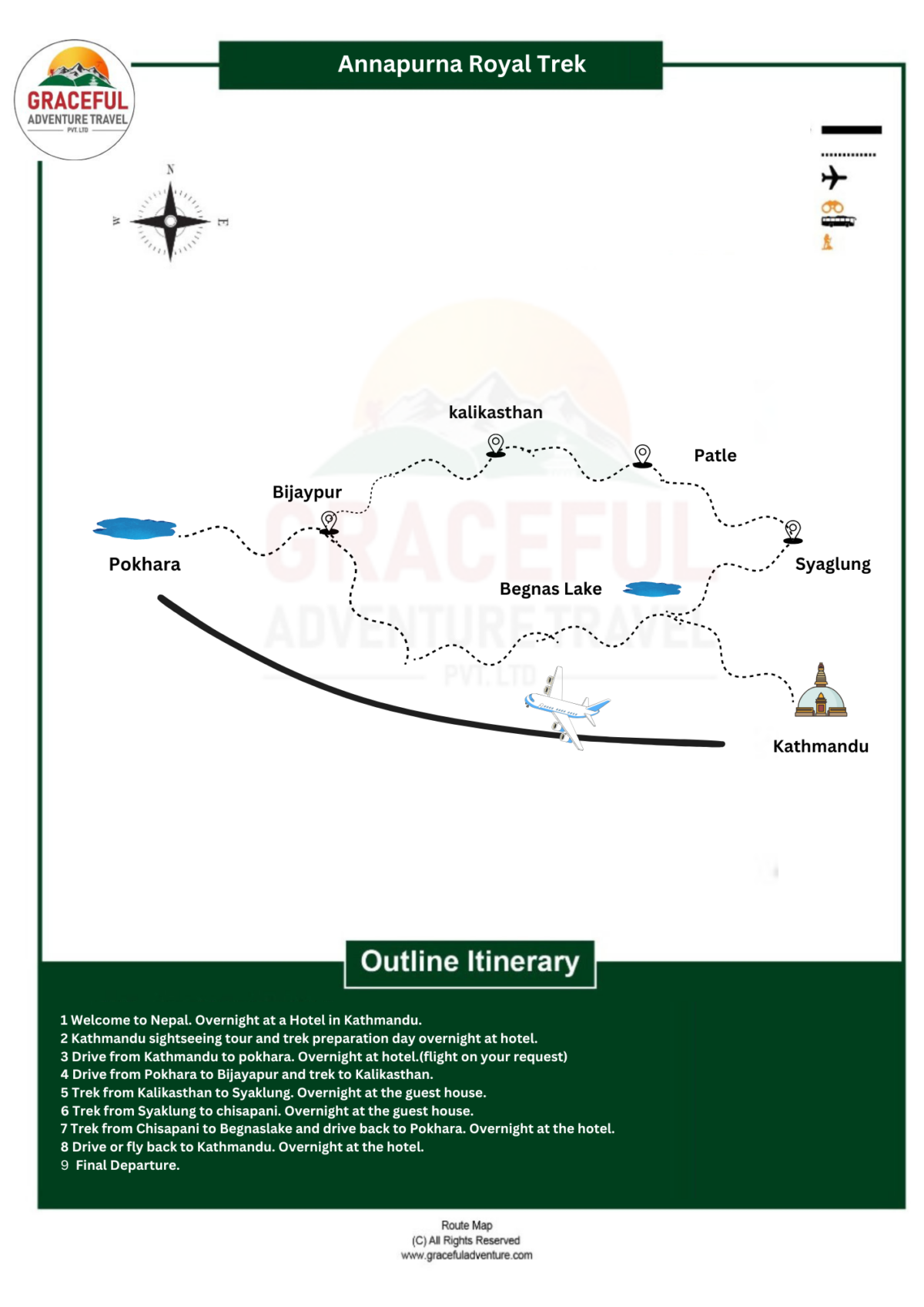
Annapurna Royal Trek - Trip Information
Major Attractions of Annapurna Royal Trek
Annapurna Royal Trek is a short, easy walk with features of cultural and natural beauty. The trek was named after the royal family member-His Royal Highness Prince Charles, who trekked this route along with his entourage back in the 1980s.
Gurung Villages and Culture
Among most beautiful Gurung villages, and fires happen to be this trek, crossing lifestyle culture and hospitality of the lived local people itself. Simple village huts and warm smiles of people evolve a rare cultural experience.
Panoramic Views of the Annapurna Range
Wonderful views of the Annapurna range along Machapuchare, Dhaulagiri, and Lamjung Himal are presented by the trek. Peace with the trails-greenery makes an ideal escape into nature.
Peace and Less Crowded Trails
The Royal Trek is quite different when it comes to traffic and noise as compared to other popular trekking routes nearby. This thereby becomes an option for seekers of solitude and a personalized trekking experience.
Fantastic Campsites and Hillside Walks
Through terraced fields, spellbinding hilltops, and lovely campsites-most gorgeous where one could look at the majestic Himalayas-the trail takes the trekkers. The mild trails are all suited for the novice and promises to be a peaceful environment.
Local Cuisine and Homestay Experience
The Royal Trek serves a platter for authentic Nepali foods at local tea houses and homestays: dal bhat, momo, and thukpa. Staying with local families’ enhances the cultural richness of the journey.
Exploration of Biodiversity and Nature
The trekking route leads through forests of rhododendrons, magnolias, and pine trees, which attract many birds and wildlife. It is ideal for nature lovers because flora and fauna discovery of Nepal is in one trekking.
Perfect Short Trek for All Age Groups
The Royal Trek, designed with forgiving gradients and the easy-to-maneuver walking trails, really suits the novice, families, and senior trekkers alike. It promises to be a fulfilling trekking experience, but it does not require extraordinary physical endurance to attain.
It is the perfect way for culture, nature, and dramatic mountain views in Nepal in a short time. Trekking on the Annapurna Royal Trail perfectly balances adventure, relaxation, and culture; thus, it can supplement any itinerary in Nepal.
Food and Accomodation on Annapurna Royal Trek
Along the routes of the Annapurna royal trek houses both tea and lodge for simple but nutritious foods that comprises nearly of Nepali and Tibetan-style dishes with a small range of basic Western options. Breakfast mostly consists of meals such as porridge, pancakes, toast with jam or honey, chapati, eggs, with tea or coffee. Lunch and dinner for trekkers include the flavors of dal bhat rice, lentil soup, and other vegetables besides noodles, momo, pasta, fried rice, and soups. Food at dal bhat is popular preferred food, giving enough energy and serves unlimited refills.
The main accommodation on this trek is teahouses, which provide basic and comfortable lodging. Basically, the rooms are quite simple and furnished with twin beds, blankets, and pillows. However, trekkers should carry along sleeping bags for added warmth. Most bathrooms are shared, though some lodges may have private bathrooms with extra charges. Heating is limited, though there is always a fireplace in the dining area for trekkers to gather for warmth and relaxation. It is not only quite simple but also proves to be the experience because of the touch of warmth added by the locals and remembered as an experience.
Necessary Equipment’s for Annapurna Royal Trek
There are many necessary equipment that trekkers have to carry during the treks. During the Annapurna Royal Trekking trekkers can stay at stars to local level hotels at Kathmandu and Pokhara. On the way they have to stay at local community house or tea house enjoying local cuisine but some places they have to stay on tent doing camping because at upper altitude we can’t find any permanent residence house so that trekkers have to carry necessary equipment and materials according to their stay .The necessary materials needed during the treks are as follows.

Best Season for the Annapurna Royal Trek
The ideal time for the annapurna royal trek is in spring, from March to May, and autumn, from September to November, as every weather condition stands in favor of trekking at this time with clear skies and great views. Wonderful days of spring are accompanied by picturesque blooming rhododendrons all along the trail, while autumn brings fresh, cool air with great visibility and awesome views of annapurna and machapuchare. Trekking conditions are good for lesser rain and mild sunshine in both seasons.
Spring season:
Spring is one of the best times for trekking in the annapurna royal trek. Trekkers in this period feel comfortable trekking at temperatures hovering around 10-20 degrees Celsius. Everywhere along the trails, one can see the splendid blooming rhododendrons. The weather is nice and clear, perfect for breathtaking views of the mountains in the vicinity. Another thing that makes spring trekking engaging is all the cultural sites one can visit as the villages along the route are usually humming with activities.
Summer season:
Summer coincides with the Nepali monsoon period, wherein there is heavy downpour, high humidity and clouds fill the sky. The trails turn all muddy and slippery making trekking all the more difficult. This is the period when the scenery turns immensely green with cascading waterfalls, rich forests providing vibrant colors to the area. Not more than 12 degrees to 25 degrees should be expected, and frequent rain with leeches anticipated along the trekking.
Autumn season:
Autumn is yet another best season for annapurna royal trek. With the monsoon rains, the skies are freshened with dust-free air all the way, and the views of the mountains are an incomparable experience. Temperature-wise, it ranges between 8 to 18 degree centigrade, which is the best for trekking. Plus, the festivals that are the largest and most important to the Nepalese like dashain and tihar happens at the same time, giving the trekkers an opportunity to partake in the culture and traditions of the local people. This factor plays a big role in contributing to the popularity of trekking in autumn, especially since the trails are not so crowded at this time.
Winter season:
Trekking during winter is not feasible on annapurna royal trek since this would be the time when it gets colder, and snow accumulation occurs on higher heights. Mornings and nights mostly see temperatures ranging from 0 to -5. The view of the mountains in the daytime can be breathtaking with clear sky; however, they should pack their gear and warm clothing properly. The lonely trails away from the crowds are an experience in themselves for many, but the chilling weather can deter many others.
A typical day in the Annapurna Royal Trek
A typical day dawns with breakfast very early in the morning, sunrises of the sun casting rays onto the trek where earlier walkers start off. A five-to-seven hour walking session comes together with the breaks for admiring the views and taking photos. Lunch is normally at some scenic-place en route, and instead, the same can be offered for some local tea house. The afternoon continues to get into forests, moving through villages and ridges until sometime towards the end of the afternoon, arriving at the destination. The rest of the evening is more like relaxing, strolling into surrounding villages, or just enjoying the breathtaking views of the mountains from the camp site. Dinner is served either by six or seven pm and followed directly by chatting and some reading till the lights are out and everyone goes to sleep, preparing for the next day.
Acclimatization in Annapurna Royal Trek
Its not so high climbs are thought of in the annapurna royal trek hence very little concern on the acclimatization. The nature does allow a gradual ascent of the trail. Since the maximum altitude is under 2200 meters with the least chances of altitude sickness, preventive measures would mean nothing more than drinking plenty of fluids, eating nutritious meals, and resting properly. Some altitude-related minor effects, however, are possible. Trekkers do not go beyond 2200 meters on the maximum altitude. Nevertheless, the information about it must be known by trekkers, as the body can tell whether everything is relaxed.
Difficulties of Annapurna Royal Trek
The annapurna royal trek is considered an easy to moderate trek and may be done by novices as well as families. The trail has a gentle climb and descent through forests, terraced fields, and typical villages. It is not technical climbing or mountaineering; average fitness is all that is required to deal with daily walk distances. The trek will become a little more difficult in terms of exposure if running water falls on the trails during the summer or it gets really cold in the winter. As with any trek, as it is well planned and equipped with proper trekking gear and if you take good care of your pacing, the majority of trekkers have no problems finishing the trek.
Annapurna Royal Trek permits
When it comes to trekking in the annapurna royal trek, permits should be procured by people going for that trek. A treker’s information management system, or simply a TIMS card, is required. This can be obtained in katmandu or pokhara, plus another permit required is the annapurna conservation area permit (ACAP), as the trek lies within the conservation zone. The estimate for the total cost for both permits is somewhere around 3000 npr per person. There are no special restricted area permits required. For trekkers, it is better to obtain the permits beforehand, so as not to cause any delay along the trek.
Electricity and communication on Annapurna Royal Trek
However, telephone lines and electricity are found in major towns like Pokhara but may not be existent in remote trekking areas. Some teahouses may allow charging of electronic gadgets at an extra fee. Lower altitude has strong mobile signals but should not be counted on at high altitude. All trekkers are to carry a power bank for charging their gadgets. Satellite phones for emergency might be arranged through the guide and lodges.
ATM and currency exchange
The ATM and currency exchange services are available in Pokhara and Kathmandu, but no such services can be found along the trekking route. These local villages will only accept Nepalese Rupees; hence, trekkers must convert their money accordingly.
Frequently Asked Questions
The best seasons to visit the annapurna royal trek are spring (march to may) and autumn (september to november); the reason being that the sky is clear, temperature mild, and views from the mountains stunning at this time.
Easy to moderate trek for beginners, families. mostly gently uphill, downhill sections which will require a basic fitness level.
Yes, there will be the need for anapyurna conservation area permit (acap) and a trekker’s information management system (tims) card. both are available in kathmandu and pokhara.
Accommodation is more like teahouses and lodges basic but quite comfortable with twin beds, blankets, and bathrooms shared. the experience is really sealed with warm hospitality from the locals.
In the trek, denture and other nepalese potato, for example dal bhat, momo, and thukpa, with western additions, like pancakes, that share with other dishes include pasta and fried rice. dal bhat is regarded to be an energy booster.
Altitude sickness is not a very big concern since the trek doesn’t go up above 2000 meters; hence no acclimatization prepares the trekkers.
no, all atms and services for money exchange are available only in kathmandu and pokhara. it is advisable to carry enough nepali rupees for the entire trip.
Electricity is mostly in teahouses but charging electronics often incurs additional costs. the mobile network may be available down in lower areas but could be poor or non-existent at higher points.
The trail itself is clearly marked, so many trekkers make this journey without a guide. However, having a guide or porter can really enhance the experience and make things easier when navigating.
Well-fitted trekking shoes, warm layers, a rain jacket, sleeping bag, water bottle, snacks, sunscreen, and basic toiletries are some of the essentials to bring. It is also better to carry cash and a power bank.
Price Starts From
US$ 985
-
1 person
US$ 985
-
2 -
5 person
US$ 865
-
6 over
9999
US$ 815
US$ 985
Need Help?
Ask to Travel Expert
Reviews


-
Price starts
US$ 985
✖
Talk To Expert

Mr. Padam Timilsina
Travel Expert
Custom vacations, perfectly planned to fit your wishes.
Request for Assistance ⮞