Registration No.:
137081/072/073


Peak Climbing in Nepal
Peak climbing in Nepal is one of the most coveted adventure experiences for newcomers and experienced mountaineers looking for new challenges in the Himalayas.
This form of mountaineering generally refers to climbing mountains that are less than 6500 meters high, providing trekking and climbing activity amidst the world’s highest mountain range.
Nepal, the true Himalayan playground, offers a unique opportunity to train, climb, and explore the natural beauty of its mountainous terrain. Thousands of climbers come to Nepal every year to begin their trek to the tops of its stunning mountains.
This demanding exercise is physically taxing yet extremely rewarding. It requires strength, endurance, and a baseline level of mountaineering technical proficiency. Nearly all the summits are beginner climbs, and peak climbing in Nepal is thus ideal for beginning climbers seeking a first high-altitude climb.
These mountains not only provide a genuine alpine experience but also acclimatize the mountaineers for subsequent mountaineering expeditions to higher mountains. The availability of numerous summits to ascend and numerous routes to take along makes Nepal one of the most sought-after destinations of peak climbing enthusiasts all over the globe.
Nepal boasts more than 400 mountains above 6,000 meters that are accessible for climbing. These mountains are listed as one of Nepal’s famous trekking peaks based on the fact that they are well-liked, easily accessible, and have a combination of scenic trekking routes and technical climbing challenges.
Some of the most sought-after climbing peaks in Nepal include Island Peak, Mera Peak, Chulu East, Chulu West, Pisang Peak, Yala Peak, Dhampus Peak, Paldor Peak, Tukuche Peak, Naya Kanga Peak, Tharpu Chuli (Tent Peak), and Putha Hiunchuli. These mountains provide stunning Himalayan vistas, varied terrain, and a genuine challenge to endurance and mountaineering skill. Each summit has its own character—from glaciated approaches to technical ridges—and helps to make Nepal one of the globe’s top alpine destinations.
Among the appeals of Nepali climbing is its breathtaking geographical diversity. Climbers cross zones with varying climates—the green forest, alpine grazing land, and ultimately the arid white wasteland at the 5,000-meter-plus level.
This diversity also gets the visitors to feel the rich culture of Nepal where friendly mountain people like the Sherpas are in control of every single expedition. Their experience, strength, and warmth have led many climbers to their peak ventures. Besides the thrill of adventure, the climbers are able to feel the peculiar customs, religion, and culture of the people in the Himalayas.
Nepal climbing isn’t merely about reaching the top—it’s a journey through one of the world’s most stunning ranges. While it’s draining, the reward isn’t so much in successfully reaching the top but those bits of majesty along the way.
The cinematic backdrop of snow-capped ridges, glaciers and isolated alpine villages adds to the spiritual and psychological aspect of the climb. The sense of achievement, having sat atop a Himalayan summit, is one which stays implanted in the memory of mountaineers.
Nepal peak climbing requires professional experience and expertise. As one of the top peak climbing tour operators in Nepal, Graceful Adventure Travel provides total service to climbers of various experience levels. From selecting the right peak to booking permits, guides, logistics, transports, and gears, we take care of everything in an efficient and safe manner.
Our team has experienced peak climbing guides and support members who have mountaineering safety procedures expertise as well as experience in high-altitude operations. We have licensed guides who have climbed the mountains multiple times already and know the terrain, the weather conditions, and what the requirements are.
As a licensed peak climbing travel agency in Nepal, we pride ourselves on providing customized itineraries, good logistics, and 24/7 services during your trip. If you are climbing an easy peak such as Yala or attempting the adventure of Mera Peak, we ensure that the experience is tailored to suit your requirements and aspirations.
Our mission is to help climbers reach their objectives while maintaining the highest standards of safety and environmental responsibility. For those looking to experience true Himalayan adventure, we’re proud to be recognized as the best travel agency in Nepal for mountain-based holidays and expeditions.
Nepal’s climate and geography vary from the rest of the world. Climbing in Nepal takes you beyond the tree line into the ice, snow, and rock world. It is where the climbers get to see the raw beauty of the mountains and challenge themselves to their psychological and physical limits.
The glaciated terrain, the exposed ridges, and the vertical walls all serve to create an experience like no other. For others, it’s not just an experience—it’s a life-changing accomplishment.
Peak Climbing in Nepal also involves learning and using mountaineering tools, understanding weather patterns, and managing time and altitude wisely. Many people come not only to summit but to gain experience for future climbs. Whether you’re aiming for Everest in the future or simply want to step into the world of Himalayan mountaineering, peak climbing in Nepal offers the perfect foundation.
We at Graceful Adventure Travel are pleased to be an adventure travel agency in Nepal that helps climbers achieve their dreams. Our professional approach, in-depth local knowledge, and safety considerations make us the team of your choice for your next Himalayan climb. With careful guidance and preparation, your peak climbing adventure will be one of the most exciting and rewarding experiences of your life.
If you are ready to see the beauty and excitement of the Himalayas, join us and experience the best of Nepal as a journey to the top of the world to remember.

Need Help? Ask Question
+9779856019412
Peak Climbing in Nepal Trips

Yala Peak Climbing
14 Days
Trip DurationUS$ 2100
Per Person
Mardi Himal Peak Climbing
13 Days
Trip DurationUS$ 1950
Per Person
Pisang Peak Climbing
18 Days
Trip DurationUS$ 2700
Per Person
Lobuche Peak Climbing
18 Days
Trip DurationUS$ 2700
Per Person
Mount Everest Expedition
51 Days
Trip DurationUS$ 51000
Per Person
Tent Peak Climbing
18 Days
Trip DurationUS$ 2700
Per Person
Chulu West Peak Climbing
17 Days
Trip DurationUS$ 2550
Per Person
Tukuche Peak Climbing
Why Peak Climbing with
Graceful Adventure Travel Pvt. ltd
Experienced Sherpa Climbers
We are using experienced Sherpa guides who have summited major peaks and Mountain . Their expert leadership, deep local knowledge, and focus on safety ensure a successful and memorable adventure
High-Quality Tents and Equipment
We provides top-quality tents and climbing gear to ensure your safety, comfort, and rest at high altitudes. Reliable equipment can make a huge difference in both your performance and overall experience in extreme mountain conditions
Nutritious Food and Excellent Service
Good nutrition is crucial at altitude. Graceful Adventure Travel offers hygienic, high-energy meals prepared by trained staff to keep you strong and healthy. Their hospitality and personalized service add to the overall quality of your expedition.
Financial Guarantee and Transparency
With proper financial guarantees, you can book with confidence knowing your investment is secure. Graceful Adventure Travel maintains transparent pricing with no hidden costs, offering peace of mind from start to finish.
Best Season for Peak Climbing in Nepal
Peak climbing in Nepal is a thrilling activity that involves trekking and mountaineering. It allows climbers to ascend lower Himalayan peaks, typically over 6,000 meters, without complete expedition-level experience. Spring, March to May, is the optimum time for peak climbing. The weather is then settled, temperatures are moderate, and climbing conditions are best. Well-known summits like Island Peak, Mera Peak, and Lobuche East are commonly climbed during spring season. There is clear weather, and views are beautiful, making the time perfect for climbing and photography.
Spring (March to May)
Spring is the best season to climb Nepal’s peaks. Weather is nice, and there is solid, safe snow on peaks. The trails are lined with blooming rhododendrons, and the ascent is colorful. Climbers have an opportunity to enjoy extended daylight, and attempts to reach the summits become feasible. Climbers favor this season most for popular summits of the Everest and Annapurna ranges. It is a better success rate and is suitable for both novice climbers and experienced climbers.
Summer (June to August)
It is the time for the beginning of monsoon rains, and therefore not so busy a time for peak climbing. Slushy and muddy trails because of torrential rain, extremely high risk of avalanches and landslides, foggy weather that hides the mountain terrain, and obstruction in movement are to be anticipated. Although all the climbing peaks are shunned during this time, adventurous climbers can still make their way into the rain-shadow regions.
Autumn (September to November)
Autumn is another ideal time for high-altitude peak climbing in Nepal. The air is fresh and clean after the monsoon, and the weather is dry and good with mountain views. The trails have no monsoon mud, and the weather is perfect for climbing high altitudes. Peaks like Pisang Peak, Chulu East, and Tent Peak are generally ascended in this time. Nepal’s holiday mood adds extra celebratory zeal to the climb, with native festivals and culture along the way. The season is ideal for secure and successful climbs.
Winter (December to February)
Winter is the season of cold weather for peak climbs, and it takes more planning. There is huge snowfall in the high-altitude ranges, and the temperature drops well below zero. Some of the technical summits become risky as ice and snow can begin to accumulate over them. Otherwise, however, the mountains will otherwise be largely uncluttered, with fewer climbers ahead of one to negotiate through. Some lower peaks at Langtang or the lower region around Everest will maybe still be within reach. Winter climbs should be conducted by climbers who have seen conditions firsthand.
Most Popular Peak Climbing Package in Nepal
Nepal peak climbing is a perfect experience for individuals who wish to progress from trekking but are not yet ready for 8000-meter expeditions. Nepalese peak climbing provides the perfect combination of difficulty, altitude, and technicality. Nepal trekking peaks elevation ranges from 5,500 to 6,500 meters and are governed by the Nepal Mountaineering Association (NMA). These summits offer ideal practice for novice mountaineers and reward climbers with panoramic views and a true Himalayan experience. Schedules blend scenic treks, cultural insight, and heart-pounding climbs, rendering peak climbing in Nepal a dream for beginners and experienced climbers.
1. Island Peak Climbing (6,189m)
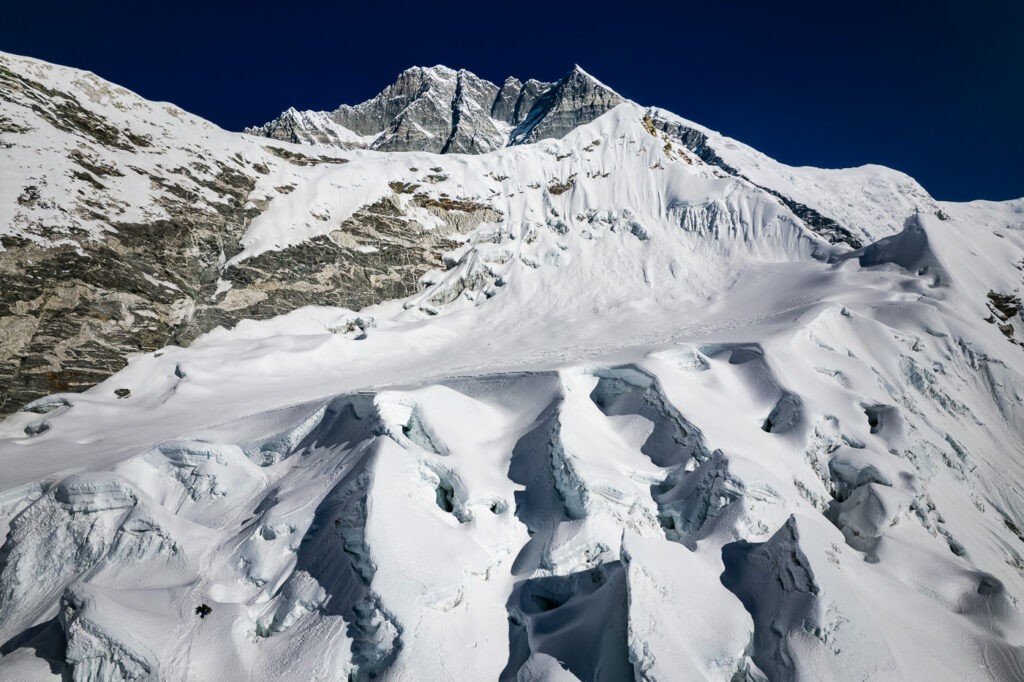
Island Peak, or Imja Tse, is one of Nepal’s most popular trekking peaks. It rises in the Everest region and provides the ideal mix of high-altitude trekking and straightforward climbing. The climb begins with the iconic Everest Base Camp trek, with good acclimatization and Sherpa culture. The peak itself rises like an island from a sea of ice, ringed by Himalayan giants Lhotse, Nuptse, and Ama Dablam.
The climb involves glacier walking, fixed ropes, and last headwall ice, steeply inclined to the summit. The climb is not a very difficult climb, but elementary technical climbing ability and super physical fitness are necessary. The view from the summit is great with Everest, Makalu, and Baruntse in sight. Island Peak is perfect for those who want to do their first Himalayan climb with technicality and beauty to savor.
2. Mera Peak Climbing (6,476m)
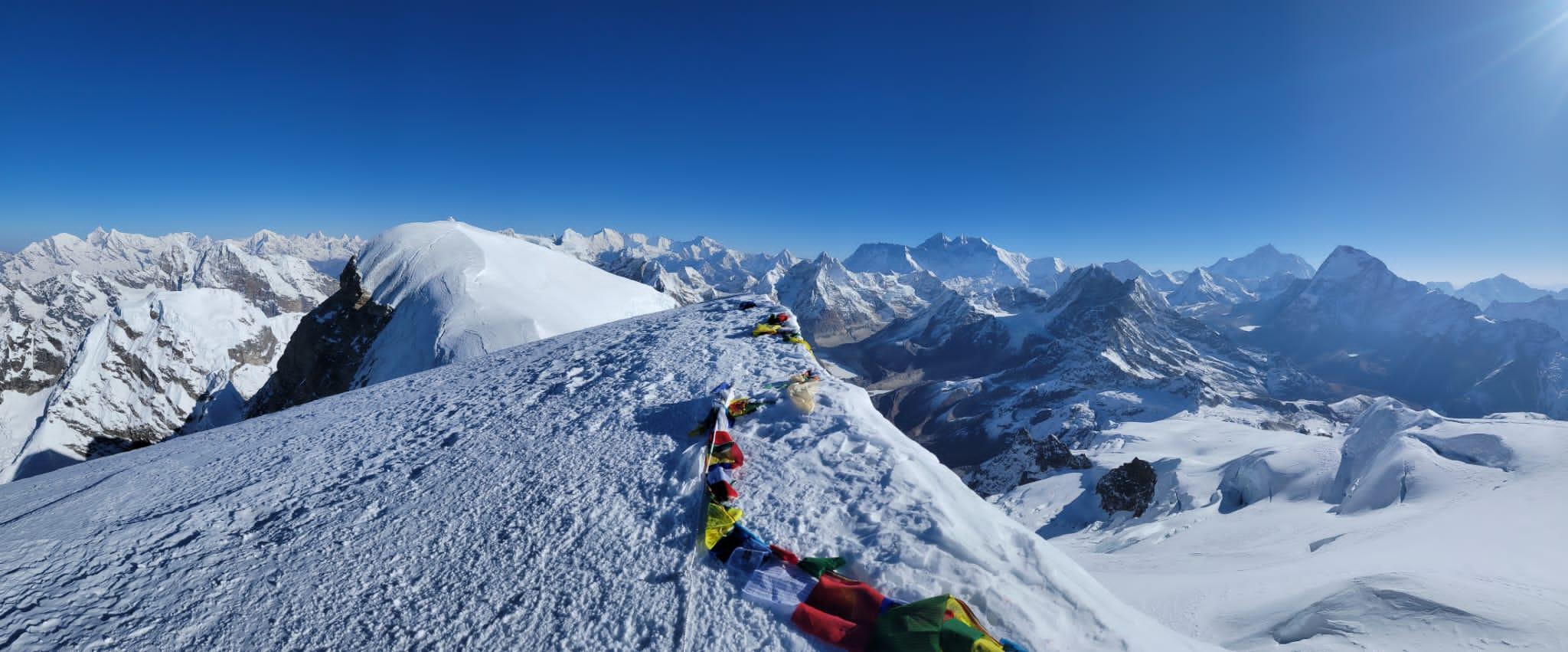
Mera Peak is the highest trekking peak in Nepal and a non-technical but physically demanding ascent. In remote Hinku Valley, base camp is reached by trek to magnificent rhododendron forest, yak grazing ground, and high alpine. Mera Peak has good acclimatization facilities with gradual height gain and is a suitable option even for novice climbers.
Although the ascent is not of a technical nature, cold and altitude make it a serious undertaking. The last day to the summit is a traverse of a glacier and steep snow slope to the top. From the top, one has one of the best panorama photos of the Himalayas with five of the 8000-meter peaks visible: Everest, Lhotse, Makalu, Cho Oyu, and Kanchenjunga. Mera Peak Climbing is perfect for adventure-hungry trekkers looking for a high-altitude summit.
3. Lobuche Peak Climbing (6,119m)
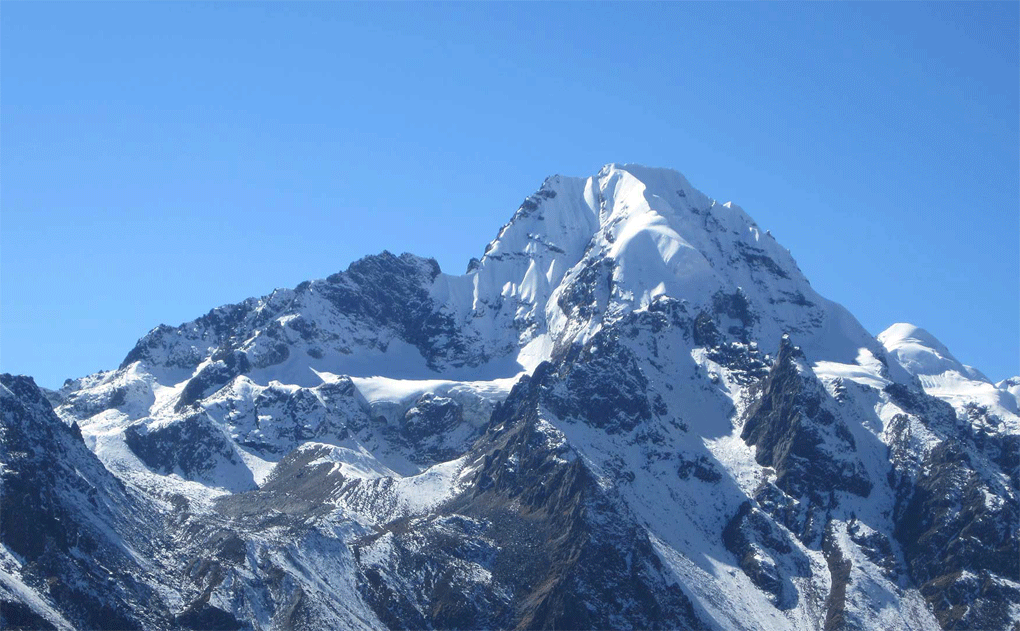
Lobuche Peak, located near Everest Base Camp, is an ideal option for those seeking something more technically challenging than Island or Mera. Lobuche trekking provides the traditional Everest trail, where trekkers have both a bounty of cultural heritage and stunning Himalayan scenery. There are two summits—Lobuche East (the more popular one to be climbed) and Lobuche West (more technical and also requires a separate permit).
The Lobuche Peak Climbing employs fixed rope, crampons, and ascenders on the final ice and rock pitch to the summit. This is a bit more difficult ascent compared to Island Peak, so it is ideal for those with climbing experience or previous training experience. Climbers have direct exposure to Everest, Lhotse, and the Khumbu Glacier while at the summit. The summit is generally the top choice for individuals who sign up for the high Himalayas expedition.

4. Yala Peak Climbing (5,732m)
Yala Peak is located in the Langtang region and is the easiest and most straightforward trekking peak in Nepal. Trek approach is through Langtang National Park with Tamang villages, monasteries, and stunning alpine scenery. The route is rich in wildlife like red pandas and Himalayan thar, and this adds the excitement of nature to the tour.
Yala Peak Climbing is an ideal first-time attempt since there is not a lot of technical climbing required. The majority of the ascent is a high-altitude hike with a simple glacier walk to the summit ridge. Shishapangma (in Tibet), Langtang Lirung, and Dorje Lakpa are included in the summit panorama dramatically. A good peak to start with if you are new to climbing or a short, less technical Himalayan trekker.
5. Tent Peak Climbing (5,695m)
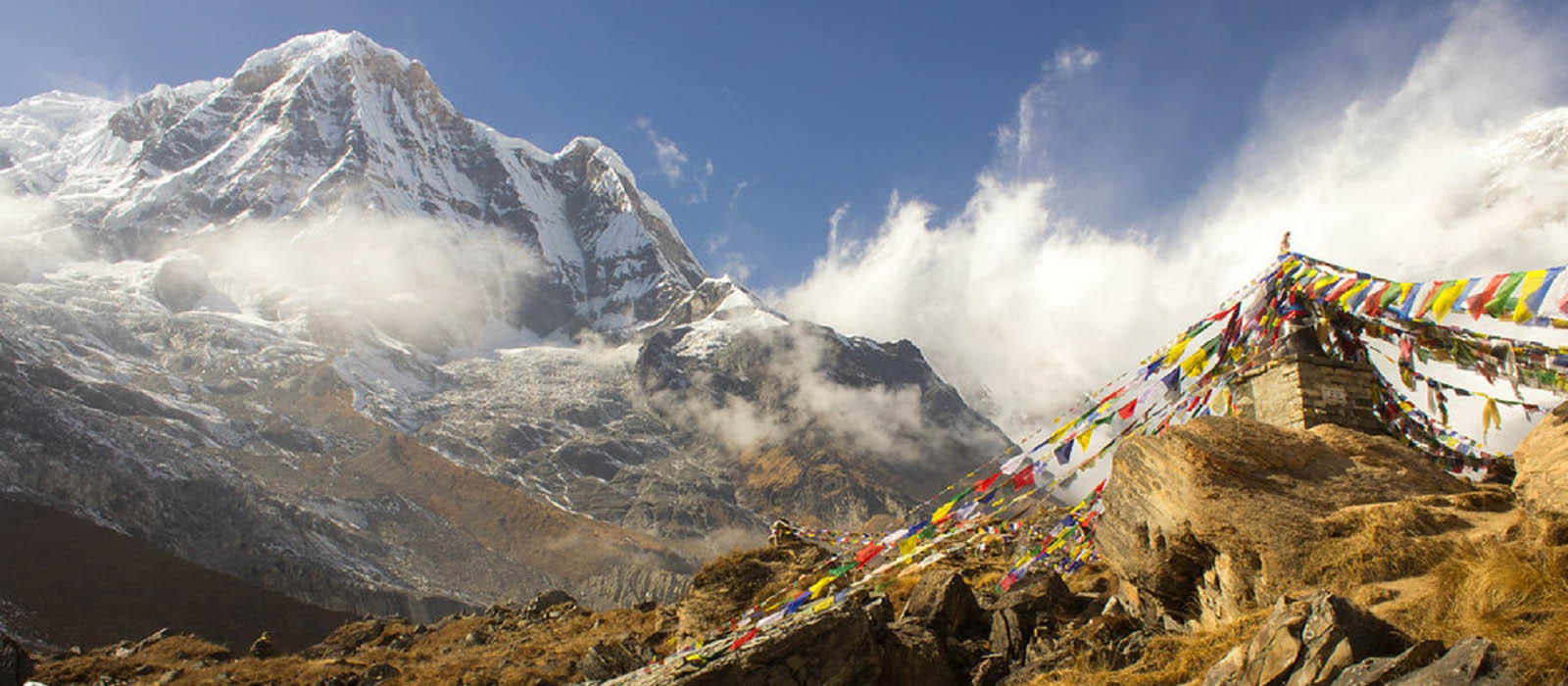
Tent Peak or Tharpu Chuli is a highly sought-after peak in the Annapurna Sanctuary. The trekking starts from the renowned Annapurna Base Camp trek and provides one with a chance to acclimatize in the midst of green woods, waterfalls, and undulating landscapes. The base camp lies in a natural amphitheater surrounded by Annapurna I, Machhapuchhre, and Hiunchuli.
Tent Peak Climbing is moderately technical and involves snow climbing, rope travel, and the use of ice axe and crampons. It’s a great peak to develop intermediate skills prior to doing more challenging climbs. The summits provide the climbers with a 360-degree panorama of the entire Annapurna range. The combination of a regular trek and a challenging peak forms one of Nepal’s best alpine experiences.
6. Pisang Peak Climbing (6,091m)
Pisang Peak is situated in the Annapurna region and rises above the lovely village of Pisang. The approaches are made via the famous Annapurna Circuit trek, scenery along the way varying from subtropical forest to alpine meadow. The trek goes through Manang, a village of traditional Tibetan-style homes, en route, which is ideal for acclimatization.
The climb has fixed rope, snow slope, and steep ridge sections. Pisang Peak Climbing is less technical than Yala or Tent but not exhausting for healthy and strong mountaineers. The summit view is excellent with the panorama of Annapurna range, Tilicho Peak, and Manaslu. This peak provides a nice mix of cultural trek and thrilling alpine climbing.
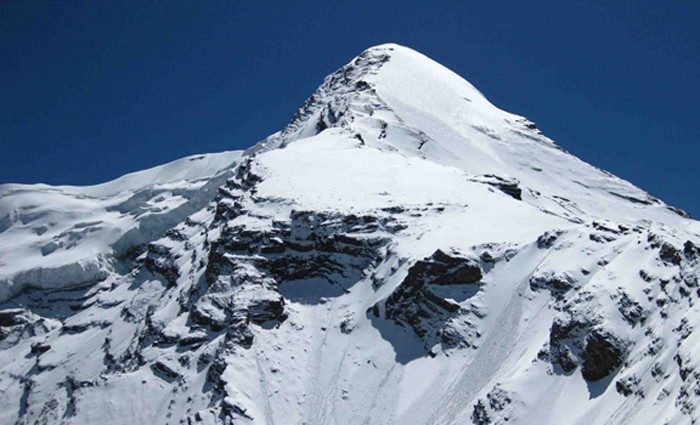
7. Dhampus Peak Climbing (6,012m)
The Dhampus Peak is located in the Dhaulagiri region and is climbed in conjunction with the Dhaulagiri Circuit Trek. Dhampus Peak offers a peaceful, secluded experience amidst the more popular Everest and Annapurna trails. Dhampus Base Camp treks include challenging passes like the French Pass and hidden valleys covered by the white ranges.
Dhampus Peak Climbing is a long snowy icy ridge climb that is less technical than other 6000-meter peaks. It’s ideal for a sound trekker who can try their first high-altitude peak. The peak provides a breathtaking view of Dhaulagiri, Tukuche, and the hidden valley of Mustang. The untouched nature and remoteness of the land add another taste of adventure to the trek.
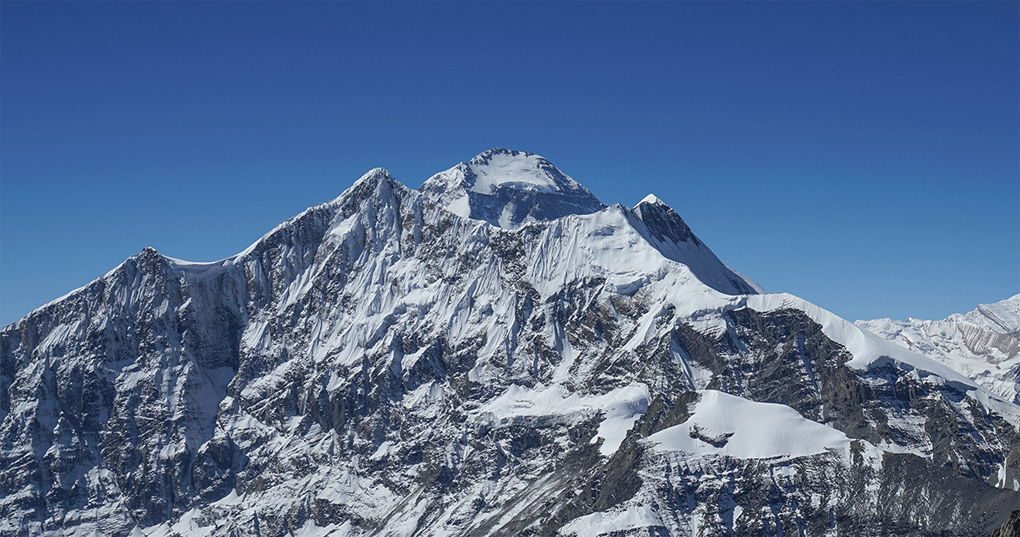
Necessary Equipments
There are many necessary equipment that trekkers have to carry during the treks. During the Peak Climbing trekkers can stay at 4 stars hotels at Cities. On the way they have to stay at local community house or tea house enjoying local cuisine but some places they have to stay on tent doing camping because at upper altitude we can’t find any permanent residence house so that trekkers have to carry necessary equipment and materials according to their stay .The necessary materials needed during the treks are as follows.

Food Services of Peak Climbing in Nepal
During the peak climbing season in Nepal, the climbers are provided with quality foods that are specially cooked to act as the energy and nutrient required for the physically demanding adventure. Climbers at base camps have breakfast with freshly cooked food such as porridge, eggs, toast, and tea. Lunch and dinner are normally energy-intensive meals like dal bhat (rice and lentils), pasta, fried rice, and vegetable curries so that the climbers have sufficient energy to complete the day’s climb.
The higher the climbers climb above the base camps, the lighter and energy-dense food is, for example, freeze-dried food, instant noodles, energy bars, and powdered drinks. Boiled water and easily digestible food constitute the majority at higher altitudes. Support members typically defrost snow to get water, and all cooking is undertaken with gas cylinders. The food, although limited, is the most important factor towards maintaining one’s physical vigor as well as their spirits during the expedition.
Accommodation Services for Peak Climbing in Nepal
High-climbing expeditions in Nepal have accommodation that varies in terms of geography and altitude. In urban city like Kathmandu, trekkers stay in 4-star comfortable hotels with well-furnished rooms, attached bathroom, and a room to store climbing equipment. During trekking to the base camp, climbers stay in mountain teahouses that offer warm, comfortable rooms with twin beds, heavy blankets, and shared washrooms.
Some trails also provide such luxuries as solar showers and electrical recharging points. In base camps, mountaineers sleep in dome tents with foam mattresses, insulated sleeping bags, and hot water bottles to provide them with warmth. The more primitive, the further the climbers go up into high altitudes, with small tents on ice or rocky terrain, little shelter and respite from the elements. In spite of the sparse comfort, these camps offer a crucial haven, enabling the climbers to rest and recharge for further climbing at higher altitudes.
Graceful Adventure Travel Agency – Leading Peak Climbing Operator in Nepal
Graceful Adventure Travel is a leading adventure travel agency in Nepal that is well-experienced in arranging safe and successful Nepal peak climbing. With years of personal experience in the Himalaya, we have guided climbers to the summits of popular trekking peaks like Island Peak, Mera Peak, Lobuche East, and many more. We offer custom-made, well-organized climbing tours for those travelers who seek to challenge themselves amidst Nepal’s spectacular landscape.
Being a Nepal certified and experienced peak climbing operator, we provide full support to your expedition—from climbing permit issuance to professional Sherpa guides, quality gear, nutritious food, and good logistics. Our climbing guides are seasoned professionals, many of whom have summited technical and high-altitude peaks several times, so your climb will not only be successful but also safe.
Whether you are an inexperienced climber looking for your first Himalayan summit or a skilled mountaineer preparing for higher goals, Graceful Adventure Travel has the expertise and determination required for a successful expedition. With our intimate knowledge of the country, strong local relationships, and commitment to client satisfaction, we make Nepal peak climbing a most enjoyable and unforgettable adventure.
Booking process
First of all customer should contact with inquiry firm or booking firm or in whatsapp . The company presentative will contact the customer with in 24 hours. After that the company person guides the customer. The company person confirms the booking of the customer then the process is down below :
1. Package Selection:
Start by visiting our company’s website and browsing our trekking packages. You’ll find all the details, including the itinerary, inclusions, exclusions, and prices. If you have any questions, feel free to contact our customer support team, who will be happy to assist you.
2. Personal and Group Information:
Once you have decided to book the package, fill out the booking form on our website with the necessary personal and group information. Please ensure that all details are accurate, as any mistakes or omissions may lead to issues during the trek.
3. Confirmation:
Once you submit the booking form, our company representative will review your information and contact you within 24 hours to confirm your booking. We will send you our standard agreement, which outlines the terms and conditions of the booking. Please read the agreement carefully and ask us if you have any questions.
4. Advance Payment:
To confirm your booking, we require a 20% advance payment of the total cost of the package. You can make the payment through our secure online payment gateway, which accepts all major credit and debit cards. Alternatively, we can send you a payment link or provide you with our bank details for a direct bank transfer.
5. Booking Confirmation:
Once we receive your advance payment and signed agreement, we will confirm your booking and send you a receipt of payment. We will also provide you with a detailed itinerary, packing list, and other essential information to prepare you for the trek.
6. Pre-Trek Briefing:
Before the trek starts, we will conduct a pre-trek briefing, either in person or online, to go over the itinerary, safety protocols, and other relevant information. This briefing is essential to ensure that you have a safe and enjoyable trekking experience.
We hope that this updated booking process meets your requirements and makes it easier for your customers to book our trekking packages. If you have any further questions or suggestions, please let us know, and we’ll be happy to help.
Contact Details for Peak Climbing Booking in Nepal
| Particular | Details |
| Booking office | Graceful Adventure Travel |
| Phone Number | +977-9851219412, 014700180/81 |
| Office Location | Sorhakhutte, Kathmandu Nepal |
| [email protected]/ [email protected] |
Peak Climbing Cost in Nepal with Graceful Adventure Travel
| S.N | Peak Name | Number of Days | Cost |
| 1 |
Chulu West Peak Climbing |
17 | US$ 2550 |
| 2 |
Tent Peak Climbing |
18 | US$ 2700 |
| 3 |
Lobuche Peak Climbing |
18 | US$ 2700 |
| 4 |
Pisang Peak Climbing |
18 | US$ 2700 |
| 5 |
Mardi Himal Peak Climbing |
13 | US$ 1950 |
| 6 |
Yala Peak Climbing |
14 | US$ 2100 |
| 7 |
Mera Peak Climbing |
18 | US$ 2700 |
| 8 |
Island Peak Climbing |
16 | US$ 2400 |
Climbing Permit Costs for Foreigners (6500 Meters to 7000 Meters)
| S.N | Mountains/ Peak | Spring | Autumn | Summer |
| 1 |
Ganesh V (6986 M) Langtang |
$400 | $200 | $100 |
| 2 |
Kang Guru (6981 M) |
$400 | $200 | $100 |
| 3 |
Leonpa Gang (Big White Peak)(6979M) |
$400 | $200 | $100 |
| 4 |
Dorje Lhakpa (6966 M) Langtang |
$400 | $200 | $100 |
| 5 |
Numbur (6957 M) |
$400 | $200 | $100 |
| 6 |
Lemgpa Peak (6954 M) |
$400 | $200 | $100 |
| 7 |
Tukuche Peak (6920 M) |
$400 | $200 | $100 |
| 8 |
Lamjung Himal (6918 M) Annapurna |
$400 | $200 | $100 |
| 9 |
Ri Gurkarpa (6891M) |
$400 | $200 | $100 |
| 10 |
Jethi Bahurani (6850 M) |
$400 | $200 | $100 |
| 11 |
Nilgiri South (6839 M) |
$400 | $200 | $100 |
| 12 |
Ohmi Kanga (6829 M) |
$400 | $200 | $100 |
| 13 |
Kanijiroba (Main Peak) (6828 M) |
$400 | $200 | $100 |
| 14 |
Cheo Himal (6820 m) |
$400 | $200 | $100 |
| 15 |
Bobaye(6808 M) |
$400 | $200 | $100 |
| 16 |
Drangang Ri (6801M) |
$400 | $200 | $100 |
| 17 |
Bhairab Takura (Madiya Peak) (6799 M) |
$400 | $200 | $100 |
| 18 |
Khatang (6782 M) |
$400 | $200 | $100 |
| 19 |
Kangtega(Kantega) (6779 M) |
$400 | $200 | $100 |
| 20 |
Nampa (6755 M) |
$400 | $200 | $100 |
| 21 |
Cho polu (6711 M) |
$400 | $200 | $100 |
| 22 |
Fimkot (6697 M) |
$400 | $200 | $100 |
| 23 |
Chobuje (6685 M) |
$400 | $200 | $100 |
| 24 |
Baudha (6672 m) |
$400 | $200 | $100 |
| 25 |
Fimkot West (6645 M) |
$400 | $200 | $100 |
| 26 |
Phurbi Chyachu (6631 M) |
$400 | $200 | $100 |
| 27 |
Kande Hiunchuli (6627 M) |
$400 | $200 | $100 |
| 28 |
Thamserku (6623 M) |
$400 | $200 | $100 |
| 29 |
Kanjeralwa (6612 M) |
$400 | $200 | $100 |
| 30 |
Sita Chuchura (6611 M) |
$400 | $200 | $100 |
| 31 |
Raksha Urai (6593 M) |
$400 | $200 | $100 |
| 32 |
Nampa South (6580 M) |
$400 | $200 | $100 |
| 33 |
Changla (6563M) |
$400 | $200 | $100 |
| 34 |
Tripura Hiunchuli (6563 M) |
$400 | $200 | $100 |
| 35 |
Hongde (6556 M) |
$400 | $200 | $100 |
| 36 |
Surma-Sarovar North (6523 M) |
$400 | $200 | $100 |
| 37 |
Tso Karpo (6518 M) |
$400 | $200 | $100 |
| 38 |
Karyolung (6511M) |
$400 | $200 | $100 |
| 39 |
Tawache (6501 M) |
$400 | $200 | $100 |
Climbing Permit Costs for Foreigners and Nepalese (below 6500 Meters)
| S.N | Mountains/ Peak | Spring | Autumn | Summer |
| 1 |
Less Than 6500 Meter (except trekking peaks) |
$250 | $125 | $70 |
| 2 |
For Nepali Climbers |
NPR 4000 | NPR 2000 | NPR 1000 |
Peaks that Don’t Require Climbing Permit Cost
| S.N | Mountains/ Peak | Spring | Autumn | Summer |
| 1 |
Yala Peak (5,732m) |
Free | Free | Free |
| 2 |
Chhukung Ri (5,550m) |
Free | Free | Free |
| 3 |
Tharpu Chuli/Tent Peak (5,663m) |
Free | Free | Free |
| 4 |
Mardi Himal (5,587m) |
Free | Free | Free |
| 5 |
Machhermo (5,559m) |
Free | Free | Free |
| 6 |
Pokhalde (5,780m) |
Free | Free | Free |
Frequently Asked Questions
Peak climbing in Nepal is ascending lower, less technical peaks, typically below 7,000 meters, as opposed to the massive 8,000-meter giants like Everest or Annapurna. Peak climbing is a popular activity for climbers who want to ascend the Himalayas without the highly technical challenges of higher altitudes.
Most of the most popular climbing peaks include Island Peak, Mera Peak, Lobuche Peak, and Yala Peak. They are not too difficult to climb and would be suitable for trekkers with some mountaineering experience.
While prior mountain climbing experience is not necessary on most mountains below 7,000 meters, physical fitness and basic mountain climbing skills need to be learned. Some trekking experience at high altitude and basic climbing skills are recommended.
Essential equipment consists of ice axes, crampons, climbing boots, harnesses, helmets, gloves, sleeping bags, trekking poles, and cold weather layer clothing. Special climbing equipment can usually be rented in Kathmandu.
The best seasons for climbing the peaks are March to May pre-monsoon (spring) and September to November post-monsoon (autumn) months, with good weather and stable conditions being ideal for climbing.
Difficulty of peak climbing varies from mountain to mountain. Although such peaks as Island Peak and Mera Peak are graded non-technical and for beginners, some routes are more challenging in terms of experience and ability, e.g., ice climbing or roping.
All almost all peak climbing expeditions take between 12 to 20 days, depending on the destination peak and the itinerary. The duration will provide for acclimatization, trekking to the base camp, and a bid for the summit.
Yes, you do. Climbers need to provide enough time for acclimatization and need to make sure to avoid altitude sickness through slow climb and adequate hydration with plenty of fluids.
Yes, you will need a guide and a permit for Nepal peak climbing. A licensed guide offers security, logistics assistance, and knowledge of local conditions. Peak climbing permits are issued by the Nepal Mountaineering Association (NMA) or other concerned authorities.
Accommodation varies with place and altitude. Climber hotels exist in Kathmandu. At base camp trek, one usually sleeps in mountain teahouses. The climbers sleep in tents at base camps, but higher camps essentially offer basic shelter with minimal amenities.
Quick Inquiry Form

WhatsApp
+9779856019412
✖
Talk To Expert

Mr. Padam Timilsina
Travel Expert
Custom vacations, perfectly planned to fit your wishes.
Request for Assistance ⮞