Nepal after the 2026 flood has become an important topic for travelers planning a trip to the country. On August 26, 2026, a major flash flood affected the Bhote Koshi and Trishuli river systems after a sudden high-mountain event near the Nepal–China border. The flood moved rapidly downstream and caused severe damage to settlements, roads, bridges, hydropower facilities, and other infrastructure. Rasuwa and parts of Nuwakot and Dhading experienced some of the most serious impacts along the river corridor.
The event created major disruption in a region that connects important northern routes. Several roads and bridges were damaged or washed away, making travel through parts of Rasuwa difficult. Reports also recorded severe damage around places such as Timure, Syabrubesi, Betrawati, and sections of the Trishuli corridor. The scale of the damage means travelers need to look at Nepal region by region rather than treating the entire country as one affected area.
This is an important point when considering Nepal travel after flood conditions. Nepal is a large country with different landscapes, roads, airports, trekking regions, and tourism centers. Kathmandu Valley, Pokhara, the Everest region, Annapurna region, Lumbini, and other destinations have different access routes and local conditions. The latest Nepal Tourism Board update states that much of the country continues to live, work, travel, and welcome visitors. It also confirms that Nepal remains open for tourism while recovery work continues in affected areas.
Travelers planning Nepal after the 2026 flood should therefore focus on current route information instead of general social media reports. A destination may be operating while one road leading to it faces delays or temporary disruption. Flight access can also provide a useful option for destinations such as Pokhara and the Everest region when road conditions change. Local updates, weather reports, transport information, and advice from trusted travel operators can make the journey much smoother.
The question of is Nepal safe to visit after flood has a regional answer. Many major tourist destinations continue to welcome travelers, while the heavily affected Rasuwa–Bhote Koshi–Trishuli corridor needs a much more careful approach. Travelers can still enjoy Nepal’s culture, mountains, wildlife, lakes, heritage sites, and village experiences by choosing routes based on the latest conditions.
At Graceful Adventure Travel, we understand that travel plans need extra care during a changing situation. Our team can help travelers plan routes, transportation, accommodation, sightseeing, trekking arrangements, and flexible itineraries based on current local conditions. This makes Nepal after the 2026 flood easier to understand and helps visitors plan a safer and more comfortable journey.
Understanding the 2026 Flood in Nepal
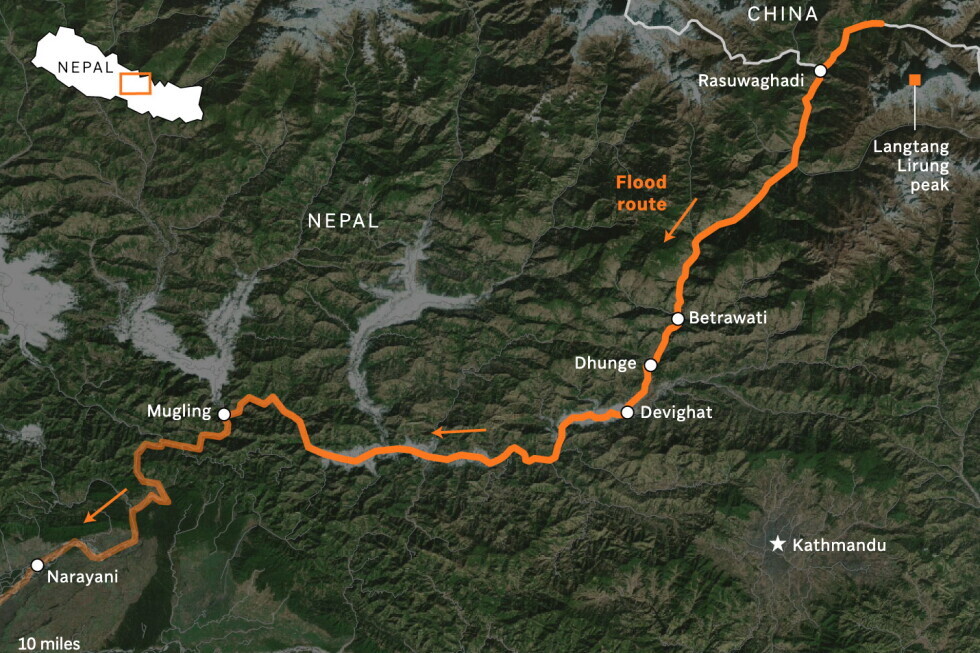
The Nepal flood 2026 event began on August 26 in the high mountain area near the Nepal–China border and affected the Bhote Koshi river system in Rasuwa. The flood then moved downstream through the connected Bhote Koshi and Trishuli river corridors. The sudden flow carried water, mud, rock, and debris through riverside settlements and infrastructure. Authorities and disaster agencies continue to assess the full scale of the damage.
Rasuwa became one of the main areas affected by the disaster. Settlements and transport links around Timure, Rasuwagadhi, and Syabrubesi experienced severe impacts. The road network connecting Betrawati, Syabrubesi, and Rasuwagadhi also suffered extensive damage. Reports from the Department of Roads indicated major damage to roads and bridges along the affected corridor, with restoration work starting soon after the event.
The impact also reached downstream areas of Nuwakot and Dhading. Sections of roads around the Trishuli corridor were damaged, while mud, debris, and landslides created further transport challenges. The disaster also affected infrastructure linked to hydropower projects in the region. The effects continued downstream toward areas connected with the Trishuli and Narayani river systems.
The damage to transport infrastructure is especially important for tourism. Reports have recorded the destruction or damage of numerous bridges and major sections of road. This affects not only local communities but also travelers heading toward northern trekking areas and border routes. The situation around the Rasuwa corridor remains dynamic, so travelers should use updated road information before planning journeys through this part of Nepal.
The Nepal flood 2026 also shows why travelers should check the exact route of a trip. A flood affecting one river corridor does not automatically mean every tourism destination in Nepal has the same conditions. The country has several major tourism regions that are geographically separate from the worst-hit corridor.
Is Nepal Open for Tourism After the Flood?
The answer is yes, Nepal remains open for tourism, although travel conditions vary between regions. The Nepal Tourism Board issued a September 1 update stating that much of Nepal continues to operate and welcome visitors. A dedicated tourism information desk has also been established to provide information and assistance following the disaster.
The best approach to Nepal tourism after flood conditions is to separate the heavily affected corridor from destinations that continue to operate. Kathmandu remains a major cultural center, Pokhara continues to attract visitors, and the Everest and Annapurna regions remain important trekking destinations with route-specific checks. Lumbini also remains an important cultural destination. Chitwan needs more careful planning because the district experienced downstream flood impacts and road access can vary.
Areas Requiring Special Caution
-
Rasuwa District
Rasuwa experienced some of the most severe damage during the flood. Roads, bridges, settlements, and infrastructure around the Bhote Koshi corridor were heavily affected. The routes toward Syabrubesi, Timure, and Rasuwagadhi require current local information before travel.
-
Bhote Koshi–Trishuli Corridor
Bhite Koshi river corridor was at the center of the disaster. Several road sections and bridges were damaged, while debris and unstable slopes created additional transport challenges. Travelers should use updated road information before entering this corridor.
-
Nuwakot and Dhading River Corridors
Parts of Nuwakot and Dhading experienced flooding and infrastructure damage as water moved downstream. Some roads and bridges in the area require ongoing repair and assessment. Travelers should confirm their exact route before using roads through affected sections.
-
Chitwan and Downstream Areas
Chitwan experienced downstream effects from the flood system, so conditions can vary within the district. Sauraha and tourism facilities can operate while particular road approaches may face changes. Travelers should check the latest road and local notices before departure.
The main message for Nepal travel update 2026 is simple: the country remains open, but route planning matters more than usual. Travelers can choose destinations outside the severely affected corridor and use current local information to build their itinerary.
Popular Nepal Destinations to Visit After the 2026 Flood
Nepal continues to welcome travelers across many of its popular tourism destinations after the 2026 flood. While some northern areas experienced serious damage, major destinations such as Kathmandu, Pokhara, the Everest region, Annapurna region, Chitwan, and Lumbini have different local conditions and access routes. These destinations offer a wide range of experiences, including cultural heritage, Himalayan views, trekking, wildlife, adventure, and spiritual tourism. Travelers should still check the latest weather, road, flight, and trail conditions before visiting, as conditions can change between regions. Choosing destinations based on current local updates allows visitors to enjoy Nepal travel after flood with better planning and greater confidence.
Kathmandu: A Cultural Destination to Visit
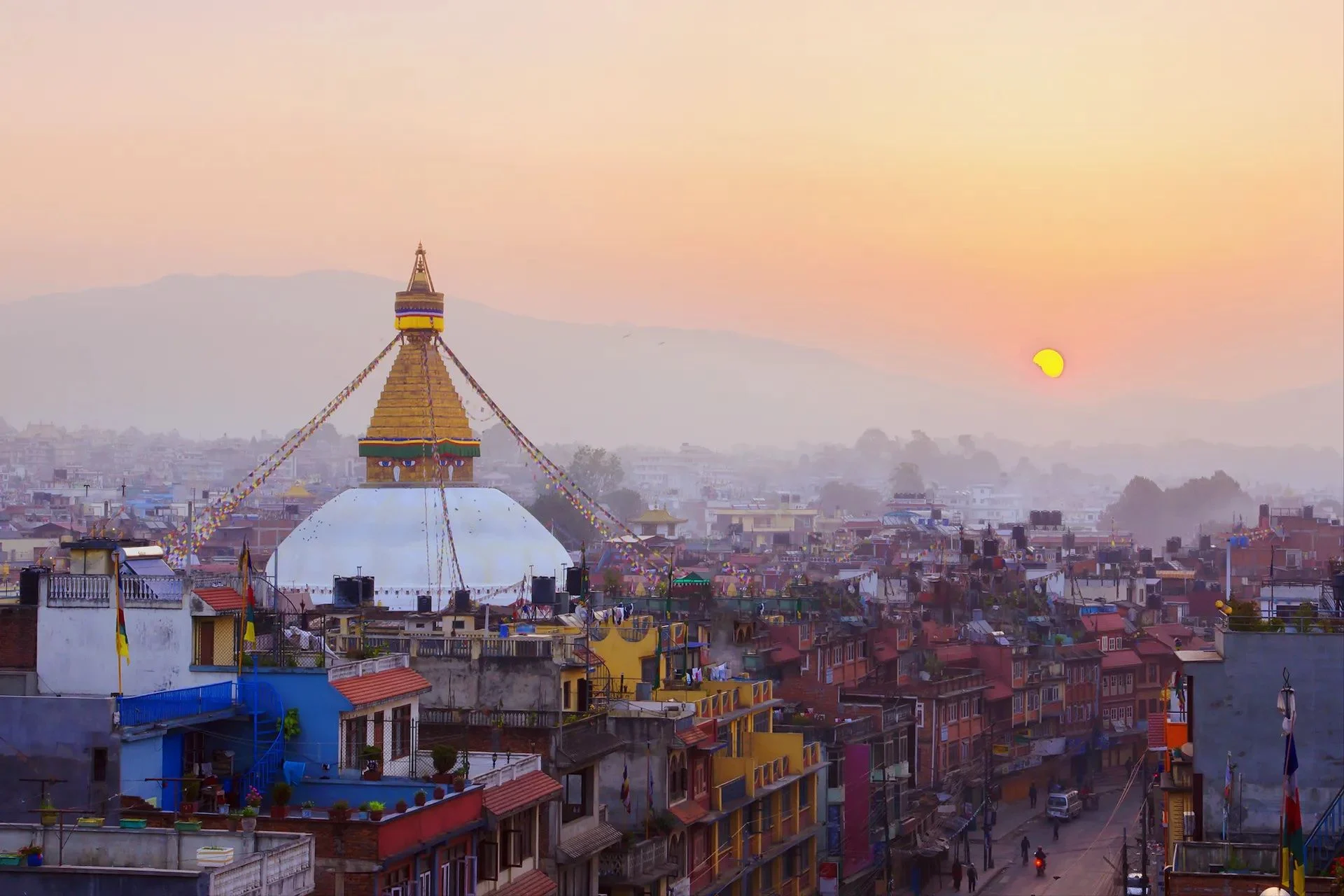
Kathmandu remains one of the best starting points for Nepal after the 2026 flood travel. The Kathmandu Valley sits away from the main Rasuwa–Bhote Koshi–Trishuli flood corridor and continues to serve as Nepal’s main cultural, business, and international gateway. Travelers can explore historic squares, ancient temples, Buddhist sites, traditional neighborhoods, museums, restaurants, and local markets while enjoying the rich culture of the capital. The city also provides a convenient base for planning onward travel to other parts of Nepal.
The Kathmandu Valley Tour offers a wide range of cultural and sightseeing experiences, from UNESCO heritage sites to peaceful hill viewpoints and traditional towns. Travelers can visit Kathmandu Durbar Square, Swayambhunath, Boudhanath, Pashupatinath, Patan Durbar Square, Bhaktapur Durbar Square, and other important heritage sites. Nagarkot and Chandragiri Hills also provide options for travelers seeking mountain views and a break from the city. These destinations allow visitors to experience Nepal’s history, religion, architecture, art, and local culture within and around the valley.
Kathmandu travel after flood can also provide a flexible starting point for a wider Nepal journey. Tribhuvan International Airport connects the capital with international and domestic destinations, while private vehicles, tourist buses, and flights provide different onward travel options. Travelers heading toward Pokhara, Chitwan, Lumbini, or trekking regions should check the latest road, weather, and transport conditions before departure. Local hotels, guides, and travel operators can provide useful route updates and help travelers adjust their plans when conditions change. This makes Kathmandu a practical choice for travelers focused on Nepal travel safety while exploring the country after the flood.
Popular Places to Visit in and Around Kathmandu
- Kathmandu Durbar Square – A historic center filled with temples, courtyards, traditional architecture, and Newari heritage.
- Swayambhunath Stupa – A famous hilltop Buddhist site offering cultural experiences and views across Kathmandu Valley.
- Boudhanath Stupa – One of Nepal’s most important Buddhist sites, surrounded by monasteries, shops, and restaurants.
- Pashupatinath Temple – A major Hindu pilgrimage site located beside the Bagmati River.
- Patan Durbar Square – A beautiful heritage area known for Newari architecture, temples, courtyards, and traditional arts.
- Bhaktapur Durbar Square – A historic city center with old palaces, temples, pottery traditions, and Newari culture.
- Nagarkot Experiences – A hill destination near Kathmandu known for sunrise views and Himalayan scenery on clear days.
- Chandragiri Hills – A popular hill destination offering valley views and mountain scenery.
These destinations provide excellent options for travelers looking for safe places to visit in Nepal after flood, especially when the itinerary stays around the Kathmandu Valley and uses current transport information.
Pokhara: A Popular Himalayan Getaway
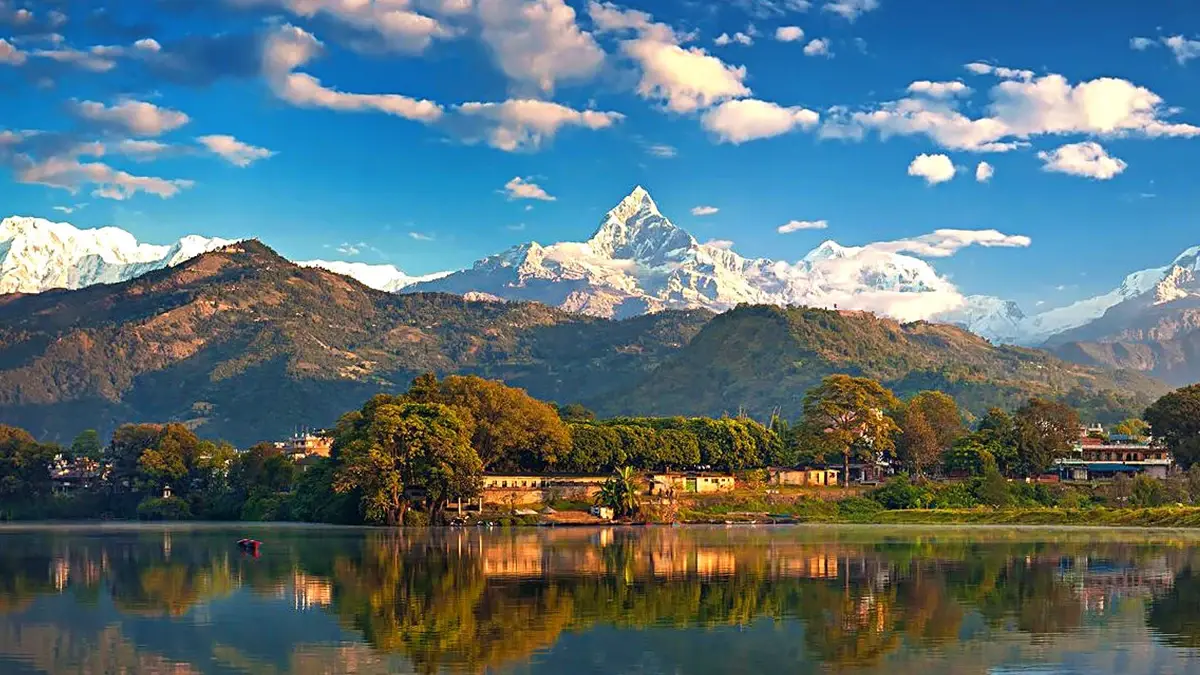
Pokhara remains one of the most popular destinations for Nepal travel after flood. The city is geographically outside the main Bhote Koshi–Trishuli flood corridor and continues to operate as a major tourism hub. Travelers can reach Pokhara by air from Kathmandu and enjoy its wide range of hotels, restaurants, and travel services. The city also provides easy access to nearby viewpoints, cultural sites, and adventure activities. This makes Pokhara a convenient choice for travelers planning a comfortable Nepal trip.
Pokhara Tour offers a mix of lakes, mountains, adventure activities, peaceful viewpoints, caves, waterfalls, temples, and nearby villages. Phewa Lake remains the heart of the city, while the surrounding hills provide beautiful views toward the Annapurna and Dhaulagiri ranges when weather conditions are clear. Visitors can also enjoy boating, short hikes, sightseeing, and mountain views during their stay. Popular places such as Sarangkot, World Peace Pagoda, Davis Falls, and Gupteshwor Cave add more experiences to a Pokhara itinerary. The city also works as a base for several trekking and mountain experiences in the Annapurna region.
Road access should receive extra attention during Nepal after the 2026 flood travel planning. The Kathmandu–Pokhara road corridor has experienced changing conditions during the recent period, so travelers should check the latest road status before choosing overland transport. Flying between Kathmandu and Pokhara can provide another option when road conditions create delays. Travelers can also plan extra travel time when choosing road transport during the monsoon season. Checking the latest weather, road, and transport updates can help travelers plan a smoother Pokhara after the flood journey.
Popular Places to Visit in and Around Pokhara
- Phewa Lake – Enjoy boating, lakeside walks, and peaceful views of the surrounding hills.
- Sarangkot Hike – A famous viewpoint for sunrise, mountain scenery, paragliding, and panoramic views.
- World Peace Pagoda – A hilltop Buddhist monument overlooking Phewa Lake and the Pokhara Valley.
- Davis Falls – A popular natural attraction where water flows through an underground gorge.
- Gupteshwor Mahadev Cave – A sacred cave located close to Davis Falls.
- International Mountain Museum – A useful stop for learning about Himalayan mountains and mountaineering.
- Begnas Lake – A quieter lake destination with boating, village scenery, and a relaxed atmosphere.
- Australian Camp Trek – A popular short hiking destination with mountain views and village landscapes.
- Dhampus – A scenic village offering views of the Annapurna range and traditional countryside.
- Mardi Himal Trek – A popular trekking area accessed from the Pokhara region, with route conditions checked before departure.
Pokhara is therefore one of the strongest choices for places to visit in Nepal after flood, especially for travelers seeking mountain views, short hikes, adventure, and relaxing holidays.
Everest Region: Trekking Beyond the Flood-Affected Areas
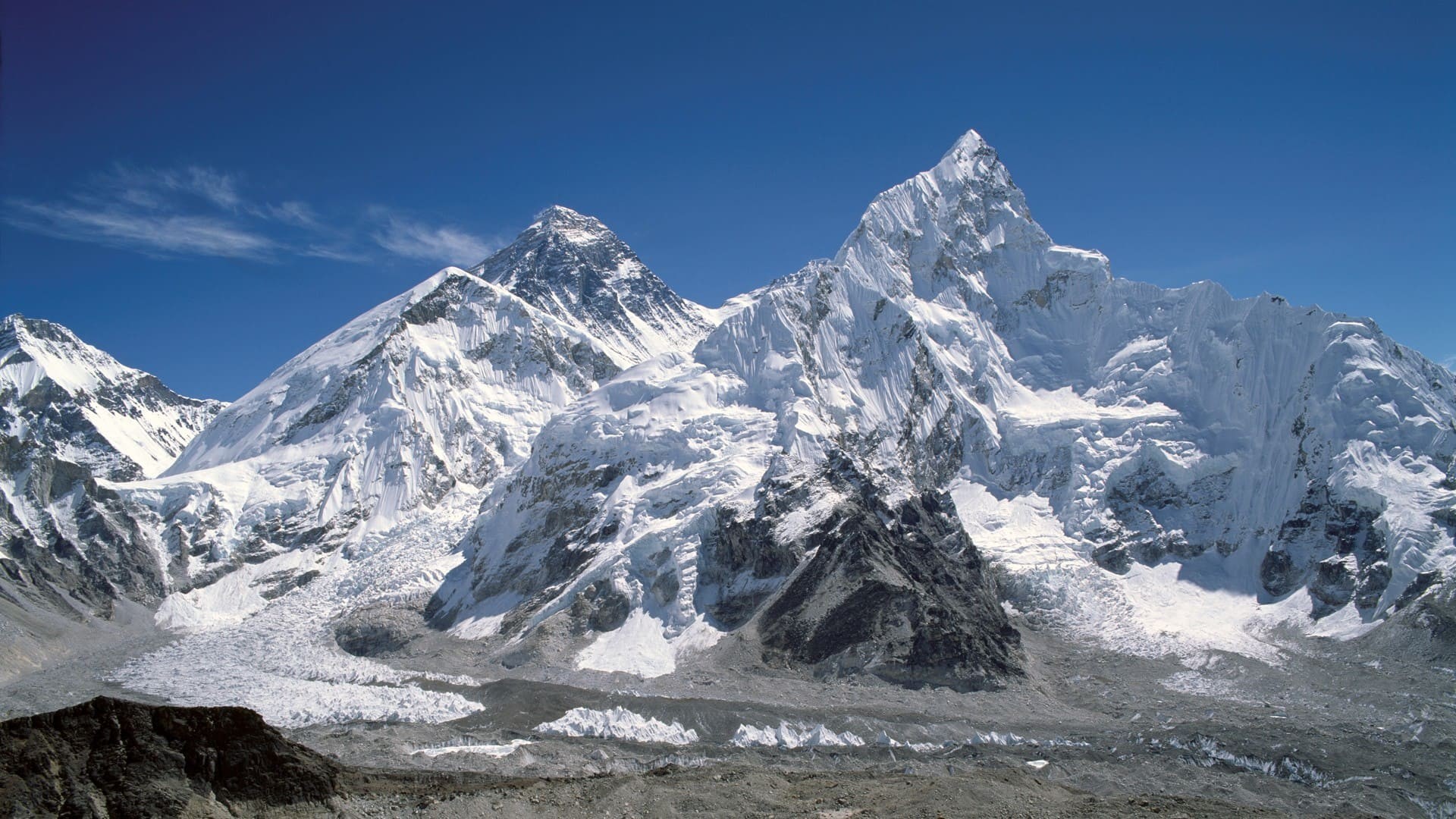
The Everest region is geographically separate from the main flood-affected Bhote Koshi–Trishuli corridor. This makes Everest trekking an important option to consider under Nepal trekking after flood planning. Current travel information places the Everest region outside the affected corridor while recommending checks for Lukla flights and individual trekking routes. Travelers can plan their journey through the Khumbu region while staying updated on local conditions. The region also offers some of Nepal’s most famous mountain views and Sherpa cultural experiences.
Everest trekking in Nepal usually begins with a flight toward Lukla followed by walking through Sherpa villages, mountain valleys, forests, suspension bridges, and high-altitude landscapes. Popular routes include Everest Base Camp Trek, Everest View Trek, and other trails around the Khumbu region. Along the way, trekkers can experience traditional Sherpa villages, Buddhist monasteries, and views of some of the world’s highest mountains. The region provides a range of trekking experiences for travelers with different time and fitness levels.
Monsoon conditions remain an important factor in Everest travel. Flight schedules to Lukla can change with weather, while trails can experience rain, mud, and local changes. Travelers should therefore confirm the flight schedule and trail condition shortly before departure. Checking local weather updates can also help with daily trekking plans and route choices. Keeping some flexibility in the itinerary allows travelers to manage possible changes during their Nepal travel after flood journey.
Popular Everest Experiences
- Everest Base Camp Trek – A classic Himalayan journey toward the base camp of Mount Everest.
- Everest View Trek – A shorter trek offering impressive views of Everest and surrounding peaks.
- Namche Bazaar – A major Sherpa trading center and popular acclimatization stop.
- Tengboche Monastery – A beautiful cultural and spiritual site surrounded by Himalayan peaks.
- Everest Mountain Flight – An air-based option for travelers seeking Himalayan views without a long trek.
- Lukla – The main air gateway for many Everest trekking journeys.
Travelers considering Everest trekking after flood should focus on current Lukla flight information, local weather, trail status, permits, accommodation, and advice from their trekking operator.
Annapurna Region: Trekking and Mountain Experiences
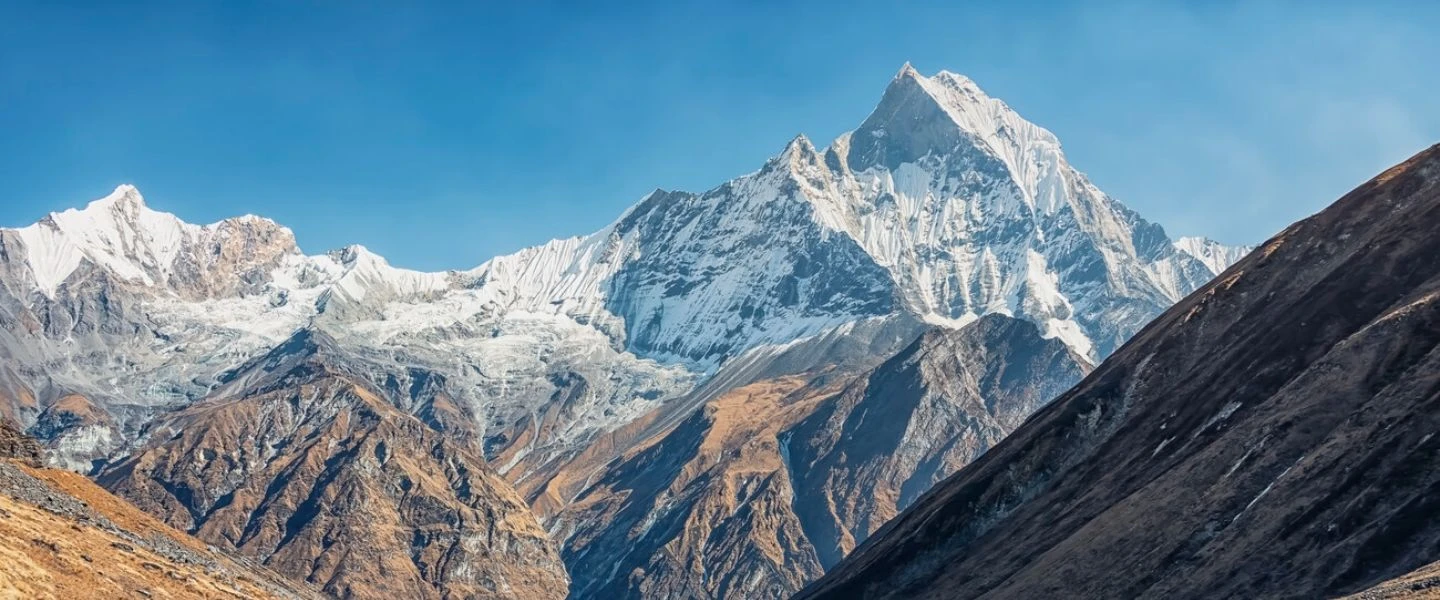
The Annapurna region is also outside the main Bhote Koshi–Trishuli flood corridor. Current travel information identifies Annapurna trekking routes as operating while advising travelers to check their specific route because monsoon conditions can change quickly. This makes the region an option to consider when planning Nepal trekking after flood. Travelers can enjoy the mountain scenery and trekking experiences while staying updated on local weather and trail conditions.
The region offers a wide range of trekking experiences, from short village walks to longer high-mountain journeys. Annapurna Base Camp, Annapurna Circuit, Ghorepani Poon Hill, and Mardi Himal are among the best-known routes. Each trail has different road access, altitude, weather patterns, and walking conditions. Travelers can choose a route based on their available time, fitness level, and preferred mountain experience. The region also combines beautiful landscapes with traditional villages and local culture.
Annapurna trekking after flood therefore needs route-specific planning. A traveler may find one trail suitable while another route experiences road or trail changes. Local guides and trekking agencies can provide practical updates on bridges, trails, teahouses, weather, and transportation. Checking these details before starting the trek helps travelers choose the most suitable route. Keeping some flexibility in the itinerary also makes it easier to adjust plans when weather or local conditions change.
Popular Annapurna Experiences
- Annapurna Base Camp Trek – A scenic journey through villages, forests, and mountain valleys toward the base camp.
- Ghorepani Poon Hill Trek – A shorter trek famous for sunrise and panoramic Himalayan views.
- Annapurna Circuit Trek – A longer Himalayan route crossing diverse landscapes and high mountain terrain.
- Mardi Himal Trek – A scenic trek with close mountain views and quieter trails.
- Ghandruk Village – A beautiful Gurung village known for mountain views and local culture.
- Manang – A high Himalayan settlement with dramatic landscapes and traditional mountain culture.
- Tilicho Lake trek – A high-altitude lake experience connected with the Annapurna region.
These routes remain valuable choices for travelers researching safe destinations in Nepal, while current weather and trail checks should remain part of every trekking plan.
Chitwan: Wildlife and Jungle Experiences

Chitwan offers a different side of Nepal after the 2026 flood, with forests, wildlife, rivers, villages, and jungle experiences replacing high mountain landscapes. Chitwan District experienced downstream effects from the flood, so travelers should pay close attention to road access and local conditions before planning their visit. The main tourism areas around Sauraha remain known for nature-based experiences and access to Chitwan National Park. Travelers can enjoy the region while checking current road and weather updates before departure.
The region offers a wide range of wildlife and nature experiences, from jungle safaris to peaceful walks and river activities. Jungle safaris provide opportunities to see one-horned rhinoceroses, deer, crocodiles, wild elephants, and many bird species in their natural surroundings. Visitors can also enjoy canoeing, birdwatching, guided nature walks, and Tharu village experiences. Each activity offers a different way to explore Chitwan’s forests, rivers, wildlife, and local culture while enjoying a slower experience away from Nepal’s busy cities and mountain trails.
Chitwan travel after flood therefore needs careful road and transport planning. Travelers coming from Kathmandu or Pokhara should check the latest road conditions before starting their journey, as monsoon weather can affect highways and local routes. Local guides, hotels, and travel agencies can provide useful updates about road access, park activities, weather, and transport options. Checking these details before departure helps travelers plan a smoother visit while keeping Nepal travel safety in mind.
Popular Chitwan Experiences
- Chitwan National Park Tour – Explore one of Nepal’s best-known protected areas and its rich wildlife.
- Jungle Safari – Search for rhinos, deer, crocodiles, birds, and other wildlife with trained local guides.
- Canoeing – Enjoy a peaceful river experience and opportunities to see crocodiles and birds.
- Nature Walk – Explore forest areas with a trained naturalist.
- Birdwatching – Chitwan provides excellent opportunities to see many native and migratory bird species.
- Tharu Village Experience – Learn about the culture, traditions, and daily life of the Tharu community.
Chitwan can remain part of a Nepal tourism after flood itinerary, with road access checked before the journey.
Lumbini: A Peaceful Cultural Journey
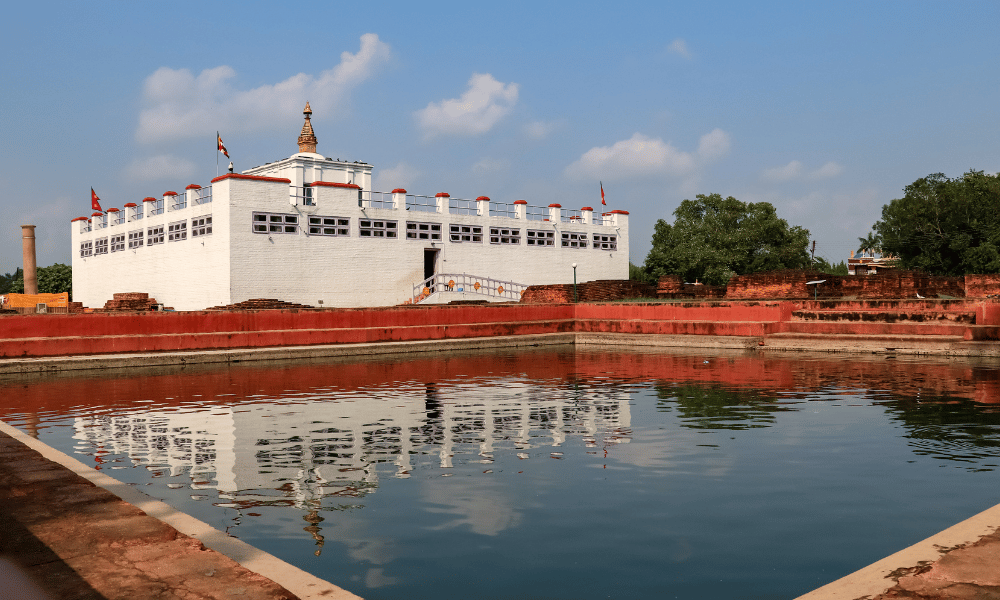
Lumbini provides another meaningful option for Nepal after the 2026 flood travel. Located in southern Nepal, Lumbini is internationally known as the birthplace of Lord Buddha and remains one of the country’s most important spiritual and cultural destinations. The area offers a peaceful setting for travelers interested in Buddhist heritage, history, meditation, and cultural exploration. Travelers can include
Lumbini in their itinerary while checking current road conditions and local travel updates before departure. The region offers a wide range of cultural and spiritual experiences, from visiting ancient monuments to exploring international monasteries and peaceful gardens. Travelers can visit Maya Devi Temple, Ashoka Pillar, Lumbini Sacred Garden, the World Peace Pagoda, and different monastery zones representing Buddhist traditions from around the world. The Lumbini Museum also provides an opportunity to learn more about Buddhist history, archaeology, and the development of the sacred site. These attractions make Lumbini a valuable destination for travelers seeking culture and history.
Lumbini travel after flood can provide a slower and more peaceful experience compared with the busy streets of Kathmandu or the adventure-focused destinations of Pokhara and the Himalayas. Travelers coming from Kathmandu, Pokhara, or other parts of Nepal should check the latest road and transport conditions before starting their journey. Local hotels, travel operators, and guides can provide useful updates about access and sightseeing conditions. Planning with current information helps travelers enjoy Lumbini comfortably while keeping Nepal travel safety in mind.
Popular Places to Visit in Lumbini
- Maya Devi Temple – The central sacred site associated with the birthplace of Buddha.
- Lumbini Sacred Garden – A peaceful area surrounding important Buddhist monuments.
- Ashoka Pillar – An ancient historical marker connected with Emperor Ashoka’s visit to Lumbini.
- World Peace Pagoda – A prominent Buddhist monument offering a peaceful atmosphere.
- International Monasteries – Explore monasteries representing different Buddhist traditions and countries.
- Lumbini Museum – Learn more about Buddhist history, archaeology, culture, and the development of Lumbini.
Lumbini can be included in a flexible Nepal travel after flood itinerary after checking the latest road and local travel conditions.
Areas Travelers Should Approach With Caution
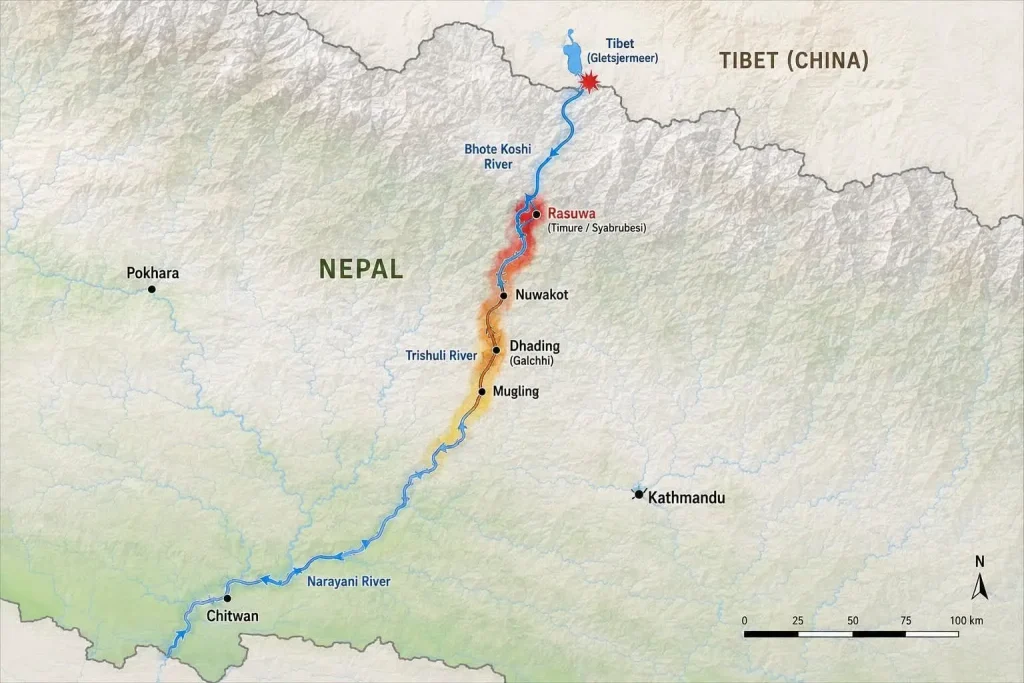
The Rasuwa–Bhote Koshi–Trishuli corridor is one of the areas that travelers should approach with extra care during Nepal after the 2026 flood travel. The August 2026 flood caused major damage along this northern route, affecting roads, bridges, settlements, and other key infrastructure. The floodwater and debris damaged sections of the road connecting Betrawati toward Syabrubesi and Rasuwagadhi, which are important transport links for communities and travelers in the region. Several bridges were also damaged or destroyed, creating major challenges for regular road movement. The affected corridor includes important areas such as Rasuwa, Timure, Syabrubesi, and parts of the Trishuli Valley, where recovery and repair work is taking place.
The situation is especially important for travelers planning journeys toward Langtang, Gosaikunda, Tamang Heritage Trail, or Rasuwagadhi. These destinations use routes connected with the affected northern corridor, so road and trail conditions can change during the recovery period. Heavy monsoon rain can also increase the chance of landslides, falling debris, and further road disruption in mountain areas. Travelers should check the latest local road updates, trail information, and guidance from tourism authorities before entering the region. Choosing an alternative route or adjusting travel dates can provide a smoother experience while recovery work continues.
Areas Requiring Extra Care
- Rasuwagadhi – The border area experienced severe flood impacts and major infrastructure damage.
- Timure – A heavily affected settlement along the Bhote Koshi corridor.
- Syabrubesi – A major gateway for Langtang travel located within the affected corridor.
- Betrawati – An important settlement and transport point affected by the downstream flood.
- Bhote Koshi Corridor – Several road and bridge sections experienced major damage.
- Trishuli Corridor – Floodwater and debris affected infrastructure along the river system.
- Parts of Nuwakot and Dhading – Downstream areas experienced flood and infrastructure impacts.
Travelers planning Langtang, Gosaikunda, Tamang Heritage Trail, Rasuwagadhi, or northern Rasuwa routes should obtain fresh route confirmation before departure. The situation remains part of an active recovery effort, and official agencies continue to assess and restore infrastructure.
What Travelers Should Check Before Visiting Nepal
Good preparation is especially important when planning Nepal after the 2026 flood. Travel conditions can change with rainfall, road repairs, landslides, flight schedules, and local notices. A road or trail that is open today may face a short-term change after heavy rain. This is especially important during the monsoon season, when mountain roads and trekking trails can experience sudden changes. Travelers should check the latest information shortly before departure and keep some flexibility in their itinerary. Checking each part of the journey separately also helps travelers choose suitable routes, transport, hotels, and activities based on current conditions.
-
Weather
Weather is one of the most important things to check before traveling during the monsoon season. Heavy rainfall can affect mountain roads, trekking trails, river areas, and flight schedules. Rain can also increase the chance of landslides in some hilly and mountain regions. Travelers should check the latest weather forecast for Kathmandu, Pokhara, Chitwan, trekking areas, and other destinations included in their itinerary. A daily weather check can help travelers choose better travel times and prepare suitable clothing and travel plans.
-
Road Condition
Road conditions can vary greatly between different parts of Nepal, especially during the rainy season. Some highways and mountain roads may experience delays because of rain, road repairs, landslides, or damaged bridges. Travelers should confirm the exact road condition before traveling between Kathmandu, Pokhara, Chitwan, trekking trailheads, and northern districts. This is especially useful when planning travel through areas affected by the 2026 flood. Local drivers and travel operators can also provide useful updates about the most practical routes.
-
Trekking Permits
Trekking permits and registration requirements should be checked before starting any Himalayan trek. Different trekking regions can have different permit rules, entry requirements, and conservation fees. Travelers should also confirm whether their selected route has any temporary local requirements following recent weather or infrastructure changes. A registered trekking agency or experienced local guide can help arrange the required permits and provide updated information about the route. Keeping all permits and travel documents ready can make the trekking process easier.
-
Flights
Flight schedules are an important part of Nepal trekking after flood planning, especially for destinations reached by mountain flights. Flights to Lukla and other mountain airports can change because of weather, visibility, airport conditions, or operational factors. Travelers should confirm their flight status before leaving for the airport and keep some extra time in their itinerary. Early morning flights can also be useful in mountain areas when weather conditions are often more suitable. Flexible flight arrangements can make the overall journey more comfortable.
-
Trail Status
Checking the latest trail status is essential before starting any trek. Heavy rain can affect walking paths, suspension bridges, stone steps, and sections of mountain trails. Some routes can also experience small landslides or changes caused by natural conditions. Local guides can provide current information about trails, bridges, teahouses, water crossings, and possible alternative paths. Travelers should use this local information when planning routes in the Everest, Annapurna, Langtang, and other trekking regions.
-
Local Notices
Local notices provide some of the most useful information during changing travel conditions. Municipal offices, tourism authorities, trekking agencies, local communities, and transport providers can share updates about roads, trails, weather, and temporary changes. These updates can be more specific to a destination than general national travel information. Travelers should check local notices shortly before traveling and stay connected with their hotel, guide, or travel company during the trip. This helps travelers respond quickly when a local route or service changes.
-
Hotel Access
Hotel access is another useful point to consider when planning Nepal travel after flood. A hotel may remain open while the road or transport route leading to it faces temporary changes. Travelers should confirm the best way to reach their accommodation before starting the journey. This is particularly important for smaller towns, mountain villages, trekking areas, and destinations reached by local roads. Confirming hotel access in advance can also help travelers arrange private vehicles, transfers, or alternative transport when needed.
-
Travel Advisories
Travel advisories can provide important information about current conditions, affected areas, transport routes, and recommended precautions. Travelers should review updates from the Nepal Tourism Board, relevant government agencies, their embassy, airlines, trekking operators, and trusted local travel companies. These sources can help visitors understand the latest Nepal tourism update before and during their trip. The Nepal Tourism Board has also established information support related to the recent flood, giving travelers another useful source for current tourism information. Staying informed throughout the journey helps travelers make better decisions as conditions change.
Planning Your Nepal Trip With Graceful Adventure
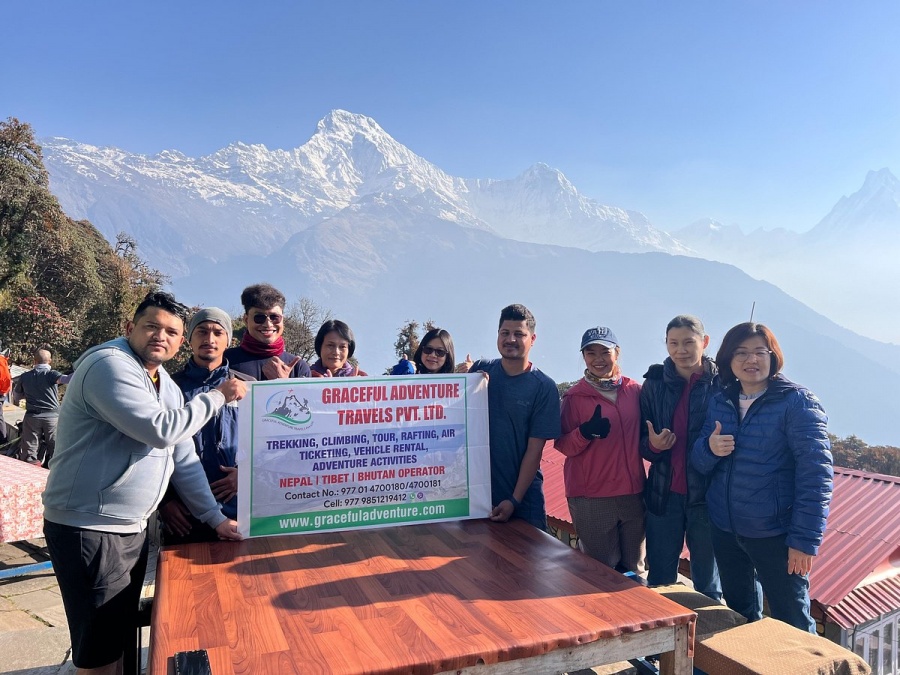
Graceful Adventure Travel helps travelers plan a comfortable Nepal journey with attention to current routes, transportation, accommodation, sightseeing, and trekking arrangements. During Nepal after the 2026 flood, having a local team can make trip planning easier because conditions may vary between different regions. Our team can help travelers understand available routes, choose suitable transportation, arrange experienced guides, and select accommodation based on the planned itinerary. Local support also helps travelers make practical changes when weather, road conditions, or flight schedules affect a particular part of the journey.
A well-planned trip should include current route information and suitable backup options. Graceful Adventure Travel can help travelers review road access, trekking trails, mountain flights, private vehicles, and other transport choices before each major part of the journey. This approach gives travelers more flexibility and helps them avoid unnecessary travel delays. Local route knowledge is especially useful when visiting mountain areas, where weather and road conditions can change faster than in cities. Travelers can enjoy a smoother journey when each route is checked according to its current condition.
Flexible planning gives travelers more freedom throughout their Nepal journey. Graceful Adventure Travel can help create alternative options when a route or activity needs to change. This allows travelers to enjoy Nepal’s culture, mountains, wildlife, and natural beauty while keeping Nepal travel safety as an important part of the trip.
-
Choose Routes With Current Local Updates
Checking current road and trail conditions helps travelers choose suitable routes for each part of their journey. Local updates can provide useful information about road access, trekking trails, transportation, and weather-related changes. Having an alternative route ready can also help travelers continue their trip smoothly when conditions change.
-
Use Experienced Guides and Local Support
Experienced local guides and drivers provide valuable knowledge about Nepal’s roads, trekking trails, villages, weather, and travel conditions. They can help travelers choose suitable routes and make practical changes during the journey. Local support also makes it easier to manage transportation, accommodation, and communication when plans need adjustment.
-
Keep the Itinerary Flexible
A flexible itinerary gives travelers extra time to manage unexpected changes during their trip. Keeping alternative destinations, transport options, and additional travel time can make the journey more comfortable. This is especially useful during Nepal after the 2026 flood, when recovery work, rainfall, and road conditions may affect specific routes.
-
Check Accommodation Before Travel
Confirming your hotel or lodge before starting the journey can make travel more organized. Travelers should check its location, road access, check-in details, and nearby transport options. This is especially useful when visiting smaller towns and trekking areas where access can change with weather conditions.
-
Plan Reliable Transportation
Choosing suitable transportation is an important part of Nepal travel safety. Private vehicles, tourist buses, domestic flights, and local transfers can be arranged according to the destination and current route conditions. A reliable transport plan helps travelers save time and adjust their journey when road or weather conditions change.
-
Stay Connected With Local Updates
Regular updates help travelers make better decisions throughout their Nepal journey. Travelers can stay in contact with their guide, travel company, hotel, or local tourism office for information about roads, trails, weather, and transport services. Staying informed is particularly valuable during Nepal after the 2026 flood when conditions in some regions may continue to change.
Conclusion
Nepal after the 2026 flood presents a mixed travel picture rather than one single national situation. The Rasuwa–Bhote Koshi–Trishuli corridor experienced severe damage, while many major tourism destinations continue to operate. Kathmandu offers cultural and heritage experiences, Pokhara provides lakes and Himalayan views, the Everest and Annapurna regions continue to attract trekkers with route-specific checks, and Lumbini offers a peaceful spiritual journey. Chitwan remains an option with careful attention to road access.
The best approach to Nepal travel after flood conditions is informed and flexible planning. Check weather, roads, flights, trekking trails, permits, hotels, and local notices before each part of your journey. Travelers can enjoy the country’s culture, mountains, wildlife, and natural beauty while supporting local tourism and communities during the recovery period. The latest official message from the Nepal Tourism Board is clear: Nepal remains open, while travelers should stay informed and plan according to current local conditions.
Plan Your Nepal Trip With Graceful Adventure Travels
Graceful Adventure Travels helps you plan a safe and comfortable Nepal journey with updated route information, reliable transportation, experienced guides, suitable accommodation, and flexible travel plans.
| Particular | Details |
| Booking office | Graceful Adventure Travels |
| Phone Number | +977-9851219412, 014700180/81 |
| Office Location | Sorhakhutte, Kathmandu Nepal |
| [email protected]/ [email protected] |