Registration No.:
137081/072/073


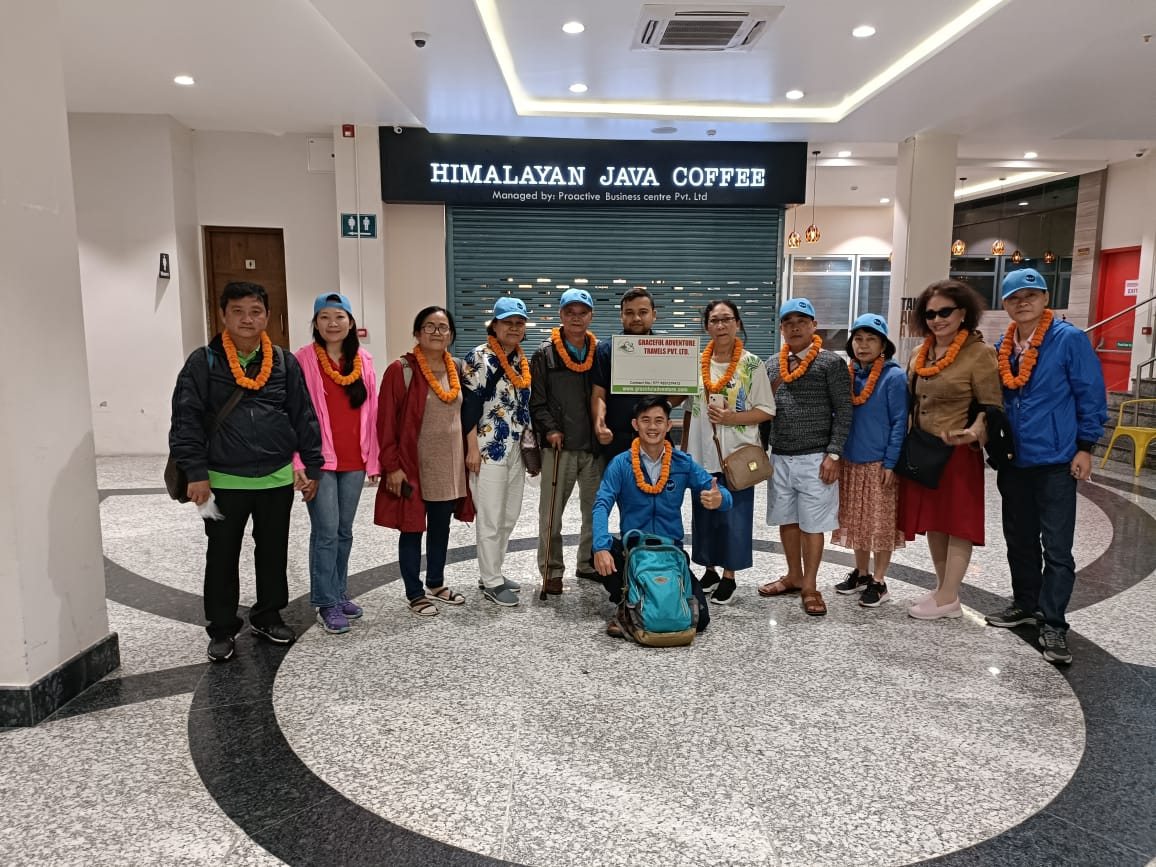
Educational Tour in Nepal
Overview of Educational Tour
An Education Tour in Nepal is one of the most fulfilling experiences for students to learn beyond the class. Supported by the majesty of Himalayas, Nepal abounds with unlimited opportunities to learn geography, culture, history, and biodiversity in real terms. From highest standing mountains of the world to ancient temples and colourful cities, every nook and corner of Nepal has a lot to learn. Not only students learn about the Himalayas through textbooks but students themselves witness the glaciers, rivers, valleys, and various terrains with their naked eyes, which makes them understand earth sciences and environment studies better. Meanwhile, visiting UNESCO World Heritage Sites, villages, and indigenous markets is enriching in the areas of anthropology, architecture, religion, and intercultural dialogue.
What makes a school trip to Nepal special is the variety of experiences that can be included. Students can experience the contrast of the ultra modern urban lifestyle of Kathmandu or Pokhara versus the simple rural lifestyle and trekking villages. Both 5-star hotels and humble tea houses are their lodges, thus maintaining an overall record of hospitality and living standards in various regions of the country. The journey also lets them relish authentic Nepali cuisine like dal bhat, momo, and thukpa, not only delicious to consume but also a component of learning culture and everyday life of the nation. Owing to its safe environment, hospitable people, and vast number of study subjects, Nepal is the ideal destination for student tours, academic tours, and cultural study missions.
Main destinations of a Nepal study tour program are Kathmandu, Pokhara, Chitwan, Lumbini, and Bandipur which offer something unique to study and explore. Kathmandu Valley enables them to view centuries-old temples, stupas, and palaces that bear witness to the diversity of Nepal’s Hindu and Buddhist culture, arts, and architecture. Pokhara enables them to learn Himalayan geography and enjoy lake, cave, and mountain views. Chitwan enables first-hand experience of wildlife conservation and eco-tourism through safari and jungle excursions. Lumbini, Birthplace of Lord Buddha, is a genuine center for peace studies, archaeology, and religion. Bandipur provides another dimension of learning in the form of sustained culture, rural lifestyle, and community-based tourism activities. Together, these sites expose students to ample exposure to the history, culture, spirituality, geography, and environment of Nepal.
Trekking is also included as part of an educational tour to Nepal, giving adventure and educational value. For novices, the Ghorepani Poon Hill trek is a short and simple choice, ideal for experiencing the mountains’ way of life, local culture, and Himalayan sunrises. Treks to Annapurna Base Camp, Langtang Valley, and Mardi Himal are moderate that allow university-level groups to research glaciers, mountain life, and ethnic communities in serene settings. More experienced groups can attempt the Everest Base Camp trek, an arduous yet rewarding experience that introduces them to Sherpa life, the high-altitude climate, and the effects of climate change on the world’s fastest-growing mountains. Treks are outdoor classrooms where geography, ecology, and culture are the primary attractions.
Accommodations and dining for the program are coordinated to offer comfort as well as cultural immersion. The students in major cities such as Kathmandu, Pokhara, and Chitwan can be accommodated in 5-star hotels with amenities, while the treks offer safe and friendly modest tea houses and lodges with plenty of genuine mountain flavor. Healthy and varied cuisine is available, including standard Nepali fare including dal bhat (vegetables and lentil soup served over rice) and momo (dumplings) and thukpa (Tibetan noodle soup). It is not merely eating that comes into testing the local foods, but also a taste of Nepal’s identity at the cultural level.
Added on top of all this, adventure activities for which Nepal is famous can be enjoyed by the students. Paragliding over Pokhara, bungee jumping, rafting in Himalayan rivers, ziplining from over the valleys, and short treks bring fun and excitement to the study tour. Teamwork, self-confidence, and intercultural awareness are developed through such activities ensuring that the students return home with a lifetime of experience.
Graceful Adventure Travel is a reliable and government-registered adventure travel agency in Nepal that deals with arranging painstakingly organized study tours for universities, schools, and colleges. All the prime destinations, Kathmandu, Pokhara, Chitwan, Lumbini, and Bandipur, are complemented by trekking experiences at Ghorepani, Everest Base Camp, Annapurna Base Camp, Mardi Himal, and Langtang. Reasonable accommodation, secure transport, authentic food by genuine Nepalis, professionally conducted tours, and adventure sports to choose from render every Education Tour to Nepal an educational journey of discovery and culture, and adventure.

Need Help? Ask Question
+9779856019412
Educational Tour in Nepal Trips

Nepal Educational Tour – 10 days
10 Days
Trip Duration
10 Days
Trip Duration
Kathmandu Pokhara including Poon Hill Trek
11 Days
Trip Duration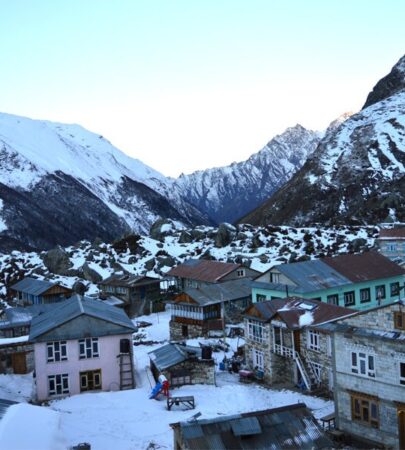
11 Days
Trip Duration
Nepal Bhutan Educational Tour – 11 Days
11 Days
Trip Duration
13 Days
Trip DurationWhat to do in Nepal Educational Tour
1. Cultural Exploration in Kathmandu, Bandipur and Lumbini
Cultural exploration is perhaps the most rewarding part of an Educational Tour in Nepal. Nepal is a living museum of ancient traditions, spiritual practices, and ethnic diversity and hence the perfect destination for students to learn about culture, history, and religion in person. During the tour, students not only visit historic sites of heritage but interact with the local community, observe their everyday lives, and learn about unique traditions passed down over centuries. Through the process, they are provided with an opportunity to connect classroom activities to actual cultural exposure.
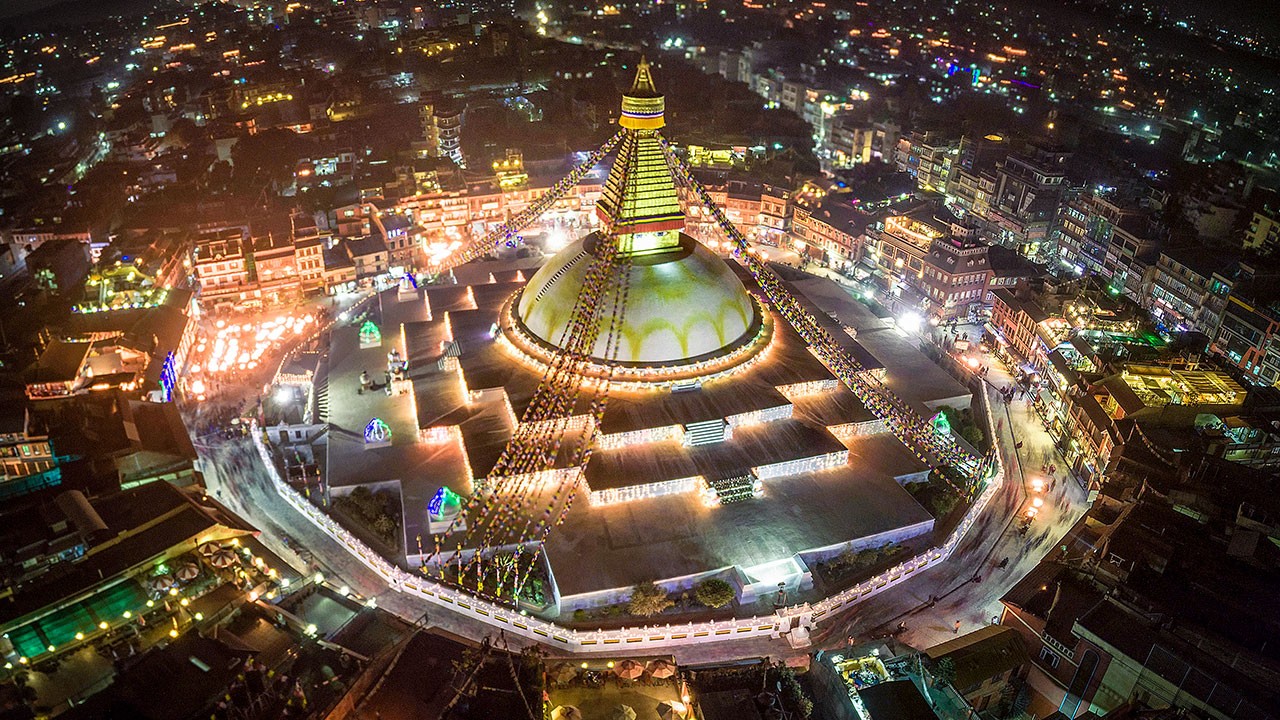
At Kathmandu Valley, students can explore UNESCO World Heritage Sites like Pashupatinath Temple, a most revered Hindu temple; Boudhanath Stupa and Swayambhunath Stupa (Monkey Temple), which expose Nepal’s Buddhist heritage; and Kathmandu Durbar Square, where historic palaces, temples, and local arts expose the Malla dynasty’s splendor. All these tours provide deep insight into Nepalese architecture, sculpture, and syncretism in religion between Hinduism and Buddhism.
In Bhaktapur, the pilgrims’ city, students travel on foot across medieval squares like Bhaktapur Durbar Square, full of elaborately carved temples, golden doors, and pottery squares. There, they observe the art of pottery craftsmanship, woodcraft, and ancient Newari tradition, alive and acted upon each day. This hands-on cultural learning makes Bhaktapur an open classroom for students.
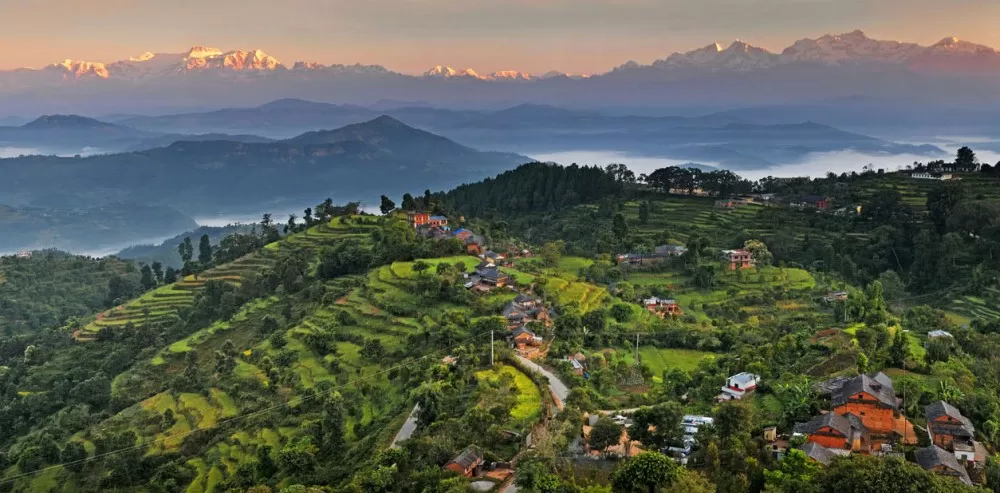
Bandipur offers another facet of cultural exploration, whereby students have the opportunity to visit a well-preserved Newari village with stone roads, houses of a traditional type, and Himalayan scenery. It is the perfect place to explore how rural community living, architecture, and lifestyle still exist as they did in the old traditional Nepal.
Lumbini, the site of Lord Buddha’s birth, is a sacred place of cultural and religious education. Students are able to visit Maya Devi Temple, monastic precincts with monasteries built by different countries, and understand Buddhism’s message of compassion and peace. By being exposed to this, not only do students understand Nepal’s cultural identity but also international religious significance.
By this Nepal student tour program, students develop an understanding of cultural diversity, heritage preservation, and local traditions. The combination of cultural heritage sites, living heritage sites, and pilgrimage sites provides a good platform for experiential learning, and hence cultural exploration is one of the best experiences of a Nepal educational tour.
2. Pokhara Adventure Activities
An Educational Tour to Nepal is not just learning history and culture but also promoting adventure, cooperation, and self-growth in students. Adventure activities are a fun way of enriching intellectual experiences with confidence, toughness, and cooperation. Students going on an educational tour can experience a variety of invigorating experiences such as trekking, bungee jumping, ziplining, ultralight flight, paragliding, hiking, etc., thus making learning active and memorable.
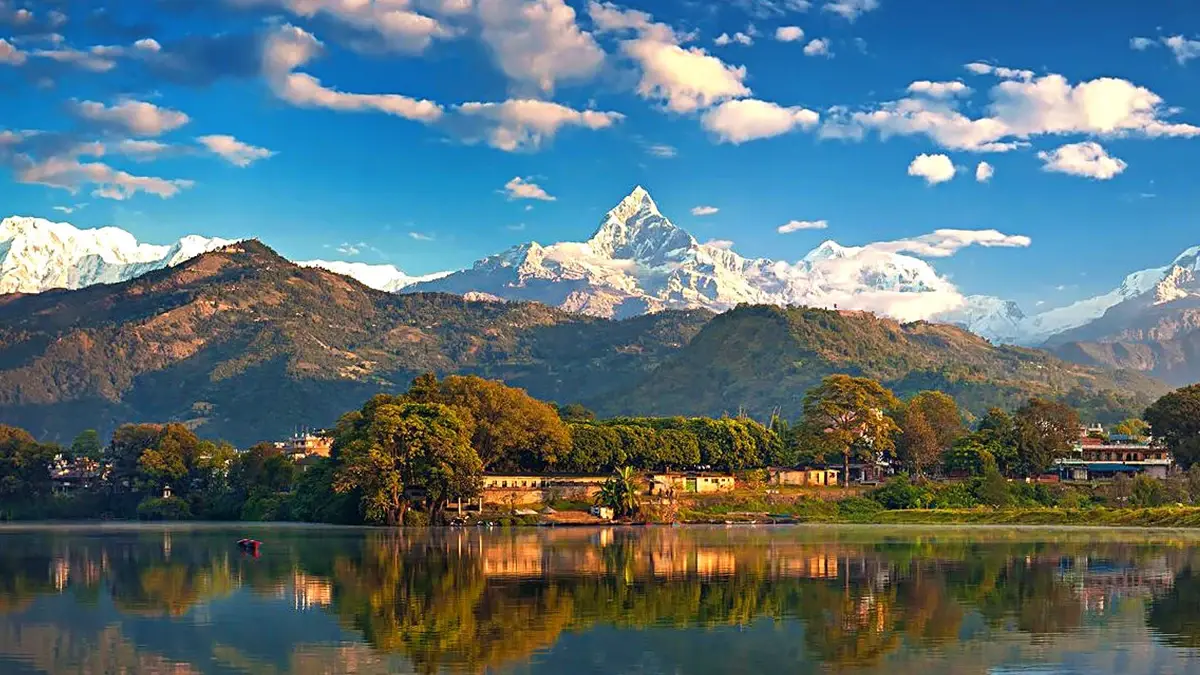
One of the most popular destinations for adventure sport is Pokhara, which is also simply known as a paradise for nature and adventure lovers. Situated at the base of the Annapurna range of mountains and scattered with lakes, caves, and waterfalls, Pokhara is a paradise offering natural beauty and adventure. Students can enjoy the world’s most beautiful sunrise at Sarangkot, seeing the peaks of Annapurna, Dhaulagiri, and Machapuchare mirrored on Phewa Lake. Paragliding over the valley and lake gives students a taste of flight with the Himalayas as the background, while ultralight flights and ziplining offer experiences they will never forget.
Other adventure sports such as Himalayan river rafting, suspension bridge jumping, and canyoning provide students with safe, supervised exposure to challenge their physical skills and learn natural geography, riverine ecosystems, and safety protocols. These activities render the educational tour as emotionally and physically stimulating as intellectually rewarding.
With the inclusion of adventure activities along with cultural and natural exploration, students have a well-balanced tour on an Educational Tour in Nepal. The mix of learning, adrenaline, and nature makes every day of the tour educational as well as memorable, with students garnering lifetime memories and practical knowledge about the mountains, rivers, and culture of Nepal.
3. Chitwan Wildlife Safari
One of the greatest experiences on an Educational Tour in Nepal is a Chitwan National Park Wildlife Safari, which is also an excellent vehicle for students to learn through real experience about biodiversity, ecology, and conservation. Chitwan National Park, the initial national park of Nepal and a UNESCO World Heritage Area, has diverse wildlife species such as the one-horned rhinoceros, the Bengal tiger, elephant, crocodile, and birds of various species. The students have the opportunity to view these animals in their natural setting, gaining first-hand experience of forest existence and wildlife conservation needs.
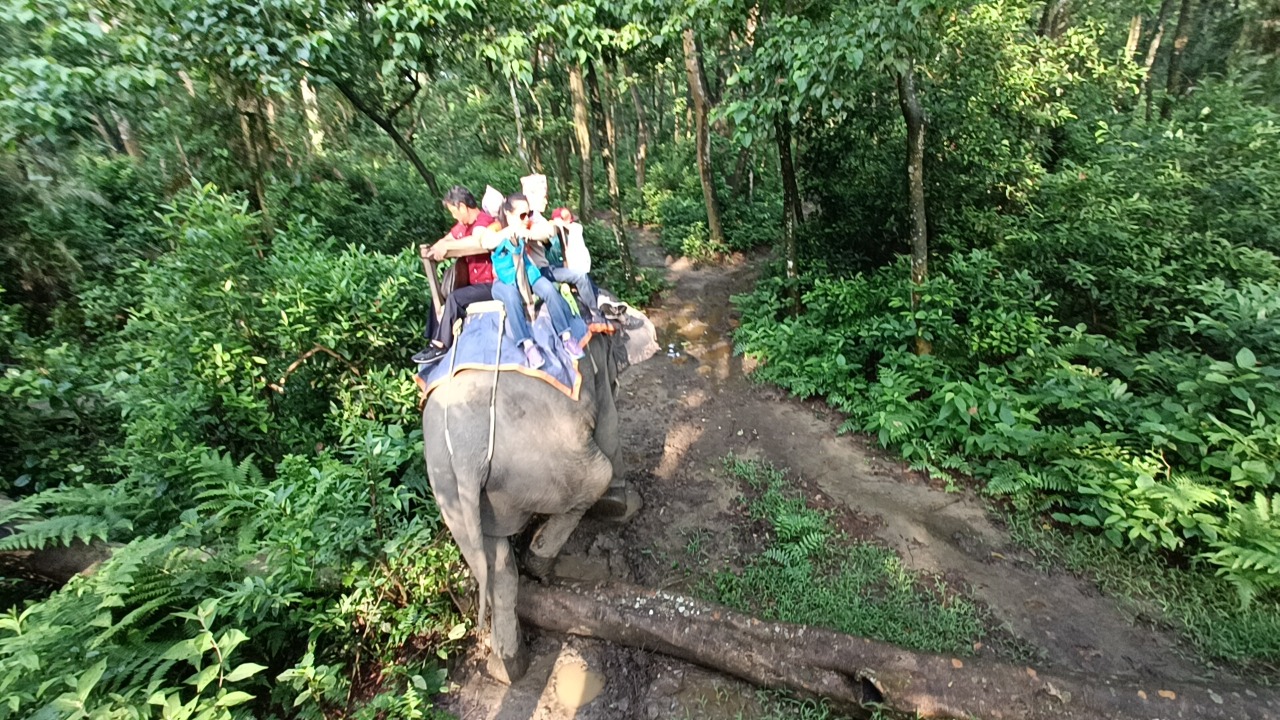
The students participate in a series of activities ranging from jeep safaris, elephant rides, canoeing, nature walks, and bird watching. These are organized by trained naturalists who deliver lectures on the vegetation, fauna, and conservation practices. Students also gain exposure to the lifestyle of the Tharu people, the indigenous people of the Terai, and witness their traditional housing, handicrafts, and cultural performances. This combination of nature viewing with exposure to culture makes the Chitwan safari highly informative and participatory in nature.
The accommodation during the Chitwan segment of the tour is cozy and student-oriented, ranging from secure eco-lodges and jungle lodges to a bit more budget-friendly guesthouses close to the park. Breakfasts consist of healthy, clean, and locally-influenced foods, with dal bhat, vegetable curries, and fresh fruits of the season being a common feature, giving students a taste of authentic Nepali cuisine while being well-nourished for their day-long explorations. Even cooking classes are provided in certain resorts, introducing students to some familiarity with local foods.
A Chitwan Wildlife Safari not only educates Nepalese students of the country’s high biodiversity, but also comes home with the importance of nature preservation and ecotourism. Observing wildlife in native habitat, forest trekking, and following along rivers, and interactions with communities, provide an experiential learning experience teaching adventure and cultural aspects to a Nepal study tour.
4. Trekking and Hiking in Mountain
Trekking and hiking in the Nepalese Himalayas are prime interests of an Educational Tour of Nepal, which provides adventure, knowledge, and cultural exposure. The Himalayas offer a unique experience of learning geology, ecology, climate, and local culture in scenic scenery. Trekking provides experiential learning beyond the classroom, where the students are able to observe mountain construction, glaciers, river systems, and diverse flora and fauna in real-life contexts.
Nepal offers trekking routes for every type of student. Simple treks such as Ghorepani Poon Hill offer new students the chance to witness the landscape of the Himalayas, visit average villages, and experience panoramic sunrise vistas of Annapurna and Dhaulagiri mountains. Moderate trekking sites like Annapurna Base Camp, Langtang Valley, and Mardi Himal provide senior students with opportunities to study mountain environments, glacial landforms, and high-altitude vegetation and wildlife while staying among native ethnic populations like Gurung, Tamang, and Sherpa.
For older students or university classes, the Everest Base Camp trek can be a challenging yet highly rewarding educational experience. Sherpa culture, Himalayan geology, altitude physiology, and climate change effects on the world’s highest mountain range are all explored here. In the trekking routes, outside of these, students also have the opportunity to witness traditional agricultural practices, animal husbandry, and sustainable tourism operations in high-altitude villages, thereby maximizing academic and also cultural learning.
The accommodation during trekking and hiking varies from fine tea houses and guesthouses to basic lodges in far-flung villages. The accommodation is healthy, hygienic, and offers Nepali cuisine such as dal bhat, vegetable curries, and momo, thus introducing the students to the actual Nepali cuisine taste. Boarding at these lodges provides an opportunity for the students to witness the local culture and mountain way of life as well as learn about the challenges of high-altitude existence.
Trekking and hiking during a study tour in Nepal not only develops physical strength and resilience but also teamwork, problem-solving, and environmental sensitivity. Through experience, one is guided through lessons in the ecology, culture, and geography of the mountains, so every step along the way is an educational experience and a lifetime memory.
Grand Pointed Tour Destination and Trekking Spot in Nepal
Nepal is an ideal destination for educational tours as it brings together culture heritage, nature, adventure, and education under one roof. Students can visit ancient cities, study mountain ecology, visit societies, and experience adventure sports along with studying geography, biodiversity, history, and culture. Diversity of country—ranging from the Terai plains to the Himalayas—makes Nepal a good classroom for the students to tour Nepal.
Graceful Adventure Travel chose Kathmandu, Pokhara, Chitwan, Lumbini, and Bandipur as educational tour spots after careful consideration. They are equipped with good facilities, comfortable and secure accommodations, quality food, and high-quality educational and cultural experience. In addition to trekking paths like Ghorepani Poon Hill, Annapurna Base Camp, Langtang, Everest Base Camp, and Mardi Himal, the destinations offer students a complete array of learning, adventure, and cultural discovery.
1. Kathmandu – Cultural and Historical Center
Kathmandu, the country’s capital city, is generally the start of an Educational Tour in Nepal. The city is a mix of the old and new ways of life and provides students with a more significant learning experience. Students visit UNESCO World Heritage Sites like Kathmandu Durbar Square, whose centuries-old palaces, temples, and courtyards depict Nepalese architecture, expertise, and urban planning. They also go to Swayambhunath (Monkey Temple), a temple on a hilltop, to learn about Buddhist symbols and rituals and Boudhanath Stupa, a testament to Tibetan Buddhist influence.
Besides sightseeing, students are able to study street life and local markets at Thamel, Asan, and Indra Chowk, discovering trade, local arts, and daily routines. Guided walking tours would usually introduce students to visit traditional craftsmen, pottery-making, and woodcarving establishments, and transfer students with first-hand knowledge of Nepalese cultural arts. Kathmandu is not only a teacher of history and religion but also of social studies, urban living, and the need to conserve cultural heritage.
Kathmandu provides lodging ranging from luxury hotels to budget guesthouses, providing comfort and security for groups of students. Food ranges from traditional Nepali fare like dal bhat, momo, and sel roti to international food, familiarizing students with actual Nepali cuisine. The city is well networked to serve day excursions to close heritage cities of Patan and Bhaktapur to provide further depth to cultural immersion.
Kathmandu’s value for a Nepalese student study tour is that it offers an environment in which religious studies, architecture, urban history, and cultural immersion can all be included. The Nepalese civilization as a whole is what the students come to study, and therefore it is a necessity for student tour groups.
2. Pokhara – Classroom of Adventure and Nature
Pokhara is Nepal’s most attractive city and the center of adventure and nature learning. Students are able to view Phewa Lake, go on boat excursions, visit Davis Falls, Gupteshwor Cave, and enjoy views of the Annapurna range. The cherry on top is the sunrise view at Sarangkot, providing unparalleled opportunities to learn and witness mountain creation, geography, and ecosystem. The city has the International Mountain Museum, where students study Himalayan geology, mountaineering history, and culture of mountain people.
Adventure sports such as paragliding, zipline, bungee jumping, rafting, and ultralight flight transform Pokhara into the perfect place for the combination of physical training and education. Such sports develop confidence, risk management, team building, and ecological awareness. Pokhara also exposes students to native culture by exploring temples, traditional bazaars, and Gurung villages.
Pokhara ranges from lakeside hotels that are comfortable to mid-range guesthouses. Pokhara accommodation offers meals for the students including Nepali cuisine such as dal bhat, thukpa, and momo, and some of the hotels have cooking classes to teach the students about local food. Pokhara with a combination of nature, adventure, and exposure to culture is a focal point of attraction for any study trip to Nepal.
Pokhara is educationally important because it enables students to study mountain ecology, tour and adventure management, and obtain their cultural contacts in a real setup.
3. Chitwan – Wildlife and Environmental Learning
Chitwan National Park is a UNESCO World Heritage site and a key destination for nature and wildlife education for students. Students go on jungle visits on jeep safaris and elephant rides, where they witness animals such as one-horned rhinoceros, Bengal tiger, gharial crocodiles, and other bird species. These excursions are guided by expert naturalists and are lessons in biodiversity, ecosystem, and conservation practices. Canoeing and nature walks with guides familiarize students with river ecosystems, plant species, and wetland ecology.
The students also go to the Tharu community, the indigenous people of the Terai, observing their traditional homes, farming, handicrafts, and cultural performances. Community interaction highlights sustainable tourism, conservation of culture, and rural livelihood.
Accommodation at Chitwan includes eco-lodges and safe jungle resorts that provide comfort with proximity to nature. The food includes Nepali and local Tharu cuisine with healthy foods like dal bhat, vegetable curry, and seasonal fruits. Students learn about nutrition, local food systems, and human adaptation to the environment.
Chitwan is an important place to visit for a Nepal educational tour because it teaches students about ecology, conservation of wildlife, community-based tourism, and environmental responsibility, which makes the tour informative and worth remembering.
4. Lumbini – Spiritual and Cultural Learning
Lumbini, the birthplace of Lord Buddha, is a destination for cultural and spiritual education. Students go to the Maya Devi Temple, Ashokan Pillar, and various international monasteries built by countries such as Thailand, Japan, and Germany. Students learn about Buddhism, world peace, meditation, and global cultural exchange through these excursions. Students learn about archaeological sites and ancient inscriptions, gaining a deep insight into Nepal’s spiritual heritage.
There are comfortable hotels and guesthouses in the town that offer safe, clean, and mainly vegetarian meals for groups of students, with traditional Nepali cuisine being available along with simple international cuisine to provide diversity to the students.
Lumbini is an important part of an educational tour to Nepal since it combines religious studies, philosophy, history, and cultural understanding, and thereby offers students a unique platform to reflect upon spirituality, ethics, and world heritage.

5. Bandipur – Rural Culture and Learning Preserved
Dwelling atop a hill, Bandipur town features Newari architecture, cobblestone streets, and breathtaking views of the Himalayas. The students tour temples, schools, and community centers and learn about rural Nepalese culture and traditions. They also interact with the people to learn about agriculture, craftsmanship, and eco-tourism activities that support the preservation of the town’s heritage.
Accommodation is in boutique hotels and guesthouses, providing relaxing stays without losing local character. Meals are Nepali cuisine to allow students to experience traditional food culture.
Bandipur is significant for educational travel in Nepal as it gives students the learning process of sustainable life, community development, and cultural conservation, which supports rural heritage and urban experiences.
Major Trekking Destination in Nepal
1. Ghorepani Poon Hill Trek
Duration: 4–5 days
Walking: 4–6 hours/day
Highlights: Sunrise at Poon Hill (3,210m), rhododendron forests, Gurung villages
Accommodation: Tea houses and lodges
Educational value: Geography, culture, mountain ecology
Ghorepani Poon Hill Trek is among the most popular short treks in Nepal, ideally suited for students and beginners. This trek normally lasts 4–5 days, exposing students to the Himalayan landscape, the people’s culture, and scenery without acclimatization or the demands of high-altitude trekking. Walks are 4–6 hours per day, so ideally suited for school or university groups.
The students start the hike from Nayapul or Tikhedhunga and cross terraced fields, rhododendron forests, and small Gurung settlements. Along the way, they are introduced to indigenous farming, local architecture, and people’s culture of the mountains. The trek also affords bird sightings and observation of native flora, thus serving as a hands-on classroom to ecology and geography lessons.
Highlight of the trek is sunrise on Poon Hill (3,210m) with students having a panoramic view of the Annapurna and Dhaulagiri ranges. It is a perfect experience to view the building of mountains, geology, and the effects of the Himalayas on the climate of the region.
Homestay is in tea houses or small guesthouses with clean, secure rooms and plain meals. Students are exposed to native foods like dal bhat, momo, and vegetable curry and learn about Nepali cuisine culture. Natural beauty, cultural experience, and easy trekking make Ghorepani Poon Hill a perfect place for starting an educational tour of Nepal.
2. Annapurna Base Camp Trek
Duration: 7–10 days
Walking: 5–7 hours/day
Highlights: Annapurna Base Camp (4,130m), Machhapuchhre views, Gurung & Magar villages
Accommodation: Tea houses with simple meals
Educational value: High-altitude ecology, glacial study, local culture
Educational merit: High-altitude ecology, glacial study, local culture
The Annapurna Base Camp (ABC) Trek is a moderate-level trekking trail, normally 7–10 days. The trek offers students a combination of adventure, education, and cultural immersion. Walking 5–7 hours a day, the students traverse diverse landscapes—from subtropical jungle and terraced fields to alpine meadows and high mountain terrain.
From Nayapul or Pokhara, the students trek among Gurung and Magar village communities, observing common houses, farm systems, and festivals of culture. During the trek, guides and teachers may address mountain ecology, altitude acclimatization, and sustainable tourism. Photography, sketching, and field geography classes also are offered during the trek.
The highlight is a walk to Annapurna Base Camp (4,130m) with mountains like Annapurna I, Machhapuchhre (Fishtail), and Hiunchuli. Glacial landscapes, snow forms, and alpine environments can be studied by the students. Safety of trekking, conservation of the environment, and the impact of tourism on mountain communities are also studied by students.
Accommodation is in tea houses on the trekking route, where simple and hot meals are available. Students experience Nepali hospitality, typically sharing rooms with other travelers. ABC trek is educational, inspiring, teaching culture, ecology, and adventure, and thus an essential addition to any student tour of Nepal.
3. Langtang Trek
Duration: 7–8 days
Walking: 5–6 hours/day
Highlights: Kyanjin Gompa (3,870m), Tamang villages, forests and alpine meadows
Accommodation: Tea houses, lodges
Educational value: Tibetan-influenced culture, earthquake recovery, Himalayan ecology
Langtang Trek is a 7–8 day medium trekking route, well suited for students who want to experience a mix of nature, culture, and the Himalayas. The trek starts from Syabrubesi, winding its way through Tamang villages, terraced fields, and dense forests, offering an interesting insight into Nepali rural life. Students walk 5–6 hours daily, observing biodiversity, hill agriculture, and vernacular architecture.
Some of the highlights include Kyanjin Gompa (3,870m), where students can visit a monastery, Cheese farms, and experience Tibetan-influenced culture. Along the way, they learn about earthquake recovery, environmental conservation, and mountain livelihoods. Teachers can incorporate lessons on mountain ecology, glacial patterns, and Himalayan wildlife.
Langtang is also ideal for practical geography and botany coursework since students are exposed to a variety of plant species, river systems, and forest ecosystems. Daily observation of altitude, temperature change, and local adaptation provide hands-on learning on physical geography and human-environment interaction.
Accommodation is in tea houses or lodges, with hot meals of dal bhat, noodles, and vegetables from the local area. Students experience simple living in the mountains while still being comfortable and safe. This trek is an excellent combination of adventure, learning, and cultural experience, making it highly suitable for a school tour in Nepal.
4. Everest Base Camp Trek
Duration: 12–14 days
Walking: 6–7 hours/day
Highlights: Everest Base Camp (5,364m), Namche Bazaar, Tengboche Monastery
Accommodation: Tea houses, lodges
Educational value: Sherpa culture, high-altitude adaptation, geography
Everest Base Camp (EBC) Trek is an extreme and legendary trek that takes 12–14 days, suitable for adult students or college teams that desire a high-altitude experience. Students take a flight from Kathmandu to Lukla and trek for 6–7 hours a day along Sherpa villages, rhododendron groves, and alpine terrain. They learn about high-altitude environments, glacial processes, and mountain geology during the trek.
Important stops are Namche Bazaar, Tengboche Monastery, Dingboche, and Gorak Shep, studying Sherpa culture, traditional construction, and native ability to withstand extreme conditions. Students learn how the societies deal with tourism, agriculture, and education in extreme conditions and appreciate human geography and cultural resilience.
The tour’s highlight is Everest Base Camp (5,364m), where students can see the world’s highest mountain, Mt. Everest, and the surrounding giants such as Lhotse and Ama Dablam. The teachers can lead the students through climate change, glacial retreat, and mountain ecology and thus make it an environmental science living laboratory.
Accommodation is in tea houses on the route, which offer simple but secure accommodation. Food is simple, nutritious, and consists of dal bhat, noodles, and soups. EBC trek involves physical endurance combined with cultural and scientific education, hence is an experience of a lifetime for education tour participants in Nepal.
5. Mardi Himal Trek
Duration: 5–7 days
Walking: 4–6 hours/day
Highlights: Mardi Himal Base Camp (4,500m), Machhapuchhre views, forest trails
Accommodation: Tea houses, lodges
Educational value: Off-the-beaten-path trekking, biodiversity, sustainable tourism
Mardi Himal Trek is a short and adventurous 5–7-day off-the-beaten-path trek for students. There is a trek of 4–6 hours every day through forests, villages, and alpine ridges. The trek gives an experience of natural landscape, culture, and moderate level of trekking.
The highlight is the visit to Mardi Himal Base Camp (4,500m), which offers tremendous views of Machhapuchhre (Fishtail), Annapurna South, and Hiunchuli. Students get chances to study mountain geography, biodiversity of an ecosystem, and cultures of trekking people. Environmental responsibility and sustainable tourism are also learning options through this trek as the trek is less busy than other routes to Annapurna.
The accommodations are in tea houses and guesthouses, where student groups have a clean, secure place to stay. The cuisine is Nepali fare such as dal bhat, vegetable curry, and fresh seasonal fruits, which introduces the students to natural mountain living. Mardi Himal is perfect for an educational Nepal trekking tour due to the combination of adventure, cultural experience, and ecological exposure in a moderate trekkng experience.
Conclusion – Nepal Educational Tour with Graceful Adventure Travel
Educational Tour in Nepal with Graceful Adventure Travel gives students an exceptional mix of learning, cultural immersion, and adventure. With the historic temples and UNESCO World Heritage sites of Kathmandu and Bhaktapur, students directly experience about Nepal’s geography, history, and diverse cultures. Also in Pokhara, the serene lakes and Himalayan landscape offer another learning portal for students. Excursions to Chitwan and Lumbini provide first-hand experiences in wildlife conservation, rural village life, and religious studies, while the restored town of Bandipur teaches about the traditional ways of living and protection of heritage.
Walking and trekking are an important part of the learning process. Trails like Ghorepani Poon Hill, Annapurna Base Camp, Langtang Valley, Mardi Himal, and Everest Base Camp combine adventure and education, offering outdoor classrooms to study mountain ecology, glaciers, biodiversity, and societies. Students trek through villages, forests, and alpine nations, feeling the challenge and tranquility of the Himalayas. Accommodation ranges from city 5-star hotels to safe and welcoming tea houses on trekking routes, with food consisting of authentic Nepali meals like dal bhat, momo, and thukpa, providing cultural insight as well as comfort.
Adventure pursuits such as paragliding, bungee jumping, ziplining, rafting, and short treks add to the experience, fostering teamwork, confidence, and exercise. With Graceful Adventure Travel, an industry-registered and experienced adventure travel company in Nepal, all tours are well-planned professionally to provide safety, learning, and enjoyment. The combination of culture, nature, adventure, and education in an Educational Tour in Nepal is a rich and unforgettable experience for students, with lasting memories and concrete knowledge regarding the people, landscapes, and heritage of the country.
Contact Details for Educational Tour in Nepal Booking
| Particular | Details |
| Booking office | Graceful Adventure Travel |
| Phone Number | +977-9851219412, 014700180/81 |
| Office Location | Sorhakhutte, Kathmandu, Nepal |
| [email protected]/ [email protected] |
Quick Inquiry Form

WhatsApp
+9779856019412
✖
Talk To Expert

Mr. Padam Timilsina
Travel Expert
Custom vacations, perfectly planned to fit your wishes.
Request for Assistance ⮞