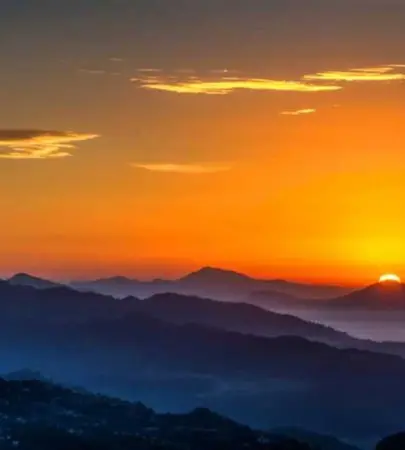
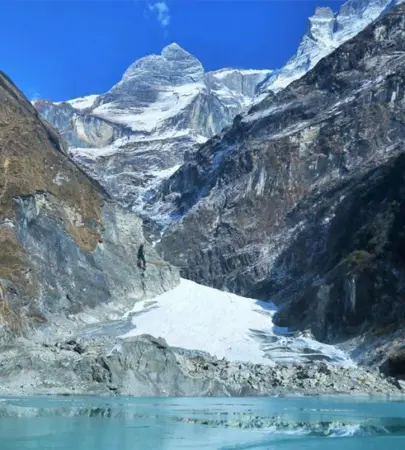
Nepal faced major flooding in 2026, with heavy monsoon rain affecting rivers, roads, bridges, and settlements across several parts of the country. The Nepal flood 2026 created travel challenges in some lowland and mid-hill areas, especially where rivers rose quickly and landslides blocked roads. At the same time, many of Nepal’s well-known mountain regions remained open and continued welcoming trekkers. Travelers looking for tourist destinations in Nepal after flood can still find many beautiful areas with good trekking opportunities and mountain experiences.
The main flood impact was seen around river valleys and lower areas where strong monsoon rainfall caused rivers to swell and triggered landslides. Some major roads connecting Kathmandu with other parts of Nepal faced temporary disruption, while a number of local communities also dealt with damaged bridges and roads. Higher trekking regions such as Everest, Annapurna, Manaslu, Mustang, and Kangchenjunga are located away from the main flood-affected areas. Their higher elevation and mountain terrain have allowed many trekking routes to continue operating, with some local changes based on road and weather conditions.
Nepal tourism after flood has continued to move forward as roads, trails, and other travel facilities are being checked and restored. Conditions can vary from one destination to another, so travelers planning Nepal travel after flood should look at the latest local road, trail, and weather information before starting their journey. Trekking agencies and local teams are also helping travelers understand current access conditions and choose routes that match the season.
Among the tourist destinations in Nepal after flood, the country still offers a wide range of trekking experiences. The Everest region brings famous Himalayan views and high-altitude trails, while Annapurna offers a mix of mountain scenery, villages, forests, and diverse landscapes. Manaslu provides a more remote trekking experience, Mustang combines dramatic mountain landscapes with Tibetan-style culture, and Kangchenjunga offers peaceful trails far from busy tourist routes. These places to visit in Nepal after flood provide different experiences based on altitude, trail length, scenery, and level of adventure.
The choice of trek also depends on the season, route access, altitude, and current trail conditions. Short walks around lower mountain areas can suit travelers with limited time, while longer Himalayan routes offer a deeper mountain experience. Checking the latest Nepal trekking update 2026 information can help travelers choose a route that fits their plans and travel style.
With a wide range of trekking regions and travel services, Graceful Adventure Travel helps travelers plan their Nepal journey with suitable routes, local support, transportation, and trekking arrangements. Whether you are looking for a scenic Himalayan trek, a peaceful mountain village experience, or a challenging high-altitude adventure, Nepal continues to offer memorable travel experiences across its diverse landscapes.
How to Choose a Trek After the 2026 Flood
Selecting a trekking route after a flood event calls for a slightly different approach than typical trip planning, since travelers need to weigh personal fitness and interest alongside current ground conditions. Comparing regions based on elevation, distance from flood-affected river basins, and the latest updates from local guides gives a clearer picture of what remains realistically open. Many of the tourist destinations in Nepal after flood assessments have stayed fully operational, and confirming details before booking helps travelers avoid last-minute changes to an itinerary.
A practical approach involves reviewing several factors together rather than relying on a single source of information. Road access, trail conditions, weather patterns, and altitude all play a role in determining whether a specific route suits a given time of year. The points below outline the main considerations trekkers should review when comparing options among Nepal destinations open after flood conditions were confirmed.
Altitude and Elevation
Regions positioned at higher altitude, such as Everest, Annapurna, and Manaslu, generally sit well above flood-prone river valleys, which means trails in these zones face limited exposure to seasonal water levels. Checking the starting elevation of a trek gives a useful indicator of how a route may have been positioned relative to the flood.
Road and Trail Access
Some approach roads leading to trailheads pass through lower valleys that experienced temporary disruption during the flood. Confirming that the access road to a starting point, such as Lukla, Besisahar, or Jomsom, is fully operational helps travelers plan ahead of the trek with confidence.
Weather and Seasonal Timing
Weather patterns following a flood event can influence trail conditions, river crossings, and visibility in mountain regions. Reviewing recent weather updates and seasonal forecasts for the planned trekking window helps travelers choose a period with stable conditions.
Difficulty and Trekking Duration
Routes vary from short, moderate walks to demanding multi-week circuits, and difficulty level often affects how much flexibility a trekker has if conditions call for an adjusted itinerary. Selecting a trek that matches personal fitness and experience supports a smoother journey overall.
Local Guide and Agency Updates
Local trekking agencies maintain close contact with communities along each route, which makes them a reliable source for current trail status. Working with an experienced local operator provides access to a Nepal travel update 2026 style briefing before departure.
Alternative Routes and Flexibility
Having a backup route or flexible itinerary allows trekkers to adjust plans quickly if a specific trail section requires rerouting. Regions offering multiple trekking options, such as Annapurna or Manaslu, remain reliable tourist destinations in Nepal after flood conditions shifted in nearby valleys, giving travelers added flexibility compared to single-trail destinations.
Everest Region
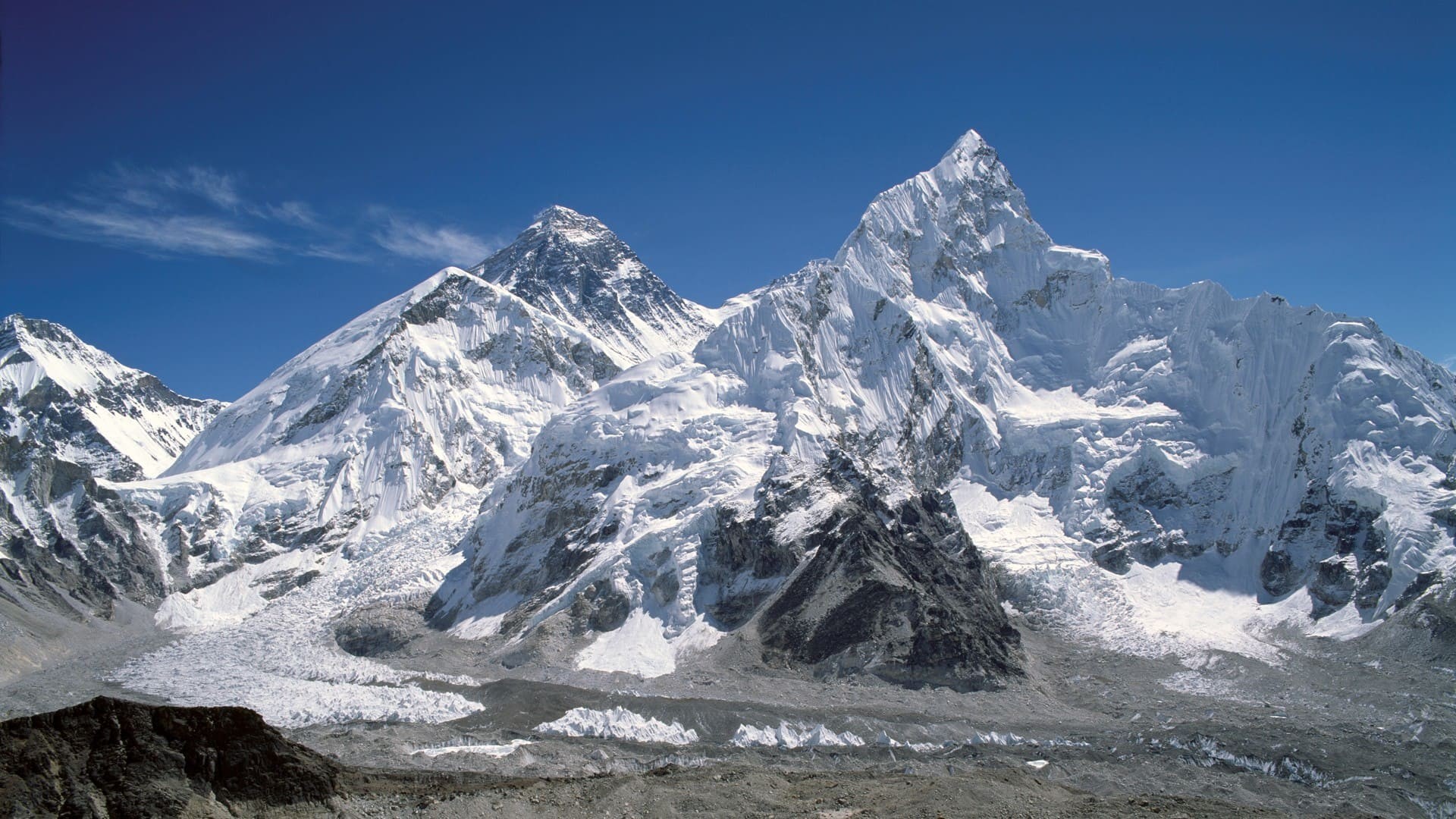
The Everest region stands as one of the most recognized tourist destinations in Nepal after flood assessments confirmed that its major trekking corridors remain open and accessible. Located in the Solukhumbu district, this region is home to the world’s highest peak and a network of trails that pass through Sherpa villages, pine forests, and high alpine terrain. Flights to Lukla, the standard entry point for most Everest treks, have continued operating on their usual schedule, and the trail network from Lukla through Namche Bazaar has remained stable through the current season.
Trekkers exploring the Everest region typically begin their journey with a scenic flight into Lukla before following the Dudh Kosi river valley toward higher elevations. The Everest trekking after flood outlook stays positive because the region’s trails sit at elevations well above the flood-affected river basins found in the lowlands. Namche Bazaar, the main hub of the region, continues to serve as a central point for acclimatization, supplies, and cultural exchange with local Sherpa communities.
Beyond its natural scenery, the Everest region offers a strong cultural dimension through its monasteries, prayer flags, and traditional mountain settlements. Graceful Adventure offers several route options within this region, ranging from shorter introductory treks to demanding multi-week journeys. Each option provides a different balance of altitude, duration, and scenery, making the region suitable for a wide range of trekking interests among travelers planning their next journey.
-
Everest View Trek
The Everest View Trek offers a shorter introduction to the region, ideal for travelers with limited time who still want mountain views. This route passes through Namche Bazaar and continues to Tengboche, known for its historic monastery and sweeping Himalayan panoramas. Among the shorter tourist destinations in Nepal after flood evaluations confirmed stable trail access, this trek combines Sherpa culture with clear views of Everest and neighboring peaks.
-
Everest Base Camp Trek
The Everest Base Camp Trek follows the classic route through Namche Bazaar, Tengboche, Dingboche, Lobuche, and Gorakshep before reaching the base of the world’s highest mountain. This journey combines high-altitude scenery with cultural stops in Sherpa villages along the Khumbu valley. It remains one of the most popular tourist destinations in Nepal after flood conditions were reviewed, with trail access reported as stable.
-
Everest Three Passes Trek
The Everest Three Passes Trek offers a demanding alternative for experienced trekkers, crossing Kongma La, Cho La, and Renjo La passes at high altitude. This route combines remote valleys, glacial landscapes, and dramatic mountain views, remaining one of the more adventurous tourist destinations in Nepal after flood assessments confirmed its trails intact. Trekkers on this circuit also pass through quieter settlements away from the main base camp trail.
Annapurna Region
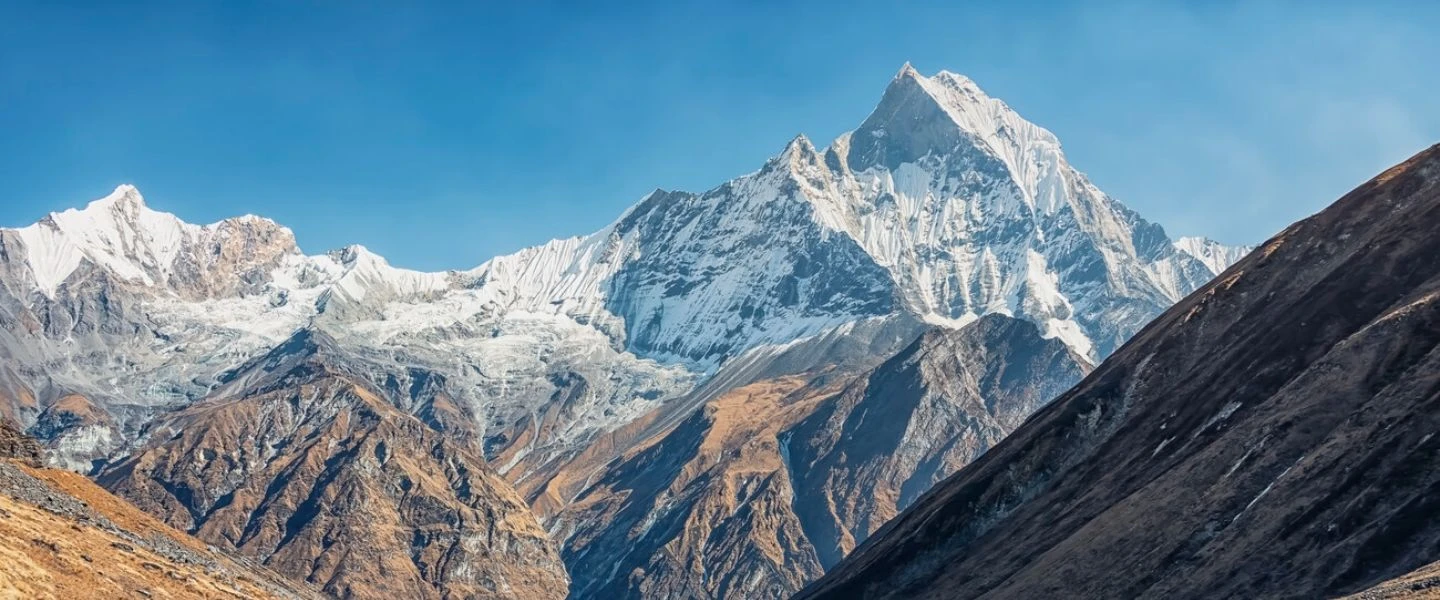
The Annapurna region continues to rank among the most visited tourist destinations in Nepal after flood evaluations confirmed stable trail access across its major routes. Located in central Nepal near Pokhara, this region offers a wide variety of trekking options suited to different experience levels, from short village walks to demanding high-altitude circuits. Its diverse landscape includes subtropical forests, terraced farmland, and alpine terrain leading up to some of the world’s most photographed peaks.
Trekkers typically access the Annapurna region through Pokhara, a lakeside city that serves as the gateway to the mountains. The Annapurna trekking after flood situation has remained largely positive, since most trailheads sit at elevations above the areas most affected by monsoon flooding, and road connections between Pokhara and common starting points such as Nayapul and Besisahar have continued operating throughout the season. This makes the region accessible for travelers planning a trip in the near term.
Annapurna is known for its cultural diversity, with Gurung, Magar, and Thakali communities living along different sections of the trail network. Graceful Adventure offers several trekking packages within this region, each designed around a different combination of altitude, scenery, and duration. From sunrise views over the Himalayas to close encounters with towering peaks like Machhapuchhre and Annapurna I, the region provides a well-rounded trekking experience for a broad range of travelers exploring Nepal this season.
-
Annapurna Base Camp Trek
The Annapurna Base Camp Trek leads directly into the Annapurna Sanctuary, surrounded by peaks including Machhapuchhre and Annapurna I. Along the way, trekkers pass through Gurung villages and dense rhododendron forests before reaching the natural amphitheater at the base of the range. This route remains one of the most sought-after tourist destinations in Nepal after flood assessments confirmed stable conditions along the trail.
-
Ghorepani & Annapurna Base Camp Trek
This combined Ghorepali and Annapurna Base Camp Trek route pairs the well-known Poon Hill sunrise viewpoint with the full Annapurna Base Camp experience. Trekkers pass through forested trails and traditional villages before reaching higher elevations near the sanctuary, making this pairing one of the well-rounded tourist destinations in Nepal after flood evaluations confirmed access along both sections. The combination offers panoramic sunrise views alongside close-up mountain scenery within a single journey.
-
Mardi Himal Trek
The Mardi Himal Trek offers a quieter alternative to the main Annapurna routes, with close views of Machhapuchhre, Annapurna South, and Hiunchuli. This trail sees fewer trekkers, positioning it among the calmer tourist destinations in Nepal after flood season brought renewed attention to less crowded routes. The route culminates near Mardi Himal base camp, with sweeping views across the surrounding ridgelines.
-
Annapurna North Base Camp Trek
The Annapurna North Base Camp Trek follows the historic Maurice Herzog route toward the northern side of the range. This remote trail offers views of Annapurna I, Dhaulagiri, and Nilgiri from a less-traveled perspective, ranking among the more remote tourist destinations in Nepal after flood conditions confirmed continued access. Trekkers on this route experience a quieter, more remote side of the Annapurna region compared to the southern approach.
Manaslu Region

The Manaslu region offers a remote alternative among tourist destinations in Nepal after flood reviews confirmed that its trails remain in stable condition for the current season. Located east of Annapurna, this region surrounds Mount Manaslu, the eighth-highest peak in the world, and features a landscape of deep valleys, traditional villages, and high mountain passes. Because the region requires a special permit and typically involves trekking in small groups, it maintains a quieter atmosphere compared to more heavily visited areas.
Access to the Manaslu region begins from Soti Khola or Machha Khola, reached by road from Kathmandu. The Manaslu trekking after flood outlook remains favorable, as the main trail follows the Budhi Gandaki river valley through elevations positioned well above the areas most affected by the 2026 flood. Local infrastructure along the route, including teahouses and village facilities, has continued to operate normally throughout the trekking season.
Manaslu is known for its strong Tibetan Buddhist cultural influence, visible in the monasteries, chortens, and prayer wheels found along the trail. Graceful Adventure offers trekking packages that explore both the main circuit and the culturally rich Tsum Valley, giving travelers the option to combine mountain scenery with an immersive cultural experience. The region continues to attract trekkers seeking a quieter alternative to the more popular circuits in central Nepal.
-
Manaslu Circuit Trek
The Manaslu Circuit Trek passes through remote villages and dramatic Himalayan scenery before crossing the demanding Larkya La Pass. This route combines cultural immersion with high-altitude trekking, standing out among the quieter tourist destinations in Nepal after flood season shifted trekker interest toward less crowded circuits. The trail remains a favorite among travelers looking for an off-the-beaten-path journey.
-
Tsum Valley Trek
The Tsum Valley Trek leads into a hidden valley known for its traditional villages, monasteries, and strong Buddhist heritage. This route offers a slower-paced cultural journey alongside peaceful Himalayan landscapes, making it one of the culturally rich tourist destinations in Nepal after flood conditions confirmed stable access to the valley. Trekkers exploring Tsum Valley experience a side of Nepal that combines spirituality with remote mountain scenery.
Mustang Region
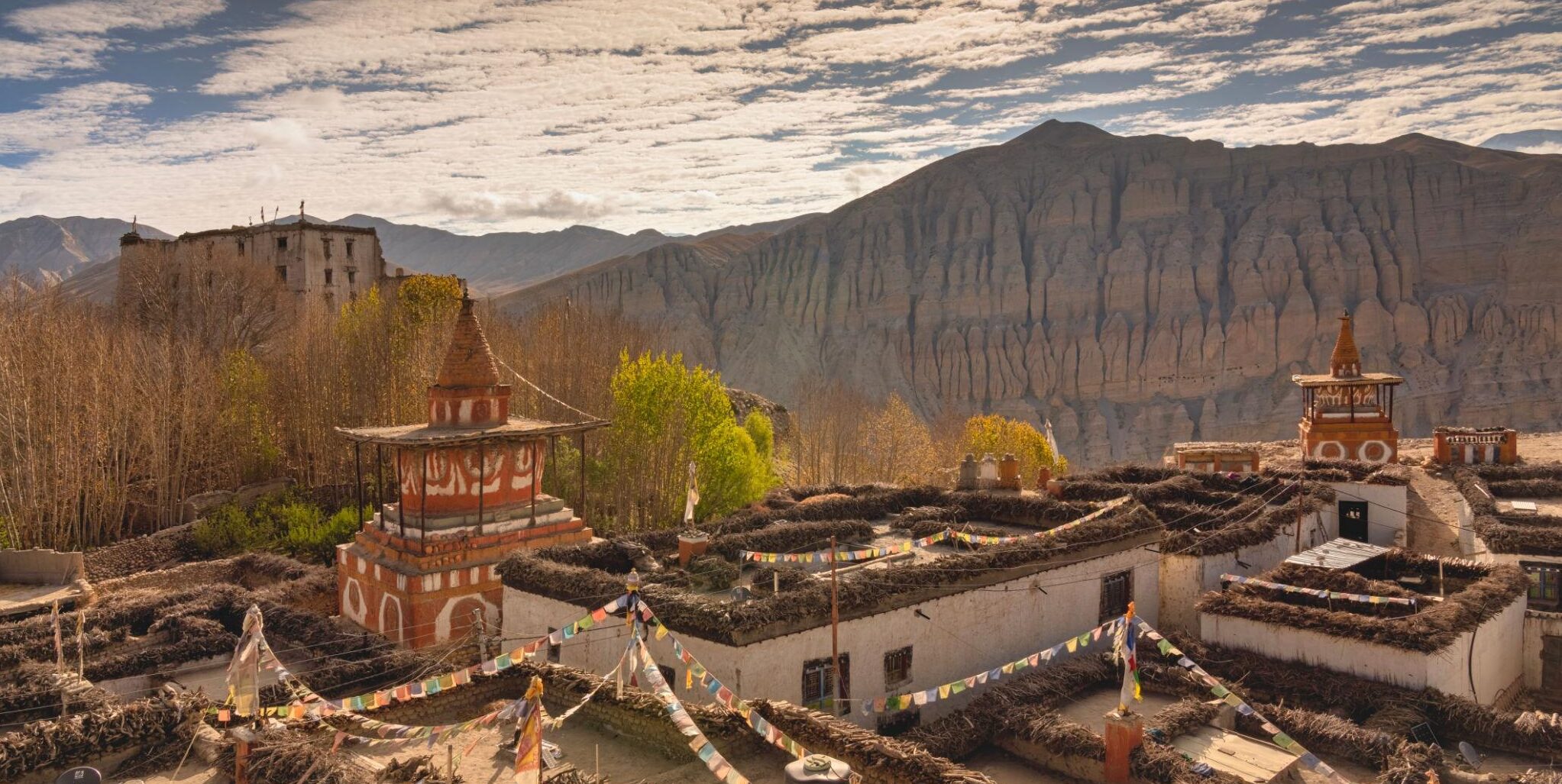
Mustang stands out among tourist destinations in Nepal after flood updates confirmed that its high-desert landscape remained largely stable through the monsoon season. Located in the rain-shadow area north of the Annapurna range, Mustang features dry terrain, dramatic canyons, and a strong Tibetan-influenced culture that sets it apart from Nepal’s greener trekking regions. Its unique geography gives the region a distinct weather pattern compared to the rest of the country.
Access to Mustang typically begins with a flight or drive to Jomsom, followed by trekking or jeep travel further north toward Lo Manthang. The Mustang trekking after flood situation has remained stable, since the region’s elevation and dry climate placed it outside the areas most affected by the 2026 flood. Ancient trade routes, cave dwellings, and centuries-old monasteries continue to draw travelers interested in both trekking and cultural exploration.
Mustang offers a distinct experience compared to other Himalayan regions, with its walled city of Lo Manthang, red cliffs, and Tibetan Buddhist heritage. Graceful Adventure provides trekking options covering both the upper and lower sections of Mustang, allowing travelers to choose between a remote high-desert expedition or a more accessible cultural route. The region remains a strong choice for travelers seeking scenery and history beyond typical alpine trekking.
-
Upper Mustang Trek
The Upper Mustang Trek leads into the walled city of Lo Manthang, past ancient villages, monasteries, and cave systems carved into cliffs. This high-desert landscape offers dramatically different scenery compared to Nepal’s forested trekking regions, placing it among the distinctive tourist destinations in Nepal after flood season confirmed continued access across the dry terrain. The route provides insight into centuries-old Tibetan Buddhist culture preserved within this remote corner of the country.
-
Lower Mustang Trek
The Lower Mustang Trek follows the Kali Gandaki Valley, passing through traditional villages and monasteries along an accessible trail. This route offers a gentler introduction to Mustang’s culture and landscape, remaining among the accessible tourist destinations in Nepal after flood updates confirmed stable road conditions. Trekkers on this path experience a blend of dramatic scenery and easier daily walking distances.
Kangchenjunga Region
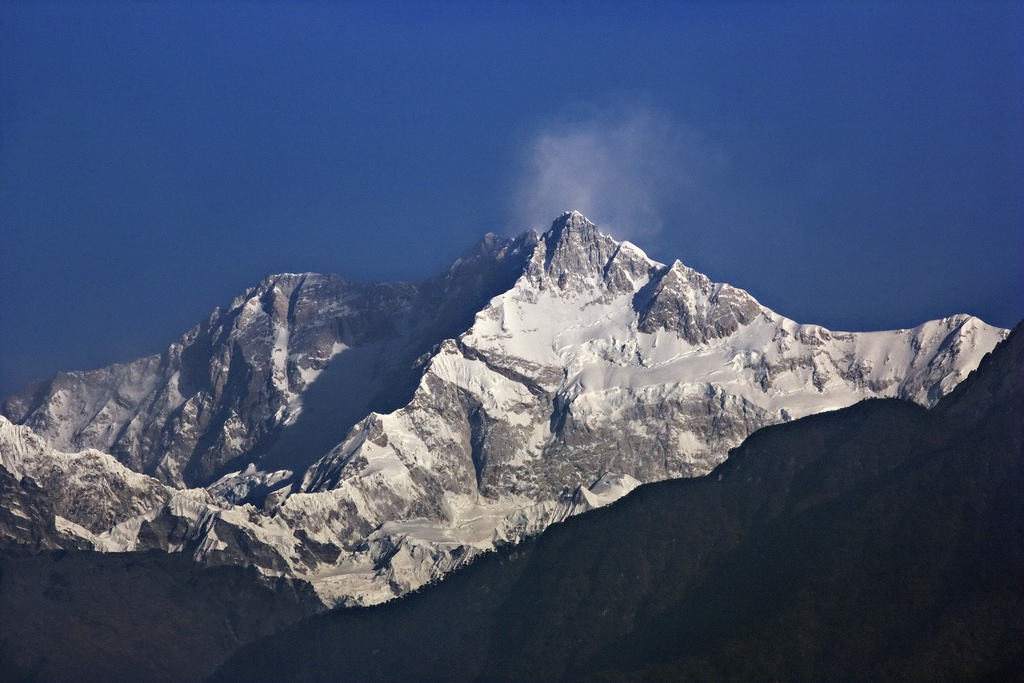
Kangchenjunga represents one of the more remote tourist destinations in Nepal after flood conditions confirmed continued access to its trekking corridors in the far eastern part of the country. Home to the third-highest mountain in the world, this region offers dramatic scenery, diverse ecosystems, and significantly fewer trekkers compared to the more established circuits in central Nepal. Its remote location means trails here pass through a mix of forested lowlands and high alpine terrain.
Access to the Kangchenjunga region typically begins with a flight to Bhadrapur followed by road travel to the trailhead. The Kangchenjunga trekking after flood outlook remains positive, since the main trekking routes climb steadily through elevations that limit exposure to the flood-affected river basins found elsewhere. Local communities along the trail continue to support trekkers through teahouses and homestays throughout the season.
Kangchenjunga appeals to travelers seeking a genuinely remote Himalayan experience away from crowded trails. Graceful Adventure offers both base camp and circuit route options within this region, each suited to experienced trekkers comfortable with longer, less-supported journeys. The combination of dramatic glaciers, diverse landscapes, and cultural encounters makes Kangchenjunga trekking a strong choice among safe trekking destinations in Nepal for the current season.
-
Kangchenjunga Base Camp Trek
The Kangchenjunga Base Camp Trek leads through remote mountain villages, dense forests, and glacial terrain toward the base of the world’s third-highest peak. This journey offers dramatic Himalayan views with far fewer trekkers, marking it among the more remote tourist destinations in Nepal after flood conditions confirmed the trail remains open. The route rewards travelers with a genuine sense of remoteness throughout the trek.
-
Kangchenjunga Circuit Trek
The Kangchenjunga Circuit Trek connects different sections of the region into one extended journey, suited for experienced and well-prepared trekkers. This longer route covers diverse terrain, from forested lower elevations to high alpine passes, and remains among the well-preserved tourist destinations in Nepal after flood season confirmed access along the full circuit. Trekkers on this circuit experience a comprehensive view of the Kangchenjunga region’s varied landscapes.
Other Trekking Options Available Through Graceful Adventure
Graceful Adventure provides trekking choices across several mountain regions of Nepal. Travelers comparing tourist destinations in Nepal after flood can explore Makalu, Dhaulagiri, Dolpo, Rara, Rolwaling, Helambu, and Panch Pokhari. Each destination offers a different mix of mountain scenery, local culture, landscapes, and trekking experiences.
Makalu and Dhaulagiri offer remote Himalayan scenery, high peaks, deep valleys, glaciers, and challenging trails. Dolpo provides traditional villages, monasteries, high valleys, and Tibetan-influenced culture. Rara Lake features peaceful lake views, forests, and mountain landscapes. Rolwaling offers a quiet Himalayan valley with dramatic peaks and glaciers, while Helambu provides a convenient trekking experience near Kathmandu. Panch Pokhari combines sacred lakes, mountain views, local culture, and peaceful trails. Each destination has its own access route, altitude, terrain, accommodation, and walking style. These options allow travelers to choose trekking destinations in Nepal based on their time, fitness, experience, and preferred travel style.
Current Nepal travel update 2026 information can guide the final route choice, especially for remote areas. Local guides and trekking agencies can provide recent infoirmation about transport, trails, permits, accommodation, and access. These checks help travelers select suitable places to visit in Nepal after flood and create a practical Nepal trekking itinerary.
- Makalu Region – Makalu Region offers a remote Himalayan setting with high mountain scenery, deep valleys, and challenging trekking routes. It suits experienced travelers seeking a quieter mountain adventure.
- Dhaulagiri Region – Dhaulagiri Region is known for rugged terrain, glaciers, high passes, and dramatic Himalayan views. The region provides a demanding trekking experience surrounded by impressive mountain landscapes.
- Dolpo Region – Dolpo Region offers Tibetan culture, high valleys, monasteries, remote settlements, and wild landscapes. Its remote setting creates a distinctive Himalayan journey.
- Rara Lake – Rara Lake provides peaceful lake scenery, forest trails, mountain landscapes, and a calm remote setting. It offers a different experience among the tourist destinations in Nepal after flood.
- Rolwaling – Rolwaling is a quiet Himalayan valley with dramatic peaks, glaciers, and routes suited to experienced trekkers. The region offers remote mountain scenery and a peaceful trail environment.
- Helambu – Helambu provides a convenient mountain experience near Kathmandu. Villages, forests, cultural experiences, and Himalayan views make the region suitable for travelers seeking a shorter trekking destination.
- Panch Pokhari – Panch Pokhari is known for sacred lakes, mountain views, local culture, and peaceful trails. The destination adds another scenic option to the list of tourist destinations in Nepal after flood.
Why Choose Graceful Adventure Travels for Trekking After the Flood?

Graceful Adventure Travels brings years of local experience to trekking across Nepal’s diverse regions, offering travelers a dependable partner for planning trips among the many tourist destinations in Nepal after flood conditions were assessed. With a team of experienced guides and porters, the company supports trekkers through every stage of their journey, from initial planning to the final descent back to Kathmandu or Pokhara.
Route planning forms a central part of what Graceful Adventure Travels provides, since local knowledge allows the team to adjust itineraries based on current trail and weather conditions. Working with Graceful Adventure gives trekkers access to updated information on road access, teahouse availability, and permit requirements across each region. This local insight becomes especially valuable during a season when conditions can shift quickly following heavy monsoon rainfall.
Beyond planning, transportation support and accommodation arrangements help simplify the logistics of a Himalayan trek. Graceful Adventure coordinates flights, jeep transfers, and teahouse bookings so that travelers can focus on the trekking experience itself, making it easier to reach the right tourist destinations in Nepal after flood season across every region. The points below outline some of the key reasons travelers choose this operator for their trip.
Experienced Local Guides
Guides bring detailed knowledge of trail conditions, culture, and safety practices specific to each region. Their familiarity with local communities also helps trekkers navigate remote areas with confidence. This local expertise supports a smoother experience throughout the journey.
Flexible Itinerary Planning
Itineraries can be adjusted based on current trail conditions, weather, or personal preferences. This flexibility helps trekkers respond to changes quickly while keeping the overall trip on track. Personalized planning also allows for a better match between route difficulty and individual fitness levels.
Transportation and Logistics Support
Coordinated flights, jeep transfers, and road travel simplify the process of managing logistics independently. Reliable transportation planning also helps trekkers stay on schedule throughout multi-day itineraries. This support extends to permit arrangements required for restricted trekking areas.
Accommodation Planning
Teahouse and lodge bookings are arranged in advance to secure reliable accommodation along the trail. This planning adds confidence in remote areas where lodging options can be limited. Comfortable, pre-arranged stays also help trekkers rest properly between demanding trekking days.
Up-to-Date Local Knowledge
Continuous communication with communities along each route provides current information on trail and weather conditions. This ongoing local insight helps identify the most current options among Nepal destinations open after flood assessments. Trekkers benefit from planning based on real, current ground conditions gathered directly from each region.
Conclusion
Nepal’s major trekking regions, including Everest, Annapurna, Manaslu, Mustang, and Kangchenjunga, continue to operate as accessible tourist destinations in Nepal after flood conditions were reviewed across the country. Certain lowland areas experienced disruption during the 2026 flood, yet the high-altitude trails that define Nepal’s trekking industry have largely remained stable, offering travelers a wide range of options for the current season.
From the iconic Everest Base Camp route to the remote landscapes of Kangchenjunga, each region offers a distinct combination of scenery, culture, and trekking difficulty. Shorter hikes near Pokhara and additional remote regions such as Dolpo and Rara add further variety among the many tourist destinations in Nepal after flood season broadened travel options across the country. Reviewing current trail conditions alongside personal fitness and travel goals helps in selecting the right route for this season.
Checking the latest trail, road, and weather updates with a trusted local operator such as Graceful Adventure Travels helps travelers plan their trek with confidence and current information.
Plan Your Nepal Trip With Graceful Adventure Travels
Graceful Adventure Travels helps you plan a safe and comfortable Nepal journey with updated route information, reliable transportation, experienced guides, suitable accommodation, and flexible travel plans.
| Particular | Details |
| Booking office | Graceful Adventure Travels |
| Phone Number | +977-9851219412, 014700180/81 |
| Office Location | Sorhakhutte, Kathmandu Nepal |
| [email protected]/ [email protected] |