Introduction:
Trekking in Nepal is a dream adventure for travelers from around the world. Home to eight of the world’s fourteen highest mountains, including Mount Everest, Nepal offers some of the most breathtaking trekking experiences on the planet. From peaceful forest walks and scenic hill trails to high-altitude mountain expeditions, the country provides trekking opportunities for people of every age, fitness level, and experience. Whether you are planning your very first Himalayan trek or looking for a demanding multi-week adventure, trekking in Nepal has something to suit every traveler.
One of the reasons Nepal is considered the world’s best trekking destination is its incredible diversity. The landscapes change dramatically as you walk through lush forests, terraced farmlands, traditional villages, alpine meadows, glacial valleys, and snow-covered mountain passes. Every trekking route has its own unique scenery, culture, and level of challenge. Beginners can enjoy short and relatively easy treks such as the Ghorepani Poon Hill Trek or Everest View Trek, while experienced trekkers can challenge themselves with famous routes like the Everest Base Camp Trek, Annapurna Circuit Trek, or Manaslu Circuit Trek.
Trekking in Nepal can feel easy or challenging depending on the route chosen, the altitude reached, physical fitness, trekking experience, and the season of travel. While some Himalayan trails require excellent endurance and careful acclimatization, many trekking routes are suitable for first-time trekkers with a reasonable level of fitness. With proper preparation, suitable gear, and a well-planned itinerary, most people can safely enjoy trekking in Nepal.
Besides the spectacular mountain scenery, trekking in Nepal is also about experiencing local culture and warm Himalayan hospitality. Along the trails, trekkers pass through welcoming villages where they can learn about local traditions, taste authentic Nepali cuisine, and stay in comfortable teahouses that provide a memorable cultural experience alongside the adventure.
If you are planning your next Himalayan journey, Graceful Adventure Travel offers professionally organized trekking packages across Nepal for beginners, families, and experienced trekkers alike. With experienced local guides, carefully planned itineraries, and a strong focus on safety, Graceful Adventure Travel helps travelers enjoy the best of trekking in Nepal with confidence and unforgettable memories.
About Trekking in Nepal
Trekking in Nepal is widely regarded as one of the greatest outdoor adventures in the world. Every year, thousands of travelers visit Nepal to experience its spectacular Himalayan landscapes, rich cultural heritage, and world-famous trekking routes. Unlike many mountain destinations that only cater to experienced climbers, Nepal offers an incredible variety of trekking options ranging from easy village walks to challenging high-altitude expeditions. This diversity makes the country suitable for solo travelers, families, beginner trekkers, and seasoned adventurers alike.
The difficulty of trekking in Nepal varies significantly depending on the destination you choose. Lower-altitude treks usually involve well-established trails, shorter walking days, and comfortable teahouse accommodations, making them ideal for beginners. On the other hand, remote Himalayan routes require longer trekking days, higher elevations, fewer facilities, and greater physical endurance. Treks such as Everest Base Camp, Manaslu Circuit, and Annapurna Circuit demand careful acclimatization because oxygen levels decrease as altitude increases, making the journey more physically demanding.
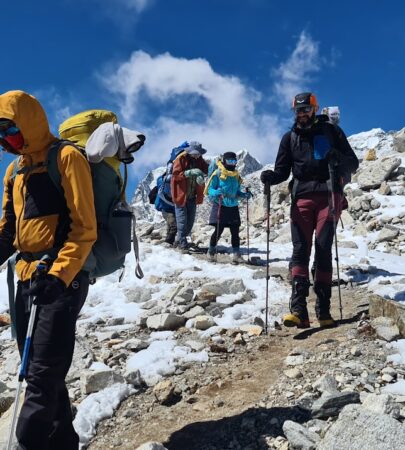
Another reason many people find trekking in Nepal challenging is the combination of changing terrain and unpredictable mountain weather. A single trekking route may include stone staircases, suspension bridges, forest paths, rocky trails, glacier moraines, and steep mountain ascents. Weather conditions can also change rapidly, especially during higher-altitude treks, making preparation and proper equipment extremely important.
Despite these challenges, trekking in Nepal is achievable for most people with the right planning. Choosing a trek that matches your fitness level, allowing enough time for acclimatization, training before your trip, and traveling during the best trekking seasons greatly improve the overall experience. Hiring experienced local guides also makes trekking safer and more enjoyable, especially on longer or more remote routes.
Beyond the physical challenge, trekking in Nepal rewards travelers with unforgettable mountain views, authentic cultural experiences, peaceful monasteries, diverse wildlife, and genuine hospitality from local communities. Every trail offers a unique story, making the journey just as memorable as the destination itself.
Whether you are looking for a relaxing Himalayan getaway or an adventurous high-altitude challenge, Graceful Adventure Travel provides expertly designed trekking experiences across Nepal. Their knowledgeable guides, personalized itineraries, and commitment to safety allow travelers to confidently explore the beauty and adventure that make trekking in Nepal one of the world’s most rewarding travel experiences.
What Determines the Difficulty of a Trek in Nepal?
The difficulty of trekking in Nepal cannot be measured by distance alone. Several important factors combine to determine how challenging a particular trek will be. While two trekking routes may cover similar distances, one may be significantly more demanding because of higher altitude, steeper terrain, longer walking days, or unpredictable weather conditions. Understanding these factors helps trekkers choose a route that matches their fitness level, experience, and travel goals.
Before selecting any trekking package in Nepal, it is important to evaluate the physical demands of the journey. Factors such as altitude, daily hiking hours, trail conditions, trekking duration, seasonal weather, and personal fitness all influence the overall trekking experience. Proper planning around these elements not only improves comfort but also increases safety and enjoyment throughout the trek.
-
Altitude
Altitude is one of the biggest factors affecting trekking difficulty in Nepal. As trekkers climb above 2,500 meters, the amount of oxygen in the air gradually decreases, making physical activities more demanding. Higher-altitude routes such as Everest Base Camp, Annapurna Circuit, and Manaslu Circuit require slow ascents and proper acclimatization to reduce the risk of altitude sickness. Even physically fit individuals can experience symptoms if they gain elevation too quickly, making altitude management one of the most important aspects of successful trekking.
-
Trek Duration
The total number of trekking days also plays a major role in determining difficulty. Short treks lasting three to five days are generally easier because they require less endurance and involve fewer consecutive days of hiking. Longer treks that last ten to twenty days demand greater stamina, consistent energy levels, and stronger mental determination. Extended trekking schedules also expose travelers to changing weather conditions and increasing physical fatigue over time.
-
Daily Walking Hours
The number of hours spent walking each day directly impacts the overall challenge of a trek. Easy trekking routes often involve four to five hours of hiking per day, while moderate and challenging routes may require six to eight hours or even longer. Walking for several hours across mountainous terrain with a backpack requires good endurance, strong leg muscles, and regular rest breaks to maintain energy throughout the journey.
-
Trail Conditions
Trail conditions vary greatly across Nepal’s trekking regions. Some routes feature wide, well-maintained paths with gradual ascents, while others include steep stone staircases, narrow mountain trails, rocky terrain, river crossings, and uneven surfaces. During the monsoon season, trails may become muddy and slippery, increasing the physical effort required. Choosing suitable footwear and trekking poles can significantly improve comfort and stability on difficult terrain.
-
Weather and Seasons
Mountain weather is highly unpredictable and can quickly affect trekking difficulty. Spring and autumn are considered the best trekking seasons because they usually offer clear skies, stable temperatures, and excellent mountain views. Winter brings cold temperatures and snowfall at higher elevations, while the monsoon season creates heavy rainfall, slippery trails, and limited visibility. Selecting the right season greatly improves both safety and the overall trekking experience.
-
Physical Fitness
Personal fitness is one of the few factors trekkers can control before arriving in Nepal. Individuals with good cardiovascular endurance, leg strength, and overall stamina generally find trekking much more comfortable. Preparing through regular walking, hiking, stair climbing, cycling, or running several weeks before the trip helps build endurance and reduces fatigue on the trail. Even beginners can successfully complete many treks in Nepal with consistent training and a well-planned itinerary.
Easy Treks in Nepal (Beginner Friendly)
Nepal offers several beginner-friendly trekking routes that allow travelers to enjoy spectacular mountain scenery without facing extreme altitude or physically demanding trails. These easy treks combine comfortable teahouse accommodation, manageable walking distances, well-established trails, and rewarding panoramic views. They are perfect for first-time trekkers, families, solo travelers, and anyone looking to experience the beauty of the Himalayas at a comfortable pace. While these routes are considered easy compared to high-altitude expeditions, they still provide unforgettable landscapes, rich local culture, and authentic mountain experiences that make trekking in Nepal one of the world’s most rewarding adventures.
-
Ghorepani Poon Hill Trek

For travelers taking their first step into the Himalayas, Ghorepani Poon Hill trekking route offers an ideal balance of adventure and comfort. The trail passes through beautiful rhododendron forests, traditional Gurung and Magar villages, terraced farmlands, and peaceful mountain landscapes. Daily walking hours are moderate, making it suitable for people with average fitness who want to experience Nepal’s natural beauty without tackling extreme elevations.
One of the highlights of the journey is the breathtaking sunrise over the Annapurna and Dhaulagiri mountain ranges. During the trip, the Ghorepani Poon Hill Trek provides comfortable teahouse accommodation, well-maintained trails, and plenty of opportunities to experience local culture while enjoying spectacular Himalayan views. It remains one of the most popular beginner-friendly trekking routes because it delivers stunning scenery without requiring technical climbing skills or extensive trekking experience.
-
Everest View Trek
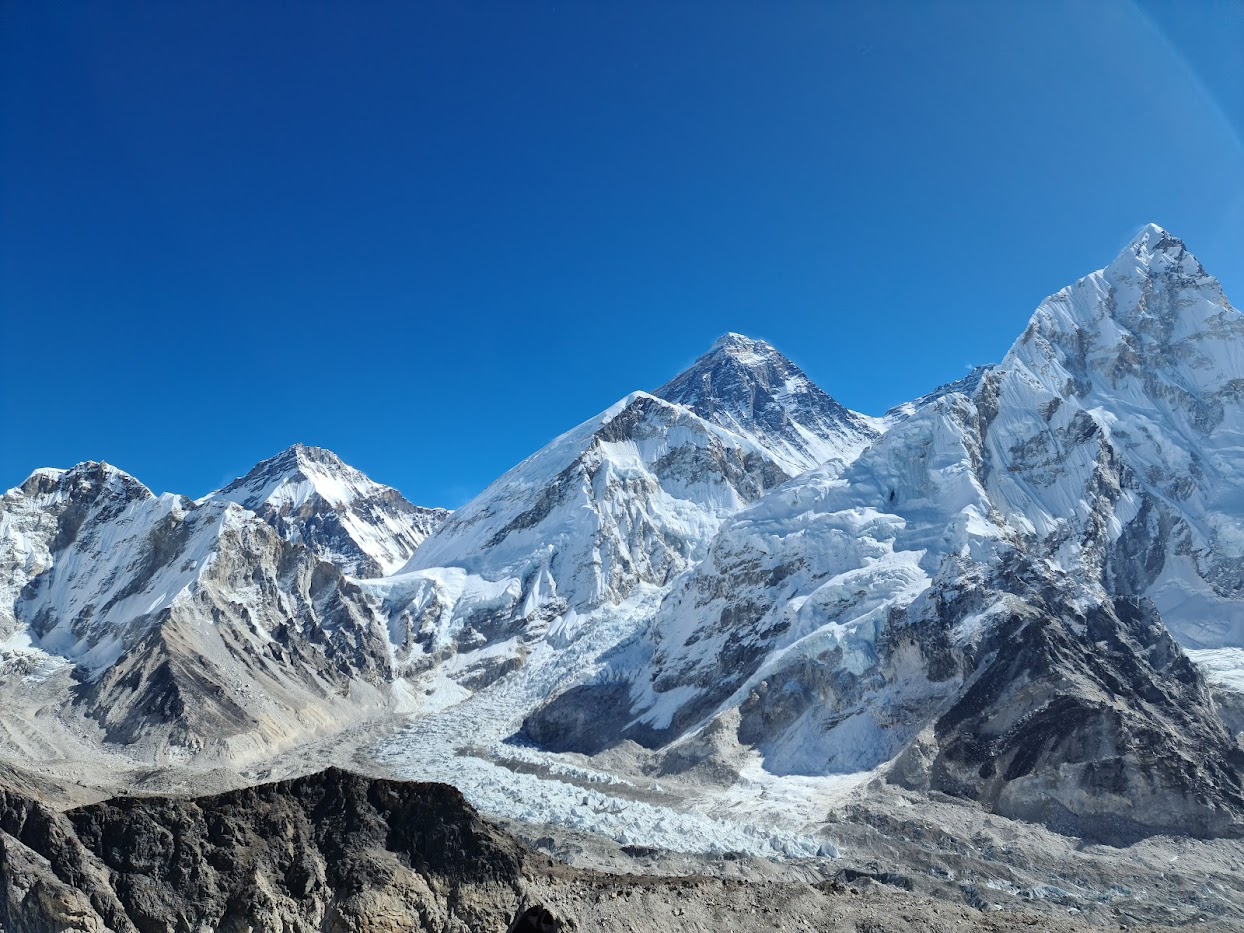
Everest View Trek is short Himalayan adventure allows travelers to experience the Everest region without committing to the long and demanding journey to Everest Base Camp. The route includes scenic mountain flights, charming Sherpa villages, ancient monasteries, and breathtaking views of snow-capped Himalayan peaks. Since the trek reaches a lower altitude than many Everest expeditions, it is more accessible for beginners while still offering an authentic mountain experience.
Trekkers enjoy incredible views of the world’s highest mountain along with the surrounding Himalayan landscape. Throughout the journey, the Everest View Trek combines moderate hiking, comfortable teahouses, rich Sherpa culture, and unforgettable scenery, making it one of the best short treks for those wishing to explore the Everest region without facing extreme physical challenges.
-
Mardi Himal Short Trek
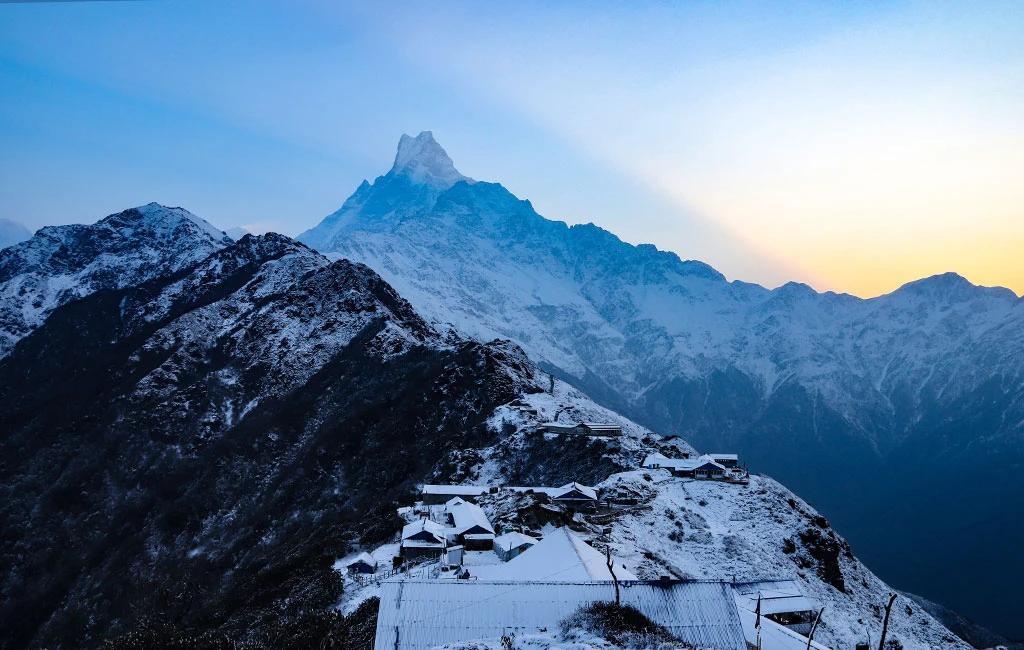
Mardi Himal Short Trek is beautiful trekking route offers peaceful trails away from larger trekking crowds while showcasing spectacular mountain scenery throughout the journey. The path gradually climbs through dense forests, alpine meadows, and scenic ridges before reaching impressive viewpoints overlooking the Annapurna region. The manageable trekking distance and relatively moderate altitude make it an excellent choice for beginners seeking a quieter Himalayan experience.
The journey becomes increasingly rewarding as trekkers gain higher viewpoints with panoramic mountain vistas. Along the route, the Mardi Himal Short Trek offers breathtaking close-up views of Machhapuchhre, Annapurna South, and Hiunchuli while maintaining a comfortable pace for first-time trekkers. Its combination of natural beauty, peaceful surroundings, and relatively easy trails has made it one of Nepal’s fastest-growing beginner trekking destinations.
Moderate Treks in Nepal
Moderate trekking routes are designed for travelers who already have good fitness levels or some previous hiking experience. These treks involve longer walking days, higher elevations, and more physically demanding trails than beginner routes, but they remain achievable for most people with proper preparation. Moderate treks offer an excellent balance between adventure and comfort, allowing trekkers to experience deeper Himalayan landscapes, remote villages, and spectacular mountain scenery without reaching the extreme difficulty of Nepal’s toughest expeditions.
-
Annapurna Base Camp Trek
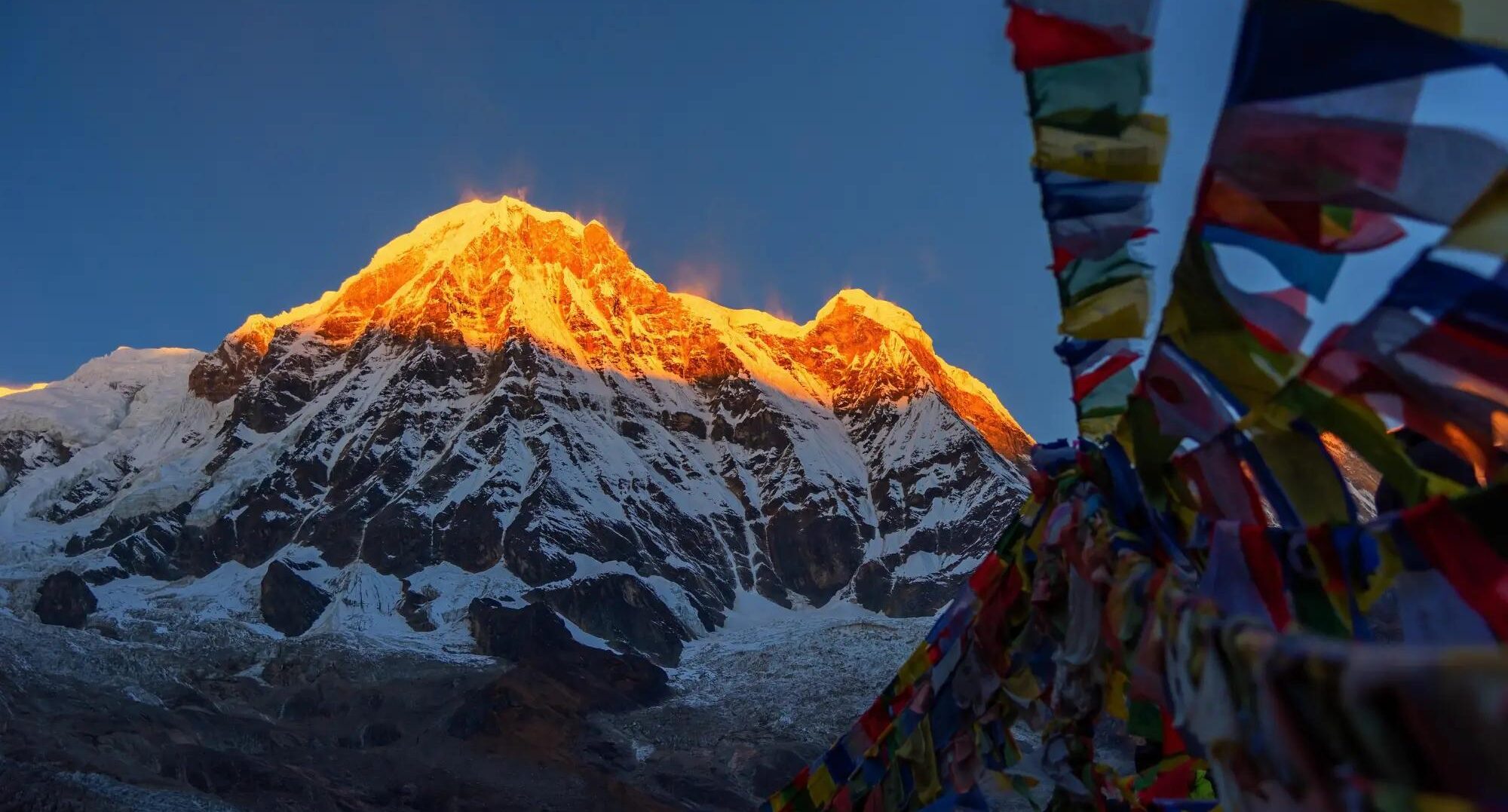
Annapurna Base Camp Trek is the classic Himalayan adventure takes trekkers deep into the Annapurna Sanctuary, surrounded by towering snow-covered peaks from every direction. The route passes through charming mountain villages, lush forests, cascading rivers, and terraced farmland before gradually ascending into a dramatic alpine environment. Although the daily walking distances are longer than beginner treks, the trail is well-established and supported by comfortable teahouses.
The rewarding destination offers one of the most spectacular natural amphitheaters in the Himalayas. During the journey, the Annapurna Base Camp Trek combines cultural experiences, diverse landscapes, and close-up views of Annapurna I, Machhapuchhre, Hiunchuli, and other towering peaks. It is considered one of Nepal’s finest moderate treks because it provides breathtaking scenery while remaining accessible to trekkers with reasonable physical fitness.
-
Langtang Valley Trek

Langtang Valley Trekking route offers a perfect combination of mountain scenery, rich Tamang culture, and peaceful Himalayan landscapes. The trail follows beautiful river valleys, dense forests, alpine meadows, and traditional villages while gradually gaining altitude. Compared to more crowded trekking regions, this area provides a quieter and more relaxed trekking experience.
Trekkers are rewarded with impressive glacier views and panoramic Himalayan scenery throughout the journey. Along the route, the Langtang Valley Trek allows visitors to experience authentic mountain culture while enjoying comfortable trekking conditions and moderate physical challenges. It is an excellent option for travelers seeking beautiful scenery close to Kathmandu without the larger crowds found in other popular trekking destinations.
-
Khopra Danda Trek

This lesser-known trekking route offers incredible mountain views while avoiding the busy trails of the Annapurna region. The journey passes through forests, traditional villages, alpine grasslands, and scenic ridges before reaching spectacular viewpoints overlooking some of Nepal’s highest peaks. Longer walking days and steady ascents make this trek more physically demanding than beginner routes.
One of the biggest attractions is the peaceful atmosphere and breathtaking panoramic scenery. During the adventure, the Khopra Danda Trek rewards trekkers with magnificent views of Annapurna, Dhaulagiri, Nilgiri, and surrounding Himalayan peaks while providing opportunities to experience authentic village life far from crowded trekking routes.
Challenging Treks in Nepal
Challenging trekking routes in Nepal are designed for experienced trekkers seeking high-altitude adventure and unforgettable Himalayan expeditions. These journeys involve long trekking days, significant elevation gain, remote mountain trails, and demanding physical conditions. Proper acclimatization, excellent fitness, and mental determination are essential for completing these treks safely. Despite the challenges, they reward adventurers with some of the world’s most spectacular mountain scenery and life-changing experiences.
-
Everest Base Camp Trek
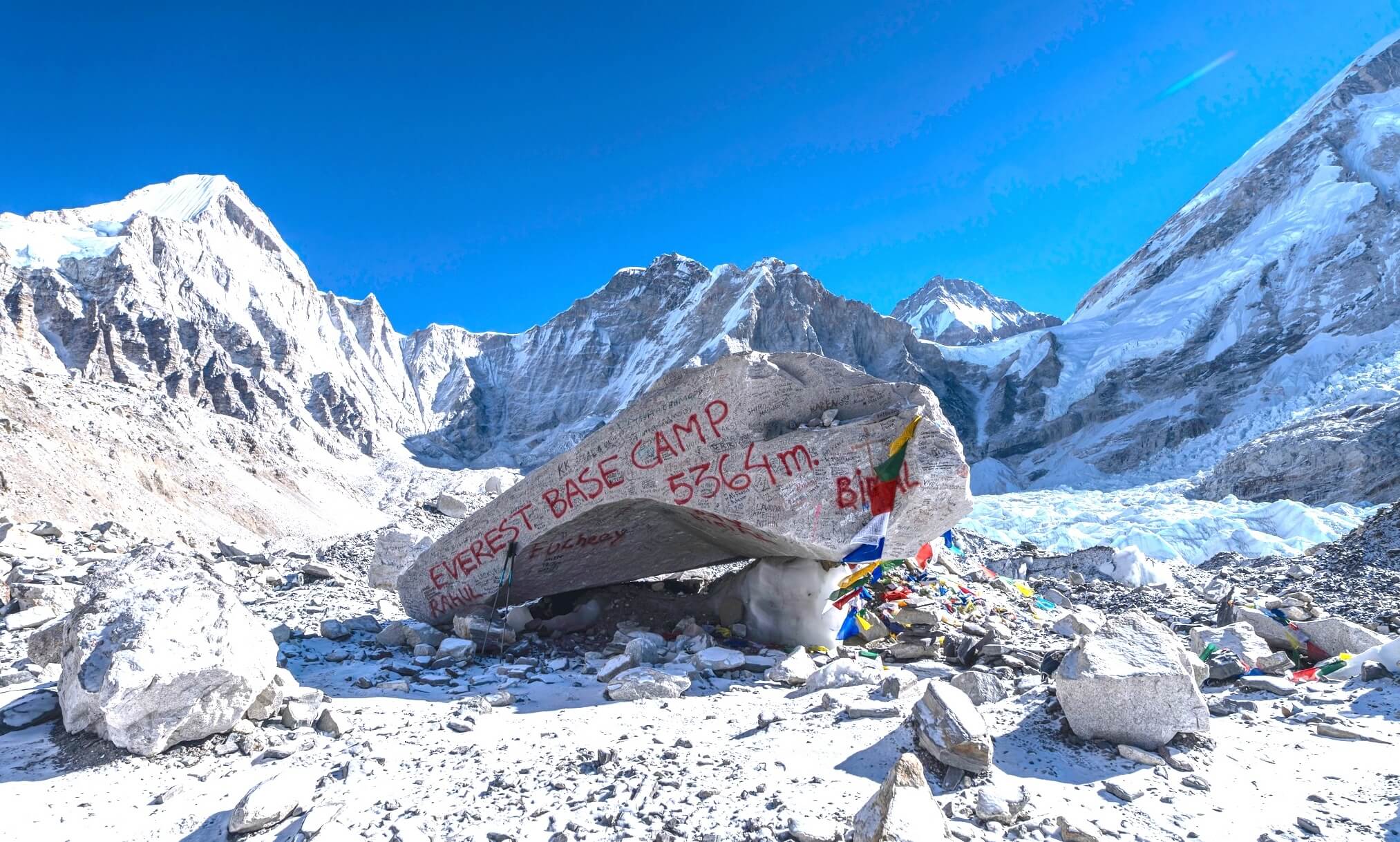
This iconic Himalayan adventure takes trekkers through the heart of the Khumbu region, following the footsteps of legendary mountaineers toward the base of the world’s highest mountain. The journey includes dramatic suspension bridges, traditional Sherpa villages, ancient monasteries, glaciers, and breathtaking alpine scenery. High altitude and consecutive days of trekking make this one of Nepal’s most physically demanding routes.
The experience becomes increasingly rewarding as trekkers approach the foot of Mount Everest. Throughout the expedition, the Everest Base Camp Trek offers unforgettable views of Everest, Lhotse, Nuptse, Ama Dablam, and numerous Himalayan giants while providing a deep cultural connection with the Sherpa community. Reaching base camp is considered one of the world’s greatest trekking achievements.
-
Manaslu Circuit Trek

This remote Himalayan journey circles one of Nepal’s highest mountains through isolated valleys, traditional Tibetan-influenced villages, and rugged alpine landscapes. The trail is considerably less crowded than other famous trekking routes, providing an authentic wilderness experience. Long walking days, high mountain passes, and limited facilities contribute to the trek’s overall difficulty.
Crossing the famous Larke Pass is one of the expedition’s greatest highlights. Along the challenging route, the Manaslu Circuit Trek rewards trekkers with pristine mountain scenery, rich cultural heritage, and incredible Himalayan panoramas rarely experienced on busier trekking trails. It is an outstanding choice for experienced adventurers seeking a quieter yet demanding expedition.
-
Annapurna Circuit Trek

Widely regarded as one of the greatest long-distance trekking routes in the world, this adventure showcases Nepal’s remarkable geographical diversity. The journey crosses lush forests, deep river valleys, traditional villages, dry high-altitude deserts, and one of the highest trekking passes in the Himalayas. Its changing landscapes and extended duration require strong physical endurance and careful preparation.
One of the most memorable achievements is crossing Thorong La Pass at an elevation of over 5,400 meters. During the expedition, the Annapurna Circuit Trek delivers extraordinary mountain scenery, fascinating cultural diversity, and constantly changing environments that make every day different from the last. Its combination of challenge, scenery, and cultural richness continues to attract experienced trekkers from around the world.
Common Challenges During Trekking in Nepal
Trekking in Nepal is an unforgettable adventure, but every trekking route comes with its own set of challenges. While the breathtaking Himalayan scenery makes every step worthwhile, trekkers should understand the physical and environmental conditions they may face along the journey. Some challenges are common on almost every trekking route, while others become more noticeable on longer or higher-altitude expeditions. Being aware of these difficulties helps travelers prepare properly and enjoy a safer, more comfortable trekking experience.
The good news is that most trekking challenges can be managed with proper planning, suitable equipment, and a realistic itinerary. Choosing a trek that matches your fitness level, allowing enough time for acclimatization, packing appropriate clothing, and hiring an experienced guide can greatly reduce potential risks. Whether you are planning an easy trek or a challenging Himalayan expedition, understanding these common challenges is an important part of successful trekking in Nepal.
-
High Altitude and Altitude Sickness
One of the biggest challenges during trekking in Nepal is gaining elevation too quickly. As altitude increases, oxygen levels decrease, making breathing more difficult and increasing the risk of altitude sickness. Common symptoms include headaches, nausea, dizziness, and fatigue. Proper acclimatization, drinking plenty of water, and ascending gradually are the best ways to reduce the risk.
-
Long Walking Days
Many trekking routes require walking for five to eight hours each day over several consecutive days. Long hours on mountain trails can cause muscle fatigue, sore feet, and reduced energy levels. Building stamina through regular exercise before your trip makes these long trekking days much easier to manage.
-
Steep Ascents and Descents
Nepal’s mountain trails often include steep uphill climbs and downhill sections with countless stone steps. These challenging sections place extra strain on the legs and knees, especially during longer treks. Using trekking poles and maintaining a steady pace can improve balance and reduce physical stress.
-
Changing Mountain Weather
Weather in the Himalayas can change rapidly, even within a few hours. Bright sunshine may quickly give way to rain, snowfall, strong winds, or cold temperatures. Wearing layered clothing and carrying waterproof gear helps trekkers stay comfortable and prepared for sudden weather changes.
-
Remote Trail Conditions
Many trekking routes pass through remote mountain regions where roads, hospitals, and communication services are limited. Medical assistance and supplies may not always be immediately available. Trekking with an experienced guide and carrying essential first-aid items can improve safety throughout the journey.
-
Basic Accommodation on Some Routes
While teahouses provide food and shelter on most trekking routes, facilities are often simple, particularly in remote areas. Hot showers, heating, internet access, and electricity may be limited or available only for an extra charge. Preparing for basic accommodation allows trekkers to enjoy the authentic mountain experience with realistic expectations.
How to Prepare for Trekking in Nepal
Proper preparation is one of the most important factors for a safe and enjoyable trekking experience in Nepal. Whether you are planning a short beginner-friendly trek or a challenging Himalayan expedition, preparing in advance helps reduce physical strain, improve confidence, and ensure you are ready for changing mountain conditions. Good planning allows trekkers to fully enjoy Nepal’s breathtaking scenery without unnecessary difficulties on the trail.
Preparing for trekking in Nepal involves more than simply packing a backpack. Building physical fitness, training before your trip, carrying the right equipment, selecting the best trekking season, and traveling with an experienced guide all contribute to a safer and more rewarding adventure. Taking time to prepare properly will help you make the most of your Himalayan journey.
-
Physical Fitness
A good level of physical fitness makes trekking more comfortable and enjoyable. Regular cardio exercises, walking, cycling, or climbing stairs can improve endurance and help your body adapt to long days on mountain trails.
-
Training Before Your Trek
Begin training at least four to six weeks before your trek by taking longer walks or hikes with a light backpack. This helps strengthen your legs, improve stamina, and prepare your body for uneven terrain and continuous walking.
-
Packing the Right Gear
Carrying the proper trekking gear is essential for comfort and safety in the mountains. Pack sturdy trekking boots, layered clothing, a waterproof jacket, a sleeping bag if needed, and basic first-aid supplies to handle changing weather conditions.
-
Choosing the Right Season
Spring (March to May) and autumn (September to November) are considered the best seasons for trekking in Nepal due to stable weather and clear mountain views. Choosing the right season reduces weather-related challenges and provides a more enjoyable trekking experience.
-
Hiring an Experienced Guide
An experienced trekking guide can improve both safety and enjoyment throughout your journey. Guides assist with navigation, provide local knowledge, monitor your health at higher altitudes, and help manage unexpected situations along the trail.
Which Trek in Nepal Is Right for You?
Choosing the right trekking route is one of the most important decisions when planning a Himalayan adventure. Nepal offers a wide variety of trekking experiences, ranging from short and beginner-friendly hikes to demanding high-altitude expeditions. The best trek for you depends on your fitness level, trekking experience, available time, and personal travel goals. By selecting a route that matches your abilities, you can enjoy the stunning landscapes, rich culture, and unforgettable mountain scenery while having a safe and rewarding trekking experience.
Best Treks for Beginners
New trekkers should choose routes with moderate walking hours, lower altitudes, and comfortable teahouse accommodation for a safer and more enjoyable experience. Beginner-friendly treks allow you to experience the beauty of the Himalayas without facing extremely demanding trails. Popular options include the Ghorepani Poon Hill Trek, Everest View Trek, and Mardi Himal Short Trek, all of which offer breathtaking mountain views and authentic cultural experiences.
These treks are perfect for travelers who want to enjoy trekking in Nepal at a relaxed pace while building confidence for future adventures. They provide excellent scenery, well-maintained trails, and manageable daily hikes, making them ideal for first-time Himalayan trekkers.
Suitable For:
- First-time trekkers
- Families with older children
- Solo traveler
- Travelers with average fitness
- Short holiday visitors
Best Treks for Intermediate Trekkers
Intermediate trekking routes are ideal for people who have good physical fitness or some previous hiking experience. These treks involve longer walking days, higher elevations, and more varied terrain while remaining achievable with proper preparation. The Annapurna Base Camp Trek, Langtang Valley Trek, and Khopra Danda Trek are excellent choices for travelers looking for a greater challenge without extreme technical difficulty.
These routes offer a perfect balance of adventure, mountain scenery, and cultural experiences. Trekkers can enjoy spectacular Himalayan landscapes while gradually building the endurance and confidence needed for more demanding expeditions in the future.
Suitable For:
- Regular hikers
- Travelers with previous trekking experience
- Adventure enthusiasts
- Physically active individuals
- Trekkers seeking moderate challenges
Best Treks for Experienced Adventurers
Experienced trekkers looking for a true Himalayan challenge should consider Nepal’s high-altitude and long-distance trekking routes. These expeditions require excellent fitness, mental determination, and proper acclimatization due to demanding terrain and higher elevations. The Everest Base Camp Trek, Manaslu Circuit Trek, and Annapurna Circuit Trek are among the most rewarding adventures for seasoned trekkers.
These challenging routes provide world-class mountain scenery, remote landscapes, rich cultural experiences, and a strong sense of achievement upon completion. With careful planning and experienced guidance, they offer some of the finest trekking experiences anywhere in the world.
Suitable For:
- Experienced trekkers
- High-altitude adventure seekers
- Long-distance hikers
- Excellent fitness levels
- Travelers seeking challenging Himalayan expeditions
Why Choose Graceful Adventure Travel for Trekking in Nepal?
Choosing the right trekking company is just as important as choosing the right trekking route. A reliable local operator ensures that every part of your journey is well planned, allowing you to focus on enjoying Nepal’s spectacular mountain landscapes rather than worrying about logistics. From arranging permits and transportation to providing experienced guides and comfortable accommodations, a trusted trekking company can make your Himalayan adventure safer, smoother, and far more memorable.
Graceful Adventure Travel is committed to providing high-quality trekking experiences for travelers from around the world. Whether you are a beginner planning your first Himalayan trek or an experienced adventurer seeking a challenging expedition, the company offers carefully designed itineraries to suit different fitness levels, travel preferences, and budgets. Their knowledgeable local guides, personalized service, and strong commitment to safety ensure that every trek is enjoyable while giving travelers the opportunity to experience Nepal’s breathtaking scenery, rich culture, and warm hospitality.
With years of experience in Nepal’s tourism industry, Graceful Adventure Travel focuses on creating unforgettable journeys through professional planning and exceptional customer care. From the moment you arrive until your trek is complete, the team is dedicated to providing reliable support, transparent service, and authentic local experiences. By choosing Graceful Adventure Travel, you can explore the Himalayas with confidence, knowing that every detail of your trekking adventure is handled by experienced professionals who are passionate about showcasing the very best of trekking in Nepal.
Conclusion: Is Trekking in Nepal Really Difficult?
The answer to whether trekking in Nepal is difficult depends on the trekking route you choose and your level of preparation. Nepal offers an incredible range of trekking experiences, from easy trails suitable for beginners to demanding high-altitude expeditions for experienced adventurers. Factors such as altitude, daily walking hours, weather conditions, and physical fitness all influence the difficulty of a trek. However, with proper planning, the right equipment, and a realistic itinerary, most people can successfully complete a trek that matches their abilities.
One of the greatest strengths of trekking in Nepal is its diversity. Whether you want a short scenic hike like the Ghorepani Poon Hill Trek, a moderate adventure such as the Annapurna Base Camp Trek, or a challenging journey to Everest Base Camp or the Manaslu Circuit, there is a trekking route for every type of traveler. By preparing in advance, training before your trip, and allowing enough time for acclimatization, you can enjoy the beauty of the Himalayas safely and comfortably while creating unforgettable memories.
If you are ready to begin your Himalayan adventure, Graceful Adventure Travel is here to help you every step of the way. From selecting the perfect trekking route to arranging permits, experienced guides, accommodation, and transportation, the team is dedicated to making your journey safe, enjoyable, and hassle-free.
Contact Details to Book the Best Trek in Nepal for Beginners and Experienced Trekkers
| Particular | Details |
| Booking office | Graceful Adventure Travel |
| Phone Number | +977-9851219412, 014700180/81 |
| Office Location | Sorhakhutte, Kathmandu Nepal |
| [email protected]/ [email protected] |