


Talk to Expert +9779856019412

Early bird offer for Everest base camp trek - 20% discount for 2026 & 2027.


US$ 1440

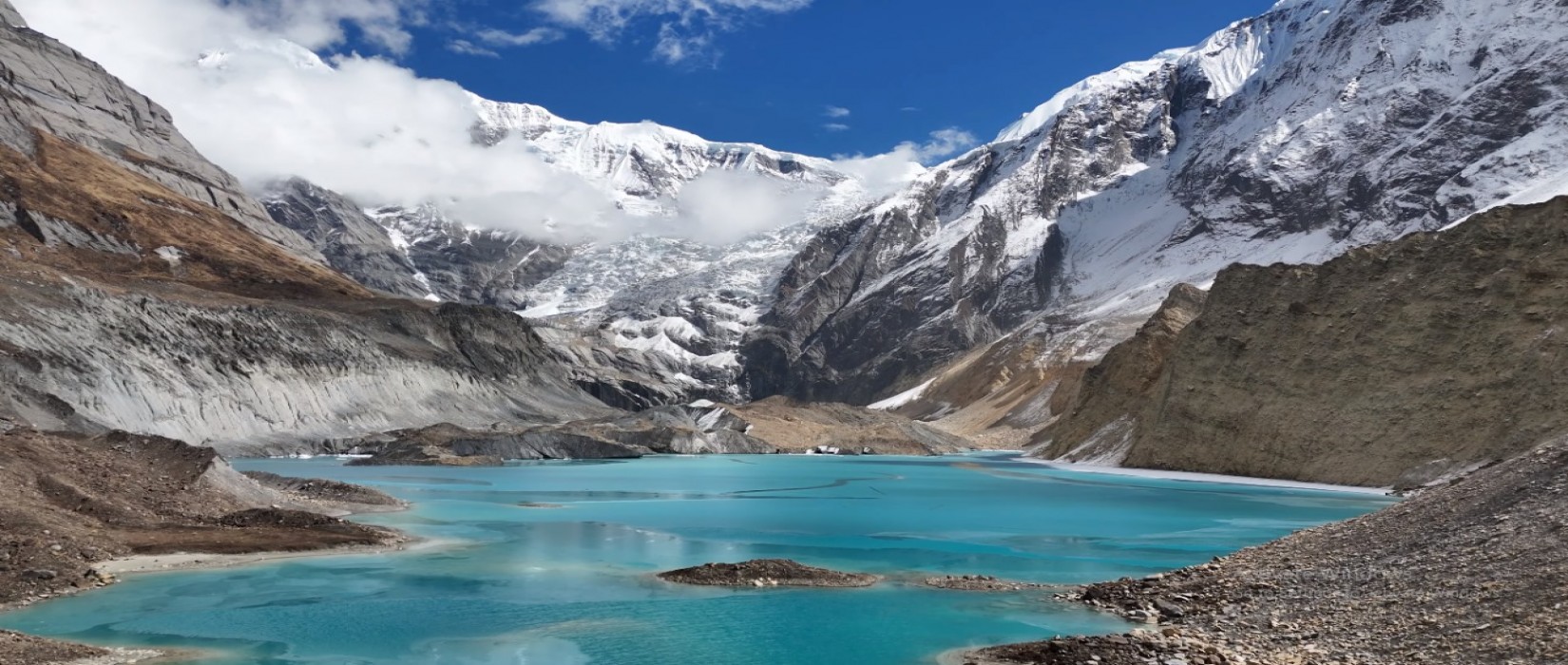
The Annapurna North Base Camp trek was first trekked by Maurice Herzog and his expedition team in their failed attempt to climb the Annapurna, which Herzog himself considered to be the first-ever climb of an 8000-meter mountain. That is why this path is famously called the Maurice Herzog route. The same trail is nowadays opened to trekkers under the name Annapurna North Base Camp Trek, after more than 70 years. Treks bend toward a more secluded encampment set atop the less-trodden way-another route leading close to the towering splendors of Annapurna Himalayas.
They have created wonderlands by pure delight, offering breathtaking views of the Annapurna Himalayas, such as Mt. Annapurna I, Dhaulagiri, and Nilgiri. The pristine view of these lofty snow-laden peaks from an inclusive close range is no less than immense joy. Annapurna North Base Camp is the starting point for the expeditions on Annapurna I, feel the tranquility being in the lap of Mt. Annapurna and blending into that serene ambiance that nurtures you mentally.
Nestled beneath the snow line, the Annapurna North Base Camp is where guests can soak up the majestic display above the green line of tropical forest connecting the snow-covered mountains and lush green hills. The shining white contrast of Himalaya above and shining green forest in contrast below really pulls in trekkers from every corner of the world.
The Annapurna North Base Camp trek is situated in the Annapurna Conservation Area, with rare plant and animal species living and being afforded protection in their natural habitat. Many breathtaking views unveil before you as you cross marvelous mountain ranges, linking bright turquoise rivers, sparkling glaciers, vibrant pastures, and relaxing natural hot springs. Cozy teahouses will provide a resting and refreshing place along the way, while the whole trek is endowed with the aesthetically pleasing sceneries of rhododendron, pine, firs, and bamboo forests, where agricultural terracing climbs steep hills.
Being nestled in the Annapurna Conservation Area, this trekking would also increase the odds of spotting rare animals- red panda, Himalayan munals, snow leopards, musk deer, etc.
The Annapurna North Base Camp Trek connects many small villages in the Annapurna region inhabited by ethnic groups such as Gurung, Magar, Brahmin, and Chhetri living in harmony together, preserving their own culture and traditions. Each ethnic group has its songs, costumes, native foods, and drinks, thus further spreading cultural diversity and enriching the overall appeal of the trek. You will take part in various cultural and traditional programs, wear traditional dresses, and taste local cuisines.
At Graceful Adventure Pvt. Ltd., a renowned adventure travel company based in Kathmandu and Pokhara, Nepal, we are dedicated to providing exceptional experiences, earning the admiration of our clients, and striving to exceed our guests’ expectations. We cordially invite you to join us on our expeditions to explore the magnificence of the Himalayas.
| Season | Kathmandu (1,350m) | Tatopani (1,190m) | Sadhi Kharka (3,180m) | Annapurna I North Base Camp (4,190m) |
| Spring (Mar–May) | Day: 22–28°C Night: 10–14°C | Day: 20–26°C Night: 10–14°C | Day: 8–14°C Night: 2–6°C | Day: -2–5°C Night: -8 to -14°C |
| Summer (Jun–Aug) | Day: 26–32°C Night: 18–22°C | Day: 24–30°C Night: 18–22°C | Day: 10–16°C Night: 5–10°C | Day: 0–6°C Night: -6 to -10°C |
| Autumn (Sep–Nov) | Day: 20–28°C Night: 10–14°C | Day: 18–26°C Night: 10–14°C | Day: 6–12°C Night: 0–4°C | Day: -4–4°C Night: -12 to -18°C |
| Winter (Dec–Feb) | Day: 12–20°C Night: 2–6°C | Day: 10–18°C Night: 4–8°C | Day: -2–6°C Night: -6 to -2°C | Day: -10–0°C Night: -18 to -24°C |
| Fact | Details |
Tour Name | Annapurna I North Base Camp Trek |
Maximum Elevation | 4,190 meters (Base Camp) |
Duration | 12 Days (Kathmandu to Kathmandu) |
Trek Distance | Approx. 80–90 km (round trip) |
Difficulty Level | Moderate to Challenging (due to altitude and remote terrain) |
Best Time to Visit | March–May, September–November |
Accommodation | Hotels in cities, Tents during trek (camping-based adventure) |
Group Size | 2–10 people (ideal for logistics and experience) |
Major Highlights | Remote trails, camping experience, Sadhi Kharka, Annapurna North Base Camp, Himalayan scenery |
| Day | Activity (From–To / Description) | Time (hrs) | Elevation (m/ft) |
| 1 | Arrival in Kathmandu & Transfer to the Hotel | – | 1,350 m / 4,429 ft |
| 2 | Sightseeing around Kathmandu Valley | – | 1,350 m / 4,429 ft |
| 3 | Fly from Kathmandu to Pokhara & transfer to the Hotel | 25 mins (flight) | 822 m / 2,697 ft |
| 4 | Drive from Pokhara to Tatopani by Jeep | 4–5 hrs | 1,190 m / 3,904 ft |
| 5 | Drive from Tatopani to Humkhola and trek to Sadhi Kharka | 4 hrs drive + 3 hrs trek | 3,180 m / 10,433 ft |
| 6 | Trek from Sadhi Kharka to Bhusket Mela | 5–6 hrs | 3,650 m / 11,975 ft |
| 7 | Trek from Bhusket Mela to Annapurna I North Basecamp | 4–5 hrs | 4,190 m / 13,747 ft |
| 8 | Trek from Basecamp to Sadhi Kharka | 5–6 hrs | 3,180 m / 10,433 ft |
| 9 | Trek to Humkhola & Drive to Tatopani | 3 hrs trek + 4 hrs drive | 1,190 m / 3,904 ft |
| 10 | Drive from Tatopani to Pokhara & transfer to the hotel | 4–5 hrs | 822 m / 2,697 ft |
| 11 | Fly from Pokhara to Kathmandu & transfer to the hotel | 25 mins (flight) | 1,350 m / 4,429 ft |
| 12 | Transfer to the International Airport for final departure | – | – |
Your trip begins with your arrival at Tribhuvan International Airport, Kathmandu. After landing, you will be picked up by a representative and transferred to a hotel in the city. This first day has been kept gentle so you can recover from the travel and adjust to the altitude of the Kathmandu valley. The drive through the busy streets gives a glimpse into the rich culture and daily hustle of the capital city.
You can spend the rest of the day settling into your hotel, exploring the nearby streets, or relaxing with a traditional Nepali meal. The atmosphere is a mix of excitement and calm as you prepare for the adventure ahead. Trekking doesn’t take place today; however, the day is a perfect chance to organize gear, meet up with the expedition team, and understand the itinerary.
Activity: Arrive in kathmandu
Meal: Welcome Meal
Accomodation: 4* hotel
This day is dedicated to culture in the Kathmandu Valley. After breakfast, guided city tours will take you to UNESCO World Heritage Sites, including the Swayambhunath (Monkey Temple), the Pashupatinath Temple, the Boudhanath Stupa, and the Patan Durbar Square. Each site truly embodies the spiritual and architectural heritage of Nepal. Old temples and lively streets provide an impression of Nepal’s historic and unique cultural traditions.
An evening briefing about the next day’s flights and logistics usually follows after returning to the hotel. This time might be spent on last-minute packing, making sure permits and documents are in order, and mentally preparing for the flight and drive ahead. This is a day rich in culture and information before entering the Himalayas.
Activity: Explore Kathmandu
Meal: BB
Accomodation: 4* hotel
The early breakfast is followed by a short flight to the lake city Pokhara-a very enchanting place. The views onboard of the Himalayan range on either side of the contrasting blue flight path would be absolutely captivating during the 25-minute-long flight, with Annapurna on one side and Dhaulagiri on the other, all from a bird’s-eye view, if the weather cooperates.
The Pokhara airport welcomes you and transports you to a hotel alongside Lakeside, the tourist settlement in Pokhara. The rest of the day is free for you to stroll along scenic grounds or take a boating trip on Phewa Lake. The less altitude and placid setting will serve as a welcome interlude from the hustle and bustle of Kathmandu. This city is famous for its beautiful wilderness, animated restaurants, and whole-scale views of the mountains.
Activity: Fly to Pokhara
Meal: BB
Accomodation: 4* hotel
Early today, we will leave in an off-road jeep bound for Tatopani; driving takes about 4-5 hours from Pokhara. This rather picturesque road takes you through tranquil little villages and terraced farming areas along the rivers. As the road ascends gently, with occasional glimpses of the changing landscapes, it might get bumpy. It leads you through scenic green terrain, passing by occasional waterfalls. You will reach Tatopani by mid-afternoon, a small village famous for its hot springs.
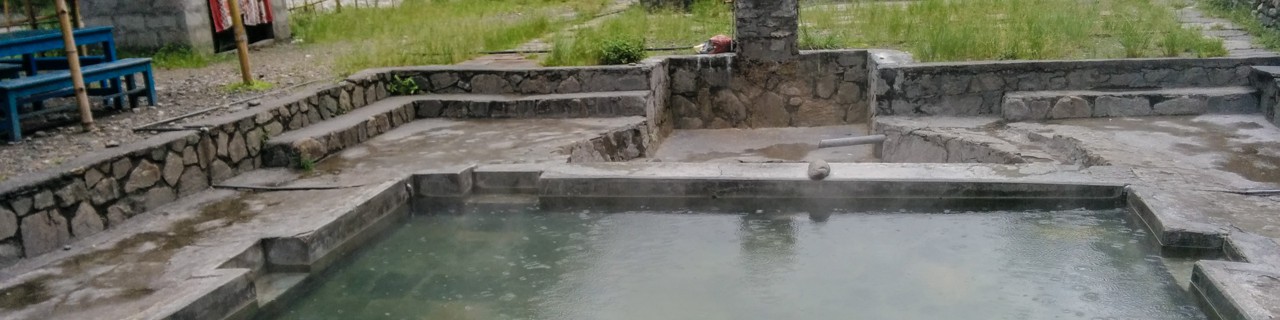
After arriving there, it will be pleasant to relax and dip in the natural hot springs, for which Tatopani is named (meaning “hot water” in Nepali). Relaxation in the springs will take away some of your travel fatigue and is considered to have therapeutic effects. This village is a lovely place to spend the day before heading up to higher elevation. It has a calming atmosphere with flowing water nearby and towering mountains encircling the vicinity, making it a haven for relaxation before the official commencement of trekking.
Activity: Drive to Tatopani
Meal: Breakfast, Lunch & Dinner
Accomodation: Guesthouse
This day is a blend of driving and trekking, with a 4-hour ride starting the day from Tatopani to Humkhola. The road gains altitude into remote areas so that the views and landscapes here are awesome, while above Humkhola the real trekking begins towards Sadhi Kharka, gaining altitude sharply. The hike from Humkhola takes 3 hours, with some sections through forest terrain and rough trails, looking over distant peaks. This is a very serious test for you of endurance-the first one on foot. Sadhi Kharka is an idyllic and gorgeous location surrounded by alpine terrain. With panoramic views, this site provides excellent acclimatization grounds.
The day is filled with acclimatization to higher elevations, meaning a slow pace with san ample time for breaks. By the time you reach the camp, it has begun to feel quite remote. Here, it becomes stunningly clear that now you are far into the Himalayas.
Activity: Drive to Humkhola & trek to Sadhi Kharka
Meal: Breakfast, Lunch & Dinner
Accomodation: Camp
It is the trek from Sadhi Kharka to Bhusket Mela. Approximately 5 to 6 hours are taken for this stretch. It is again a steady climb beyond rocky grounds and alpine meadows. The surroundings are extremely barren with very cold climates and wider views. You might pass yak herders and highland seasonal settlements. The place feels untouched and wild, giving the sense of adventure.
Bhusket Mela is one important pitstop before hitting the base camp. In fact, this name comes from the local fairs that were previously celebrated here. Now it acts only as a grazing ground and camp area. The place is quite open and breezy, hence the view of the cliffs and glacier is super panoramic. Most people feel tired as they gain altitude, with proper hydration and rest being extremely important. One of those unforgettable moments of experience is camping here underneath the stars.
Activity: Trek to Bhusket Mela
Meal: Breakfast, Lunch & Dinner
Accomodation: Camp
The trail to Annapurna I North Base Camp is one of the finest days in trekking, at approximately 4 to 5 hours in duration. The path ups the ante, becoming progressively steeper and more difficult as it winds through glacial moraines and rocky outcrops. Each and every yard toward base camp is accompanied by breathtaking views of Annapurna I and surrounding peaks. The air is pretty thin, so you better take it slowly and carefully.
At base camp, the dramatic setting takes your breath away–literally and by sight. The skyline is dominated by the towering north face of Annapurna I. Base camp is a wide open area surrounded on all four sides by snowfields and jagged rock walls. Climbers and trekkers spend a lot of time here soaking up the scenery, taking pictures, and resting. This is the highest point of the trek, as well as the highlight of the entire journey.
Activity: Trek to Annapurna North Base Camp
Meal: Breakfast, Lunch & Dinner
Accomodation: Camp
After such magnificent views of Annapurna I, you will have to trace back all the way to Sadhi Kharka. It usually takes around 5 to 6 hours and is not too strenuous on the lungs but does toughen the knees. The return to this destination gives you another chance to observe the landscapes that you might have missed on the way up. The trail is still quite remote and serene with very few people along.
Reaching Sadhi Kharka gives the feeling of arriving back home again, while the temperatures warming up is a very welcome change. The campsite here is a nice, comfortable rest after rather intense days at high altitude. The evening is generally relaxed time, where trekkers have time to share and enjoy bonding with one another. This is what’s going to mark the beginning of the downhill journey; a hot meal and good rest.
Activity: Trek to Sadhi kharka
Meal: Breakfast, Lunch & Dinner
Accomodation: Camp
Today starts with a 3-hour gradual trek from Sadhi Kharka to Humkhola. It now seems an easy trail, as your body has adjusted well to trekking. Descending through forests and valleys, you head back to lower elevation. At Humkhola, jeeps will be there for a 4-hour ride to Tatopani, retracing the rough mountain roads you have traveled earlier in your journey.
Arriving back in Tatopani feels like you are back in civilization. You will enjoy warm food, warm beds, and the luxurious hot springs. Most of the trekkers utilize this evening again to soothe their sore muscles in the thermal waters. It is a day for reflection as you depart from the alpine wilderness. The scenery is starting to become familiar to you and much less wild.
Activity: Trek to Humkhola & Drive to Tatopani
Meal: Breakfast, Lunch & Dinner
Accomodation: Guesthouse
This day will be devoted to the scenic drive from Tatopani to Pokhara that lasts for about 4 to 5 hours. As you descend down the hill, the landscapes become greener and warmer. You get to see rural villages, terraced farms, and rivers, moving slowly from rugged terrain into the gentle beauty of Pokhara Valley. This is where the feeling of accomplishment will begin to sink in.
After reaching Pokhara, you will be transferred to your hotel, where the rest of the day is free for you. It is now time to rest, reflect, and enjoy the comforts of city life after some wilderness days. Many trekkers go for a celebratory meal or maybe a massage for their tired bodies. The lakeside ambiance of Pokhara provides a soft cushion after the trek. You can also do souvenir shopping or just chill by the lake looking up at the hills.
Activity: Drive back to Pokhara
Meal: BB
Accomodation: 4* hotel
After breakfast, a short flight of 25 minutes takes you back to Kathmandu. Once again, if the weather permits, the flight is rewarded with beautiful aerial views of the Himalayas. On arrival at the airport, you will be kept in a vehicle, which will take you back to the hotel in the capital. The rest of the day is left open for your personal relaxation or sightseeing and shopping.
This day would mark the nearer end of your adventure, granting you a chance to enjoy Kathmandu lively market and cultural scenes once more. You could visit Thamel for some souvenirs, taste some local cuisines, or just stay relaxed in the hotel. This would be a day for organizing all your travel documents and preparation for the final journey home. Usually, a farewell group dinner with other trekkers is arranged, where you get to relive some memories.
Activity: Fly back to Kathmandu
Meal: BB
Accomodation: 4* hotel
Your final day in Nepal starts with breakfast at the hotel and airport transfer. If time permits, you can stroll around the city and enjoy the morning atmosphere before your departure. Your guide will drop you off at the airport and help you with every airport-related task.
Activity: Fly back home !
If our standard itinerary doesn't fully meet your needs, we are happy to tailor it to your specific preferences and requirements.
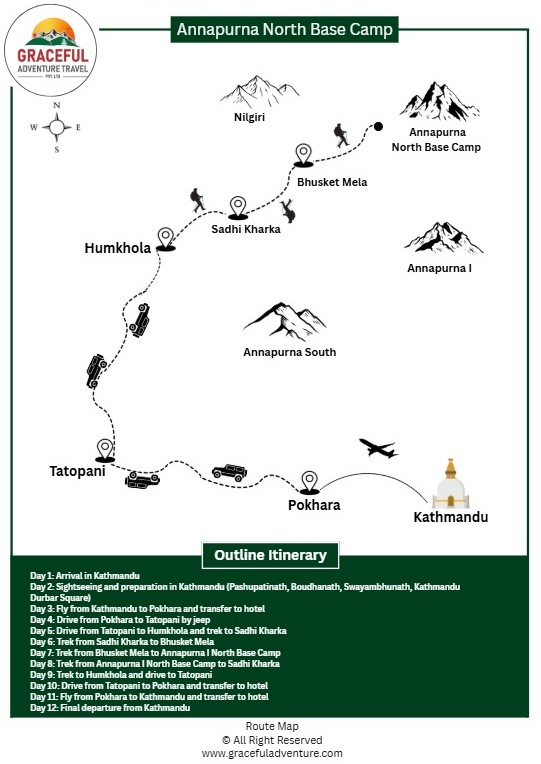
This Annapurna North Base Camp trip starts in Kathmandu, a cultural capital of Nepal and a short flight from Kathmandu takes you to a beautiful lakeside city of Pokhara. Leave Pokhara, your jeep will take you through remote mountain roads around Tatopani and then Humkhola. It is the last point where you can drive further by vehicle.
The real trek starts from here. The trail continues steadily along rugged alpine landscapes to Sadhi Kharka and then climbs further higher to Bhusket Mela which is full of Himalaya. As you ascend, the scenery becomes rugged and powerful, culminating in a breathtaking view of Annapurna I North Base Camp, where you stand face-to-face with one of the tallest peaks in the world.
After immersing yourself in the base camp experience, the route goes back through Sadhi Kharka and Humkhola. Then a jeep ride takes you to Tatopani and Pokhara. Taking a short flight back to Kathmandu completes a perfect loop in the Himalaya.
The Annapurna I North Base Camp Trek is arguably the best opportunity to uncover the secret side of the Annapurnas. Unlike the south circuit along the teahouse trails and tourists, the extreme north corridor going raw, untouched, and avoided by the tourism crowd. The area is filled with silent Magar villages, heavy forests, thundering rivers, and steep valleys, all cut by the ancient glaciers. From lush tropical warmth to alpine solitude, everything is available as the season progresses from lower hills to inside the base camp. Each passing step brings you closer to a savage, beautiful, wild-on-nature experience–it is simply not a trek but an exploration into the heart of the mountains on the part of very few people.
Tatopani (1,190 m / 3,904 ft)
Tatopani is often heralded as the starting line for this remote trek. The famous natural hot springs indeed make it an easy preluding to the adventure. After long hours in the travel, here is a nice soak in healing mineral waters for both body and mind. Local belief has those waters relieving pain and fatigue. There is also the very relaxed atmosphere along the riverside which adds to their calming effect. Modest yet welcoming, the village has some small guesthouses, terraced fields, and extreme vicinity to the calming flow of the Kali Gandaki River. One can hear the constant gurgling sound of water, and the sight of local life unfolding around the springs prove to be soothing and culturally rich. With distant views of green hills and a sense of warmth in the air, Tatopani sets a comforting tone before the more rugged days ahead.
Within the space for rest, Tatopani also marks an important point of linking trekkers and local communities. Usually many long-distance travelers stop by either to stock up here, share moments with villagers, or just hang out waiting to gather their thoughts before heading into more isolated territories. The air temperature is cool here, and the surroundings are still fairly green, both attributes being in heavy contrast to what is yet ahead in the coming higher altitude days. It is also the last chance of enjoying some lower-elevation comforts in the form of fresh vegetables, fruits, and some local dishes before moving higher into alpine territory. In the evenings, these hot springs become a place of laughter and storytelling, with people from all corners of the world sharing stories in the steam. Tatopani promises to be basic but warm-both in terms of temperature and feelings.
Narchyang Village (1,500 m / 4,921 ft)
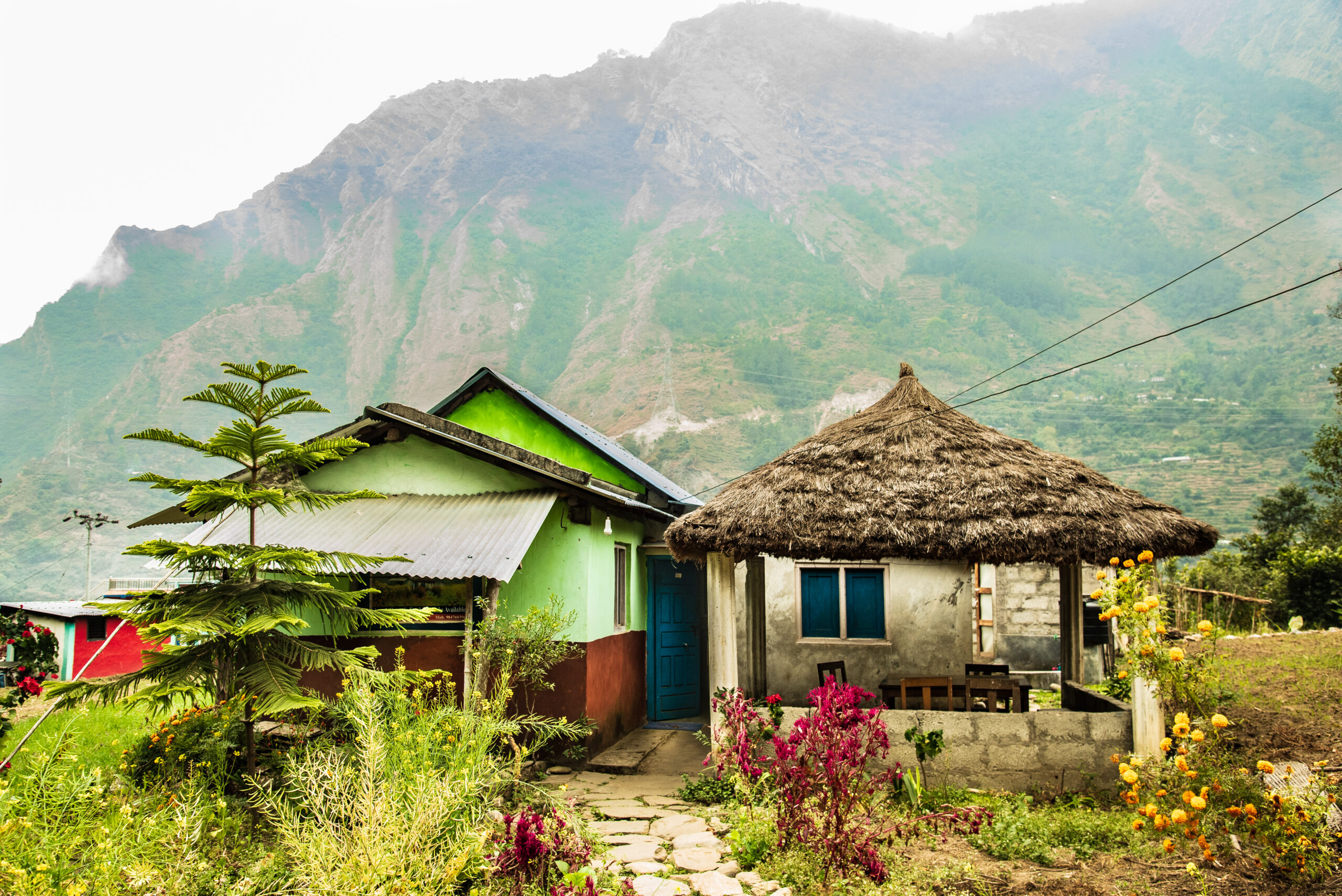
The last village along the way and perhaps the best place to sample the Culture of Magar is Narchyang. It is located in a quiet corner of verdant, cascading waterfalls and terraced fields stretching over the hillsides. Of traditional stone houses dot the valleys, and prayer flags flap in the wind. The people here live a humble, self-sufficient life, often engaged on farming and animal husbandry. As these roll up, the kids wave; the elders greet you with quiet smiles. All these feel deeply human for such a remote region. Against the Nilgiri and Annapurna South backdrop, the entire village listens like a peaceful, pocketed tradition against nature.
Culturally, Narchyang gives the spice and pepper to the trek. It’s a place where the mountains are not merely there as scenery, but are sacred and form part of everyday life. Temples, shrines, and local tales are scattered throughout the village, and many come by to learn of the Magar community’s spiritual beliefs and traditions. Staying here, even for a short time, is an insight into how one lives away from the comfort of cities. The slow pace, the quiet evenings, and the clear mountain views remind the trekkers that they entered a different world. Most refer to Narchyang as a hidden jewel along the trail where hospitality and humility carve an indelible mark before the road takes one again into the wild.
Hum Khola Camp (3,100 m’s / 10,170 ft)
The starting point of this paradisiacal wilderness is Kham Khola Camp. With the raging now powerful cross-country mountain river, here one feels entirely removed from civilization. Thick pines and alpine cascades and folds surround the area, with early morning mists rolling down the cliffs. At night, the sounds are nearly limited to the rushing of the river and an occasional stir of wind in trees. Campsites are furnished in flat forest clearings where trekkers will first expect to feel the cold of altitude. The place is both eerie and lovely—wild yet welcoming. It marks one part of the ghost town where trekkers cross from village landscapes into alpine silence.
It is also natural for this area to host wildlife such as Himalayan monals, langurs, and of course, snow leopards, though sighting them is rare. Air sharpens and the sky opens at night to provide beautiful views of the stars. Hum Khola Camp is perfect for acclimatization and introspection. The ancient sacred forest feels as if every tree stood a silent witness to the travelers passing. One feels both small and alive in such an environment. Meals here are simple but deeply satisfying, cooked over open flames and shared under the open sky. For many, this night at Hum Khola Camp marks the beginning of a deeper relationship with the mountains.
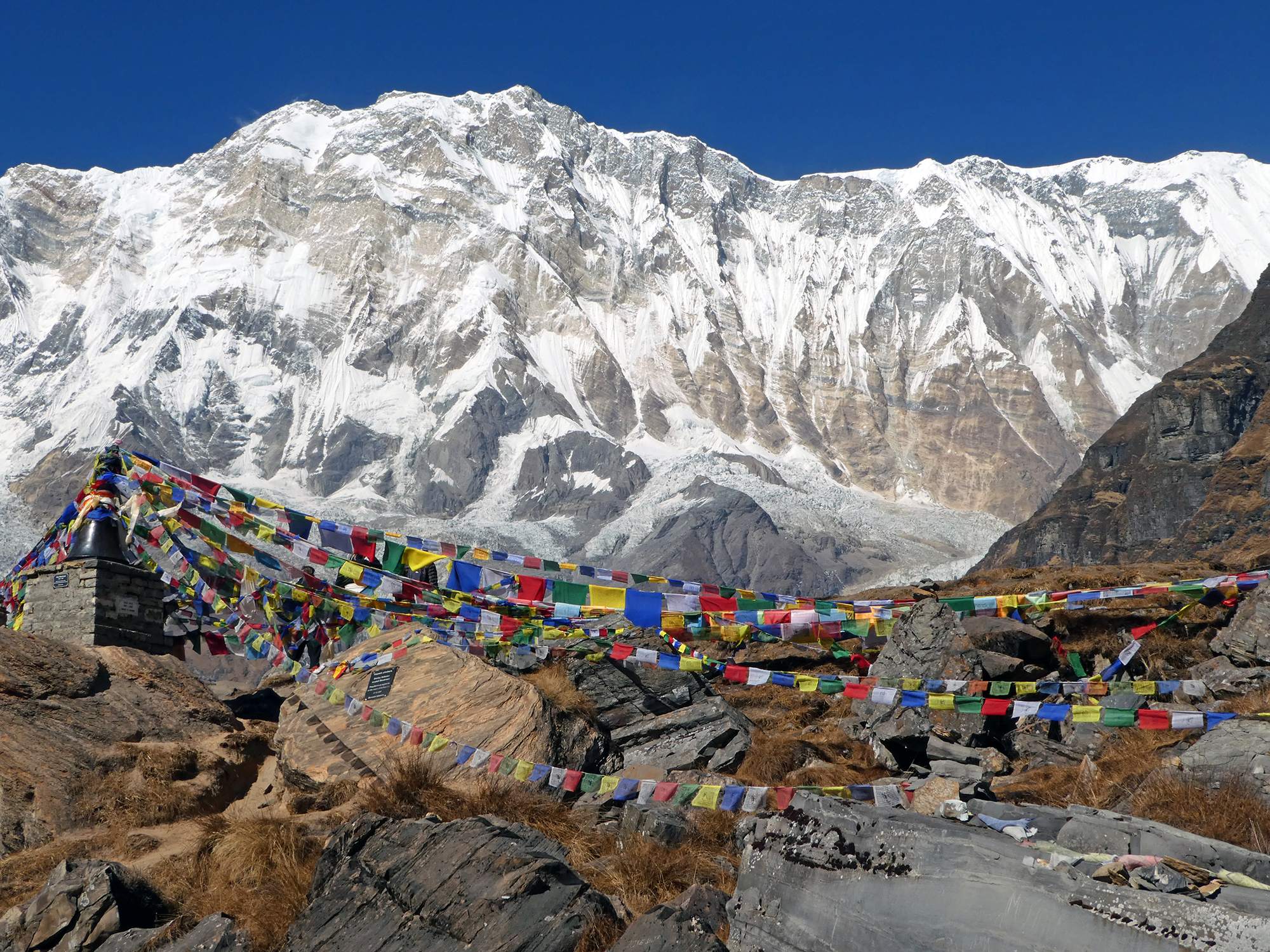
Thulo Bugin (3,200 m / 10,498 ft)
Thulo Bugin is a quiet campsite with breathtaking alpine landscapes. As it opens into wide meadows and glacial valleys with snowlaced peaks in the distance and a river flowing through rocky terrain below, this is where the reach of terrain is suddenly opened up to broad meadows and glacial valleys. Immediately, it feels as if one has stepped into a different world—more exposed, colder, and grander in scale. With the sun rising late and setting early, long shadows spill across the hillsides. Trekkers usually arrive at Thulo Bugin tired, yet at the same time filled with awe as the environment provides about the most apparent scale and silence. Perfect to rest and mentally prepare for the final stretch to base camp.
Nothing but the absence of villages and settlements makes a place lonely. Yak trails and few old shepherds’ shelters are the only obvious indicators of how far one has come in the landscape. It has all the raw and elemental feel, with water supplied from glacial streams. Nights are cold but magical, with starlight shining off snow and rocks. One gradually becomes attuned to one’s body and the surroundings-no invasions, no noise, only the journey. Trekking through this place most often brings trekkers to full realization of the experience, both physically and spiritually. It is not just a stop-a place that humbles you prior to the final stage of the adventure.
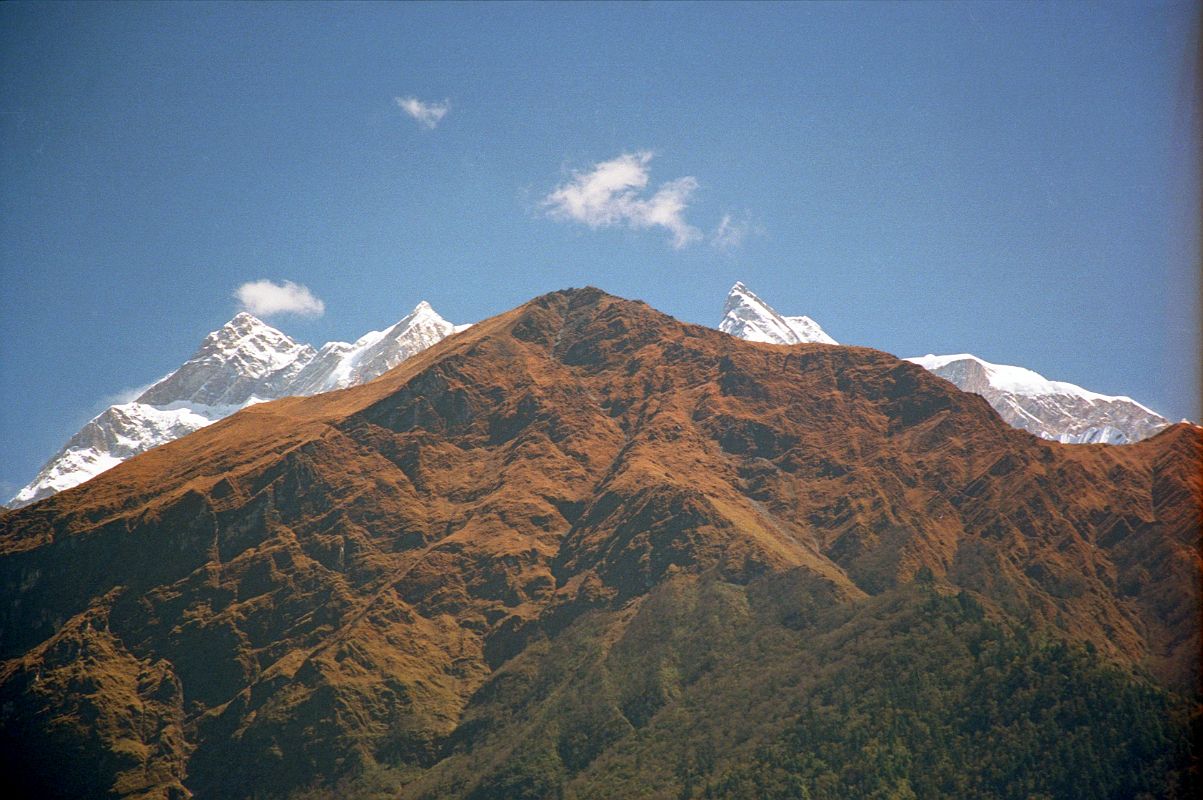
Annapurna I North Base Camp (4,190 m / 13,746 ft)
Arrival at Annapurna I North Base Camp is a spellbinding moment. After endless days trekking over forests, across rivers, or up high meadows, here you stand at the bottom of one of the tallest and deadliest peaks in the world. The camp is nice in a glacial basin among sharp ridges and hanging glaciers. What an impression! One can see steep above it the icy face of Annapurna I glowing in the sun. Very few trekkers arrive at this point, which makes the experience incredibly intimate. The only sounds around are those of wind and the occasional roaring thunder of an avalanche far above.
This base camp is sacred, not only because of its proximity to an 8000-meter giant but also the raw and unadulterated contact with nature, for here is where mountaineering has made its history flanked on all sides by a landscape that has hardly changed for centuries. No bones about it: no buildings, no crowds, just tents and the buzz of life on expedition. The place where one stops to take in the feel and think about what has happened. All that sweat and toil may put you the test to get there, but the payoff is really more emotional, visual, and spiritual. It has, for many, become much more than a destination; it will be a moment, immortalized in the most meaningful memories of one’s life, driving at a milestone of the experience memory.
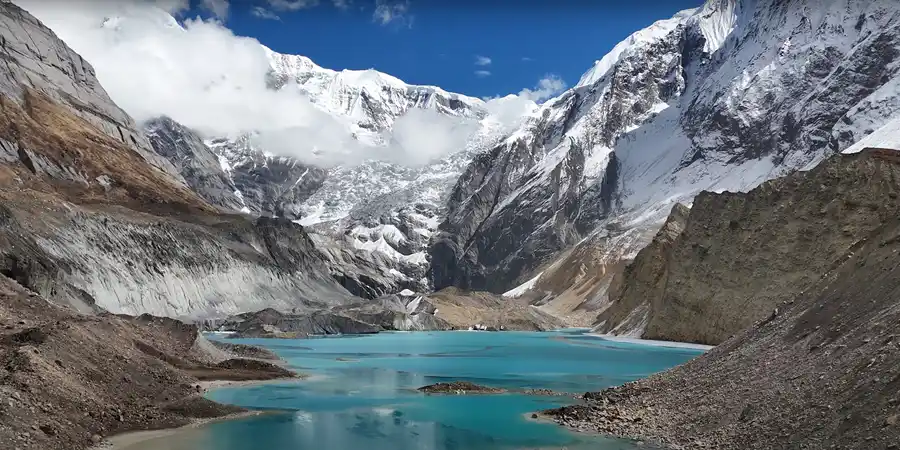
Book the Superlative Time for a Trek: There is no definitive time for trekking in Annapurna North Base Camp. Although it is generally recommended in spring (from March to May) and autumn (from September to November), these months offer the most stable weather, clear skies, and the coolest warm temperature putting trekking conditions at their best. For great views of the Annapurna and Dhaulagiri ranges, crisp mountain air, and colorful earthscape, fine weather at this time would give way with the trails being clearly visible and having less chance for landslides or snow blockage. Moreover, create the perfect ambiance for humidity and beauty, allowing good photography, camping, and interaction with the local culture. Whether rhododendron flowers or golden fields at harvest, nature fulfills its finest colors.
Spring (March to May)
Spring is believed to be one of the best seasons for trekking in Nepal, especially the Annapurna North Base Camp trek, because of the favorable temperature and flourishing environment. The daytime generally remains warmer, while the temperature at higher altitudes remains bearable for trekkers. Hillsides are adorned and bright with blooming color as rhododendrons and other wildflowers from between March through May create the vividness of a trekking experience. In most cases, the sky will be clear and allow direct views on Annapurna I, Machhapuchhre, and surrounding peaks. Wildlife is even more active during this season, and the trail is alive with the sounds and sights of nature. Besides, teahouses and paths are fairly busy, which is a good balance of people and solitude.
Summer/Monsoon (June to August)
Even though this season in Nepal is summer, it is also pure monsoon, making it the worst time to plan your trek to Annapurna North Base Camp. The trails will be covered with sludge, waiting for less land, washouts, and more difficult hiking. They will be covered most of the time with clouds, and even leeches would be much activated at lower regions. Otherwise, the lush green scenery and a smaller crowd of trekkers provide a much quieter trek. For experienced trekkers who are always expecting rainy excursions and love loneliness, this month’s journey should be absolutely worth it. Just bring good rainwear, and have an open mind for your travel plans.
Autumn (September to November)
Regarded as the optimistic peak trekking season in the Annapurna region, autumn generally follows monsoon rains. The air is alive and clear with views of snow-covered Himalayan peaks from any angle of the sky. This deck leaves the weather stable with warm days and cool nights for trekking with comfort and enjoyment. At this time, farmers harvest their crops and all the villages along the trail fall alive with culture during celebrations like Dashain and Tihar. Moreover, the foliage turns golden in lower hills and forms a beautiful contrast with towering mountains. With dry trails and great visibility, this draws many trekkers to travel from the world over visiting at this time.
Winter (December to February)
From a cold perch at the North Base Camp, winter really announces itself in the Annapurna region, especially for the higher elevation trekkers. With the snow blocking many trails, travel higher is more difficult and entails additional gears. But it is offered in this season an unmatched solitude Most trekkers are in fewer numbers much the same magically made by the fully snow-covered landscape. The skies are often crystal clear, which presents some of the best views of the Himalayan ranges. Winter trekking can be a great time for those who are prepared to face the cold and willing to be alone in the world. Careful planning, warm clothing, and flexibility with the chosen route are required during this period.
Meals along the Annapurna North Base Camp trek are focused on providing energy and bringing strength to your legs through varying altitudes. On the way, traditional Nepali meals such as dal bhat (rice and lentils), momos (dumplings), thukpa (noodle soup), and Sherpa stew will be provided in tea houses and lodges. Western food options are jigarian so for really hungry trekkers with wit, a sort of pasta, fried rice, and omelette are also available. Fresher local vegetables and dairy products are sourced from nearby areas, thus maintaining good quality and hygiene.
Just as you will approach higher altitudes, especially at the Base Camp, filling meals will be offered: rice-pulses porridge, mountain pasta, tinned fish, chicken stews, and energy bars. This is to complement the hot drinks provided throughout the day: tea, coffee, hot lemon water, and perhaps broth to keep warm and hydrated while enjoying stunning mountain views.
Accommodation on the Annapurna North Base Camp trek starts in fairly basic tea-houses and lodges, usually with twin or triple wooden bunks, wool blankets, and bare-bulb lighting. Either small charcoal stoves or portable gas heaters are provided for warmth. Shared squat toilets are generally available down the hall. Even with the situation being so basic, lodges take pride in their cleanliness, fresh linens, and sometimes even hot water boiled over wood fires. We provide High-class accommodation of four-star hotel of Kathmandu, Guesthouse/Tent for this trek is warm and welcoming.
In the Base Camp proper, climbers sleep in expedition tents pitched on rocky ground. You will have your own tent for two persons, which comes with a foam mattress and sleeping bag. Sometimes an electric blanket is available, run off a generator. The mess tent itself is equipped with solar charging lights and charging ports, making sure to keep you warm and cozy after a long day of trekking and climbing.
Your travel starts from Kathmandu by private car (jeep or minibus) to Besisahar, a seven-to-eight-hour ride on a picturesque road with views of terraced hills. A second jeep from Besisahar takes you to the trailhead at Koto, where the trek starts. Smaller groups may utilize a private jeep on this portion, while larger groups may share a minibus depending on the group size.
From Koto on, the trek is done on foot, with porters or pack animals carrying most of the gear. Helicopters may be called in between the high-altitude sections occasionally to help those wanting to skip some of the most demanding parts, or, in emergencies, for the ill or injured. Road- or foot- or helicopter-and-balancing safety, comfort, and adventure, that’s the idea behind transportation.
Annapurna Conservation Area Permit (ACAP)
Trekking Information Management System (TIMS) Card
Graceful Adventure Travels Pvt. Ltd. is a highly reputable and renowned adventure travel company, registered and based in the beautiful country, Nepal. We specialize in offering exceptional tour & trekking packages to guests from all over the world, who seek to explore the awe-inspiring Himalayas.
At Graceful Adventure Travels, we are committed to excellence in all aspects of our work. Our primary goal is to ensure that our guests have a safe and unforgettable adventure, which is why we have earned a reputation for providing an exceptional level of service. Our team is composed of experienced and hardworking guides, assistant guides, and porters who are passionate about ensuring that our guests have an enjoyable and unforgettable experience. We take pride in offering a range of services and facilities that are designed to enhance the overall trekking experience, making it both fun and adventurous. We are dedicated to meeting the needs and expectations of our valued guests, and we go above and beyond to ensure that their journey is a success. From the moment they arrive in Nepal until the end of their trek, we spare no effort in providing personalized attention, exceptional service, and genuine care.
At Graceful Adventure Travels, we are committed to upholding the highest standards in the adventure travel industry. Our mission is to provide a safe, enjoyable, and unforgettable experience that creates memories that last a lifetime.
Most itineraries do 10-12 days going to and fro from Kathmandu. Flight to Pokhara, then jeep into Tatopani, trek up through Sadhi Kharka and Bhusket Mela to get to and back from the North Base Camp. Stages are 3-6 hours of trekking or driving, covering roughly 80-90 km round-trip.
Difficult. Not much technical climbing is involved, but there are steep inclines, altitude-as high as 4,190 m-and days spent camping on the moraine, which all require good fitness, steady pace, and previous trekking or hiking experience.
Spring is from March to May and autumn is from September to November. Both these seasons exhibit the most stable weather, clear mountain views, and moderate temperature. Winter brings deep cold with trails getting blocked by snow. The summer season is full of monsoon rain, making the trails slippery.
One must carry Annapurna Conservation Area Permit (ACAP) and Trekker Information Management System (TIMS) for trekking. The cost of ACAP is approximately 3000 NPR for foreigners and 1000 NPR for SAARC nations. The TIMS card costs 1,000 NPR for independent trekkers and 500 NPR for organized trekkers.
It is not that you can’t trek independently, but it is better to have this safety and facilitation. The guide knows the way through places and can provide local knowledge that can even save one’s life in an emergency. The porter would carry around 20 kg of your luggage, making the trek much more comfortable.
Annapurna North Base Camp is located at an altitude of 4,190 m (13,747 ft). At such heights, there are possibilities of symptoms of altitude sickness, so acclimatization and hydration should be sufficient.
Moderately challenging trek and demands a good fitness condition. It can be traversed by beginners with some trekking experience or in relatively good condition. However, conditioning before the journey should be maximized for tackling steep ascents and ridiculously long trekking days.
Accommodation along the Annapurna North Base Camp trek will be available in tea houses and in lodges. These are basic yet comfortable with two single beds, a common outside toilet, and a common dining area. Those going higher up will find the facilities even more basic.
On the trek, the menu comprises local Nepali food such as dal bhat (rice and lentils), thukpa (noodle soup), momos (dumplings), and Sherpa stew. Western food such as pasta, fried rice, and pancakes is also available. Food becomes generally simple and healthy at higher altitude levels as it is meant to keep trekkers energized.
Good trekking boots; warm clothing (layers); sleeping bag; rain jacket; head torch; sunscreen; bottles of water; and first aid kit are necessary. It is also advisable to pack the essentials.
US$ 1440
Price starts
US$ 1440

