Registration No.:
137081/072/073


Kathmandu Gorkha Pokhara including Australian Camp Day Hike Educational Tour


Trip Difficulty
Moderate

Max. Altitude
2,060m./6,759ft.

Meal
BB & BLD

Accommodation
4 star hotel, Lodges & guesthouses

Trip Duration
10 Days

Group Size
2-12 People

Trip Highlights
- Thamel, Kathmandu – Observe crowded roads, local bazaars, and crafts; observe city life and tourism trends.
- Boudhanath Stupa – Observe Buddhist practices, prayer wheels, and Tibetan customs; study meditation and symbolism.
- Pashupatinath Temple – Observe Hindu practices and cremations along Bagmati River; study temple architecture and religious practices.
- Patan Durbar Square – Find ancient palaces, temples, and workshops; view Newari art, architecture, and heritage.
- Bhaktapur Durbar Square – Walk through cobbled streets and pottery workshops; view medieval town life and traditional crafts.
- Gorkha Durbar – View the hilltop palace; find out about Nepal’s unification and enjoy panoramic valley views.
- Phewa Lake, Pokhara – Boat ride in lake and visit Tal Barahi Temple; study aquatic ecosystems and livelihoods of local people.
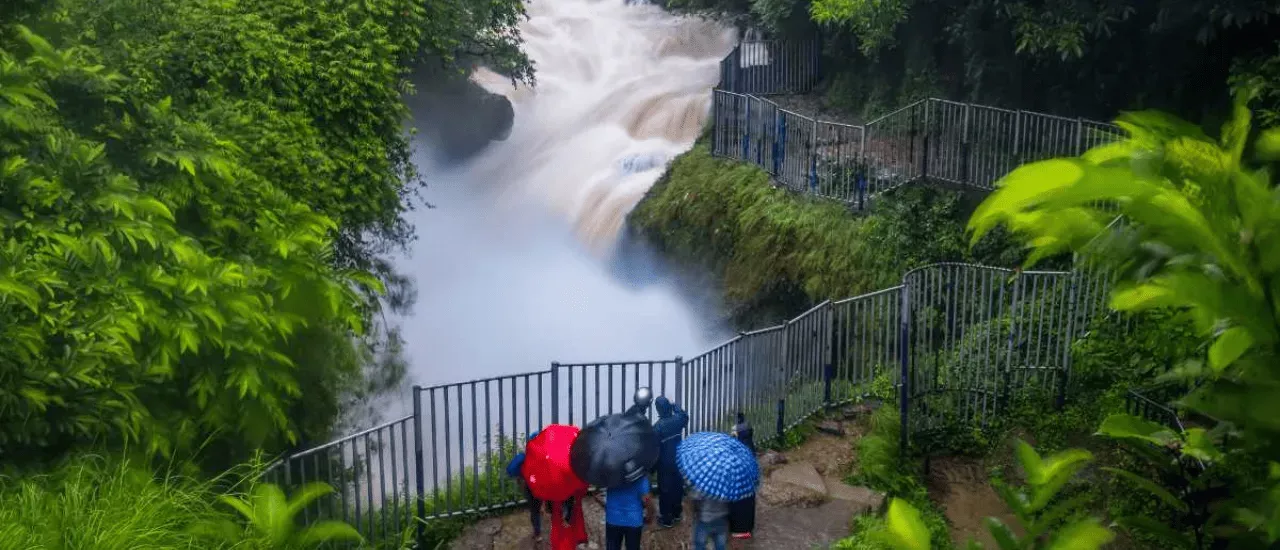
- Davis Falls – Observe waterfall and underground tunnel; study geology, erosion, and local legends.
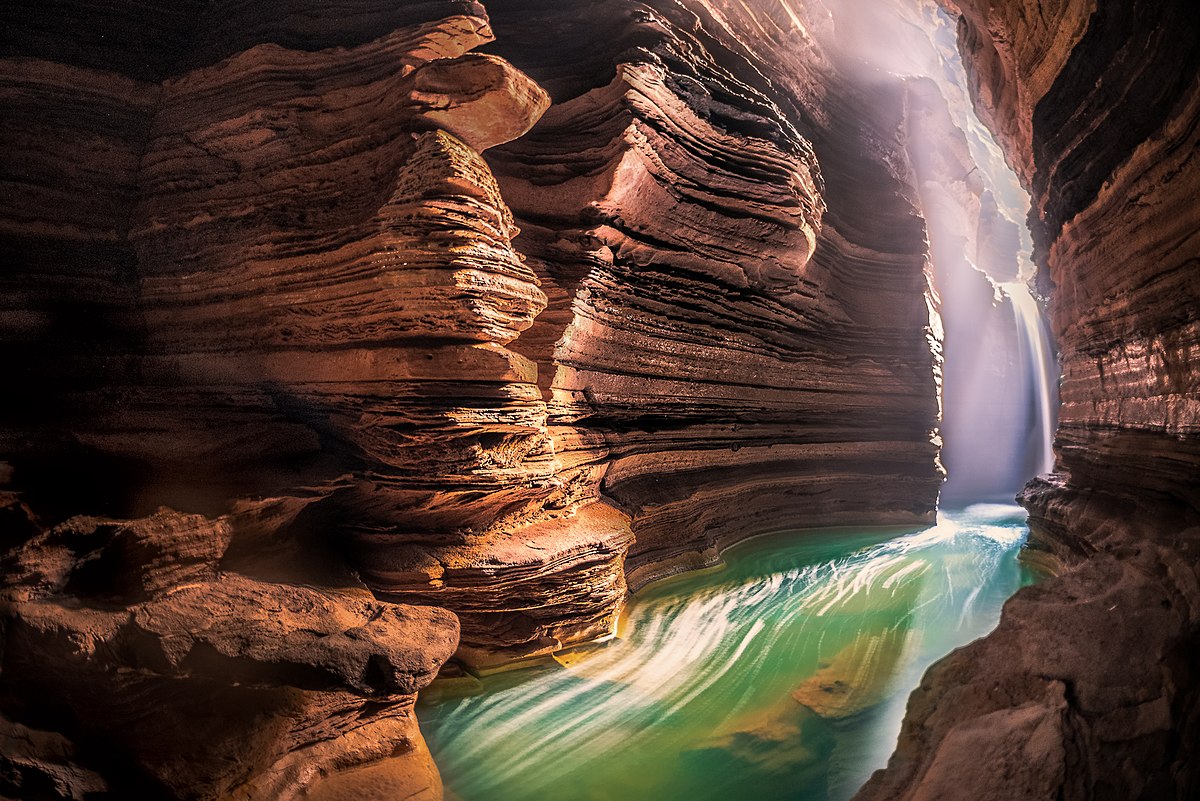
- Gupteshwor Cave – Observe limestone formations and Shiva Lingam; study sacred geography and religious legends.
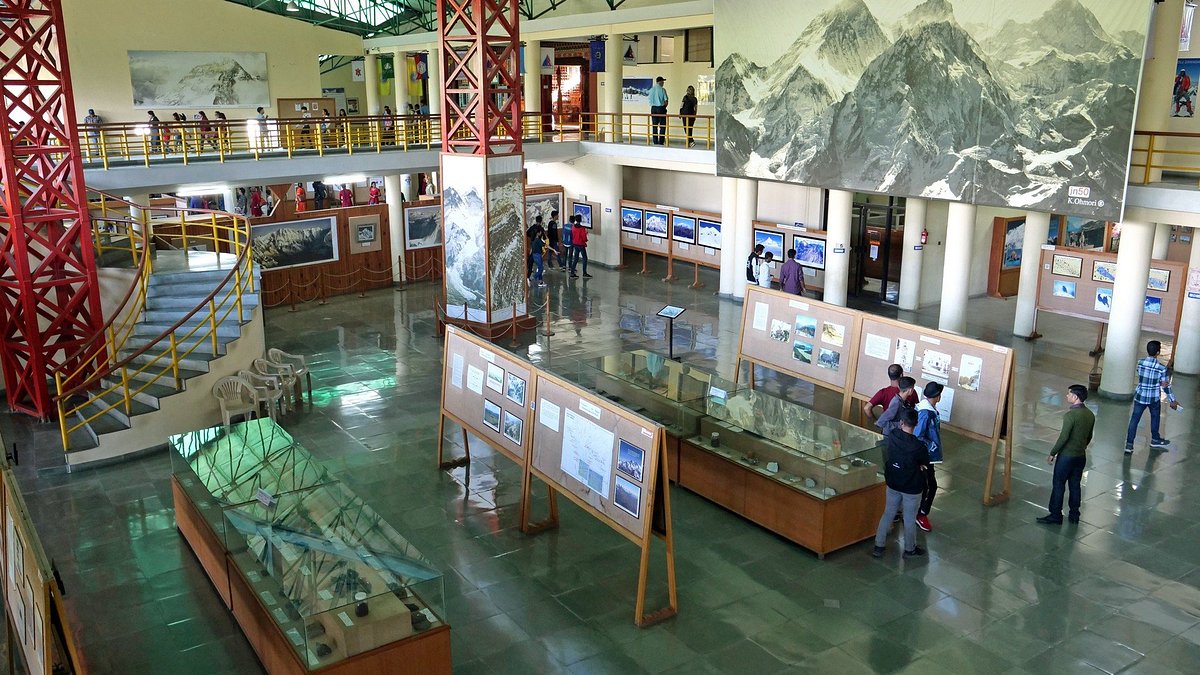
- International Mountain Museum – Learn about Himalayan exhibits and mountaineering artifacts; study ecology, climate, and mountain society.
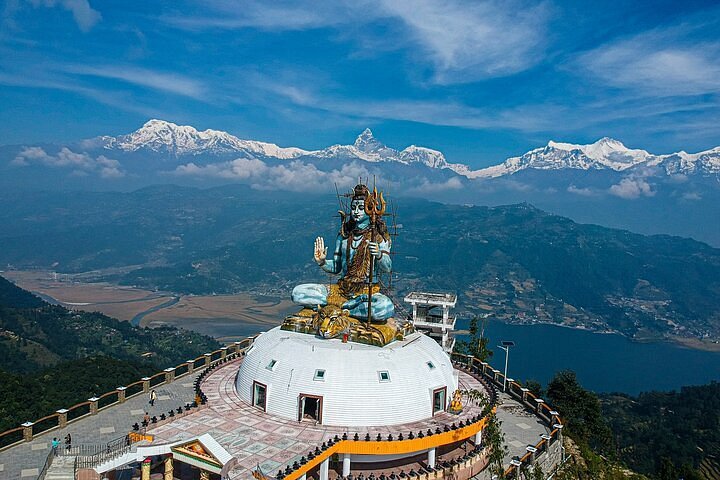
- Shiva Statue, Pokhara – See giant statue and city surrounding it; study Hindu symbolism and architecture.
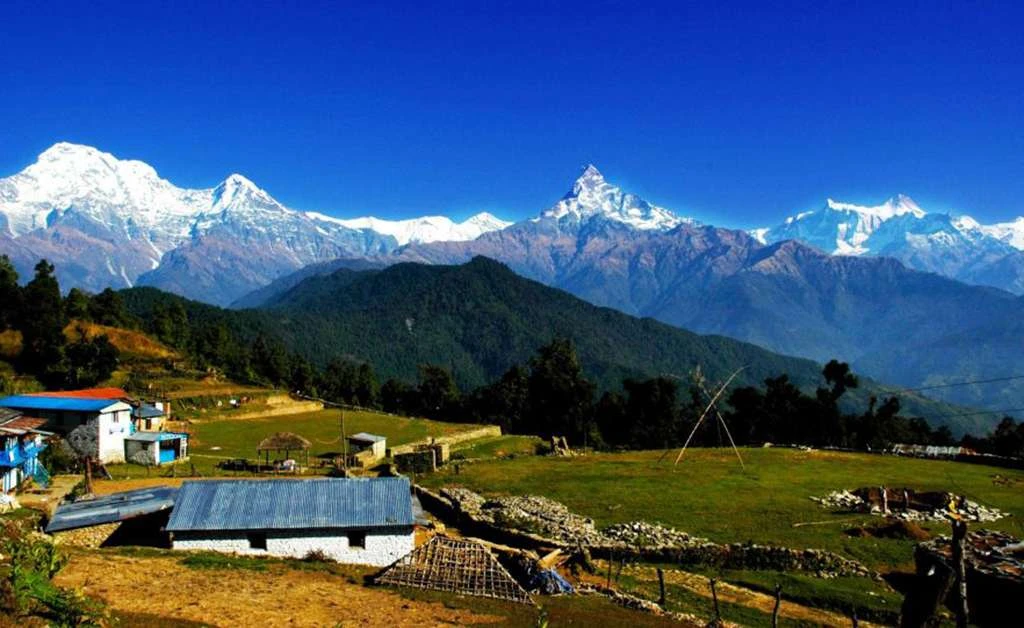
- Sarangkot Sunrise – See sunrise over Annapurna and Machhapuchhre; learn about mountain ecology and geography.
Introduction of Kathmandu Gorkha Pokhara including Australian Camp Day Hike Educational Tour
Discover Nepal’s diverse cultural heritage, natural beauty, and adventure through a customized student study tour package to Kathmandu, Gorkha, Pokhara, and Australian Camp day Hike Educational Tour. The tour provides students with an equal balance of history, spirituality, geography, ecology, and experiential cultural experience, and therefore one of the most integrated study tours to Nepal. It suits student groups who like making connection between on-the-spot observation and classroom study as well as experiential education.
The journey starts in the bustling capital city and cultural hub of Nepal, Kathmandu. Students walk through the busy streets of Thamel and witness old shops, local art and crafts, and urban Nepalese lifestyles. The tour includes famous UNESCO World Heritage Sites like Boudhanath Stupa, a Tibetan Buddhist complex, and Pashupatinath Temple, Nepal’s most sacred Hindu temple. Religious rituals, architectural influences, and spiritual practices are acquired by the students, and they attain a vast knowledge of Nepal’s multi-religious landscape. arNewi craft, medieval city design, and traditional paintings are acquired by the students through Patan Durbar Square and Bhaktapur Durbar Square, imparting lessons on history, architecture, and cultural heritage.
The tour then travels west of Kathmandu to Gorkha, the birthplace of Nepal’s unification. Students go to Gorkha Durbar, a hilltop which has phenomenal views of the surrounding valleys. Students study the life of Prithvi Narayan Shah, who unified Nepal, and discuss the strategic importance of Gorkha in Nepalese history. The rural scenic drive along villages, rice paddies, and streams along the way from Kathmandu to Gorkha gives experiential knowledge of Nepalese rural life. Relaxation is facilitated by a guesthouse stay, complemented with cultural immersion and increased knowledge of rural culture.
The tour continues following the direction to Pokhara, which is the tourism and adventure hub of Nepal. Students here visit serene Phewa Lake, take boat rides, and observe the ecosystem and livelihood system. Davis Falls stop provides lessons in geology and hydrology, while Gupteshwor Cave acclimatizes them to holy geography and Nepali mythology. The International Mountain Museum provides lessons on Himalayan geology, history of mountaineering, climate, flora and fauna, and hill people’s lifestyle. The Shiva Statue, gigantic in size, acquaints the students with Hindu symbolism, construction technology, and panoramic views of Pokhara city and Annapurna massif.
The highlight activity of the tour is the day trek from Kande to Australian Camp and Dhampus, where students climb terraced fields, forest, and village. They learn Nepalese rural agriculture, village culture, and conservation of environment under panoramic vistas of the mountain landscapes. The students also enjoy a village cultural programme arranged by villagers, watching Nepalese traditional dances, music, and customs. The participatory activity in such an environment promotes learning of Nepalese way of life, culture, and sustainability principles within a site-based learning process.
Throughout, accommodation is carefully planned: there are 4-star hotel bed and breakfast convenience in Pokhara and Kathmandu, a luxurious bungalow in Gorkha with cultural exchange and modern convenience, and tea houses in Australian Camp and Dhampus for nature mountain experience. There are mixed meals of Nepali, Indian, European, and American food, and lunches and dinners consumed at restaurants or guest houses to provide sustenance as well as cultural experience.
Transportation is also provided for the entire group, using private transport vehicles such as cars, Toyota Hiace vans, Coaster minibuses, and tourist buses depending on the number of people. They are all air-conditioned or equipped with heaters, seat belts, luggage space, and mineral water for all the students every day. Safe transports with professional drivers, the students get to experience Nepal’s diverse landscapes and rural villages and turn transport time into learning time.
This Nepal Educational Tour Package provided by Graceful Adventure Travel is the perfect blend of culture, history, nature, adventure, and learning. The students get to experience Nepalese spirituality, architecture, ecology, countryside life, and adventure tourism, making this tour perfect for off-the-classroom experiential education. This tour is made safe, educational, and memorable by English-speaking, government-licensed guides, smooth logistics, and interactive activities. It is Nepal’s finest student study tour with learning, exploration, and cultural immersion built into a researched and fun program.
Tour Temperature
| Season | Kathmandu (1,350m) | Gorkha (1,135m) | Pokhara (822m) | Australian Camp(2060m) |
| Spring (Mar–May) | Day: 22–28°C
Night: 10–14°C |
Day: 20–26°C
Night: 12–16°C |
Day: 25–32°C
Night: 15–20°C |
Day: 16–22°C
Night: 8–12°C |
| Summer (Jun–Aug) | Day: 26–32°C
Night: 18–22°C |
Day: 24–30°C
Night: 18–22°C |
Day: 26–33°C
Night: 20–24°C |
Day: 18–24°C
Night: 10–14°C |
| Autumn (Sep–Nov) | Day: 20–28°C
Night: 10–14°C |
Day: 18–26°C
Night: 12–16°C |
Day: 23–30°C
Night: 14–18°C |
Day: 12–20°C
Night: 6–10°C |
| Winter (Dec–Feb) | Day: 12–20°C
Night: 2–6°C |
Day: 10–18°C
Night: 4–8°C |
Day: 15–23°C
Night: 7–12°C |
Day: 6–14°C
Night: 0–4°C |
Tour Facts
| Fact | Details |
|
Tour Name |
Kathmandu–Gorkha–Pokhara with Australian Camp Day Hike Educational Tour |
|
Maximum Elevation |
~2,060 m (Australian Camp/Dhampus) |
|
Duration |
10 Days (Kathmandu to Kathmandu) |
|
Tour Distance |
Approx. 750–850 km (driving + short treks) |
|
Difficulty Level |
Easy to Moderate (light trekking & hikes, cultural immersion, adventure activities) |
|
Best Time to Visit |
March–May, September–November |
|
Accommodation |
3–4 star hotels, resorts, and local lodges |
|
Group Size |
2–12 people (ideal for student groups) |
|
Major Highlights |
Kathmandu heritage sites, Gorkha Durbar, Pokhara city & lake, Sarangkot sunrise, Australian Camp hike, adventure sports, cultural immersion |
Outline Itinerary
| Day | Activity (From–To / Description) | Time (hrs) | Elevation (m/ft) |
| 1 | Arrival in Kathmandu – Evening city tour in Thamel | – | 1,350 m / 4,429 ft |
| 2 | Full-day Kathmandu city tour (Boudhanath, Pashupatinath, Patan, Bhaktapur) | Full day | 1,350 m / 4,429 ft |
| 3 | Drive to Gorkha – Explore Gorkha Durbar | 5–6 hrs drive | 1,135 m / 3,724 ft |
| 4 | Drive from Gorkha to Pokhara – Evening free at Lakeside | 4–5 hrs drive | 822 m / 2,697 ft |
| 5 | Pokhara city tour (Boating, Davis Falls, Gupteshwor Cave, Mountain Museum, Shiva Statue) | Full day | 822 m / 2,697 ft |
| 6 | Sunrise at Sarangkot – Day hike to Australian Camp & Dhampus – Cultural program | 5–6 hrs hike | 2,000 m / 6,562 ft |
| 7 | Trek back to Phedi – Transfer to Pokhara – Free day | 3–4 hrs trek | 822 m / 2,697 ft |
| 8 | Adventure day in Pokhara (paragliding, zipline, ultralight, etc.) | Half/Full day | 822 m / 2,697 ft |
| 9 | Drive back to Kathmandu – Evening free time | 6–7 hrs drive | 1,350 m / 4,429 ft |
| 10 | Departure – Transfer to Tribhuvan International Airport | – | – |
Kathmandu Gorkha Pokhara including Australian Camp Day Hike Educational Tour Detail Itinerary
1
Day 1: Arrival in Kathmandu – Evening City Tour in Thamel
On your arrival at Tribhuvan International Airport, you will be met and transferred to your Kathmandu hotel. After checking in, the rest of the evening is spent touring around Thamel, Kathmandu’s popular tourist area.
Students experience the congested streets, ancient shops, handicrafts, and eating joints, with an initial glimpse of Nepalese city life and culture. This initial night of stay also acclimatizes students and prepares them for the learning process to come. Spend overnight in Kathmandu.
Activity: Arrive in Kathmandu
Meal: Welcome Meal
Accomodation: 4 star hotel
2
Day 2: Kathmandu City Tour – Boudhanath, Pashupatinath, Patan and Bhaktapur
It is a do-or-die culture and history day to be experienced by students for seeing the Nepalese heritage and spirituality. The day begins at Boudhanath Stupa, a world-famous largest Buddhist stupa. Tibetan monks performing rituals, locals rotating prayer wheels, and symbolic structures mirroring Buddhist philosophy are seen. One learns about the techniques of meditation, symbolism, and Tibetan supremacy over Nepal and hence a must-see for a Nepal study tour.
The group later proceeds to the Pashupatinath Temple, Nepal’s holiest Hindu temple, which lies on the banks of the Bagmati River. Here, students are exposed to ancient religious practices, cremation rites, and pilgrim devotion. The experience provides the students with exposure to Hindu religion, life cycle rituals, and values, thus offering an inside look at South Asian religions. The tour is then taken to Patan Durbar Square, renowned for its stunning Newari architecture, ancient palaces, and nicely carved temples. The students will be able to learn about the art, sculpture, and city planning of medieval city, an insight into Nepalese history, administration, and traditional crafts.
The final destination of visit is Bhaktapur Durbar Square, a living museum of medieval urban civilization in its courtyards, temples, pot-making workshops, and craft bazaar. The students are able to interact with the craftsmen, observe the traditional practice, and understand how the local communities preserve their traditions. This is a day of religious studies, history, art, and culture and therefore is one of the most suitable days for the students in this study tour package.
Activity: Explore Kathmandu, Patan & Bhaktapur heritage sites
Meal: BB
Accomodation: 4 star hotel
3
Day 3: Drive from Kathmandu to Gorkha – Explore Gorkha
The group drives west to Gorkha, the former kingdom of old Prithvi Narayan Shah, the unifier of Nepal, after breakfast. On the way, students catch a glimpse of Nepalese rural life as they pass through rural landscapes, field terraces, and villages.
On reaching Gorkha, the group can go to Gorkha Durbar, a hill palace which overlo Olks and Kali Gandaki valley. The excursion acquaints the pupils with the history of Nepal, the royal family, and the part played by Gorkha in the unification of Nepal. Overnight at Gorkha.
Activity: Drive to Gorkha & Explore Gorkha
Meal: BB
Accomodation: 4 star hotel
4
Day 4: Gorkha to Pokhara – Evening Free Time at Lakeside
The ride from Gorkha to Pokhara is scenic with views of rivers, hills, and typical villages in between. Check in and rest at hotel on the lakeshore of Phewa Lake. The day is open for the students to stroll around the lakeshore, study life, and capture the serene lake view with reflections of the Annapurna range. It is also ideal time for photography and self-study of the tourism and local economy. Overnight stay in Pokhara.
Activity: Drive to Pokhara & Explore Lakeside in Evening
Meal: BB
Accomodation: 4 star hotel
5
Day 5: Pokhara City Tour – Boating, Davis Falls, Gupteshwor Cave, International Mountain Museum, and Shiva Statue
The tour for the day includes Pokhara’s nature, adventure, and cultural learning, a multi-disciplinary learning experience for students. The tour begins with boating at Phewa Lake, in which students learn about aquatic ecosystems, fishing by local people, and visiting the Tal Barahi Temple in the lake island. The serene environment provides the opportunity for students to reinforce environmental studies in the backdrop of the picturesque Annapurna range.
Following the boating, the group visits Davis Falls, a unique waterfall that directly drops into a subterranean passage. Students are taught natural science, erosion, and river systems from this geological formation. There is also Gupteshwor Mahadev Cave, which is a religious cave with a Shiva Lingam inside, where students learn religious faith, myths, and sacred geography significance in Buddhism in the local community.
The International Mountain Museum is a student learning treasure with Himalayan geology, mountaineering history, climate, vegetation and wildlife, and mountain people’s way of life on exhibit. Students can participate in interactive learning, photographing, and note-taking with connections to the classroom lessons in reality. The excursion ends with a visit to the Shiva Statue, which is one of Nepal’s tallest statues, offering panoramic views of Pokhara city and nearby mountains and teaching students about Hindu symbolism and architectural prowess.
This day is ideal for a Nepal study tour package because it consists of nature, culture, science, and experience learning that gives students a complete idea of Pokhara as a study and tourist destination.
Activity: Explore Pokhara City
Meal: BB
Accomodation: 4 star hotel
6
Day 6: Sunrise at Sarangkot – Day Hike to Australian Camp & Dhampus
A pre-dawn visit to Sarangkot will allow the students to experience a breathtaking sunrise over the Himalayas, such as Annapurna, Dhaulagiri, and Machhapuchhre (Fishtail Mountain). After breakfast, the group has a day’s trek from Kande to Australian Camp and Dhampus along forests, villages, and rice terraces.
Students observe village life, farming, and conservation. Evening there is a local culture show by the locals themselves, which is an interactive session to know about local dance, music, and culture. Overnight in Dhampus.
Activity: Sunrise at Sarangkot & Hike to Australian Camp
Meal: BB
Accomodation: Lodges/Guesthouse
7
Day 7: Trek Back to Phedi – Free Day in Pokhara
After breakfast, students trek back to Phedi and are driven to Pokhara. There is a free day to relax or walk around the lakeside freely. The rest day gives time for students to solidify environmental and cultural learnings from the trek, take photographs, or prepare notes for presentations. Overnight in Pokhara.
Activity: Trek to Phedi & Back to Pokhara
Meal: BB
Accomodation: 4 star hotel
8
Day 8: Adventure Day in Pokhara
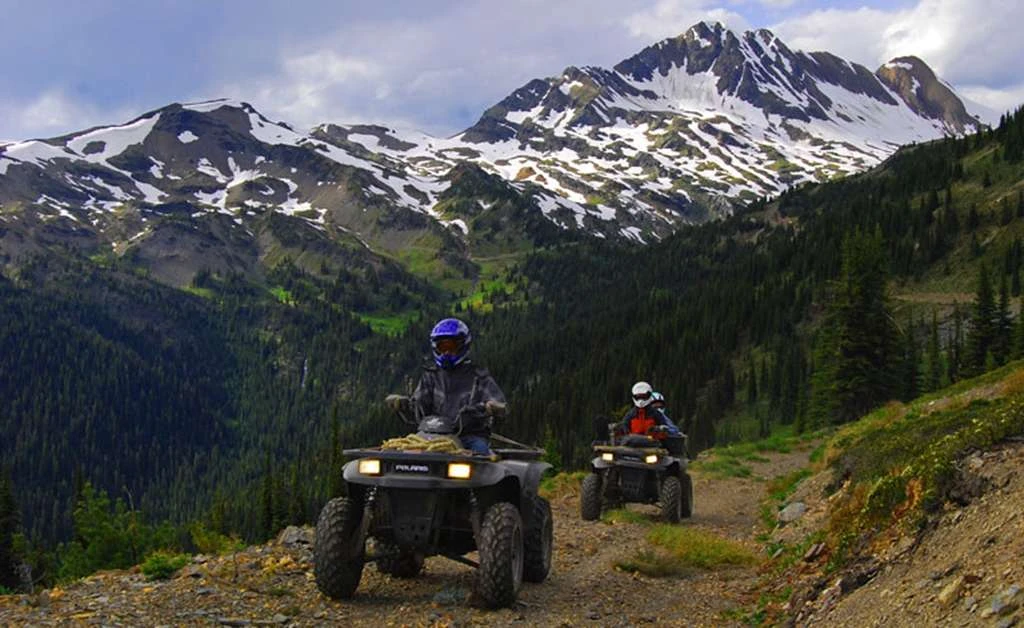
Day is left free for optional adventure sports activities and therefore a bit of an adventurous part of the Nepal tour for the students. Paragliding, ziplining, bungee jumping, ultralight flights, and ATV rides are some of the experiences possible.
These activities, other than providing adrenalin high, also introduce students to adventure tourism, safety protocols, and ecotourism projects in Nepal. The students may select activities of their choice, and thus it will be an experience based on interest. Stay overnight in Pokhara.
Activity: Adventure Activities in Pokhara
Meal: BB
Accomodation: 4 star hotel
9
Day 9: Drive Back to Kathmandu
After breakfast, the team returns to Kathmandu. The panoramic drive provides the students with last opportunities to view rural life, rivers, and the hills of western Nepal. Upon arrival, participants can unwind with some free time to take final photographs or shop, or celebrate the learning accomplishments of the trip. Overnight in Kathmandu.
Activity: Drive back to Kathmandu
Meal: BB
Accomodation: 4 star hotel
10
Day 10: Departure from Kathmandu
After breakfast, the students are brought to Tribhuvan International Airport for further continuation by air. The tour concludes with enriching cultural, historical, natural, and adventurous experiences and is therefore one of the best student tour packages in Nepal.
Activity: Fly back sweet home!
If our standard itinerary doesn't fully meet your needs, we are happy to tailor it to your specific preferences and requirements.
Kathmandu Gorkha Pokhara including Australian Camp Day Hike Educational Tour - Trip Information
1. Thamel, Kathmandu
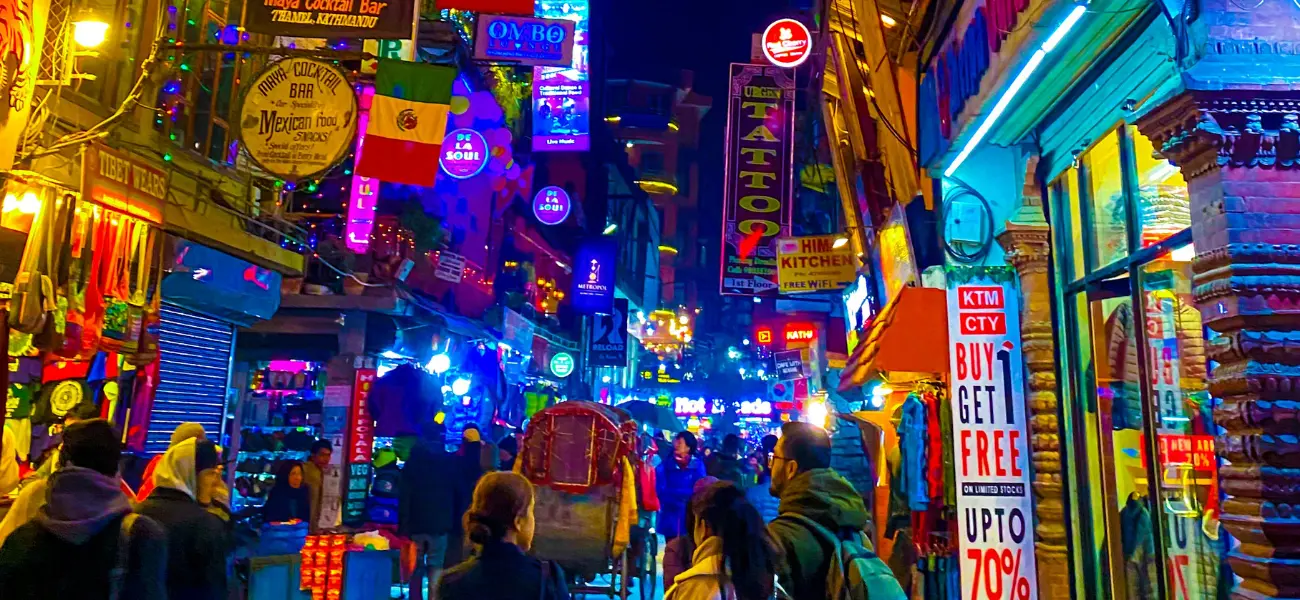
Thamel is the vibrant hub of Kathmandu, where the small streets are filled with restaurants, cafes, shops, and handicraft stores. Students can observe the vibrant city environment, interact with street vendors in the local area, and encounter the economy and culture of Nepal. A stroll through Thamel gives students their first exposure to Nepali urban life and an opportunity to hone observation and note-taking skills.
The site is famous for its lively nightlife, folk crafts, and eccentric range of products from clothing to jewelry and mementos. The students get to witness the local art of commerce, view customer transactions, and see the integration of modern tourism and local culture. Photography exercise and journaling help collect their first-hand impressions.
Thamel is a good place to start with a Nepal study tour because it provides a complete encapsulation of Nepalese society, business, and culture of hospitality. It’s an introduction which will ensure that the students start on the right foot when they go into the full cultural immersion mode after the initial phase of adaptation.
2. Boudhanath Stupa, Kathmandu
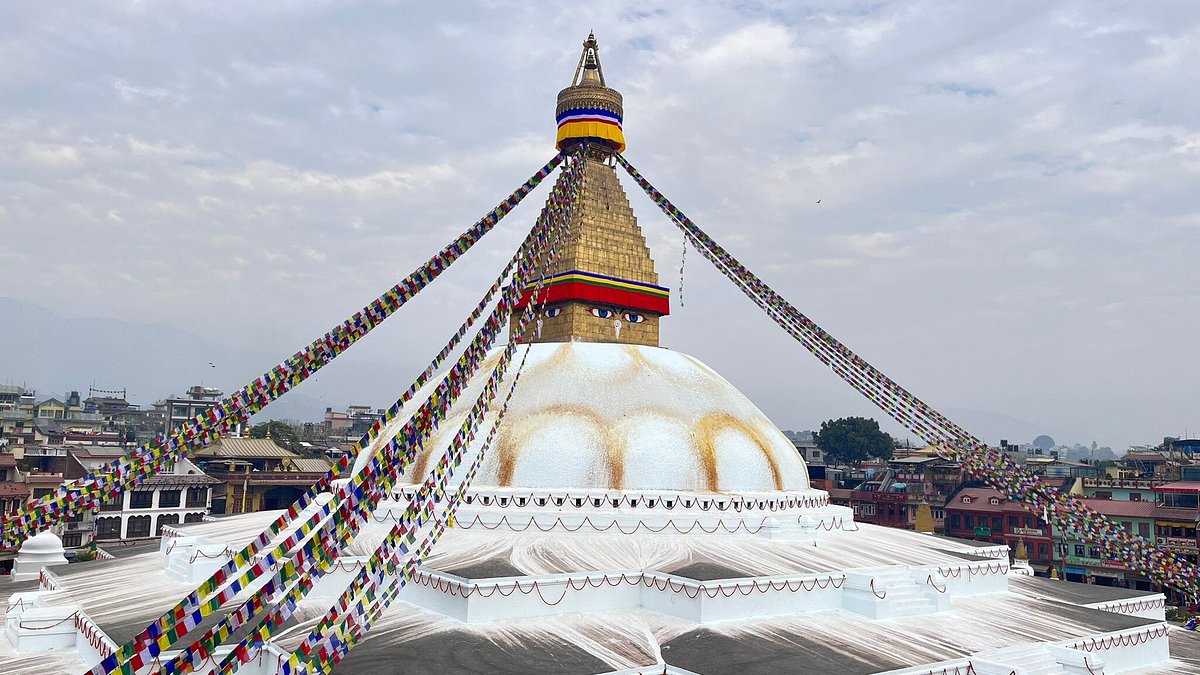
Boudhanath Stupa is one of the world’s largest and most renowned Buddhist stupas, located at the heart of Kathmandu. Students can observe monks on a daily basis performing rituals, revolving prayer wheels, and pilgrims walking around the stupa. This hands-on experience acquaints students with Buddhist philosophy, meditation rituals, and symbolism in Buddhist architecture.
The stupa is renowned for its colossal white dome, gold-plated pinnacle, and all-seeing eyes of Buddha painted on four sides of it. Students can study the local Tibetan community, Tibetan culture, crafts, and religion in daily life. It offers an interactive environment for discussion and reflection learning.
Educationally, Boudhanath Stupa educates religion, art, and anthropology. The students learn intensively about Buddhist tradition, cultural practices, and the role of spiritual centers as determinants of societies, and thus it is an essential aspect of a student tour to Nepal.
3. Pashupatinath Temple, Kathmandu
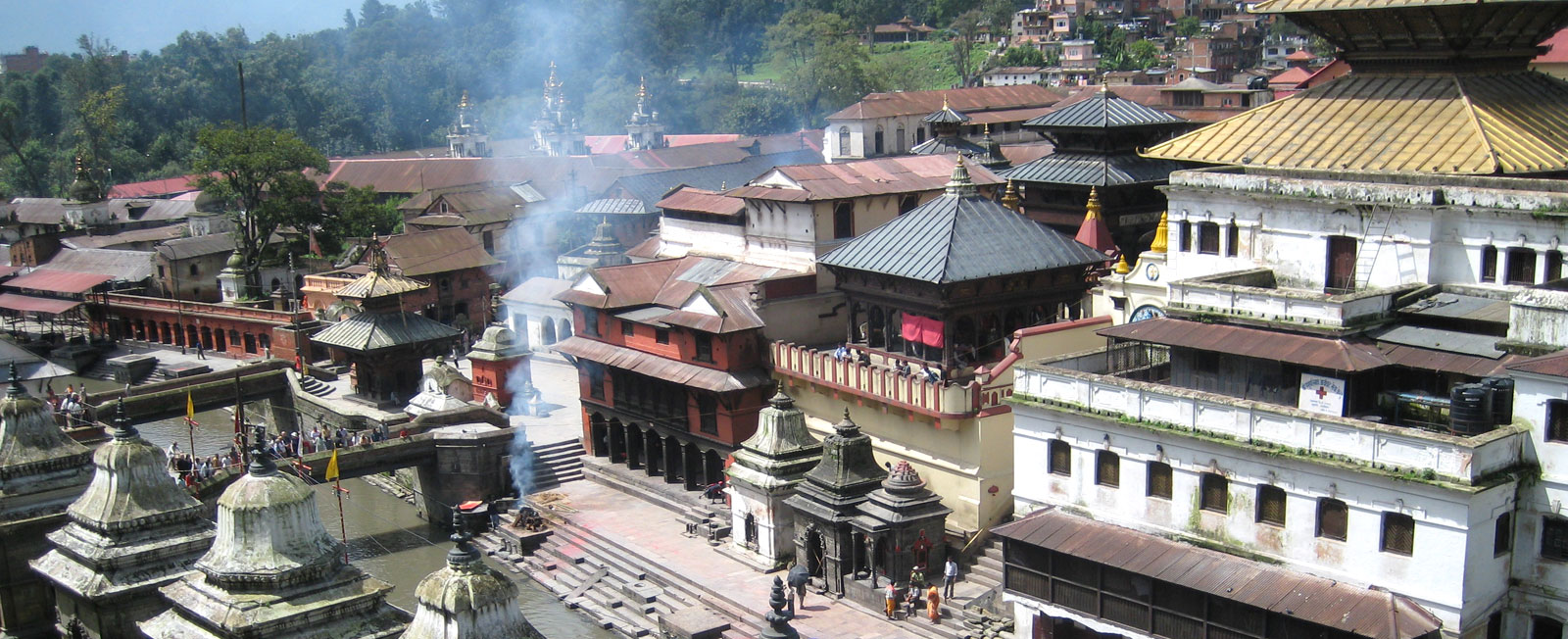
Pashupatinath Temple is Nepal’s holiest Hindu temple and a UNESCO World Heritage Site. Students observe priests conducting rituals, pilgrims praying, and cremation ceremonies on the Bagmati River. It is experiential learning of Hindu beliefs, rituals, and social practices, learning more about South Asian spirituality.
The temple compound is famous for its golden pagoda-style construction, delicately carved ornaments, and sacred ghats. Students can study the symbolic features of the temple, understand the architectural style, and determine the historical significance of the place in Nepalese society.
Pashupatinath is suitable for a student education tour because it contains religion, history, and cultural studies. The real-life scenario offers the student the chance to observe human behavior, rituals, and religious heritage practiced firsthand, enriching book study with observation and experience.
4. Patan Durbar Square
Patan Durbar Square is renowned for exquisite Newari architecture, old palaces, and carvings-covered wooden temples. The students are able to visit courtyards, galleries, and workshops of local craftspeople, through which they gain experience with Nepalese arts. The square is an outdoor learning environment in architecture, urban planning, and heritage conservation.
The square is famous for its hundred-year-old temples, statues, and cultural beliefs that bear Hindu and Buddhist marks. The students can learn about the craftsmanship, city planning, and history of the place. They also get an opportunity to communicate with native craftsmen, which exposes them to vocational habits and traditional skills.
Patan Durbar Square is ideal for school tours because it gives a lesson in heritage preservation, art, and history. The students gain a firsthand experience of Nepal’s history, realize the importance of heritage preservation, and witness continuity in cultural traditions in contemporary life.
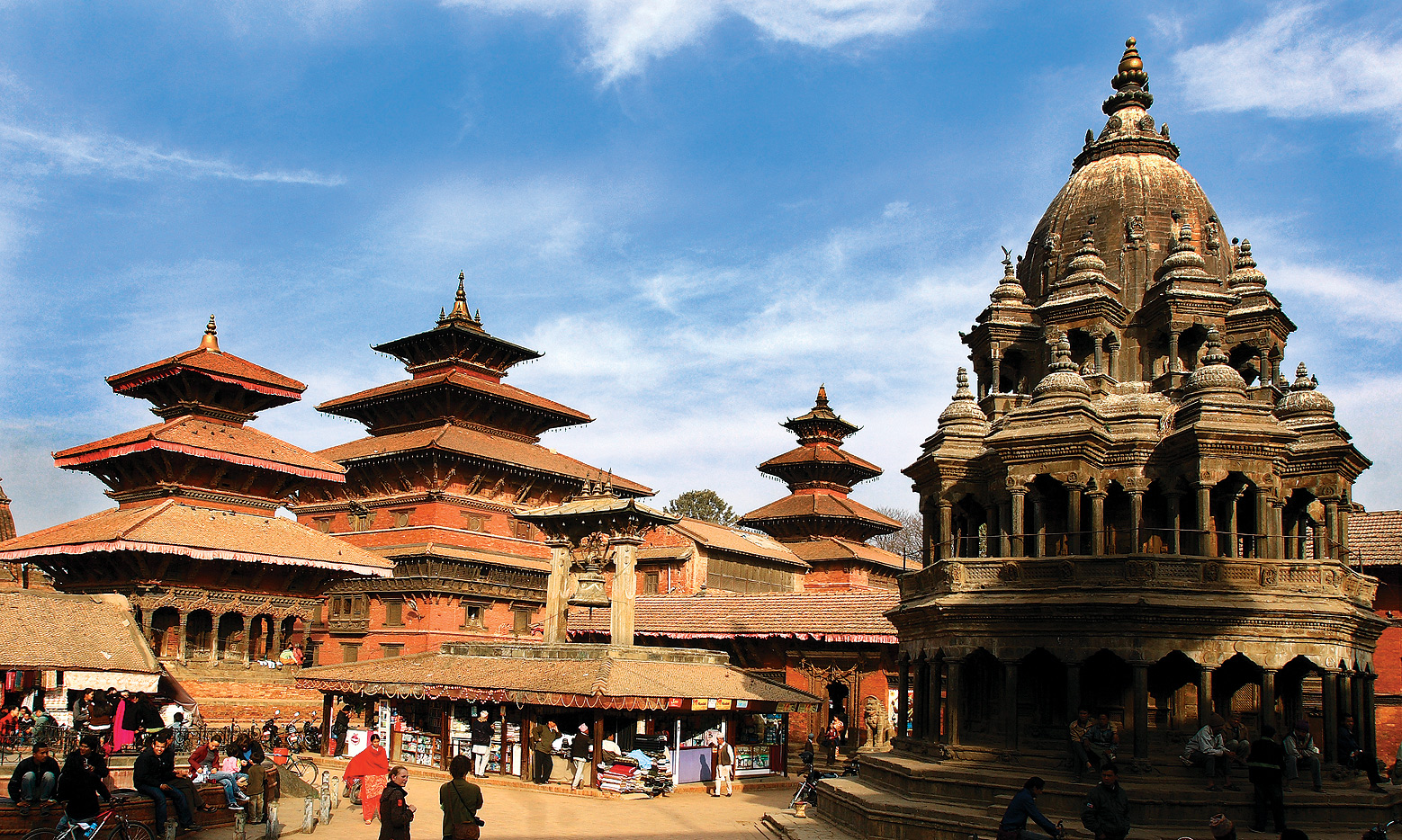
5. Bhaktapur Durbar Square
Bhaktapur Durbar Square retains the medieval character of Nepal’s old city. Students can stroll along cobblestone streets, watch workshops where pottery is made, and observe ancient temples and palaces. The square teaches us about urban history, traditional skills, and daily life.
The square recommendation because of places like the Nyatapola Temple, 55-Window Palace, and Pottery Square. The students are capable of studying architectural forms, religion symbolism, and local skills and gaining knowledge of Nepalese city culture heritage and historic evolution.
Bhaktapur is suitable for school field trips because it incorporates history, art, and cultural exposure. The students learn by experience traditional society, conservation of heritage, and social structure. Their appreciation for Nepalese society is increased.
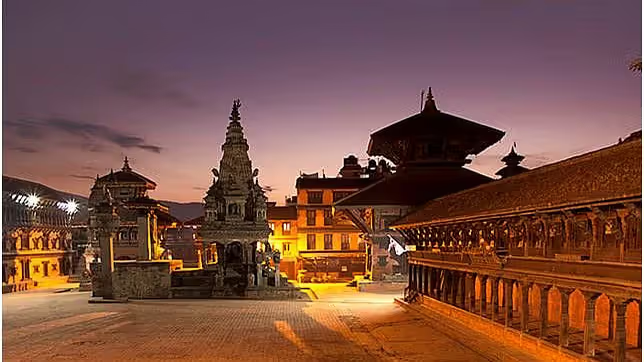
6. Gorkha Durbar, Gorkha
Prithvi Narayan Shah’s hill palace of the Gorkha Durbar has stunning views down over the Kali Gandaki River and surrounding valleys. Students tour the old site, learning about Nepalese unification, military tactics, and construction techniques. The Gorkha visit provides them with exposure to rural landscape, paddy fields on slopes, and village views.
The palace is highly regarded for its strategic location, rich history, and contribution to unifying Nepal today. The students can take part in discussions guided by administrative history and reasons why Gorkha was significant in the history of Nepal. Photography and observation exercises are also part of their learning.
Gorkha is an ideal location for school field trips since it presents history, geography, and culture. The students learn about the unification of Nepalese in historical perspective, how geography and strategy multiplied, and village life in the natural setting, so it is a valuable learning.
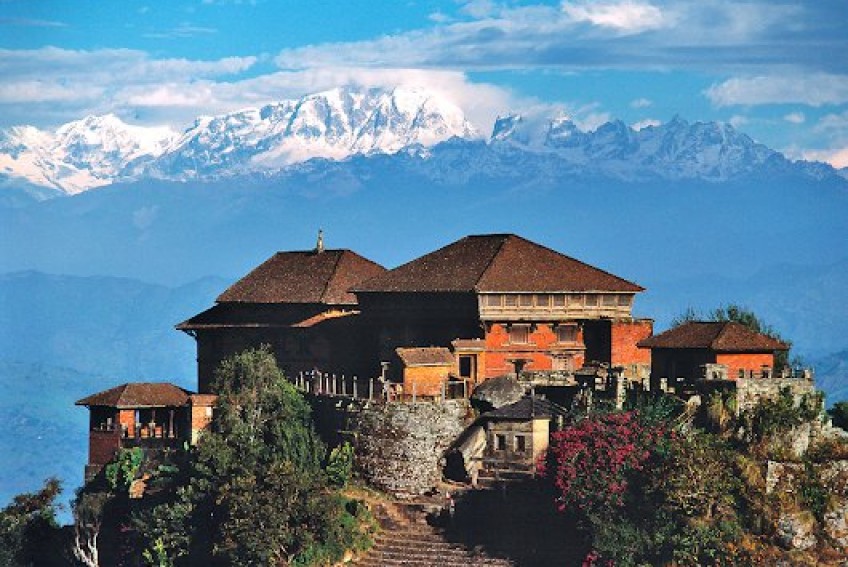
7. Phewa Lake, Pokhara
Phewa Lake is a serene freshwater lake in the background of Annapurna range. Students can go for boat rides, learn aquatic ecosystems, and visit Tal Barahi Temple on the island of this lake. It offers a location where students can learn environmental science, water ecosystem, and culture at the same place.
It is famous for boating, mountain reflection, and bazaars around it near lake. Local livelihood, tourist economic contribution, and sustainable utilization are available to watch by the students, which provide them with knowledge regarding human-environment interaction.
Phewa Lake is highly suitable for educational tours of students since it is a combination of nature, ecology, and culture. The students conduct environmental studies, observation of the culture, and evaluation of the impacts of tourism.
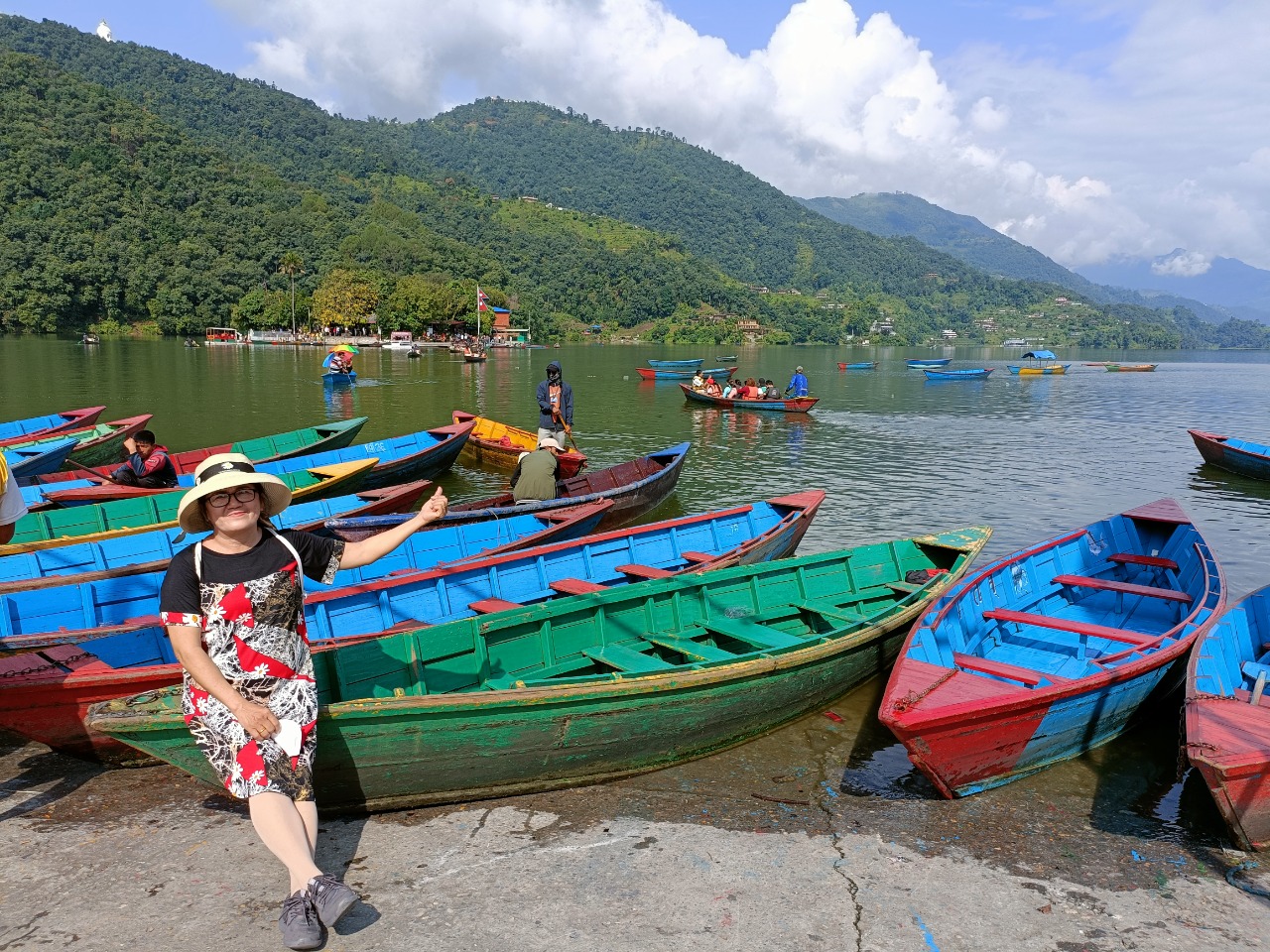
8. Davis Falls, Pokhara
Davis Falls is an unusual waterfall that flows into an underground channel and is excellent practice in geology, erosion, and hydrology. River systems, naturally formed rock structures, and water’s erosive action in shaping the landscape are learned by students.
The waterfalls are also famous for their vertical drop and local myth surrounding them. Students learn how landforms of geological importance affect culture and tourism as they visit the nearby lookout points and learn about natural hazard and conservation.
Davis Falls is an apt choice for school outings because it involves science, culture, and observation. Students learn geology, environmental science, and local myth through an experiential, hands-on learning process.
9. Gupteshwor Cave, Pokhara
Gupteshwor Cave, associated with Davis Falls, contains a holy Shiva Lingam. Students observe the cave’s limestone deposits, study its religious importance, and are also conscious of formation myths.
The cave is renowned for religious practices and geological features. Students can conduct research in speleology, holy geography, and local mythology, combining natural science and cultural studies.
Gupteshwor Cave is a perfect site for student education tours as it integrates interdisciplinary learning by bringing together geology, religion, and culture in an interactive setting.
10. International Mountain Museum, Pokhara
The International Mountain Museum features Himalayan geology, the history of mountaineering, indigenous cultures, and environmental studies. Students are provided with interactive exhibitions, dioramas, and historic relics, connecting classroom courses to field activities.
The museum is renowned for its general fascination with the Himalayas, right from flora and fauna to mountain ecology. It educates students on climate, biodiversity, and the culture of people living in mountains.
It is perfect for school excursions as it is a combination of geography, ecology, history, and culture. It is interactive learning, note-taking, and discussion, which makes it the center of any student tour of Nepal.
11. Shiva Statue, Pokhara
The massive Shiva Statue overlooks Pokhara city and offers panoramic views of Phewa Lake and the mountains around it. Students learn about Hindu symbolism, religious architecture, and cultural significance surrounded by the scenic beauty.
The location is famous for its size, aesthetic appeal, and as a landmark of spiritual and touristic importance. Students can learn about cultural symbolism, photography, and tourism management.
Shiva Statue suits educational student tours because it is a mix of religion, culture, and geography, and provides visual and educational experiences.
12. Sarangkot Sunrise, Pokhara
Sarangkot is renowned for sunrise over Annapurna, Dhaulagiri, and Machhapuchhre (Fishtail Mountain). Here, students learn about mountain ecology, climatic conditions, and environmental changes with elevation.
The site is famous for trekking, paragliding, and landscape photography. Students can learn about geographical formations, environmental patterns, and tourist effects in the context of viewing traditional rural settlements.
Sarangkot is appropriate for school excursions because of the combination of geography, nature observation, and experiential learning, through which students can gain knowledge on mountains in a practical and memorable way.

13. Australian Camp & Dhampus (Day Hike)
The walk is through forests, rice terraces, and villages of Nepal. The students get a glimpse of rural Nepalese life, farming practices, and conservation methods from interactions with the locals.
The region is well-known for great mountain views, cultural immersion, and eco-tourism activities. Cultural festivities, viewing village life, and recording of sustainable practices for research are all possible for the students.
This hike is best for student study tours because it integrates physical exercise, environmental science, and cultural exposure through an experiential learning process in nature and in society.
14. Adventure Sites in Pokhara
The paragliding, zipline, bungee jumping, ultralight flights, and ATV rides are accessible for the students. They learn adventure tourism, safety management, and eco-tourism operations in Nepal.
The spots are renowned for their adventure activities, natural scenery, and contribution to tourism development. The students can comprehend the strike of safety, adventure, and conservation.
Student tours are best for adventure activities since they encapsulate hands-on learning, personal growth, and experiential education, which transform Pokhara into a vibrant and experiential learning center.
Food and accommodation of Kathmandu, Gorkha, Pokhara, and the Australian Camp day hike
Accommodation has been made for this day hike of Kathmandu, Gorkha, Pokhara, and the Australian Camp with careful attention to provide comfort, safety, and a culturally vibrant experience at every destination. In Kathmandu, the students will be accommodated in a 4-star hotel on a bed and breakfast (BB) basis to provide a clean, modern environment with twin-sharing rooms. The hotel provides amenities such as Wi-Fi, heating or air condition, comfortable bedding, and secure storage for students’ luggage. The strategic positioning allows easy access to Thamel and other culture sights, providing students with comfort as well as convenience in exploring the city.
In Gorkha, due to its hill and historic surroundings, the team stays in a luxury guesthouse that possesses modern amenities along with local hospitality. All the rooms are equipped with cozy beds, hygienic bathrooms, and secure storage. Students can experience a tranquil atmosphere while seeing the rural life surrounding them, the old architecture, and scenery of hills and valleys. Gorkha meals are taken at the guesthouse, and traditional Nepali local dishes provide students with an experience of Nepali rural food, operated with care regarding issues of hygiene.
While hiking to Dhampus and Australian Base Camp, stay is already arranged in tea houses, providing a real, authentic mountain experience. The rooms are simple but clean, usually with twin beds and shared or individual bathroom facilities depending on availability. This allows students to come in contact with the local culture closely, meet host families, and see day-to-day life in mountain villages. Evenings are spent having dinner in the tea houses that offer typical Nepali dishes such as dal bhat, vegetable curries, and other local foods, ensuring the participants in the trip have the real taste of Nepal in their mountain scenery.
Pokhara is followed by 4-star hotel stays on a BB basis, so students may be able to have modern facilities, twin-sharing rooms, Wi-Fi, and easy access to lakeside and city sights. Lunch and dinner meals may be arranged at recommended local eating restaurants where students have an opportunity to experience a variety of foods, including Nepali, Indian, American, and European. The combination of hotel living and local and international eating exposures ensures that students get both relaxation and exposure to local and global eating habits.
In the course of the tour, consumption is greatly standardized to offer nutrition stability, cleanliness, and cultural exposure. Breakfast is provided each morning at the hotels or tea houses, while lunch and dinner are arranged at restaurants in nearby locations or in the house, guided by the tour leaders to ensure quality and cultural exposure. The students are able to enjoy local Nepalese food like momo, dal bhat, vegetable curries, and rice, complemented by optional international cuisine, depending on diverse tastes.
This accommodation and dining arrangement not only gives students comfort and security but also enriches their learning experience by exposing them to Nepalese culture, cuisine, and way of life in urban and rural Nepal. Using 4-star hotels, fine guesthouses, and traditional tea houses provides a full traveling experience supporting the educational, cultural, and trekking feature of the tour.
Transportation of Pokhara, Gorkha, Kathmandu, and the Australian Camp day trek
Transportation in this Nepal study tour package is fully organized and managed by a registered adventure tour company in Nepal, which provides safety, comfort, and reliability of transportation. The organization owns a fleet of new vehicles ranging from cars, jeeps, and vans to Toyota Hiace, minibuses and tourist buses (30–40 seats) to keep the company flexible based on group size. For the 7–10 student small class size, there is a Toyota Hiace van with comfortable seating, air conditioning/heating, and seat belts for safety.
For 10–15 students, the tour uses a Toyota Coaster or medium-sized minibus, which provides more space, space for luggage, and more comfort for longer drives, such as the scenic Kathmandu–Gorkha and Gorkha–Pokhara highways. Big groups of over 15 students take tourist buses (30–40 seats), which have reclining seats, air conditioning, heaters, and ample space for luggage. All vehicles are in good condition and inspected regularly to provide a safe and smooth ride on hilly and city routes.
On drives and transfers, each student is provided with one bottle of mineral water per individual daily to ensure they stay hydrated and comfortable. The cars are all equipped with protective amenities like seat belts and first aid boxes, and trained professional drivers for city and mountain driving. The transport system enables the students to experience Nepal’s diverse landscapes, from urban cities to villages, rivers, agricultural fields, and hills, so the journey time is informative.
The transport facility also caters to the flexible timing, e.g., between Kathmandu and Gorkha, Gorkha and Pokhara, from Pokhara to trekking starting points like Kande, and back to Pokhara and Kathmandu. The use of private vehicles enables students to travel at a leisurely pace, with breaks for photo-shooting, sightseeing, or short educational activities, e.g., village excursion or learning about the environment.
This combination of modern, well-maintained vehicles, skilled drivers, and coordinating transfers makes the tour safe, efficient, and informative. Students are afforded comfort as well as exposure to Nepalese landscapes, while teachers and guides are able to introduce on-the-move learning, making transportation an integral part of the educational tour experience.
About the company Graceful Adventure Travel for Education Tour Operator in Nepal.
Graceful Adventure Travel Pvt. Ltd. is a government-licensed and approved travel agency with its head office at Kathmandu, Nepal. The agency, with specializations in educational tours and adventure tours, sends students from all over the globe on safe, rewarding, and enriching experiences. With years of experience in student tours, Graceful Adventure Travel makes every trip both educational and enjoyable with learning in class complemented by direct exposure to Nepalese nature, culture, and history.
Operational worldwide, Graceful Adventure Travel is delighted to welcome schools, universities, and institutions of learning from Europe, America, and Asia. Thoughtfully crafted itineraries are developed to complement academic learning objectives and provide an equal balance of history, culture, geography, ecology, and adventure. Ranging from uncovering the UNESCO world heritage sites in Kathmandu, trekking in the Annapurna range, or engaging in community-based cultural programs, students experience the synergistic aspects of Nepal’s diverse landscape and culture.
Company services involve experienced English-speaking government-approved guides who give precise descriptions about Nepalese history, culture, religion, and ecology. Accommodation is taken care of with consideration to allow for comfort and cultural immersion, consisting of 4-star hotel overnight stays at Kathmandu and Pokhara, boutique guesthouses at Gorkha, and authentic tea houses at Dhampus and Australian Camp. Transportation is completely arranged, employing well-furnished vehicles like cars, Toyota Hiace vans, Coaster minibuses, and tourist buses, all of which have air conditioning, seat belts, and daily mineral water for the students.
Graceful Adventure Travel emphasizes safety, dependability, and knowledgeable content in order to guarantee that all student tours are run with professional planning and meticulous attention to detail. Guided tours, cultural activities, and hands-on educational experiences enable students to be immersed in Nepalese culture, architecture, and wildlife environments. Encouraging ecologically friendly and sustainable tourism practices, the company makes sure not only that students are educated on Nepal, but also that they respect the significance of safeguarding the environment.
With its clear emphasis on offering memorable learning experiences, Graceful Adventure Travel Pvt. Ltd. has earned a reliable status for arranging student tours in Nepal. Its blend of study material, adventure, cozy accommodation, and expert services is the best option for schools and institutions looking for student educational tours in Nepal with lasting memories and acquired knowledge for students.
Contact Details for Kathmandu Gorkha Pokhara including Australian Camp Day Hike Educational Tour Booking
| Particular | Details |
| Booking office | Graceful Adventure Travel |
| Phone Number | +977-9851219412, 014700180/81 |
| Office Location | Sorhakhutte, Kathmandu, Nepal |
| [email protected]/ [email protected] |
Reviews


✖
Talk To Expert

Mr. Padam Timilsina
Travel Expert
Custom vacations, perfectly planned to fit your wishes.
Request for Assistance ⮞