
The Everest Base Camp Trek which is centered among the world’s most famous trekking routes is visited by thousands of trekkers annually. Located within Nepal’s Sagarmatha National Park, this trekking route takes one from the lively city, Kathmandu all the way to the remote base of the towering giant Mt. Everest at a staggering height of 8,848.86 meters (29,031 feet). Scenic white-gloved mountains, Sherpa culture-rich villages, and ancient monasteries on the path dissect trekkers on their way.
Each day involves around 5 to 7 hours in most situations with trekkers walking between 8 and 15 km, depending now on terrain and need for acclimatization. The actual 12 to 16-day period is then time spent at same altitude to adjust better and gives time to appreciate surroundings without rushing.
The planning is not a simple step, it must be done well for any amateur trekkers or even more experienced ones attempting their first big high-altitude trek. In this guide, we will discuss everything you need to for EBC Trek regarding the best months to trek, permits, gear, itinerary, and tips on health, acclimatization, and staying on the trail. With the right information and guide, your Everest Base Camp trek can be a once in a lifetime & unforgettable experience.
Average Cost for Everest Base Camp Trek
Everest Base Camp trekking cost varies depending on the kind of service, time of trip, and whether you travel in a group or privately. The average price of a standard 15-day Everest Base Camp trek is $1,850 per person. Budget itineraries can start as low as $980, while high-end trips with additional comfort and services can go as high as $3,250 or even higher. The standard cost usually includes accommodation in tea houses and hotels, meals three times a day during the trek, trekking permits, a licensed tour guide and porter (Kathmandu – Kathmandu), and return domestic flights from Lukla to Kathmandu.
This budget average accommodates the majority of the crucial logistics, so the trekkers can enjoy a safe and smooth journey. Domestic flights are essential since Lukla is the gateway to the Everest region and where the trek begins. The Sagarmatha National Park Entry Permit and the Khumbu Pasang Lhamu Rural Municipality Permit also fall under this cost. These are required permits to enter legally the Everest region. Additionally, your guide and porter will assist in navigation, security, as well as porting your heavier bags, leaving you free to maximize the trek.
At a cost of around $1,850, you are receiving a complete and comfortable trekking experience with no hidden charges. Although personal costs like snacks, hot showers, Wi-Fi, or porter and guide tips aren’t always included in the cost, they generally are not too out of pocket.
Why Choose Everest Base Camp Trek?
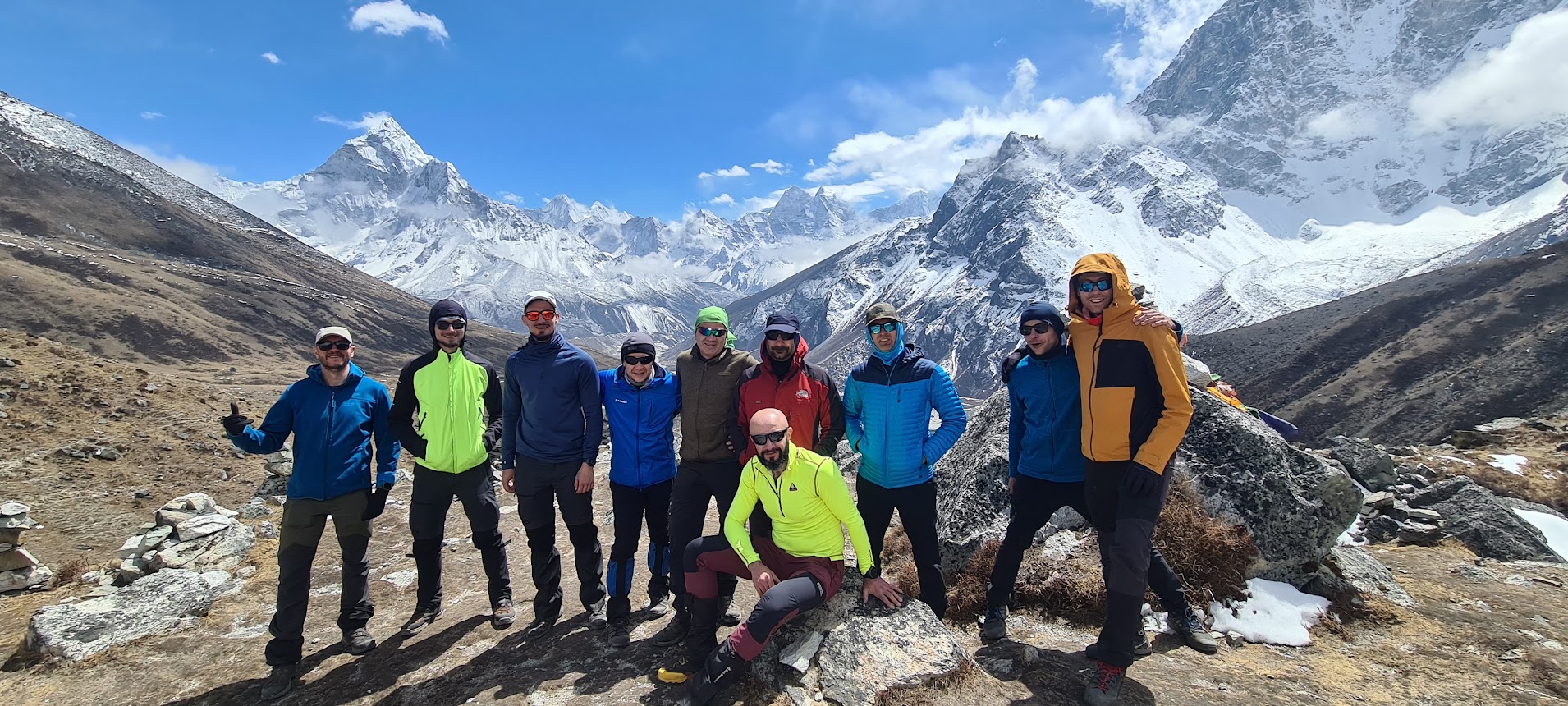
Everest Base Camp (EBC) trek is one of the most popular and iconic trekking adventures worldwide. It takes you to the foot of Mount Everest—the tallest mountain in the world, at an elevation of 8,848.86 meters. The trek begins from Lukla to renowned Himalayan villages like Namche Bazaar, Tengboche, and Dingboche. Along the route, trekkers have the luxury of strolling through breathtaking valleys, crossing thrilling suspension bridges, and witnessing at close range snow-covered peaks such as Lhotse, Nuptse, Ama Dablam, and then of course, Mount Everest itself.
This isn’t just a mountain hike. It’s also a deep cultural immersion. You will be walking through traditional Sherpa villages where you can learn about Sherpa culture and hospitality. The region is rich with Buddhist culture, and you will notice colorful prayer flags, old monasteries (like the well-known Tengboche Monastery), and spinning prayer wheels. These religious and cultural elements make the journey more meaningful and memorable.
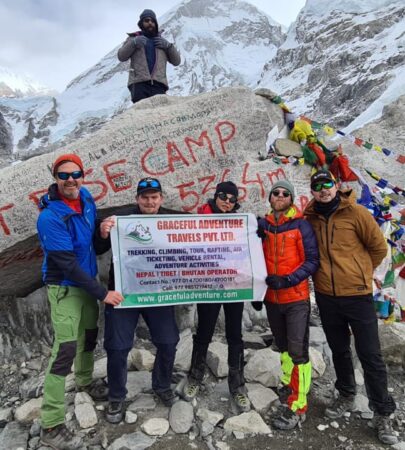
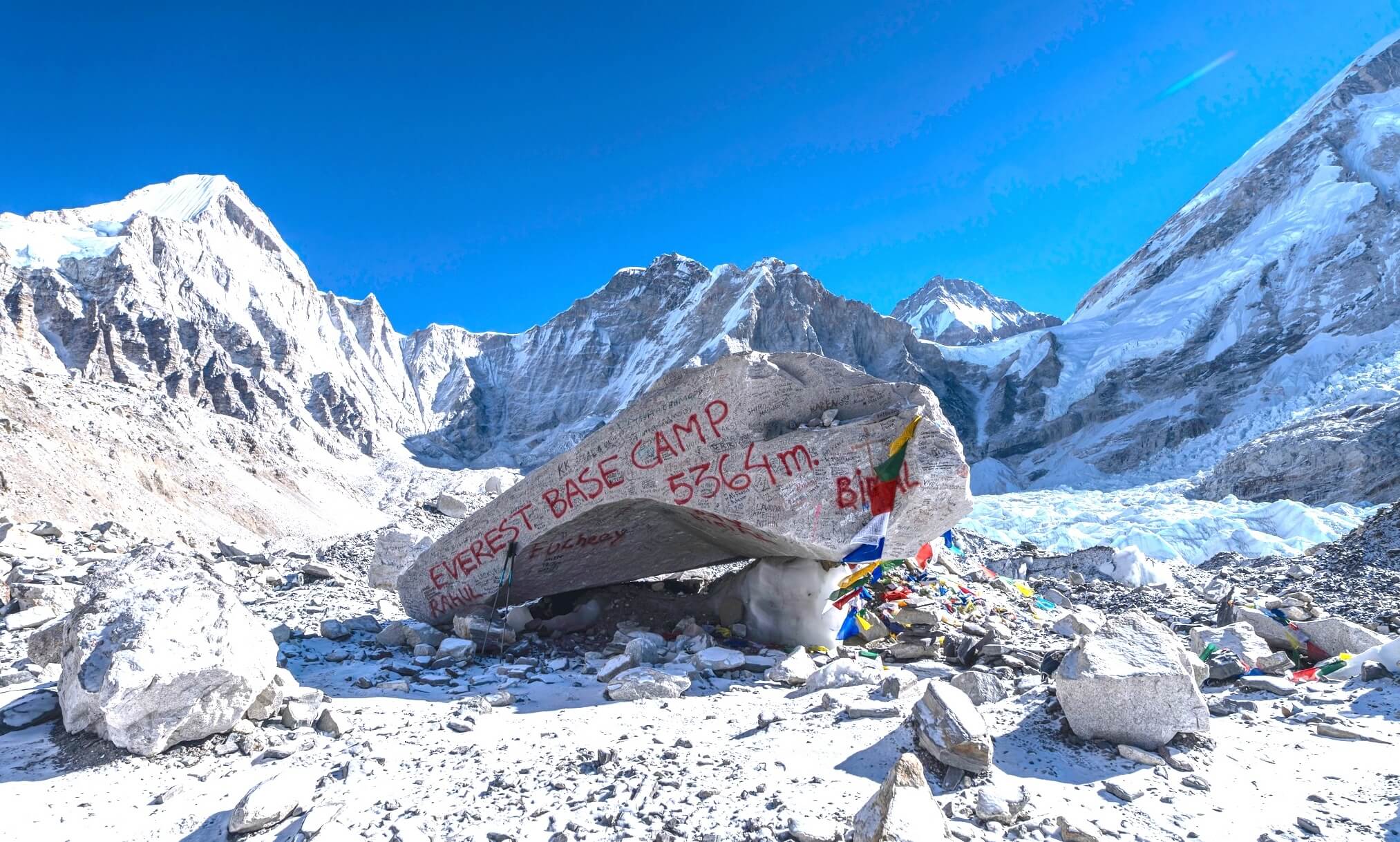
Reaching Everest Base Camp at 5,364 meters is an achievement for most trekkers. Reaching the base of the highest mountain on the earth is strong and emotional. Though the route may be challenging from high altitude and cold, training and acclimatization can help you succeed. The trek lasts for about 13–16 days depending on itinerary and pace.
If you are drawn to the physical adventure, the natural beauty, or the peaceful mountain environment, the EBC trek is a once in a lifetime experience. It combines adventure, culture, and stunning scenery all in a single incredible journey that will forever be remembered.
Everest Trekking Permits
There is a requirement to acquire permits in the Everest region for professional safety, conservation, and regulation. Essentially, the two parts who must have permits to perform an Everest Base Camp trek they are:-
- Sagarmatha National Park Permit:
The Sagarmatha National Park Permit allows one admission in an area that is state protected and considered to be Mount Everest and its surrounding peaks. Since the park is a UNESCO World Heritage Site, one should be holding the park permit to go trekking inside its precincts.
Price: Approximately NPR 3,000 (roughly USD 27) per person
Validity: Single entry and for the duration of your trek
This permit also helps in park conservation and administration.
- Trekking Information Management System (TIMS) Card/Local Government Fee:
Apart from the permit for the Sagarmatha National Park, every trekker is either supposed to acquire a TIMS Card or pay the local government fee. This mechanism is intended to record the trekking activities in Nepal to maintain security and sustainability.
Price: NPR 2,000 (approximately USD 18) per person
Validity: Valid for the duration of the trek
One must be carrying these permits along the trekking route for the whole journey, and they are checked at various points during the trek.
Place to Obtain Permits:
- Nepal Tourism Board Office in Kathmandu or Pokhara: Here, the permits can be conveniently secured before the starting your journey.
- Lukla or Monjo Checkpoints: Permits can also be obtained and checked at these places throughout the trekking route.
Trekking agencies registered with the government usually acquire permits for you before departure from the respective authorities.
Documents to Obtain Permits:-
- Original passport should always be carried while proceeding permits.
- Two passport-sized pictures should be brought along if planning to get permits at the checkpoints (though many offices these days may even accept all digital copies or no pictures).
- The permits being non-transferable and non-refundable, applicants must make sure the application has been done correctly and all documents submitted.
- Keep your permits handy on the trek, as they will be inspected at different places along the route.
- Charges are usually accepted only in Nepalese Rupees (NPR), so carry enough local currency.
Accommodation Services at the Everest Base Camp Trek
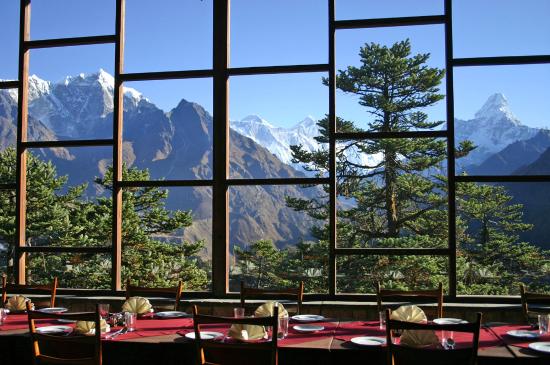
Accommodations on the Everest Base Camp trail are rather modest but fairly comfortable stints where trekkers can get themselves some much-needed rest and warmth. While trekkers are accustomed to the high-class accommodation of four-star hotel of Kathmandu, the lodging for this trek is primitive but warm and welcoming.
Most overnight stays are at tea houses—small, locally-run lodges with wooden interiors and basic twin-sharing rooms. Rooms are typically very simply furnished with bedding and a blanket but, along with sleeping bags, are recommended for some extra insulation at the higher reaches like Dingboche or Gorak Shep. Bathrooms are frequently shared and more basic as you get higher along the climb. You can also get luxury accommodations like Everest view hotel as per your request which are more costly but with premium facilities available for Luxury Everest Trek.
Most tea houses come with electricity and hot waters, but these will come at some cost, especially above Namche Bazaar. Wi-Fi is found in selected locations, although slow and costly, with the intention of making trekkers stay away from technology and fully immerse themselves in the mountain environment. However, even under such conditions, the warm hospitality of the Sherpa hosts makes each night memorable.
Transportation Services
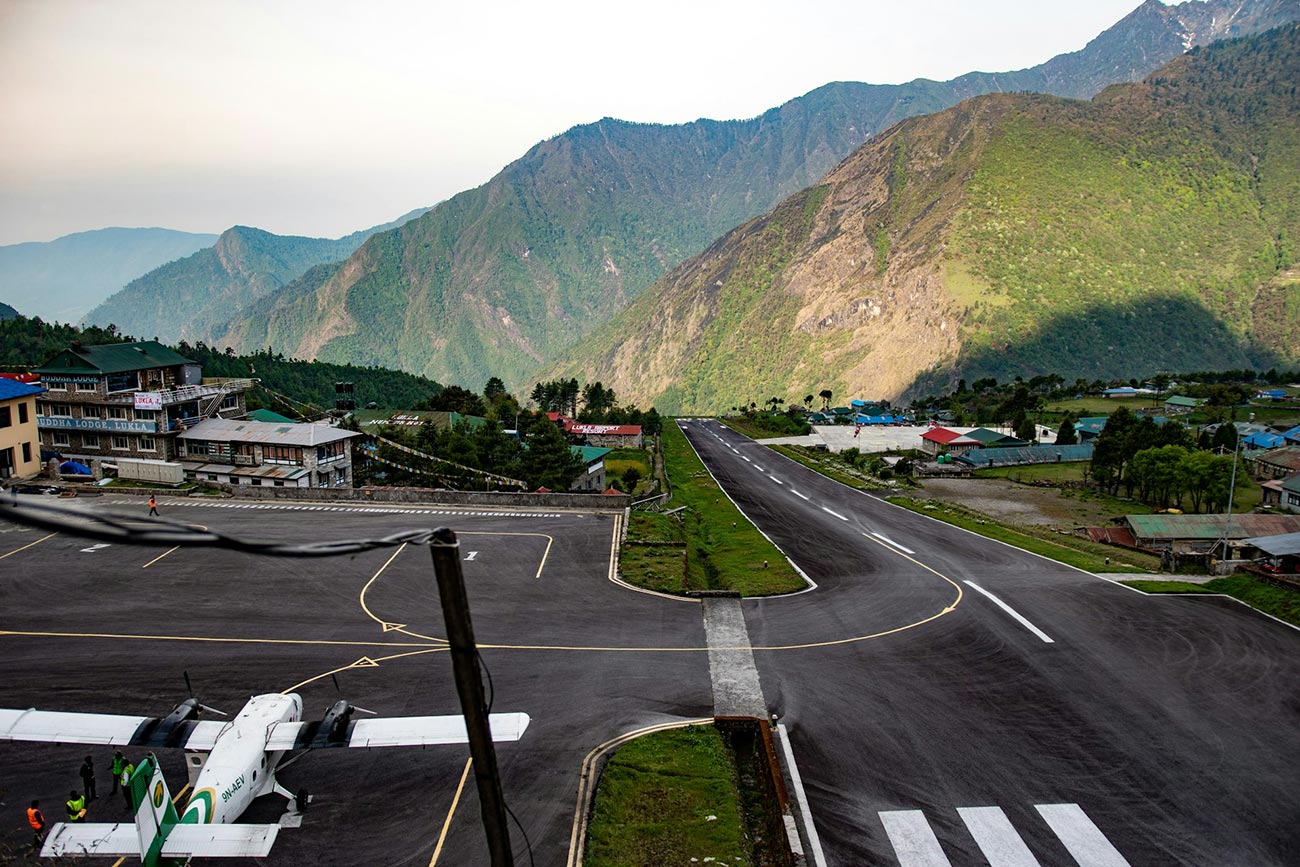
The great adventure begins with quite possibly the world’s most thrilling flight: Kathmandu to Lukla. This brief 30-minute flight, with its panoramic vistas of the Himalayas, descends upon the high-altitude Lukla Airport, known for its dangerously narrow perch on a mountain ridge. The flights set the tone for the journey and are often a highlight in themselves. Once you touch down in Lukla, the only mode of transportation is walking, as there are no roads that extend farther than this. Such absence of roadways contributes to preserving all of that natural beauty and serenity.
Also, you can also take a Jeep Ride from Kathmandu to Salleri/Phaplu and the next day again drive from Phaplu to Thamdanda then trek from Thamdanda to Paiya to Phakding & so on. With same itinerary return by jeep is available too. There is an option to drive and then trek for Everest base camp available without any flight as per your request.
As you gain altitude toward EBC, all your gears are carried either by porters or on yaks and dzopkyos (crossbreed of yak and cow). There are no vehicles along the way, making it all the more authentic. The trekkers walk down to Lukla for the return flight, or there is option to return by helicopter from designated spots in case of emergencies or for premium packages and also Everest Base Camp Heli Tour is available as per your request. Air travel plus trekking equals Adventurous and soul-immersing, maintaining the feeling of remote adventure from the very beginning to the very end.
Best Time for Everest Base Camp Trek
The best time to do the Everest Base Camp trek is spring season, which falls in the months of March, April, and May. This is the time when the weather is clear, there are blue skies, and the Himalayan mountain scenery, including Everest, is simply stunning. Day temperatures are comfortable, making the long walks easy and pleasant. Along the way, beautiful flowers like rhododendrons are blooming brightly, enhancing the beauty of the surroundings. As spring is such a beautiful time of year, the trail is frequently extremely crowded with visitors from all over the world.
The second best time to undertake the Everest Base Camp trek is autumn season, which occurs in the months of September and November. The air is cool and dry following the summer monsoon, and visibility is improved. This is the best time for clear, sharp mountain views, ideal for photography and soaking in the natural beauty of the Everest region. The warm sun during the day and cool nights but not cold. The weather during autumn is quite uniform, and therefore the trekking is safe and comfortable for both novice as well as seasoned trekkers.
Autumn and spring are the best seasons for trekking in Nepal. Both of these seasons offer the most reliable weather, ideal trail conditions, and the finest possible scenery of the world’s highest mountains. Whether you trek in autumn or spring, you will have a rich and memorable experience on the Everest Base Camp trekking trail.
Travel Insurance for Everest Base Camp Trek
It is highly recommended to take travel insurance before you go for the Everest Base Camp trek. In the high-altitude Himalayas, trekking is at risk for altitude sickness, accidents, sudden weather changes, or flight cancellation. A good travel insurance protects you from unexpected situations and keeps your mind relaxed during the trek. The most important coverage to pursue is emergency helicopter evacuation, which may run you thousands of dollars out-of-pocket. Your policy must also cover medical treatment, hospital confinement, trip cancellation, and lost or stolen baggage.
While Graceful Adventure Travel does not provide or sell insurance, we strongly encourage all of our trekkers to buy an individual policy prior to traveling to Nepal. Ensure your insurance company knows that your journey goes up to heights of 5,364 meters (17,598 feet) as some policies cover no higher than these heights. It’s also wise to check whether your policy covers disasters delays or disruptions due to domestic flights to and from Lukla, which are quite sensitive to weather.
There are a variety of reputable insurance providers that previous travelers have employed, depending on where they are from. For instance, US and Canadian visitors tend to opt for Travelex, InsureMyTrip.com, or HCC Medical Insurance. UK citizens might look into companies such as Specialty Group or Harrison Beaumont. Within Europe, CORIS is well-known. Australian and New Zealand climbers tend to utilize Cover-More, and those from South Africa tend to use TIC. These are merely suggestions based on feedback from previous trekkers—you are always recommended to shop around and pick a provider that suits you best.
Before you purchase any policy, read the policy carefully and see if it includes high-altitude trekking coverage, especially for areas above 4,000–5,000 meters. You can also bring a digital copy and a hard copy of your insurance policy with you during the trek. In case of an emergency, your trekking operator or guide can quickly organize evacuation or treatment—provided your policy is active and paid. With the right insurance, you can trek in peace, safe in the knowledge that you are covered regardless of what happens to you in the mountains.
How difficult is the Everest Base Camp Trek?
The Everest Base Camp (EBC) trek is generally a moderately to challenging trek. The greatest determining factor of difficulty is how physically fit you are. If you have good stamina, are used to walking long distances, and are otherwise good health, the trek will be easier and more enjoyable. But for the unfit or inexperienced trekkers, the EBC trek is quite strenuous due to the long hours of walking and mixed terrain. The actual trek would take around 12–15 days, covering travel distances of as much as 130 km (round-trip) with lots of steep up and down mountain slopes.
Aside from physical fitness, there are also other elements that go into making the trip difficult. One of the main issues is the altitude—with Everest Base Camp standing at 5,364 meters (17,598 feet). At such height, there is much less oxygen and most trekkers experience some form of altitude sickness. The weather can also be unpredictable. While it could be sunny in the daytime, the temperature can drop below zero at night, especially at high altitude. The ground conditions, including bumpy tracks, rocky paths, and a bit of snow, add to the challenge.
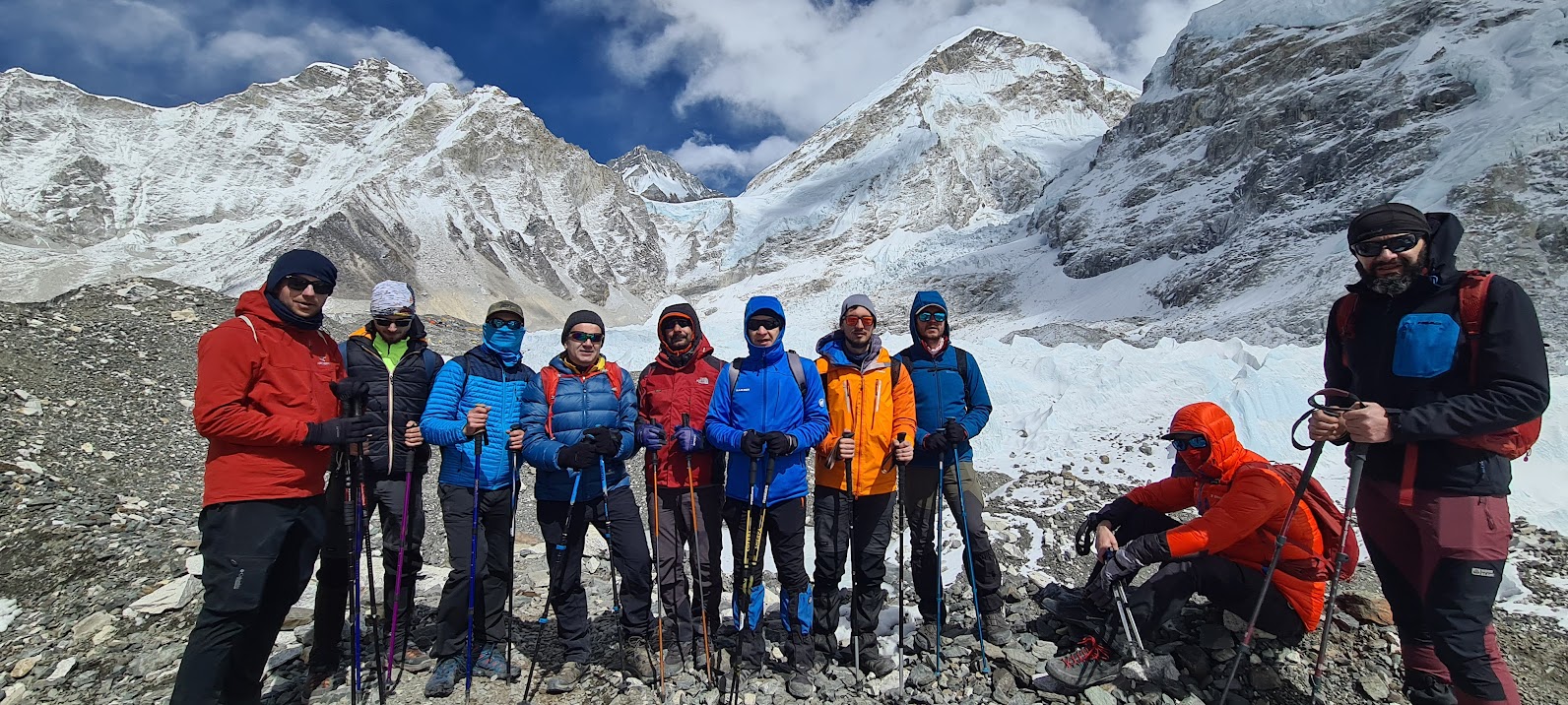
Despite that, the trek is not technically an ascent, and mountaineering skills are not required. Being guided by experienced guides and porters, who provide their assistance and local knowledge about the culture, wildlife, and landscapes, makes the trek exceedingly rewarding. But due to the level of physical exertion and weather, the trek is not recommended for infants, elderly individuals with illnesses, pregnant women, or those who are on daily medicines unless approved by a doctor. Preparation, proper gear, and the right mindset play a great deal in overcoming challenges and really enjoying this incredible experience.
Is the Everest Base Camp Trek Worth It?
Yes, the Everest Base Camp trek is well worth it for most nature-loving, culture-immersing, adventure-seeking travelers. The big thing, naturally, is standing at the base of Mount Everest, the world’s highest peak. But beyond that, the trek is a rewarding experience—making your way through the beautiful Khumbu Valley, visiting traditional Sherpa villages, and observing ancient Buddhist monasteries. Each day along the trail is new vision of majestic snow-capped peaks, curving rivers, and granite woods, offering each step a visual treat.
In addition to the natural beauty, the walk is a dive into Sherpa culture and Himalayan society. You’ll be received by friendly locals, you see spiritual ceremonies, and even stay in cozy tea houses that offer a taste of mountain hospitality. The EBC trek is also an excellent spot where one can mingle with other trekkers from different parts of the globe but who are all in the same objective of reaching base camp. This common goal helps in forming a robust community and enhances the experience even more.
While the hike can be strenuous with the altitude, long walking hours, and cold temperatures, the sense of achievement that comes when you finally reach base camp is worth it. The mountain views, the peaceful surroundings, and that you’ve gone so far stay with you long after returning from the trek. It’s not just a hike—it’s an individual accomplishment, a flight away from the contemporary world, and a deep bond with nature. For most, it’s actually an experience of a lifetime that they won’t ever forget.
Number of Traveler Guide Porter
The guides and porters needed for the Everest Base Camp trek differ based on the size of the trekkers’ group. For 1 to 2 trekkers, usually 1 licensed guide and 1 porter suffice for safety as well as for help in moving the gear. The support team increases in line with the size of the group. For 3 to 5 trekkers, you’ll still have 1 guide, but the number of porters increases to 2, allowing for better weight distribution and smoother logistics. When the group size reaches 6 or 7, the ideal setup is 1 guide and 3 porters to maintain comfort and efficiency.
Once the group reaches 8 or more trekkers, additional support is added to manage the group effectively. For 8 or 9 trekkers, the recommended support team is 1 guide, 1 assistant guide, and 4 porters. For 10 trekkers, the support group is 1 guide, 2 assistant guides, and 5 porters. This organization helps maintain the group secure, paced, and comfortable and also helps to ensure that the porters are not over-loaded since there are strict regulations on the amount a porter is allowed to carry (usually 20–25 kg). Having adequate guides and porters not only improves safety but also the trekking experience in general.
| Number of Trekkers | Numbers of Guide | Numbers of Porter |
| For 1 or 2 trekkers | 1 guide | 1 porters |
| For 3, 4, or 5 trekkers | 1 guide | 2 porters |
| For 6 or 7 trekkers | 1 guide | 3 porters |
| For 8 trekkers | 1 guide & 1 assistant guide | 4 porters |
| 9 trekkers | 1 guide & 1 assistant guide | 4 porters |
| For 10 trekkers | 1 guide & 2 assistant guide | 5 porters |
Note: company will provide the Number of guide and porter depends of group size.
To summarize, Everest Base Camp Trek is an ideal way to experience the natural beauty of the Himalayas and the cultural richness of Nepal. Our friendly and experienced team will ensure that you have an unforgettable adventure.
Can a Beginner Trek Everest Base Camp?
Yes, a beginner is definitely capable of trekking to Everest Base Camp (EBC) with enough planning and attitude. The plus point is that the EBC trek is not a technical climb—you don’t need ropes, harnesses, or climbing skills. It’s a long-distance high-altitude walk, not a climb up a mountain. Hundreds of beginners, individuals of all kinds and shapes, do the trek each year. The secret is good planning, slow going, and having a well-planned itinerary that has sufficient rest and acclimatization days.
The most difficult part for novices is not the terrain or the distance, but the altitude. The trek climbs up above 5,364 meters (17,598 feet), where there is much less oxygen in the air. This complicates breathing and exposes one to altitude sickness, even for advanced hikers. But with a slow acclimatization, plenty of water, good food, and adequate sleep, the body can acclimatize for most people. You are not an athlete, but some conditioning in the form of walking, trekking, or aerobics before you go will make it easier to do and more enjoyable. Having a certified guide and porter also gives some extra protection and security, especially for novice mountaineers.
For beginners, a hike to Everest Base Camp is not only possible—it’s breathtakingly and inspiringly within reach. The sense of progress day by day, the friendly locals and trekker community, and the stunning Himalayan scenery all come together to create an experience that’s indelibly remembered. With determination, perseverance, and right planning, anyone with good health and the will to prepare can complete the trek. All of these newcomers return home radiating confidence, having achieved their objective of being at the bottom of the world’s tallest mountain. It is an experience that transforms lives, proving that even beginners can achieve something remarkable.
Equipment’s for Everest Base Camp Trek
Be smart in what you pack in order to be safe and comfortable during the trek. Carry a big warm jacket in cold night, as well as warm clothing to wear as layers. Rocky paths are important in having good trek boots. Another thing is to add a sun hat on sunny and gloves on cold days. Do not forget sunscreen and sunglasses, in case of severe sun. A good bag will carry everything. Bottle of water is a necessity, and we should have a water purifier to make sure that it is safe to drink.
You should carry a first aid kit with you in case you get a cut or suffer an illness and a few generic medicines in case of necessity. In the dark, a torch light or headlamp is useful. Trek sticks relieve the strain to the knees during long treks. Bring a tent in case you are camping. Carry a camera to record sceneries. Extra batteries and powerbank keep your devices on their feet. With these you will be prepared to face the mountains regardless of whether it is raining or sunny because you will have fun at all times during your adventure.

Everest Base Camp Trek Tips
- Train for the Trek
Regularly do hikes, cardio, and uphill walking to build up stamina. You needn’t be an athlete, but good health helps.
- Take It Easy
Maintain a consistent pace while walking to avoid altitude sickness. Let your body adapt to the altitude—do not rush.
- Stay Hydrated
Consume at least 3–4 liters of water daily. Hydration keeps altitude problems at bay.
- Use Rest Days Wisely
Acclimatization days in Namche and Dingboche are a must. Take short hikes on rest days to let your body acclimatize.
- Pack Light, But Right
Carry only the essentials. Carry warm layers, a sleeping bag, good boots, and medicine for altitude and general sickness.
- Eat Well and Often
High-calorie food (like dal bhat!) gives energy to keep going. Eat even if you’re not hungry.
- Protect Yourself from the Sun
UV rays are strong at high altitudes. Wear sunglasses, sunscreen, and a hat.
- Listen to Your Body
If you feel dizzy, weak, or sick, tell your guide or rest. Never ignore altitude sickness symptoms.
- Hire a Guide or Porter
Guides help with navigation, safety, and local knowledge. Porters lighten your load so that you can appreciate the trek better.
Easy Guide for Trekking to Everest Base Camp
Everest Base Camp trekking is a once in a lifetime adventure. It normally takes thirteen to fifteen days on average. It starts with driving to the small airport at Lukla. Then you walk through mountain villages like Namche Bazaar and Dingboche until you go all the way into Mount Everest base Camp. It is a long trek, so it’s important that you trek slowly, include rest days in your itinerary, and above all, drink lots of water to reduce the risk of altitude sickness. Wear a pair of comfortable hiking boots, dress in layers to keep warm, and get yourself a good sleeping bag. Also you can hire guides or porters.
Although at certain times it can be challenging but the rewarding views in return are amazing, such as the beautiful mountains, lovely Sherpa people, and plenty of pride when you reach Base Camp. In a nutshell, the weather changes dramatically, guest houses are somewhat basic, and the views are tremendous. Get travel insurance and ensure that it covers high-altitude trips such as Everest. Graceful Adventure Travel will probably take care of all the planning for you. This trek is not just another trek; this is an ultra-special lifetime journey which will be in your memory forever.
Conclusion
Everest Base Camp trek is not just a physical undertaking—it’s a powerful personal experience. Although initially it may seem challenging, with adequate planning, gradual acclimatization, and positive attitude, it becomes an achievable goal for many, even for beginners. Mountaineering experience is not needed for the trek, but patience, preparation, and cautiousness in high-altitude terrain are required. Through trekking at your own pace, staying hydrated with lots of water, and listening to your body, you give yourself the best chance possible of reaching your goal in good health and good spirits.
However, getting to Base Camp is not the only advantage of this trek. Along the way, you’ll walk through colorful Sherpa towns, cross exhilarating suspension bridges, and wake up every morning to simply breathtaking views of the Himalayas. You’ll share some time with other trekkers from all corners of the earth and gain a genuine appreciation for the culture, the scenery, and the way of mountain life. These are the real trip highlights—the memories that will stay with you long after you’re back in your home country.
Finally, the Everest Base Camp trek is one of exploration, bonding, and individual achievement. It’s not merely to stand at the foot of the world’s tallest mountain, but all that you experience on the journey. With proper attitude and preparation, this trip will challenge you, but encourage and transform you—leaving you with lifelong memories.
Contact Details for Everest Base Camp Trek Booking
| Particular | Details |
| Booking office | Graceful Adventure Travel |
| Phone Number | +977-9851219412, 014700180/81 |
| Office Location | Sorhakhutte, Kathmandu, Nepal |
| [email protected]/ [email protected] |