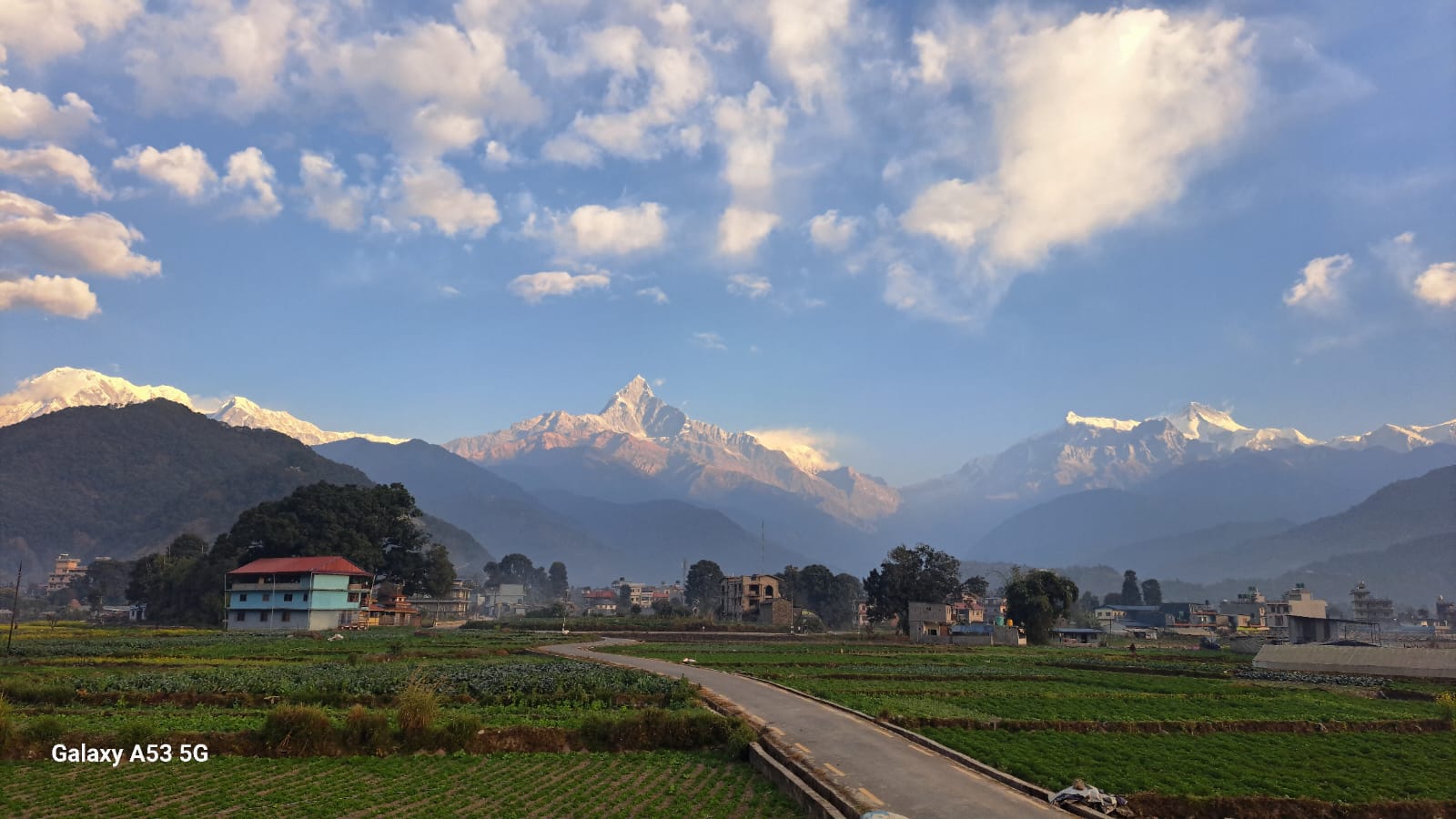

Pokhara, described as the tourism capital of Nepal, the most enchanting city of the Nepal that opens up its arms for international tourist. Nestled about 200 kilometers west of Kathmandu, this beautiful valley is bordered by the majestic Annapurna and Dhaulagiri ranges and adorned by pristine lakes, green hills, and peaceful atmosphere. Being a home to nearly 600,000 inhabitants, Pokhara is the right location that encompasses the best amalgamation of modern facilities and nature, making it appropriate for recreation, adventure, and discovering culture.
Pokhara is so beautiful because it offers a variety of things to see. Phewa Lake in the heart of the city is a boating haven while looking at the reflections of Machhapuchhre (Fishtail) and Annapurna mountains on its surface. Besides this, peaceful Begnas and Rupa Lakes offer a more isolated refuge, while natural wonders like Davis Falls and Gupteshwor Mahadev Cave amaze the visitors with their unique structure. The World Peace Pagoda, located at the summit of a hill, offers breathtaking views of the lake and the city, while Sarangkot has also gained international fame for its scenery of sunrise over snow-capped Himalayas.
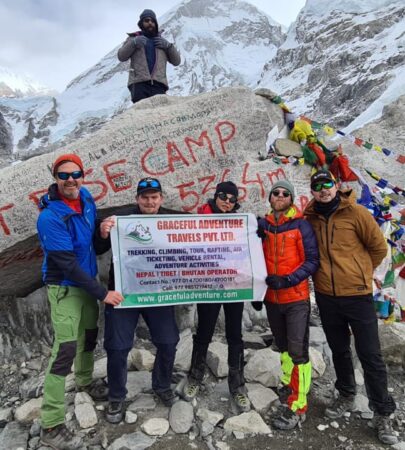
Pokhara has been the gateway to the Annapurna region, which is among the world’s most favorite trekking destinations, for centuries. Treks such as the Annapurna Base Camp, Ghorepani Poon Hill, Mardi Himal, Mohore danda, Khopra and the Dhaulagiri Circuit orginize from pokhara for national and international trekkers who are looking for adventure trek. Pokhara has also become a complete trekking center, with equipment stores, experienced guides, porters, and permit offices servicing both new and old trekkers.
Pokhara is also emerging as an important aviation hub. The new Pokhara International Airport connects the city to international destinations like China, and other local centers, making it easier for foreign tourists to come straight in. For domestic flights, Pokhara has good links with Kathmandu, Bharatpur (Chitwan), Bhairahawa (Lumbini), and Jomsom (Mustang), allowing tourists to combine cultural tour and trekking with ease. Such connectivity is part of the appeal of Pokhara as a traveling hub that is strategic and convenient.
Pokhara is also culturally a melting pot of various communities like Gurung, Magar, Brahmin, Chhetri, and Newar, who maintain their rich traditions, festivals, and cuisine. Foreigners also often visit surrounding villages to observe traditional homes, handicrafts, and lifestyle.
In the city, there are modern establishments from modern luxury 5 * resorts with a view of Phewa with Annapurna Himalaya range to basic lodges for budget tourists. The Lakeside district is particularly in demand, abounding with cafes, restaurants, and bars that offer both Nepali specialities and international food.
Pokhara is worthy of being called the tourist capital of Nepal since it has everything one can desire for as a tourist in one place. Its unmatched nature beauty, cultural richness, accessibility, comfy hotels, and variety of adventure sports make it unique.
Adventure enthusiasts can paraglide over the lakes among the Himalayas, go for ultralight flights, zip-line, bungee jumping, and white-water rafting. Relaxation enthusiasts can discover yoga retreats, meditation centers, and spa resorts galore. Pokhara has something for everyone regardless of what one’s objective is – adventure, relaxation, or exposure to culture.
This fascinating mix of astounding scenery, cultural diversity, adventure sports, and modern travel infrastructure is the reason why Pokhara qualifies as the tourism capital of Nepal. It is not a stopover on the route to the Himalayas, but a destination in itself, leaving visitors pining and eager to return.
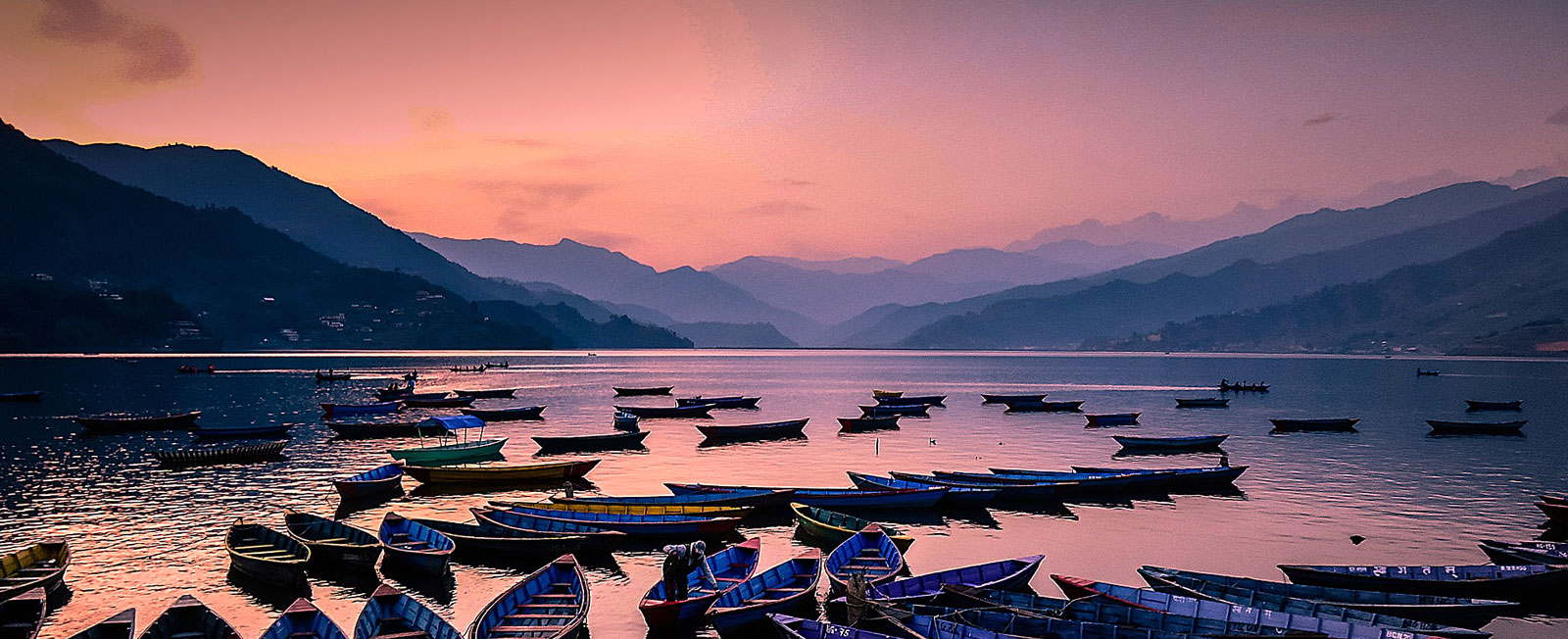
Best Time to Visit Pokhara
Pokhara is a year-round destination but is best experienced in the spring (March–May) and autumn (September–November). These two seasons are ideal because of their clear weather, moderate temperatures, and breathtaking Himalayan vistas. The skies are usually bright and cloud-free during these periods, offering crystal-clear views of mountains like Annapurna, Dhaulagiri, and Machhapuchhre (Fishtail). Tourists can visit sightseeing and adventure activities without any hesitation, so spring and autumn are the most recommended seasons of the year.
The climate is warm and pleasant during spring, and new greenery and blooming flowers add an extra beauty to the landscape. The nearby hills and trekking trails from Pokhara are painted with diffrent types of rhododendrons blooming with different colors, making the ambiance magical. The season is also perfect for adventure sports such as paragliding, ultralight flights, zip-lining, helicopter tours, and hot air ballooning as the stable weather allows one to have safe and smooth experiences. Trekkers adore spring because of the lush surroundings and clear mountain views.
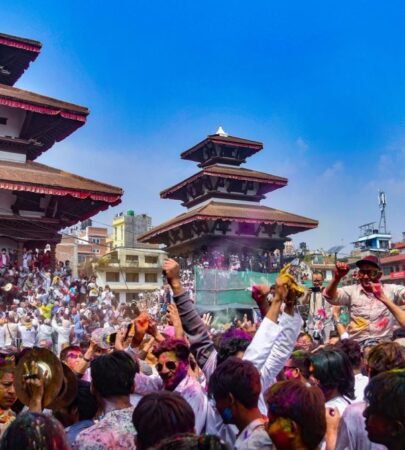
Autumn is as, if not more, popular. After the summer monsoon, the air is cool and the skies are a deep blue, some of the clearest Himalayan vistas of the year. It also coincides with Nepal’s two biggest festivals, Dashain and Tihar, which allow travelers to experience local culture, customs, and celebrations. The comfortable day temperatures make it comfortable to explore the city, take a boat ride on Phewa Lake, or trek on trails around the Annapurna range. Adventure sports like paragliding, mountain biking, bungee jumping, and ultralight flights are best done in autumn as the conditions are clear and stable.
One can visit Pokhara in summer/monsoon (June–August) and winter (December–February), but there are some points to consider. The monsoon months are marked by intense downpours, which can sometimes interfere with activities like paragliding or mountain flights. Still, the hillsides and lakes are lush green forest, and boating on Phewa Lake could be a peaceful escape between showers. Winter offers quieter surroundings and fewer people, with cold but refreshing mornings often bringing spectacular mountain vistas, although some of the higher-altitude treks might be challenging due to snow.
Overall, Pokhara is a year-round destination, but for the best time to visit Nepal of fine weather, clear skies, cultural life, and adventure, spring and autumn are the most rewarding times to be there. These seasons offer the best of Pokhara—be it soaring above the valley in a paraglider, going for a relaxing boat ride, trekking through forests in flower, or simply staring at the golden sunrise over the Himalayas.
How to Go Pokhara
Pokhara, Nepal Tourism capital, is conveniently accessible from the rest of the country and is conveniently approached from other big cities and Kathmandu the capital of Nepal. It is possible to reach Pokhara on domestic flights, private vehicles, or tourist coaches, each of which offers a different experience on the lines of comfort, time, and scenery. Depending on your preference, you can choose a quick and convenient flight, take a scenic drive, or a combination of modes of transportation.
1. By Air: The shortest and most convenient mode of reaching Pokhara is by domestic flights. From Tribhuvan International Airport at Kathmandu, a number of daily flights by airlines such as Buddha Air and Yeti Airlines connect the two cities in 20–25 minutes through Pokhara Airport. The Himalayan ranges, Annapurna, Dhaulagiri, and Machhapuchhre are in full view of the passengers during travel. The aircraft frequently used is a 72-seater ATR, which makes the journey convenient and safe.
From Chitwan’s Bharatpur, a flight to Pokhara takes about 15 minutes, flown by Buddha Air too. Similarly, travelers from eastern Nepal’s Biratnagar can also fly domestically to Pokhara, which takes typically less than one hour. Flights from Bhairahawa (along with Lumbini) also provide an option for travelers from western Nepal, with very short flying times and ready-to-use connections. Domestic flights are particularly recommended for those who have to save time, avoid the long drive on roads, and enjoy Himalayan views from the air.
2. By Private Vehicle: Pokhara is easily accessible by private car or taxi from Kathmandu and other places in Nepal. The distance from Kathmandu is around 200 kilometers and takes around 6–7 hours depending upon the traffic situation and road condition. Passengers can hire private cars from Kathmandu, Bhairahawa, Kakarvitta border (eastern Nepal), Nepalgunj (western Nepal), and Mahendranagar (far-western Nepal). Private travel offers convenience with halts along the way at sites such as viewpoint spots, rivers, or nearby towns and is a good option for family, groups, or those seeking comfort and convenience.
3. By Tourist Bus: For budget-conscious travelers or people who prefer a scenic drive, Tourist bus provide secure means of transportation from Kathmandu and other cities. The bus ride from Kathmandu to Pokhara can take between 6–8 hours depending on traffic and weather conditions. The buses range from normal buses to deluxe and luxury coaches with comfortable seating, air conditioning, in-flight refreshments, and restrooms. There are buses from western Nepal, Bharatpur, and Chitwan towns, making the road journey a convenient and economical option.
In total, regardless of whether you choose an instant domestic flight, a scenic road trip via private vehicle, or a comfortable tourist bus, reaching Pokhara is free from hassle and convenient. Every mode of transport brings its own experiences, from Himalayan aerial scenery in the flight to countryside views along the highway, giving you an unforgettable start to your Pokhara tour.
Major Sightseeing Tourist spot of Pokhara
Pokhara is the tourism capital of Nepal, and it attracts tourists with its mixture of natural beauty, cultural heritage, and adventure sports. Annapurna and Dhaulagiri mountain ranges encircle the city, and it is teemed with serene lakes, waterfalls descending, ancient temples, mysterious caves, and awe-inspiring sceneries. Every destination has something to offer, whether boating on serene waters, visiting holy sites, or viewing breathtaking Himalayan vistas. The city’s Lakeside area is a tourist destination, and all but a few attractions can be easily reached within a short boat ride or drive.

- Phewa Lake: Phewa Lake is the heart of Pokhara tourism, and it’s at your doorstep here in Lakeside. It is the largest and most famous lake of the country with calm water for boating where one can see reflections of Annapurna and Machhapuchhre mountains. If visibility is clear, the image reflected by mountains on the lake surface creates perfect photography, thus much favorite among photographers and nature lovers.
- Begnas Lake: Begnas Lake, around 15 kilometers east of Pokhara, is one of the peaceful and off-beat options in comparison to Phewa Lake. Surrounded by green forests and hills, it provides a peaceful environment for boating, picnicking, or simply relaxing in nature. Its peaceful atmosphere makes it an ideal getaway for tourists seeking privacy from the crowded Lakeside area.
- Tal Barahi Temple: Perched on a small island in Phewa Lake, the Barahi Temple is a two-story Hindu temple dedicated to the worship of goddess Barahi. The temple can be reached by visitors through a short boat trip, balancing religious importance with stunning lake vistas. The temple is greatly desired by tourists because of its cultural importance and lovely surrounding scenery.
- Bindhyabasini Temple: The Bindhyabasini Temple, located about three kilometers north of Lakeside in the Old Bazaar, is among the oldest and holiest Hindu temples in Pokhara. This temple, which is a shrine to Goddess Bindhyabasini, is located atop a hill that affords beautiful views of the valley and surrounding peaks and thus is as much a religious experience as it is a sightseeing experience.
- World Peace Pagoda: Situated atop a hill that overlooks Phewa Lake, the World Peace Pagoda is a large Buddhist stupa that can be reached by a short boat trip and trek up the hill from Lakeside. Famed for its peaceful ambiance and 360-degree views of Pokhara, the lake, and the Himalayas, it is a favorite destination for meditating, photography, and easy trekking.
- International Mountain Museum: The International Mountain Museum, located about six kilometers east of Lakeside, honors Nepal’s climbing history. It has iconic climbers, mountain landscapes, and Himalayan culture on display, and is an educational excursion for adventure travelers and trekking enthusiasts.
- Gorkha Memorial Meseum: Tribute to Nepal’s bravery of soldiers, the Gorkha Memorial Museum is about four kilometers from Lakeside. It provides an insight into the history and triumph of the Gorkha fighters and permits visitors to look at the country’s proud military past.
- Davis Fall: The dramatic Devi’s Fall, also known as Patale Chhango, is approximately three kilometers southwest of Lakeside. This waterfall disappears into an underground gorge, and its peak flow during the monsoon season makes it a spectacular natural attraction for tourists. Adjacent to it is the Gupteshwor Cave, a sacred cave featuring a shrine to Lord Shiva. With narrow passageways and unique rock formations, it combines spirituality with a sense of adventure.
- Mahendra Cave: The largest cave in the region, Mahendra Cave, located six kilometers southwest of Lakeside, is renowned for its spectacular stalactites and stalagmites. Nearby, the Bat Cave (Chameri Gupha) offers an exciting journey of underground chambers containing enormous colonies of bats, a sight adventure-seekers and nature lovers will not soon forget.
- Sarangkot: Sarangkot, six kilometers northwest of Lakeside, is famous for its breathtaking sunrise and sunset views over Annapurna, Dhaulagiri, and Machhapuchhre. It is one of Pokhara’s most photographed viewpoints and a popular take-off point for paragliding tours.
- Seti Gandaki Gorge: The deep, narrow Seti Gandaki Gorge, five kilometers from Lakeside, is incised by the Seti River. Tourists visit here to view the white-water rapids and striking geological features that characterize it as a unique natural attraction.
- Pumdikot Shiva Temple: The Pumdikot Shiva Temple, located about 15 kilometers east of Lakeside, features a 35-foot-tall statue of Shiva and panoramas from the summit of the hill across Pokhara Valley and the Annapurna range. This serene site is ideal for spiritual reflection and the taking of stunning photographs of the landscape.
Major Adventure Activities in Pokhara City.
- Paragliding: Paragliding in Pokhara is the most popular adventure sport in Nepal, starting usually at 9:30 AM to 3:00 PM, when the flying weather is ok . Each flight 20–30 minutes for the standard tandem flight, while cross-country flights are longer. The thrill of soaring above Phewa Lake with bird’s-eye views of the Annapurna and Machhapuchhre ranges makes it one of the best-recommended activities in Pokhara. Peaceful winds, scenic views, and skilled pilots together have made Pokhara one of the world’s best paragliding destinations.
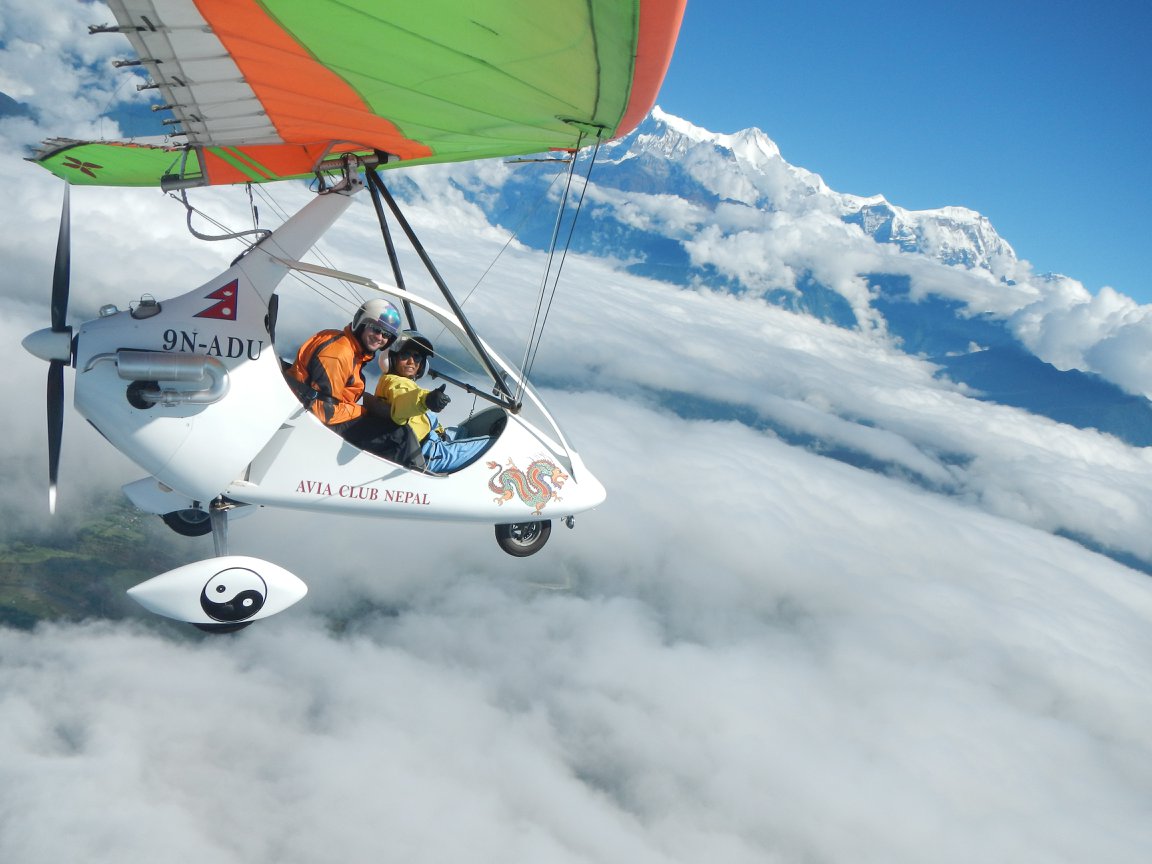
- Ultralight Flights: The ultralight flights operate mostly in the morning (6:30 AM onwards), when the air is richest in light. The small two-seater aircraft take you soaring over Pokhara Valley for a 15–90 minute ride, offering unmatched close-up images of snow-covered mountains, green hills, and shining lakes. It is famous in Pokhara because of the unique opportunity to fly close to the Himalayas at low altitudes, which few destinations in the world can offer. The valley’s serene weather condition makes it safe and breathtaking for ultralight flights.
- Zip-Lining: One of the steepest and longest zip lines in the world exists in Pokhara that runs from Sarangkot to nearly Hemja. The trip begins at the top station, which is open from 9:00 AM to 3:00 PM, and lasts only 2 minutes, but the thrill of the adrenaline kick is unparalleled. The riders accelerate beyond 100 km/h with the scenic view of mountains and valleys always in sight. This is one of the most thrilling ways to experience the view of Pokhara within a few minutes.
- Helicopter Tours: Pokhara helicopter tours are accessible from early morning (6:00–8:00 AM flights) since mornings have the best weather. The trips last 1–3 hours, depending on the location—sights include Annapurna Base Camp, Mardi Himal, or Muktinath. They are renowned as they enable travel for people with little time or physical fitness to see the Himalayas easily, with close proximity to mountain giants and even the option of landing at the base camps for a brief rest.
- Hot Air Ballooning: Hot air balloon rides in Pokhara usually start soon after sunrise (6:00–8:00 AM) and last around 30–40 minutes. Sailing gently over the valley, travelers enjoy bird’s-eye views of Phewa Lake, paddy fields, and the Himalayas bathed in morning sunshine. This is the only activity in Pokhara that blends adventure and relaxation, offering a memorable bird’s-eye view of the city, as well as the mountains.
- Bungee Jumping: Pokhara bungee jumping location at Hemja starts operations around 9:00 AM and continues till the afternoon. The jump itself is only a matter of seconds, but the memory of it lasts a lifetime. At a height of around 75 meters, the jumpers leap from a tower into a river gorge at the bottom. It is well-liked since it provides both security and thrill, giving tourists the chance to overcome their fear in Nepal’s adventure hub.
- ATV Motor Ride: ATV (All-Terrain Vehicle) rides are available throughout the day, generally from 9:00 AM to 5:00 PM, and are 30 minutes to 2 hours long depending on the route selected. The rides traverse off-road trails, villages, and touristic spots like Sarangkot, and they provide you with adventure as well as sightseeing. It is popular among travelers as it gives visitors an opportunity to combine adrenalin with exploration, seeing Pokhara’s countryside in a manner that ordinary vehicles cannot.
Trekking Package from Pokhara
Pokhara is considered as the gateway to Nepal’s most breathtaking trek in annapurna himalaya range. Situated between the Annapurna and Dhaulagiri ranges, the city is the natural place to start the treks that range from short day walks to serious high-altitude expeditions. Trekkers in this location have access to diverse landscapes—forests, terraced hills, alpine meadows, arid plateaus, and Himalayan snowcapped summits. Each trail offers something unique in terms of beauty, cultural encounters, and adventure, thereby making Pokhara a hub for first-time trekkers as well as experienced mountaineers.
The Pokhara trails are preferred since they combine natural landscapes with cultural richness. Along the trails, the trekkers pass through scenic Gurung and Magar villages, Buddhist monasteries, ancient caves, and sacred shrines. They have the opportunity to see marvelous sunrises, encounter diverse flora and fauna, and enjoy warm hospitality at teahouses. The destination, be it a brief trek like Ghorepani Poon Hill or a more extensive trek into remote regions like the Dhaulagiri Circuit, Pokhara has boundless potential for exploration.
Major Trekking Routes from Pokhara
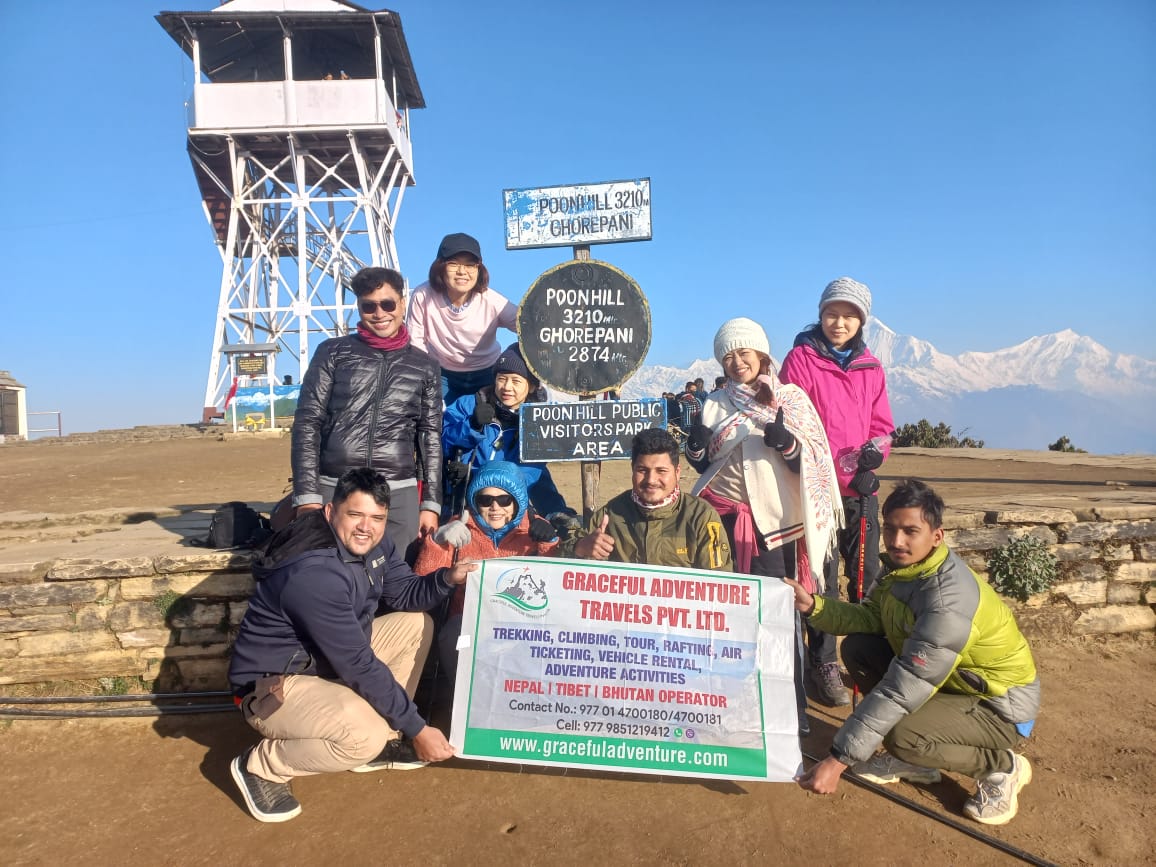
1. Ghorepani Poon Hill Trek
- Duration: 4–6 days
- Highlights: Famous for its sunrise view from Poon Hill (3,210m), where the Himalayas glow golden in the morning light.
- Why Popular: This trek is short and suitable for beginners yet offers stunning views of Annapurna, Dhaulagiri, and Machhapuchhre. It also passes through rhododendron forests, traditional Gurung and Magar villages, and terraced fields.
2. Annapurna Base Camp (ABC) Trek
- Duration: 7–12 days
- Highlights: Trek to the heart of the Annapurna Sanctuary, surrounded by towering peaks like Annapurna I, Hiunchuli, and Machhapuchhre.
- Why Popular: Known for dramatic mountain scenery and diverse landscapes, this trek allows trekkers to stand in a natural amphitheater of 7,000–8,000 meter peaks. It is one of the most iconic and rewarding treks in Nepal.
3. Mardi Himal Trek
- Duration: 5–7 days
- Highlights: Reaches Mardi Himal Base Camp (4,500m) with close-up views of Machhapuchhre and Annapurna South.
- Why Popular: A relatively new and less-crowded trekking route that combines peaceful trails, lush forests, and high-altitude ridges. Perfect for those wanting a short trek with a true Himalayan experience.
4. Upper Mustang Trek
- Duration: 12–16 days
- Highlights: Trekking through the ancient kingdom of Lo Manthang, desert-like landscapes, Tibetan culture, and historic monasteries.
- Why Popular: Known as the “Last Forbidden Kingdom,” Upper Mustang offers a completely different side of Nepal with its arid beauty, cave dwellings, and preserved Tibetan traditions. Special permits are required, adding to its exclusivity.
5. Khopra Ridge Trek
- Duration: 6–9 days
- Highlights: The ridge offers panoramic views of Annapurna South, Dhaulagiri, Nilgiri, and Machhapuchhre.
- Why Popular: A less-traveled trail that provides a quiet alternative to Poon Hill. It also offers the chance to hike to Kaire Lake, a sacred alpine lake surrounded by snowcapped peaks.
6. Dhaulagiri Circuit Trek
- Duration: 16–21 days
- Highlights: A challenging trek that circles Mt. Dhaulagiri (8,167m), the seventh-highest mountain in the world. Includes high passes like the French Pass (5,360m) and Dhampus Pass (5,200m).
- Why Popular: Considered one of Nepal’s toughest treks, it is famous for adventure, wilderness, and dramatic mountain scenery. Trekkers experience glaciers, remote villages, and unspoiled natural beauty.
Day hike Trial from Pokhara
Pokhara is among the best day-hiking spots in Nepal, boasting multiple trails that combine natural beauty, panoramic views of the mountains, and cultural experiences. The hikes are great for national and international tourist who want to explore the nearby hills without going for long treks.
Hiking pass through forests, cultivated fields under irrigation, villages, and ridges commanding views of the Himalayas, hence each trek is an amalgamation of adventure, sightseeing, and local culture. Pokhara day hikes provide smooth and enduring experiences for beginners and experienced trekkers alike.
The Day hike around Pokhara also provide tourists with breathtaking views of the Annapurna and Dhaulagiri ranges, Phewa Lake, and Pokhara Valley. They are ideal for viewing the natural beauty of the area, rhododendron flowers during spring, and experiencing local village life. Any or all of the trails may be completed in 2–5 hours, depending on your schedule for a half-day or full-day excursion. Adventure seekers can combine these treks with other activities to enjoy in Pokhara, such as paragliding, boating, or trips to nearby cultural attractions.
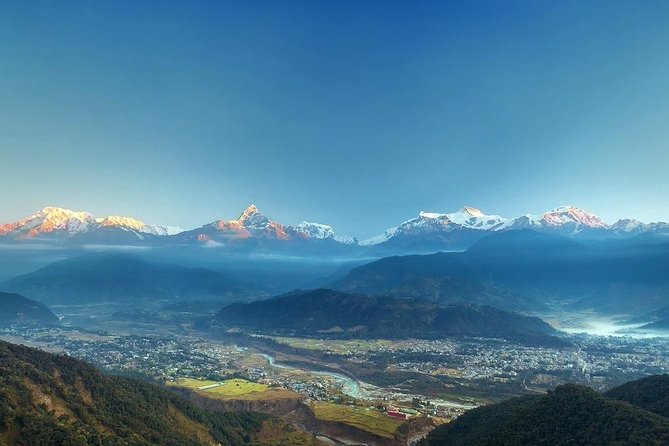
Major Day Hikes from Pokhara
1. Sarangkot – Naudanda Hike
- Duration: 3–4 hours
- Route: Starts from Sarangkot and ends at Naudanda.
- Highlights: Ridge-top trails through villages and terraced fields; panoramic views of Annapurna, Dhaulagiri, and Machhapuchhre (Fishtail Peak); breathtaking Pokhara Valley and Phewa Lake vistas.
- Why Popular: Easy to access, offers iconic Himalayan views, and combines mountain scenery with village life.
2. Dhampus – Australian Camp Hike
- Duration: 4–5 hours
- Route: Starts from Phedi (30-minute drive from Pokhara) to Dhampus village and continues to Australian Camp.
- Highlights: Forested paths, stone steps, Gurung villages, terraced farmlands; views of Annapurna South, Hiunchuli, Machhapuchhre, and Lamjung Himal.
- Why Popular: Less crowded, scenic viewpoint at Australian Camp, perfect for experiencing rural culture and Himalayan landscapes.
3. World Peace Pagoda Hike
- Duration: 2–3 hours
- Route: Starts from Phewa Lake shore (via short boat ride) to World Peace Pagoda and back.
- Highlights: Serene stupa, panoramic views of Pokhara city, Phewa Lake, and Annapurna range; paragliders from Sarangkot visible on clear days.
- Why Popular: Combines cultural significance with stunning views, suitable for a short, rewarding hike.
4. Phewa Lake – Pumdikot Hike
- Duration: 3–4 hours round trip
- Route: Starts from Lakeside, ascends to Pumdikot viewpoint with a 108-foot Shiva statue.
- Highlights: Panoramic platforms, forested trails, local villages, farmlands; excellent views of Pokhara Valley, Phewa Lake, and distant Himalayan peaks.
- Why Popular: Perfect mix of natural beauty and cultural heritage, easily accessible from the city.
5. Kalikasthan Hike
- Duration: 4–5 hours
- Route: Begins at Bijayapur, climbs to Kalikasthan Hill.
- Highlights: Sweeping views of Annapurna, Machhapuchhre, Lamjung Himal, Begnas Lake, and Rupa Lake; terraced rice fields and local settlements.
- Why Popular: Less crowded, peaceful, ideal for hikers seeking quiet and immersion in rural life.
6. Begnas Lake – Sundari Danda Hike
- Duration: 3–4 hours
- Route: Starts from Begnas Lake and climbs to Sundari Danda ridge.
- Highlights: Magnificent views of Begnas and Rupa Lakes framed by Annapurna and Manaslu; opportunity to see authentic village life and farming practices.
- Why Popular: Tranquil environment with fewer tourists, scenic ridge viewpoints, cultural immersion.
In Conclusion
Pokhara, the tourism capital of Nepal, is a city that harmoniously blends nature, adventure, and culture. Located between the enormous ranges of Annapurna and Dhaulagiri, the city is famous for its stunning Himalayan views, tranquil lakes, waterfalls plunging down, ancient temples, and broad vistas. Its easy access from Kathmandu and other cities by flights, private vehicles, and tourist buses makes it the ideal destination base for tourists to Nepal. From serene boat rides and simple hikes to heart-stopping adventures, Pokhara has something for all types of visitors.
Central to the city is Phewa Lake, whose peaceful waters reflect the snow-covered mountains and provide room for boating, shooting photos, and relaxation. Begnas Lake, nearby, is a secluded retreat, surrounded by hills and trees, perfect for a peaceful getaway. Barahi Temple, found on a small island in the center of Phewa Lake, and Bindhyabasini Temple, perched on a hill above the Old Bazaar, are significant cultural and religious landmarks seen both by the pilgrim and the tourist. World Peace Pagoda, a stupa perched on a hill overlooking the lake, offers stunning views of Pokhara, the valley, and the Himalayas, and is a favorite among trekking enthusiasts and photographers.
Adventure and nature activities are Pokhara’s forte. Day walks such as Sarangkot–Naudanda, Dhampus–Australian Camp, World Peace Stupa, Pumdikot, Kalikasthan, and Begnas Lake–Sundari Danda provide breathtaking mountain views, rhododendron forest, field terraces, and a glimpse of rural village life. These walks take 2 to 5 hours and are ideal for both leisurely strollers and adventure trekkers. Adventure-seekers can experience paragliding from Sarangkot, ultralight flying, zip-lining, helicopter flights, hot air ballooning, bungee jumping, and ATVing, each with a unique perspective of the valley, lakes, and Himalayas.
Pokhara is also home to some wonderful cultural and natural sites. The International Mountain Museum celebrates Nepal’s mountaineering past, and the Gorkha Memorial Museum celebrates the courage of Gurkha troops. Devi’s Fall and the nearby Gupteshwor Cave provide a mix of natural beauty and spiritual exploration. Mahendra Cave and the Bat Cave offer adventurous underground experiences, while Sarangkot is renowned for sunrise and sunset views over Annapurna and Machhapuchhre. Seti Gandaki Gorge and Pumdikot Shiva Temple further showcase Pokhara’s scenic landscapes and spiritual sites.
Traveling to Pokhara is convenient and flexible. Domestic flights from Kathmandu are 20–25 minutes with Himalayan scenery, and Bharatpur, Bhairahawa (close to Lumbini), and Biratnagar flights are quick connections from other regions. For travelers who prefer to drive, private vehicles make comfortable 6–10 hour journeys from Kathmandu, Bhairahawa, Kakarvitta, Nepalgunj, and Mahendranagar with opportunities to stop at stunning vistas along the journey. Tourist buses provide inexpensive and reliable transportation, from 6–8 hours from Kathmandu and other major cities, with economy to luxury coach services.
Pokhara is Nepal’s paradise for adventure, relaxation, and culture. With its picturesque lakes, Himalayan vistas, thrilling activities, and vibrant local culture, Pokhara is perfect for all types of travelers. The Graceful Adventure Travel also Tour Pokhara makes your accommodation can be hassle-free and tailored, from guided sightseeing, private transfers, hotel booking, air fares, to adventure activities. If you want to trek in the forest, glide over mountains, visit temples, or enjoy peaceful lakeside experience, Graceful Adventure Travel offers each experience in Pokhara as fabulous, comfortable, and tailor-made as per your preference.
Contact Details for Pokhara Tour
| Particular | Details |
| Booking office | Graceful Adventure Travel |
| Phone Number | +977-9851219412, 014700180/81 |
| Office Location | Sorhakhutte, Kathmandu, Nepal |
| [email protected]/ [email protected] |